Skeleton Models Manufacturers & Pricelist in the Germany Market
A manufacturer-focused sourcing guide for German distributors, universities, hospital groups, nursing schools, dental academies and simulation centres comparing skeleton models, anatomical teaching aids, emergency training equipment and OEM pricelist programmes.
Four High-Intent Products for German Buyers
These four products are frequently evaluated by German teaching institutions and specialist distributors because they combine anatomy teaching, dental simulation, primary science education and tendering-friendly specifications. All original product images and product URLs are retained below.
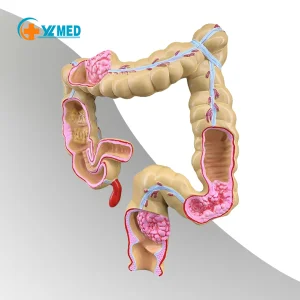
China Large intestine rectum pathology medical anatomical model Medical teaching used human pathological colon model Manufacturer, Factory
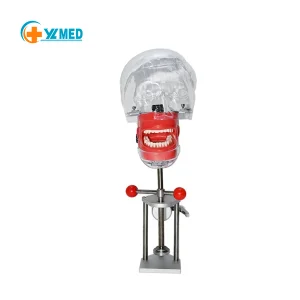
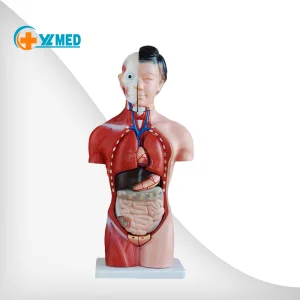
Skeleton Models Manufacturers & Pricelist in the Germany Market: A Buyer Brief
German procurement teams rarely search for a skeleton model in isolation. They investigate supplier capability, anatomical accuracy, material safety, tender evidence, packaging compliance, spare parts, after-sales support and landed cost at the same time.
Germany has one of Europe’s densest healthcare, medical education and simulation ecosystems. University hospitals, medical faculties, nursing colleges, physiotherapy academies, dental schools, emergency service training centres, rehabilitation clinics and science museums all use anatomical models to explain complex structures, demonstrate pathology and assess practical competence. For a German buyer, a skeleton model is not only a teaching object. It is part of a procurement programme that must survive budget scrutiny, classroom use, tender review and years of repeated handling.
This is why the phrase “skeleton models manufacturers & pricelist in the Germany market” carries strong commercial intent. A buyer may be comparing a direct factory, a German distributor, a European catalogue brand or an existing university supplier. The real decision often depends on a combination of anatomical fidelity, material durability, replaceable joints, stable stands, documented quality control and the seller’s ability to provide a tender-ready quotation rather than a generic price list.
Henan Yulin Edu. Project Co., Ltd. — trading as Yulin Medical — has manufactured educational and medical training equipment since 1958, with an ISO 9001 quality management system certified since 2008. The company operates from Xinxiang, Henan, China, with more than 200 professional staff, registered capital of RMB 120 million and ten product lines covering anatomy models, nursing simulators, biology slides, dental equipment, hospital furniture, emergency devices and more. For German importers and institutional buyers, this breadth matters because mixed-category orders can be consolidated with one point of contact while still requiring product-specific documentation.
This guide is written as a practical sourcing brief rather than a simple catalogue. It explains where German demand sits, how local procurement behaviour shapes specifications, how global purchasing requirements meet German compliance expectations, how to read a pricelist, how to plan a technical roadmap and which questions should be answered before a purchase order is raised.
Local Commercial and Industrial Context for Skeleton Models
Germany’s demand is concentrated in regions with strong medical technology, university hospitals, nursing education and public-sector procurement. The buyer is often an organised committee, not a single individual.
Germany is widely recognised as Europe’s largest medical technology market, and this strength is visible in the country’s teaching and training infrastructure. Medical technology clusters and healthcare research centres in Baden-Württemberg, Bavaria, North Rhine-Westphalia, Berlin, Hesse and Lower Saxony create a steady requirement for anatomy models, simulation equipment and clinical training aids. Cities such as Munich, Erlangen, Heidelberg, Tübingen, Aachen, Cologne, Berlin, Hanover, Leipzig and Frankfurt represent different buyer types: university hospitals, medical faculties, private training centres, emergency services, dental schools, rehabilitation institutions and specialised distributors.
The commercial structure is equally important. German institutions often purchase through public tenders, framework agreements, university procurement departments or group purchasing organisations. Specialist distributors supply schools, clinics and training centres with bundled product ranges and local stock. These distributors expect manufacturers to provide more than a product photo. They need stable product codes, repeatable colours and materials, packaging that survives parcel networks, barcode-ready labels, spare parts, consistent batch quality, quick quotations and clear documentation for their own tender responses.
Skeleton models sit inside a wider anatomy and simulation ecosystem. A full-size human skeleton may be requested for a medical faculty anatomy room; a knee joint ligament model may be used by orthopaedic residents; a 42 cm female torso may support nursing education; a dental phantom head may be specified for a dental school; and emergency training products may be added to the same purchase order. German buyers therefore value suppliers who can consolidate multiple categories while keeping documentation, packaging and after-sales support under control.
Logistics also shape demand. Germany’s ports, airports and road network support fast European distribution, but institutional buyers still expect reliable lead times and clear Incoterms. Importers ask about palletisation, carton marks, drop-test readiness, customs classification, country of origin, VAT treatment and delivery appointments. For direct factory supply, the most successful quotations explain both the product and the route to the buyer’s warehouse.
| German search / buyer language | Underlying intent | What a strong response must include |
|---|---|---|
| Skeleton models manufacturer Germany | Supplier vetting and factory confidence | Factory background, ISO 9001 evidence, material specifications, joint construction, stand stability, spare parts, lead time and export references. |
| Skeleton model pricelist Germany | Budget planning and comparison | Model code, MOQ, size, material, packing dimensions, Incoterms, quotation validity, sample policy and total landed cost. |
| Anatomical skeleton model for university | Teaching outcome and academic suitability | Anatomical accuracy, numbered parts, multilingual learning guide, replaceable parts, mobility and classroom safety. |
| OEM anatomy models Germany | Private-label distribution | Custom packaging, artwork workflow, barcode/GTIN support, carton marks, batch consistency, MOQ and repeat-order planning. |
| Medical teaching model supplier Europe | Consolidated one-stop sourcing | Mixed-category capability, product documentation, tender files, after-sales response and export packing standards. |
Six Trends Reshaping Demand in Germany
The market is moving from isolated catalogue purchases toward competency-based education, repairable products, digital learning support and evidence-backed sourcing.
Simulation-Based Education
Medical, nursing and emergency curricula increasingly assess practical competence. Anatomy models and training simulators must support repeatable demonstrations, group teaching and objective assessment rather than passive display only.
Modularity and Repairability
Institutions prefer models with replaceable joints, stable stands and serviceable parts. A long service life matters more than a short-term low unit price, especially when procurement involves multi-year budgets and classroom replacement cycles.
Digital Instructions and Hybrid Learning
QR-linked product guides, English and German labels, online assembly videos and digital anatomy references are becoming useful differentiators. They reduce teacher preparation time and improve the learner experience.
Sustainability and Packaging Compliance
German importers increasingly review packaging materials, plastic reduction, carton recycling information and compliance with national packaging registration obligations. Product durability is itself a sustainability argument.
Documentation Traceability
Tender teams ask for dimensions, materials, packing data, warranty conditions, spare parts lists and product-specific conformity information. Suppliers that prepare these files in advance win more invitations to quote.
Consolidated Procurement
Distributors and university purchasing departments prefer fewer suppliers. A manufacturer able to combine skeleton models, torso models, dental trainers, nursing manikins and hospital equipment reduces administrative effort and shipping cost.
What Global Distributors Must Prepare for Germany
A competitive factory quotation is only the beginning. German buyers compare the total supply package: evidence, packaging, continuity and after-sales support.
Commercial expectations from German distributors
- Private-label packaging that looks professional in a German catalogue and survives parcel handling.
- Stable model codes and repeatable colours so that a second order matches the first delivery.
- Mixed-carton or mixed-container consolidation to lower freight and customs administration costs.
- Spare-part availability for joints, stands, labels and frequently handled components.
- Quotation transparency: product code, MOQ, lead time, Incoterms, packing dimensions, weight and validity.
- Fast technical replies. The original export commitment is a typical response within 24 hours.
Tender and institutional expectations
- Product datasheets with dimensions, materials, weight and anatomical features.
- Photographs, line drawings and optional instruction samples for evaluation committees.
- Country of origin, customs description and packing details for import planning.
- Warranty statement, spare-parts list and after-sales contact pathway.
- Product-specific conformity and safety documents where regulations apply.
- Clear distinction between educational teaching aids and products intended for medical use.
For manufacturers outside Germany, this means that a simple price sheet is rarely enough. The buyer may need to satisfy an internal quality team, an infection-control advisor, a tender lawyer, a packaging officer and a finance department. A supplier that provides structured information from the first email shortens the evaluation cycle and reduces the risk of an incomplete bid. For German importers, the strongest manufacturer is the one that behaves like a documentation partner rather than a catalogue mailbox.
Product + Logistics + Compliance: Three Practical Germany Programmes
Different German buyers need different bundles. A single anatomical model may be a trial purchase; a simulation laboratory is a programme with product, packing, training and after-sales requirements.
University Anatomy & Clinical Skills Lab
Bundle a life-size skeleton, knee-joint ligament model, female torso, eyeball model, vascular anatomy model and respiratory comparison model. The buying committee usually evaluates anatomical detail, numbered parts, stand stability, replaceable components, storage and teacher guides.
Hospital & Patient Education
Pathology and anatomy models support informed consent, patient explanation and staff training. Hospitals value cleanable surfaces, realistic scale, clear pathology contrast and packaging that protects delicate structures during internal transport.
Distributor OEM & Private-Label Programme
German distributors need margin-protective differentiation: own-brand packaging, product manuals, carton marks, barcodes, photography support and repeat-order consistency. Mixed-category orders can include anatomy, dental, nursing and emergency products under one export plan.
| Product family | Typical German use case | Procurement questions to ask |
|---|---|---|
| Skeleton and knee-joint models | Medical anatomy, orthopaedics, physiotherapy and patient education | Is the skeleton articulated? Are joints replaceable? Is the stand stable? Are parts numbered? Is a dust cover or carrying solution available? |
| Torso and organ models | Nursing schools, medical faculties, biology teaching and clinic demonstration | How many parts? How are organs removed? Is the material easy to clean? Are labels in English, German or both? |
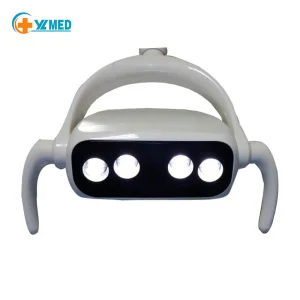
| Dental phantom heads and dental lights | Dental schools, dental clinics and clinical skills labs | Does the resin simulate realism? Is electrical compliance documentation available where applicable? Are spare parts and mounting interfaces compatible? |
| Emergency stretchers and training devices | Rescue services, hospital emergency departments and training centres | What is the load capacity? Are handles detachable? Are safety straps included? What packing protects metal and plastic parts? |
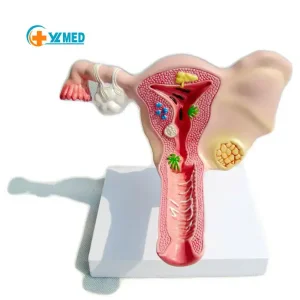
| Pathology and gynaecology models | Nursing, midwifery, patient consent and clinical demonstration | Is pathology clearly differentiated? Are materials durable? Is storage discreet and practical for teaching rooms? |
Localisation and Regulatory Care for the German Market
German buyers respect suppliers who ask precise questions about intended use, product classification, packaging responsibility and importer obligations before making claims.
What a German buyer usually verifies
- Intended use: Is the product an educational teaching aid, a training simulator, a demonstration model or a medical device with a clinical purpose?
- EU MDR and German MPDG: The regulatory route depends on intended use, claims and whether a product is placed on the market as a medical device. Educational anatomy models must not be described as diagnostic tools unless the documentation supports that claim.
- Electrical products: Dental lights and any powered item require separate review for CE marking, RoHS, WEEE and applicable electrical safety obligations.
- ISO 9001: Yulin Medical’s quality management system has been certified since 2008; this supports process consistency but does not replace product-specific conformity work.
- EU importer / authorised representative: Importers need a clear route for declarations, instructions and incident communication where applicable.
- Packaging Act: German packaging registration and recycling obligations can affect the importer’s compliance process, especially for consumer-facing or e-commerce packaging.
Practical localisation support for the quotation
- English and German product titles, key labels and teaching notes where requested.
- Optional QR-linked assembly and care instructions to reduce teacher training time.
- Export packing with model ID, carton marks, batch information and spare-part references.
- Product-specific datasheets, dimension drawings and tender-ready photo sheets.
- Consolidated shipment planning for mixed categories and distributor stock orders.
- Responsive after-sales communication for damaged parts, missing components and repeat orders.
Compliance is not a slogan; it is a document trail. For German procurement, the most useful supplier is the one that can explain what the product is, what it is not, which documents exist, which documents must be created by the importer and how the packaging will move through the supply chain. Yulin Medical can provide ISO 9001 evidence and product-specific documentation on request, while the importer must confirm its own obligations under EU and German rules before placing the product on the market.
Technical Roadmap and Future Outlook, 2025–2027
Skeleton models are becoming part of blended learning environments. The next competitive layer is not only anatomical shape, but modularity, documentation and digital support.
Accuracy, Modularity and Stable Supply
Focus on reliable joint construction, replaceable components, consistent colour matching, stable stands and packaging that protects high-detail anatomy during export.
Germany-Ready Documentation
Expand structured datasheets, tender sheets, packing data, model codes and optional English/German labels so distributors can respond to public and private tenders faster.
Hybrid Learning Assets
Develop QR-linked care guides, assembly videos and digital anatomy references. These tools help universities and nursing schools standardise teaching across multiple campuses.
Sustainable Materials and Digital Twins
Industry direction includes recycled or bio-based material pilots, lighter packing, augmented-reality overlays and closer integration between physical models and digital curricula.
For German buyers, a three-year sourcing plan should consider replacement rates, curriculum changes, spare-parts demand, packaging reuse and the availability of updated documentation. A supplier that can maintain product codes and consistent documentation over multiple years reduces administrative risk for distributors and protects institutional teaching quality. In the long run, the winning manufacturers will be those that treat a skeleton model as a learning platform, not a warehouse item.
How to Read a Skeleton Model Pricelist in Germany
There is no universal public price for professional anatomical models. A credible quotation is built from specification, order size, packaging, documentation, freight and after-sales commitments.
German buyers often ask for a “pricelist”, but the commercial reality is a configured quotation. A life-size skeleton with articulated joints, rolling stand and dust cover is not the same product as a desktop mini-skeleton. A 42 cm torso with 13 removable parts has different tooling, inspection and packing requirements from a single pathology model. A dental phantom head with CE/ISO-related documentation carries a different compliance workload from an unpowered classroom demonstration item. If a quotation ignores these differences, it creates hidden risk.
A strong Germany-market quotation should identify the model code, dimensions, material, number of parts, articulation, stand type, packing size, gross weight, MOQ, production lead time, Incoterms, quotation validity, sample policy and spare-parts availability. For distributors, the price should also state whether private-label packaging is included, what artwork format is required and whether barcode or carton-mark support is available. For tender submissions, the manufacturer should supply the technical data needed to complete the evaluation matrix.
| Cost driver | Why it changes the quotation | What to specify in the inquiry |
|---|---|---|
| Model complexity and scale | More parts, detailed pathology and larger size increase material, moulding, assembly and inspection time. | Exact model family, preferred size and teaching use case. |
| Material and finish | PVC, ABS, resin and special surface treatments differ in durability, weight and packing protection. | Cleaning method, handling frequency and expected service life. |
| Joints, stand and mobility | Articulated joints, metal fittings and rolling stands add components and testing requirements. | Classroom layout, storage space and mobility needs. |
| Packaging and private label | Custom printed cartons, foam inserts and manual artwork affect MOQ and production planning. | Brand assets, barcode requirement and target carton strength. |
| Compliance and tender documents | Product-specific declarations, testing reports and translated instructions require additional review. | Importer role, intended use and documents expected by the tender authority. |
| Freight and Incoterms | Volumetric weight, palletisation, port charges, customs and VAT change the landed cost. | Delivery postcode, preferred Incoterm, annual volume and shipping frequency. |
Germany procurement priorities in a typical evaluation
Illustrative evaluation weighting based on common B2B sourcing priorities; actual weights vary by tender, institution and product category.
The cheapest unit price is rarely the lowest landed cost. Broken joints, unclear spare parts, weak cartons, missing documents or a delayed shipment can cost more than the difference between two quotations. German buyers compare the whole package because the cost of a failed tender or a failed classroom installation is much higher than a small per-unit saving.
Why Yulin Medical Is a Practical Partner for German Distributors
E-E-A-T in this category is built on manufacturing history, quality-system evidence, export experience and a clear understanding of what German buyers must verify.
Founded in 1958, Henan Yulin Edu. Project Co., Ltd. has grown into a well-known educational and medical equipment supplier integrating scientific research, production and sales. With registered capital of RMB 120 million and more than 200 professional employees, the company manages product development, manufacturing, inspection and export from its base at No. 8, Daoqing Road, Industry Park, Hongqi District, Xinxiang, Henan, China. Its quality management system has been ISO 9001 certified since 2008, and its product ecosystem covers ten lines, from anatomy and skeleton models to nursing simulators, dental tools, biology prepared slides, hospital furniture, emergency devices and suture kits.
For German distributors and institutions, the practical value is not only product breadth. It is the ability to consolidate mixed-category orders, maintain a single communication channel, support private-label packaging and provide product information for tender responses. The original company commitment remains relevant: quality first, service first, and a typical export reply within 24 hours. Visiting the factory, reviewing samples and auditing product-specific documentation are recommended steps before a long-term supply agreement.




Do You Really Know How to Observe Biological Prepared Slides?
Many plant and animal cell structures can only be studied under a microscope. Our specialists explain how to handle, focus and store slides correctly so that students see clearer detail and slide sets last for years.

The 5th Henan Provincial Educational Equipment Expo Concludes Successfully
Themed “Digital Leading Innovation and Development”, the expo reached 50,000 m² with 600+ brands and 10,000+ products on display, showcasing the latest educational equipment.

Inside Our Product Showroom
A look at the medical teaching models and training equipment buyers can inspect in person when visiting our Xinxiang facility.
Ten Product Lines Behind the Germany Pricelist
A single supplier relationship can cover anatomy, nursing, dental, emergency, laboratory and hospital equipment categories, reducing administrative workload for distributors and procurement teams.
Frequently Asked Questions from German Importers
These answers address manufacturer selection, pricing, compliance, OEM support and the practical questions that arise before a first order.
Is Yulin Medical a manufacturer or a trading company?
We are a manufacturer. Henan Yulin Edu. Project Co., Ltd. was founded in 1958 and operates its own factory in Xinxiang, Henan, China, with more than 200 professional staff. For one-stop orders, we also coordinate a stable network of long-term partner factories.
What quality certification does Yulin Medical hold?
Our quality management system has been ISO 9001 certified since 2008. Product-specific documentation can be provided on request for tenders and import registration checks. ISO 9001 supports process consistency, but buyers should still confirm the product-specific documents required for their intended use and market placement.
Do you support OEM, private label and custom packaging?
Yes. Our in-house design team develops private-label packaging and product presentation for distributors to increase shelf appeal and resale value. Please provide artwork, barcode requirements, target carton strength and annual volume so that MOQ and production planning can be confirmed.
How do I choose the right CPR training manikin?
Match the manikin to the learner group (adult, child or neonatal), check that real-time feedback covers compression depth, rate and ventilation, confirm alignment with current AHA resuscitation guidelines, and decide whether AED training integration is required. For advanced life-support programmes, an ACLS simulator with embedded scenarios offers more assessment value than a basic torso.
Are skeleton models medical devices under EU MDR?
Classification depends on intended use, claims and how the product is placed on the EU market. Many anatomy and skeleton models are supplied as educational teaching aids, but a product intended for diagnosis, treatment planning or clinical decision-making may require a different regulatory route. German importers should document the intended use and confirm obligations with their compliance advisor. Electrical products such as dental lights require separate CE, RoHS and WEEE review where applicable.
What should a Germany-specific pricelist include?
A professional quotation should include model code, dimensions, material, number of parts, stand or base details, packing dimensions, gross weight, MOQ, lead time, Incoterms, quotation validity, spare-parts information and available product documentation. For private label, it should also state packaging MOQ, artwork requirements and barcode support.
Can you support mixed-category orders and tender documents?
Yes. A mixed order can combine anatomy models, skeleton models, nursing simulators, dental items, emergency devices and other product lines. For tender support, please share the required document list, product codes, quantities, delivery schedule and importer role so that the quotation can be structured correctly.
How are anatomical models protected during export packing?
Delicate structures, stands and articulated joints require appropriate carton design, internal protection and clear carton marks. Packing is matched to product size, weight and transport mode. Buyers should state whether palletisation, drop-test expectations, retail-ready cartons or distributor warehouse labels are required.
How quickly will I receive a reply?
Our export team is online 7 days a week and typically replies within 24 hours with catalogues, specifications, product options and shipping suggestions. Complex tender packages may require additional technical review, but you will receive a clear response path.
Request a Germany-Specific Pricelist or Tender Package
Send your target product categories, quantities, delivery city, importer role and documentation requirements. Our team will recommend suitable skeleton models and medical teaching models, prepare product specifications and propose a practical export plan.
Eight More Products for Consolidated German Orders
The second product group covers vascular anatomy, emergency rescue, skeleton and knee-joint teaching, sensory anatomy, respiratory education, dental clinic lighting and gynaecology education. These items are often combined with the first shortlist to create a mixed-category shipment.
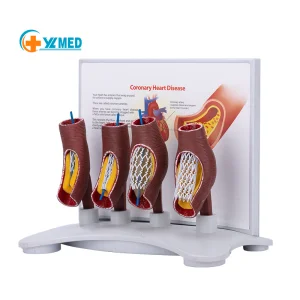
ODM Medical science vascular stent model Human vascular model Medical human teaching pathological vascular anatomy model Factory, Factories
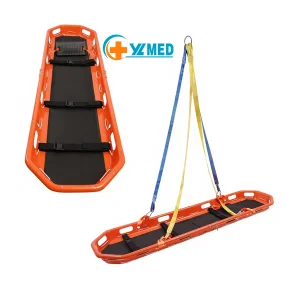
China High Strength ABS Rescue Basket Stretcher Class III 600Lbs Capacity Detachable Helicopter Lifting Rope Handles Air Sea Mountain Factory, Quotes
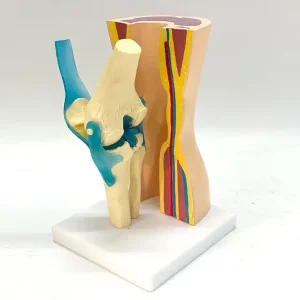
ODM Medial Science Human Skeleton Model Knee Joint Ligament with Anatomy Half Leg Model Manufacturers, Pricelist
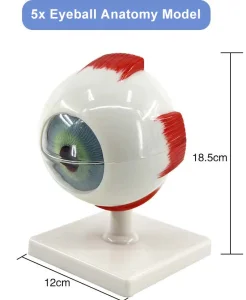
ODM Medical Science Human Anatomical Simulation Eyeball Structural eye anatomical model 3 times larger 6 part eye anatomy model Manufacturer, Factories
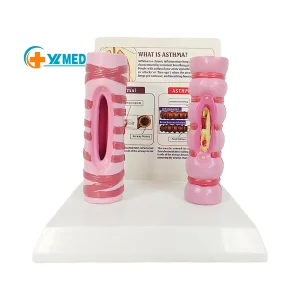
ODM Medical Science Teaching Model PVC Normal VS Asthmatic Trachea Comparison Model for Respiratory Education Manufacturers, Quotes