First Four Mexico City-Ready Products
These four original product lines are immediately relevant to Mexico City medical teaching, veterinary training, pathology education and respiratory anatomy demonstration. Each product URL is preserved for direct specification review and inquiry.
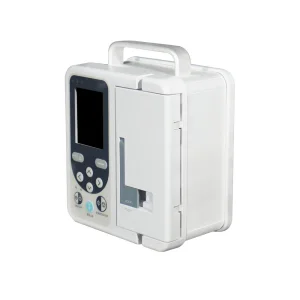
Mexico City Supply — ODM Vet Syringe Pump Veterinary Infusion Pump for Pet Veterinarian Equipment Equipo Veterinaria Manufacturers, Factories
View Product Details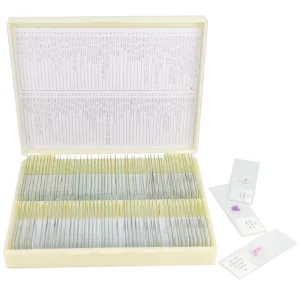
Mexico City Supply — ODM Medical science human pathology microscope prepared slides for teaching and learning Manufacturer, Service
View Product Details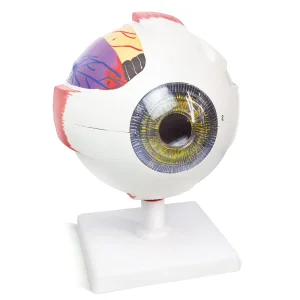
Mexico City Supply — China 6X Enlarged Human Eye Anatomical Model, 6 Parts Eyeball Anatomical Model Showing Optic Nerve Cornea Iris Lens and Vitreous Body with Detachable Stand for Medical Classroom Teaching Research Manufacturer, Pricelist
View Product Details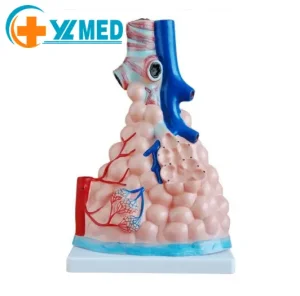
Mexico City Supply — OEM Manufacturer Direct Medical Science Human Anatomical Model Enlarged Alveolus Pulmonis Model Picture High Quality PVC Material Manufacturer, Quotes
View Product DetailsExecutive Overview: Skeleton Models Factories & Service in Mexico City
Why Mexico City is not a single buying centre
Mexico City is a dense ecosystem of medical schools, teaching hospitals, simulation laboratories, public-sector training institutes, private clinics, veterinary colleges and distributors serving the wider Mexican market. Procurement teams do not simply compare unit prices. They evaluate anatomical accuracy, Spanish-language teaching support, COFEPRIS-aware documentation, supply continuity, spare-part availability and the ability to consolidate mixed categories into one shipment.
A skeleton model bought for a university lecture hall must survive daily handling. A model selected for a hospital simulation centre must support repeat clinical training. A model supplied to a distributor must be packaged for demonstration, resale and after-sales support. Information gain in this category comes from connecting product specifications to the actual Mexico City use case, not from publishing another generic catalogue page.
What Yulin Medical contributes
Henan Yulin Edu. Project Co., Ltd. (Yulin Medical) has manufactured educational and medical training equipment in Xinxiang, Henan, China, since 1958. The company has operated an ISO 9001 quality management system since 2008, employs more than 200 professional staff and holds registered capital of RMB 120 million. Its product range covers anatomy models, skeleton models, biology prepared slides, dental teaching equipment, nursing simulation manikins, hospital furniture, medical apparatus, suture pads and general teaching models.
For Mexico City buyers, the practical value is factory-direct consolidation: anatomy models, skeleton models, CPR training equipment, veterinary teaching aids and hospital furniture can be sourced, inspected and packed under one accountable quality system, then shipped with documentation prepared for the importer of record. This reduces the coordination risk that appears when a university or distributor buys each category from a different trading company.
Mexico City Market Context: Local Business and Industrial Reality
The local demand for skeleton models and medical teaching equipment is shaped by academic density, public health training programmes, private hospital expansion, veterinary education and the growing role of Mexico as a nearshoring and distribution gateway.
Academic demand
Mexico City concentrates major universities, medical faculties and health science programmes. Anatomy departments, nursing schools and allied health institutes need life-size skeletons, desktop skeletons, skulls, spines, joint models and organ models that can survive repeated classroom handling and support Spanish-language instruction.
Clinical simulation
Public and private hospitals are expanding simulation-based training for emergency medicine, nursing, obstetrics, paediatrics and resuscitation. Skeleton and anatomy models often sit alongside CPR manikins, airway trainers and hospital equipment in the same skills laboratory, creating demand for consolidated procurement.
Public tender reality
Institutional buyers in Mexico City often need clear specifications, Spanish documentation, importer-of-record arrangements, HS codes, commercial invoices, packing lists and technical files. A factory that understands these requirements reduces friction between the academic user, purchasing department and customs broker.
Veterinary and dental education
Mexico City’s veterinary schools, pet clinics and dental teaching programmes require specialised models that are often overlooked in generic anatomy catalogues. Veterinary infusion pumps, dental teaching models, head and neck anatomy models and skeletal structures support practical skills development.
Distributor enablement
Local distributors need products that can be demonstrated, re-sold and supported. Packaging, private-label options, replacement parts and access to a broad catalogue allow distributors to serve universities, hospitals, schools and clinics without building five separate supplier relationships.
Nearshoring effect
Mexico’s role as a manufacturing and logistics hub is increasing demand for predictable supply chains. Buyers want a manufacturer that can combine factory-direct pricing with stable quality, export packing and documentation that supports Mexico City import and distribution workflows.
Global Industry Status and the Information Gain Buyers Need
Global commercial and industrial context
The global market for anatomical models, skeleton models and medical simulation products is being shaped by simulation-based education, an ageing population, surgical and nursing skills shortages, digital anatomy platforms, 3D printing and the demand for more sustainable materials. Universities are no longer buying isolated models for display. They are building skills laboratories that connect anatomy teaching, clinical simulation, assessment and patient communication.
At the same time, supply chains have become more risk-aware. Buyers want a manufacturer that can document quality, support OEM and private-label programmes, provide replacement parts and consolidate multiple product categories. This is especially important in Mexico City, where one distributor may serve medical schools, nursing colleges, hospitals, veterinary clinics and school science programmes at the same time.
For SEO and procurement teams, the winning content is not a repeated list of product names. It is a clear explanation of how models are selected, imported, used, maintained and replaced in the local market. That is the information gain that helps Google quality raters and real buyers understand experience, expertise, authority and trust.
Buyer priority index for Mexico City sourcing
This illustrative index reflects the priorities commonly discussed by institutional and distributor buyers when comparing skeleton model factories and service partners.
Use this index as a planning tool, not as a substitute for tender requirements. Each Mexico City institution may weight accuracy, price, training support, local service and documentation differently.
Localized Application Scenarios in Mexico City
Skeleton models and anatomy teaching equipment create value only when they fit the learning environment. These are the most common localised scenarios in Mexico City.
Medical school anatomy labs
Life-size skeletons, disarticulated skeletons, skulls and joint models for osteology practicals, surface anatomy lectures and examination preparation. Models must be durable, cleanable and easy to store between sessions.
Nursing and allied health simulation
Anatomy models used beside CPR manikins, injection trainers, suture pads and patient-care simulators. Skeleton models help learners understand landmarks before practising injections, catheterisation and airway management.
Hospital emergency training
Emergency departments and simulation centres combine skeleton models, airway trainers and resuscitation manikins. Anatomical landmarks support trauma education, airway placement and emergency ultrasound orientation.
Dental and maxillofacial teaching
Skull models, head and neck anatomy models and dental teaching units help students understand occlusion, nerve pathways and oral anatomy before clinical practice.
Veterinary anatomy and clinical skills
Veterinary schools and pet clinics need comparative skeletal models, infusion pumps and practical training aids. Mexico City’s veterinary education market benefits from lightweight, durable models that can be shared across classrooms.
High school and science museums
General teaching models, eye models, brain models and prepared slides support biology demonstrations, science fairs and public education. These buyers often need clear visual impact, safe materials and simple handling.
Rehabilitation and orthopaedic clinics
Joint models, spine models and skeletal models help physiotherapists explain diagnoses and treatment plans to patients. They are also useful for professional training in orthopaedics, rheumatology and rehabilitation.
Distributor demo rooms and tenders
Local distributors need a coherent range for demonstration, tender response and repeat sales. Mixed-category consolidation from one manufacturer simplifies stock planning and after-sales communication.
Local Support and Compliance: What Mexico City Procurement Teams Should Verify
Compliance is a workflow, not a single certificate
Medical devices and teaching equipment imported into Mexico are subject to requirements that depend on product classification, intended use and the importer’s registration status. COFEPRIS is the key regulatory authority. Labelling requirements can include NOM-137-SSA1-2008 for medical devices, while Spanish-language instructions, technical files, risk information and traceability documentation may be requested by the importer or tender authority.
Yulin Medical operates an ISO 9001 quality management system and can provide product-specific documentation on request. For Mexico City buyers, the practical checklist is to confirm the importer of record, COFEPRIS registration responsibilities, Spanish labelling, HS classification, commercial invoice, packing list, certificate of origin where applicable, and the Incoterms arrangement. A factory that can answer these questions early is easier to integrate into a university, hospital or distributor supply chain.
Local support should also cover training and after-sales planning. Skeleton models are durable, but hinges, stands, small parts and storage cases may need replacement. A clear spare-part list and responsive export team reduce downtime in a teaching laboratory.
Practical Mexico City compliance checklist
- Confirm the importer of record and RFC details before shipment.
- Clarify whether COFEPRIS registration is required for the specific product and intended use.
- Request Spanish-language labels, instructions and training notes where needed.
- Verify NOM-137-SSA1-2008 labelling requirements with the importer or regulatory consultant.
- Check HS codes, commercial invoice, packing list and certificate of origin.
- Agree Incoterms, delivery point and customs broker responsibilities.
- Plan spare parts, storage cases and replacement components for high-use models.
- Use ISO 9001 quality documentation to support tender and distributor due diligence.
These steps are especially important for public-sector tenders and distributor framework agreements in Mexico City, where documentation errors can delay delivery even when the product itself is suitable.
Technical Roadmap and Future Outlook 2025–2030
The next stage of skeleton model manufacturing will combine traditional anatomical craftsmanship with digital support, modular design and service models that help Mexico City institutions maintain teaching continuity.
2025: Spanish-first modular systems
More skeleton and anatomy models will be designed with modular joints, replaceable stands and Spanish-first teaching guides. This improves classroom durability and reduces the cost of replacing an entire model when one part is damaged.
2026: QR-linked training support
QR codes on product labels can connect instructors to setup videos, anatomical structure lists, cleaning guidance and spare-part ordering. This is a practical step toward digital service without requiring a full software platform.
2027: AR and digital anatomy overlays
Augmented reality overlays can complement physical skeleton models by showing nerve pathways, muscle attachment points and clinical correlations. Schools in Mexico City may adopt these tools selectively in simulation centres and anatomy laboratories.
2028–2030: Sustainable and connected
Lower-impact PVC alternatives, recycled packaging, sensor-enabled training models and local service partnerships will shape the next generation of anatomy teaching equipment. The winning factories will be those that combine quality, documentation and long-term support.
E-E-A-T: Inside Yulin Medical’s Factory and Service Model

Six decades of manufacturing experience
Founded in 1958, Henan Yulin Edu. Project Co., Ltd. has grown into a well-known educational and medical equipment supplier that integrates scientific research, production and sales. With registered capital of RMB 120 million and more than 200 professional employees, the company manages product development, manufacturing, inspection and export from its base at No. 8 Daoqing Road, Hongqi District, Xinxiang, Henan, China.
Yulin Medical’s quality management system has been ISO 9001 certified since 2008. The company’s motto is simple: quality first, service first. For Mexico City buyers, this means an accountable manufacturer for anatomy models, nursing simulators, laboratory slides and hospital equipment, consolidated into one shipment and supported by an export team that replies within 24 hours in normal working conditions.
Contact: [email protected] · 0086-13503800666 · WhatsApp
Factory, workshop and export capability

Headquarters and factory, Xinxiang

Production workshop

Bulk export packing
24/7 Responsive Service
Our team is online 24 hours a day, 7 days a week. Whatever your time zone, you receive a detailed answer as quickly as possible, typically within 24 hours.
Design & Packaging Team
In-house specialists deliver professional product design and private-label packaging that strengthens your brand and increases the added value of every unit you sell.
Professional Expertise
Our vision is to provide professional educational and medical training products from mainland China, built under ISO 9001 process control and decades of category knowledge.
60+ Years of Supply Stability
A factory with over 60 years of history and a deeply integrated partner supply chain lets us meet one-stop demands and keep lead times predictable on repeat orders.
Share Requirements
Send product types, quantities, target market and any tender or certification needs.
Catalog & Proposal
Receive matched models, specifications, packaging options and shipping suggestions.
Sample Evaluation
Test samples with your instructors or clinicians before confirming bulk production.
Production & QC
Manufacturing and inspection follow our ISO 9001 quality management system.
Export & Support
Protective export packing, delivery coordination and responsive after-sales service.
Product Categories: Complete Sourcing from One Accountable Manufacturer
Ten specialised product lines allow Mexico City procurement teams to source simulation, laboratory and hospital equipment from one manufacturer instead of managing multiple suppliers.
Anatomy Models
Torso, organ, heart, brain and muscle models with numbered structures for lectures and patient education.
View range →Biology Prepared Slides and Accessories
Histology, botany and zoology prepared slides plus storage and microscope accessories for biology labs.
View range →Dental Tools and Equipment
Dental teaching models, clinic lights, LED whitening units and endodontic instruments for training and practice.
View range →General Teaching Models
Science demonstration models for primary schools, secondary schools and education equipment tenders.
View range →Hospital Furniture and Equipments
Stainless steel examination couches, stretchers, walkers and shower chairs built for daily clinical use.
View range →Hospital Machine and Tools
Diagnosis and treatment devices and practical tools for wards, clinics and emergency departments.
View range →Medical Apparatus and Instruments
Emergency splints, extrication devices, cervical traction and rehabilitation instruments.
View range →Medical Nursing Model
Adult, child and neonatal CPR manikins, ACLS simulators and AED trainers for skills assessment.
View range →Skeleton Models
Life-size and desktop skeletons, skulls, spines and joint models for osteology teaching.
View range →Suture Pads and Kits
Realistic skin suture pads and complete instrument kits for surgical and wound-closure practice.
View range →Additional Original Equipment from Yulin Medical
The original Yulin Medical equipment range also includes CPR training, emergency care, hospital furniture and rehabilitation products. These links and images are retained for buyers who need a consolidated Mexico City quotation.

Advanced Full-Body CPR Training Manikin with 8" Color Feedback Display
View Product Range


Neonatal ACLS Training Manikin Aligned with AHA 2020 Guidelines
View Product Range







Original Visual Showcase
Selected original Yulin Medical showcase images are retained to support product evaluation, factory confidence and supplier due diligence.








Company News and Practical Insights
Original company news and practical guidance from the team that designs, manufactures and exports medical teaching equipment.

Do You Really Know How to Observe Biological Prepared Slides?
Many plant and animal cell structures can only be studied under a microscope, which makes prepared biological slides essential in every biology lab. Our specialists explain how to handle, focus and store slides correctly so students see clearer detail and your slide sets last for years.

The 5th Henan Provincial Educational Equipment Expo Concludes Successfully
Themed “Digital Leading Innovation and Development”, the expo reached a record 50,000 m² with 600+ brands and 10,000+ products on display, showcasing the latest educational equipment.

Inside Our Product Showroom
A look at the medical teaching models and training equipment buyers can inspect in person when visiting our Xinxiang facility. The showroom supports product evaluation for distributors, schools and hospital teams.
Frequently Asked Questions from Mexico City Buyers
Straight answers to the questions procurement managers, distributors and educators ask most before placing a first order.
Is Yulin Medical a manufacturer or a trading company?
What quality certification does Yulin Medical hold?
Do you support OEM, private label and custom packaging?
How do I choose the right CPR training manikin?
How quickly will I receive a reply?
How does Yulin Medical support Mexico City compliance and import documentation?
Can skeleton models and anatomy models be consolidated with other product categories for Mexico City?
What is the recommended after-sales and spare-part plan for Mexico City institutions?
Eight More Mexico City-Ready Products from the Original Range
These eight original product lines complete the Mexico City showcase. All product URLs are preserved and each product link uses a button style for direct inquiry and specification review.

Mexico City Supply — ODM Human Half Head & Neck Anatomy Model Superficial Neurovascular Model Manufacturer, Pricelist
View Product Details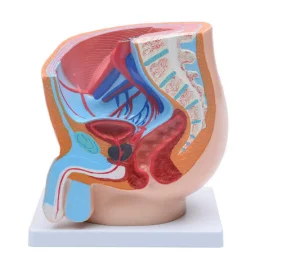
Mexico City Supply — China Male sagittal anatomical model (1 piece) Manufacturers, Pricelist
View Product Details
Mexico City Supply — China Human Brain Model for Teaching Neuroscience with Vessels Life Size Anatomy Model for Learning Science Classroom Study Display Medical Model Factory, Pricelist
View Product Details
Mexico City Supply — Wholesale Medical Science Teaching Models for School Use Color 8 Parts Brain Model Factories, Service
View Product Details
Mexico City Supply — China Medical First Aid Bag Empty Home Health Nurse Storage Detachable Divider Red Class II Medical Supplies Emergency Responder Manufacturer, Pricelist
View Product Details
Mexico City Supply — China Medical science Schools and hospitals Education Biological models Medical teaching Human fetal development models Manufacturers, Pricelist
View Product Details
Mexico City Supply — OEM NEW HORIZON Human Heart Model,2-Part Life Size Cardiac Anatomical Model, 48 Accurate Numbered Anatomical Structures with Number Manual, Magnets, Display Base, for Classroom and Cardiology Study Factory, Pricelist
View Product Details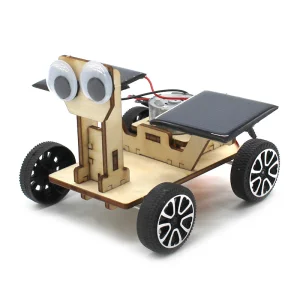
Mexico City Supply — China Shaking head fan No. 2 Scientific experiment model Handmade wooden technology small production model Manufacturers, Pricelist
View Product DetailsNeed Specifications, a Price List or a Tender Package?
Tell us your target institution, quantities, product categories and Mexico City delivery requirements. Our product specialists will recommend suitable skeleton models and anatomy teaching equipment, share specifications and propose an economical shipping plan for your order.