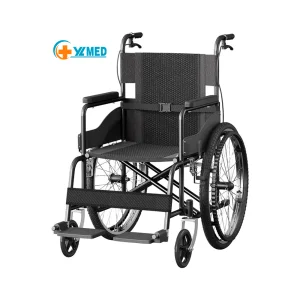
 UK quote ready
UK OEM supply · compliance support · factory since 1958
OEM Suture Pads and Kits Manufacturers & Quotes for United Kingdom
Factory-direct suture pads, layered skin kits, training instruments and mixed medical teaching equipment for NHS suppliers, universities, distributors and private clinical groups across the United Kingdom. ISO 9001 quality management, private-label packaging and documented export quotes.
London · Manchester · Birmingham · Glasgow support
ISO 9001 since 2008
OEM / private label
Featured OEM selections
First Four Original Product Selections for United Kingdom Buyers
These four factory listings are retained from the original product set and presented as UK quotation-ready options. Product titles remain anchored to their original URLs, while the inquiry route stays one click away.
UK quote ready
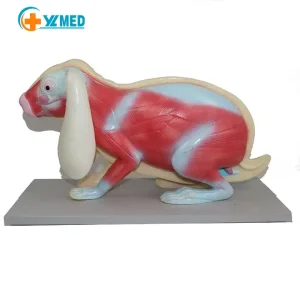 UK quote ready
Wholesale Medical anatomy teaching advanced PVC rabbit model Rabbit anatomical model Factories, Quotes
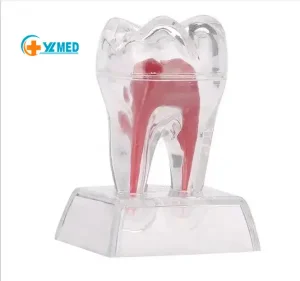 UK quote ready
OEM Tooth Dental Model for Student Practice Medical Science Anatomical Model Carton Box Standard Teeth Artificial Enlarged Natural Quotes, Service
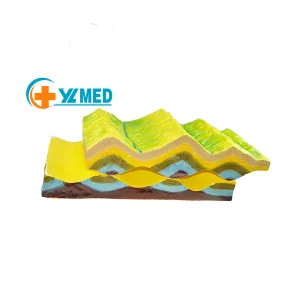 UK quote ready
China Teaching Resource School Geology Wooden Molecular Model Plate Structure and Surface Morphology Model Plate Tectonics Display Manufacturer, Service
UK market intelligence
Why the United Kingdom Is Rebalancing Toward OEM Suture Pads and Kits
The United Kingdom’s clinical education and healthcare procurement market is mature, but it is not static. NHS trusts, private hospital groups, medical schools, nursing colleges, dental academies, simulation centres and specialist distributors are all under pressure to deliver competency-based training with tighter budgets, stronger audit trails and faster replenishment. A suture pad is a small item in the catalogue, yet it sits at the centre of surgical skills, wound closure, emergency medicine, veterinary training and aesthetic practice. For that reason, UK buyers increasingly search not only for ready-made products, but for OEM suture pads and kits manufacturers who can combine realistic tissue feel, repeatable quality, English labelling, private-label packaging and a quote that survives internal procurement review.
This long-form guide is written for procurement teams, distributors, educators and clinical simulation managers who need more than a price list. It blends a factory view of suture pads, suture practice kits and mixed medical teaching equipment with the commercial realities of the United Kingdom: tender documentation, import logistics, regulatory evidence, after-sales expectations and the need to protect a brand in a competitive education market. It is not legal advice; medical device classification and UKCA, CE, UKNI or MHRA obligations must always be confirmed with your regulatory adviser, test laboratory or the Medicines and Healthcare products Regulatory Agency before a tender submission.
- Factory-direct OEM supply with private-label packaging for UK distributors and catalogue owners.
- Mixed-category consolidation: suture pads, anatomy models, CPR manikins, dental trainers, slides and hospital equipment.
- Documentation-ready quotations for UK buyers who need lot traceability, English instructions and clear Incoterms.

Headquarters and manufacturing base, Xinxiang, Henan — ISO 9001 quality management since 2008.
60+Years of manufacturing
200+Professional staff
10Product lines
24hTypical reply commitment
Product intelligence
What UK Buyers Mean by Suture Pads, Suture Kits and Training Fidelity
In the United Kingdom, the phrase “suture pad” can refer to a compact silicone practice pad, a multilayer simulated skin block, a replaceable wound-closure insert or a complete suture practice kit with instruments and thread. The purchasing decision is not simply about price per unit. Educators evaluate whether the pad accepts a needle with realistic resistance, holds tension without tearing too quickly, allows repeated incisions and closure, reproduces epidermal and dermal layers, and gives learners clear feedback on depth, spacing and knot security.
| Product tier | Typical construction | Best-fit UK use | Procurement notes |
|---|---|---|---|
| Entry practice pad | Single-layer silicone or foam with pre-cut wound | Introductory suturing workshops, first-year clinical skills, community first-aid courses | Low unit cost, high turnover, clear cleaning instructions, latex-free declaration |
| Standard layered pad | Epidermis, dermis and subcutaneous simulation with mesh reinforcement | Nursing, medical school OSCE stations, surgical foundation training | Check thickness, tear resistance, reusability, pack quantity and English labelling |
| Advanced kit | Multiple wound patterns, instruments, sutures, tray and instructions | Private surgical centres, dental academies, simulation suites, veterinary training | Specify instrument grade, needle type, thread size, kit contents and replacement components |
| Bespoke OEM programme | Custom skin tone, dimensions, wound geometry, logo, retail box and IFU | UK distributors, university-branded programmes, tender-specific packs | Provide artwork, target quantity, regulatory claims and delivery terms before quotation |
A strong UK quotation should separate the suture pad, the instrument kit, the packaging and any regulatory documentation. This avoids hidden cost later when a buyer needs English instructions, lot coding, GS1 barcodes, retail-ready cartons or a replacement-part programme.
Commercial landscape
United Kingdom Commercial and Industrial Context
UK demand is shaped by public accountability, clinical governance and the structure of healthcare education. NHS trusts and health boards often buy through frameworks, e-procurement portals or authorised distributors. Private hospital groups, independent surgical centres and specialist clinics may move faster but still expect evidence of quality. Universities and colleges combine capital equipment budgets with consumable budgets, which creates demand for repeat-order suture pads and replacement inserts. Distributors want private-label potential and a supplier who can consolidate multiple product categories into one shipment.
NHS and public-sector routes
Framework agreements, e-tenders and distributor listings reward suppliers who can provide clear specifications, stable lead times and document packs without last-minute gaps.
Private providers and clinics
Independent hospitals, dental groups and aesthetic clinics look for professional presentation, private-label packaging and responsive after-sales support.
Universities and colleges
Medical schools, nursing faculties and simulation centres need repeatable training outcomes, replacement pads and mixed orders that combine anatomy, CPR and suture products.
Distributors and brands
UK distributors need OEM control, consistent carton quality, HS codes, country-of-origin statements and a factory contact who understands tender deadlines.
Quality & training realism96%
Documentation & traceability92%
Lead time & replenishment90%
Landed cost & MOQ86%
Sustainability & packaging78%
Illustrative weighting used for discussion with buyers; each UK tender or institution will apply its own scoring model.
Compliance and localisation
Localized Support and Compliance Assurance for the United Kingdom
“UK-ready” is not a sticker on a carton. It is a set of decisions made before production: intended use, classification, labelling language, material declarations, packaging durability, lot coding and the evidence a buyer can file after delivery. Suture pads used purely for demonstration may sit outside the definition of a medical device, but the moment a supplier makes clinical or diagnostic claims, the regulatory position can change. UK buyers therefore need a manufacturer who understands the difference between a training aid and a regulated medical device, and who can provide honest documentation rather than generic certificates.
Regulatory positioning
Discuss UKCA, CE, UKNI or MHRA requirements where applicable. Confirm whether the product is a training aid or a medical device, and avoid unverified claims in catalogues, labels or tender responses.
English labelling
Use clear English instructions, UK spelling, symbols, batch number, shelf life, cleaning guidance, warnings and manufacturer identification. Retail packaging should match the claims made in the quote.
Material evidence
Request REACH and RoHS declarations where relevant, latex-free statements, material safety data, colourfastness information and skin-contact documentation for training pads.
Local support
A named export contact, sample evaluation before bulk production, DAP or FOB options, UK port coordination, replacement-part planning and a response commitment for after-sales questions.
| Document or control | Why UK buyers ask for it | How Yulin Medical supports the discussion |
|---|---|---|
| Intended-use statement | Clarifies training, demonstration or clinical use and supports tendering | Product-specific intended-use wording can be prepared for review with your regulatory adviser |
| ISO 9001 quality system | Shows process control, inspection discipline and traceability culture | ISO 9001 certified since 2008; audit and certificate discussions can be arranged |
| Batch and lot coding | Supports stock rotation, complaints analysis and training record keeping | Lot coding and production-date marking can be specified in the OEM agreement |
| English IFU and labels | Needed for end users, resellers and internal procurement review | Private-label and English packaging supported with artwork review |
| Material declarations | Used for latex, REACH, RoHS, phthalate and skin-contact questions | Declarations can be requested for the proposed material and product configuration |
| Packing and HS information | Needed for freight quotes, customs entries and landed-cost calculation | Carton dimensions, weights, HS code suggestions and origin information can be included in quotations |
Important: This page provides sourcing and content guidance, not legal advice. The UK regulatory framework continues to evolve. Always verify current UKCA, CE, UKNI, MHRA and customs requirements with a qualified specialist before placing a product on the UK market.
China supply chain
China Factory Supply Chain Advantage Is No Longer Only About Price
For UK buyers, China remains a deep and flexible manufacturing base for medical teaching models, training consumables and hospital equipment. The advantage is not only unit cost. It is the availability of silicone, PVC, engineering plastics, stainless steel, sewing, moulding, printing, packaging and manual assembly in a connected ecosystem. A factory with long export experience can absorb specification changes, consolidate mixed categories and maintain a repeatable quality standard across repeated orders.
Henan Yulin Edu. Project Co., Ltd. was founded in 1958 and operates from Xinxiang, Henan, China, with more than 200 professional staff and registered capital of RMB 120 million. Our quality management system has been ISO 9001 certified since 2008. Our motto is simple: quality first, service first. For UK buyers, this means a supplier who can discuss not only the suture pad itself, but also the carton, the instruction leaflet, the label, the instrument kit, the replacement insert and the mixed shipment.
Factory-direct sourcing should always be evaluated on total landed cost, not headline price. A lower unit price can disappear quickly if packaging fails, documentation is incomplete, replacement pads are inconsistent or the supplier cannot consolidate other products into the same container.


Global procurement demand
Mixed-Category Sourcing for Distributors, Universities and Hospitals
Global buyers increasingly consolidate purchases. A distributor in the United Kingdom may need suture pads for a surgical skills course, anatomy models for a university, CPR manikins for an NHS training suite, dental models for a private academy and hospital furniture for a clinic project. Managing five suppliers creates five shipping schedules, five documentation packs and five quality conversations. Yulin Medical’s multi-category structure reduces that friction while preserving the option to customise each line under OEM or private label.
01
Anatomy Models
Torso, organ, heart, brain and muscle models for lectures and patient education.
02Biology Prepared Slides and Accessories
Histology, botany and zoology prepared slides plus storage and microscope accessories.
03Dental Tools and Equipment
Dental teaching models, clinic lights, LED whitening units and endodontic instruments.
04General Teaching Models
Science demonstration models for primary, secondary and education equipment tenders.
05Hospital Furniture and Equipments
Stainless steel examination couches, stretchers, walkers and shower chairs.
06Hospital Machine and Tools
Diagnosis and treatment devices and practical tools for wards, clinics and emergency departments.
07Medical Apparatus and Instruments
Emergency splints, extrication devices, cervical traction and rehabilitation instruments.
08Medical Nursing Model
Adult, child and neonatal CPR manikins, ACLS simulators and AED trainers.
09Skeleton Models
Life-size and desktop skeletons, skulls, spines and joint models for osteology teaching.
10Suture Pads and Kits
Realistic skin suture pads and complete instrument kits for surgical and wound-closure practice.
OEM development
From Learning Objective to Shipping Carton: OEM Suture Kit Development
A successful OEM suture pad programme begins with the training objective, not the factory drawing. Will the pad be used for basic interrupted sutures, layered closure, deep tissue anchoring, cosmetic wound simulation or emergency wound packing? Will learners use it once or repeatedly? Does the course require pre-cut wounds, coloured tissue layers, mesh reinforcement, skin tones, suture thread sizes or a complete instrument kit? These questions determine material hardness, thickness, surface texture, tear resistance, packaging format and unit cost.
01
Share requirements
Send product types, quantities, target market and any tender or certification needs.
02
Catalog & proposal
Receive matched models, specifications, packaging options and shipping suggestions.
03
Sample evaluation
Test samples with your instructors or clinicians before confirming bulk production.
04
Production & QC
Manufacturing and inspection follow our ISO 9001 quality management system.
05
Export & support
Protective export packing, delivery coordination and responsive after-sales service.
Custom skin and layers
Choose silicone, PVC, foam or composite construction; specify thickness, colour, wound shape and layer visibility.
Kit configuration
Select needle holder, forceps, scissors, scalpel handle, sutures, tray and instructions for your course level.
Private-label packaging
Printed cartons, labels, English instructions, barcodes and master cases can be developed around your brand.
Mixed shipment
Combine suture products with anatomy, CPR, dental or hospital lines to reduce freight administration.
| Quote input | Why it matters for a UK quotation | Example detail to provide |
|---|---|---|
| Target quantity | Determines material, tooling, packaging and unit price | Sample quantity, pilot order, annual repeat volume and first bulk order |
| Product specification | Prevents mismatch between expectation and delivered training feel | Dimensions, layer count, wound pattern, colour, hardness, reusability target |
| Kit contents | Affects instrument sourcing, packing time and customs description | Needle holder type, scissors, forceps, suture materials, tray, gloves if required |
| Packaging | Protects product and supports retail or tender presentation | Poly bag, printed box, instruction leaflet, barcode, master carton strength |
| Delivery terms | Clarifies responsibility, freight cost and import planning | FOB, CIF, DAP, named UK port or warehouse, delivery deadline |
| Documentation | Reduces procurement risk and supports internal approval | ISO 9001, material declarations, lot coding, English labels, HS code suggestion |
Localized applications
Suture Training and Medical Teaching Scenarios Across the United Kingdom
Localization is not only about language. It is about matching the product to the way UK institutions teach, assess and procure. A London simulation centre may need high-throughput replacement pads and detailed records; a rural training hub may prioritise durable kits and compact storage; a dental academy may need fine instruments and tooth models; a veterinary college may need different tissue resistance and wound patterns.
Medical schools
OSCE stations, surgical societies, anatomy practicals and early clinical skills.
NHS skills labs
Standardised practice, infection-prevention routines and repeat-order consumables.
Private surgical centres
Wound-closure refreshers, audit-ready training records and branded kits.
Dental academies
Fine suturing, oral surgery simulation and coordinated dental teaching models.
Nursing and allied health
Wound care, minor surgery assistance and interprofessional simulation.
Veterinary training
Different tissue resistance, instrument handling and species-specific wound patterns.
Aesthetic and dermatology
Fine wound closure, scar simulation and client-communication practice.
Community and first response
Emergency wound care, remote-clinic readiness and refresher training.
Industry trends
Industry Trends Shaping Suture Pads and Medical Teaching Equipment, 2025–2030
UK buyers are moving toward products that are easier to audit, easier to restock and easier to integrate into competency-based education. The strongest suppliers will be those who can combine realistic simulation with reliable documentation and flexible packaging.
Competency-based simulation
Training is increasingly assessed against observable outcomes, increasing demand for repeatable pads and standardised kits.
Documentation-led purchasing
Buyers want lot codes, English instructions, material declarations and packaging details before approval.
Reusable and replaceable designs
Modular pads and replacement inserts reduce waste and lower the cost per training attempt.
Infection-prevention awareness
Cleanable surfaces, clear cleaning instructions and sensible packaging are increasingly part of the buying decision.
Local warehousing plus China supply
Distributors blend UK stockholding with factory replenishment to balance cash flow and lead time.
Sustainability pressure
Reduced plastic, recyclable cartons and right-sized packaging are becoming tender differentiators.
Quality assurance
Quality Assurance and Documentation Flow for Repeat UK Orders
A repeat-order programme depends on predictable quality. That means incoming material checks, in-process inspection, finished-product review, packaging verification and a clear route for feedback after delivery. The factory should be able to explain what happens when a batch is out of specification, how complaints are recorded and how replacement stock is handled.
01
Material review
Confirm silicone, PVC, mesh, thread, instruments and packaging against the approved sample.
02
In-process inspection
Check dimensions, hardness, layer alignment, wound shape and colour consistency.
03
Finished-product check
Review appearance, function, kit completeness and label information.
04
Packaging audit
Verify barcodes, English wording, lot code, carton strength and shipping marks.
05
Export release
Confirm quantity, packing list, shipping documents and after-sales contact.
Featured equipment
CPR, Emergency and Rehabilitation Equipment Requested by Training Centres
These original featured equipment selections demonstrate the breadth of the Yulin Medical catalogue for UK buyers who prefer to consolidate simulation, emergency and rehabilitation products with one supplier relationship.

Advanced Full-Body CPR Training Manikin with 8" Color Feedback Display
View Product
AED Automated External Defibrillator Trainer for CPR Courses
View Product
5-Year-Old Child ACLS Emergency Simulation Manikin
View Product
Neonatal ACLS Training Manikin Aligned with AHA 2020 Guidelines
View Product
Adjustable Rescue Scoop Stretcher with 3 Safety Straps
View Product
Portable Kendrick Extrication Device (KED) Body Splint
View Product
Non-Pneumatic Shock-Absorbing Emergency Splint & Tension Bandage
View Product
Stainless Steel Clinic Examination Bed & Patient Couch
View Product
Height-Adjustable Aluminum Folding Walker with Front Wheels
View Product
Foldable Shower Chair for Elderly and Home Care
View Product
Lightweight Aluminum Foldable Standard Walker
View Product
Inflatable Cervical Neck Traction Device for Home Use
View Product
Company credibility
A Six-Decade Manufacturer Trusted by Educators and Clinicians
Founded in 1958, Henan Yulin Edu. Project Co., Ltd. has grown into a well-known educational and medical equipment supplier that integrates scientific research, production and sales. With registered capital of RMB 120 million and more than 200 professional employees, we manage product development, manufacturing, inspection and export from our base at No. 8 Daoqing Road, Hongqi District, Xinxiang, Henan, China.
Our quality management system has been ISO 9001 certified since 2008. Our goal is to fully satisfy every customer through dependable quality and attentive service, while continuously developing the skills of our team so that each project is handled by experienced people. For overseas buyers, this means one accountable manufacturer for anatomy models, nursing simulators, lab slides, suture kits and hospital equipment, consolidated into a single shipment and backed by a documented quality system.
24/7 responsive service
Our team is online 24 hours a day, 7 days a week. Whatever your time zone, you receive a detailed answer as quickly as possible — typically within 24 hours.
Design & packaging team
In-house specialists deliver professional product design and private-label packaging that strengthens your brand and increases the added value of every unit you sell.
Professional expertise
Our vision is to provide the most professional educational and medical training products from mainland China, built under ISO 9001 process control and decades of category knowledge.
60+ years of supply stability
A factory with over 60 years of history and a deeply integrated partner supply chain lets us meet one-stop demands and keep lead times predictable on repeat orders.
Export packing and consolidation for distributors, schools and hospitals.
1958Founded
2008ISO 9001 certified
¥120MRegistered capital
24hReply commitment
Insights and original media
News, Practical Guidance and Original Yulin Medical Media
Our specialists write practical guidance for educators and procurement teams. The original media set is retained below so buyers can review factory, product and exhibition visuals without losing the source imagery.

Do You Really Know How to Observe Biological Prepared Slides?
Many plant and animal cell structures can only be studied under a microscope, which makes prepared biological slides essential in every biology lab. Our specialists explain how to handle, focus and store slides correctly so students see clearer detail and slide sets last for years.

The 5th Henan Provincial Educational Equipment Expo Concludes Successfully
Themed “Digital Leading Innovation and Development”, the expo reached a record 50,000 m² with 600+ brands and 10,000+ products on display, showcasing the latest educational equipment.

Inside Our Product Showroom
A look at the medical teaching models and training equipment buyers can inspect in person when visiting our Xinxiang facility. Read more buyer guides, sourcing tips and product comparisons in our blog.
Visit Hot Blog








Buyer FAQ
Frequently Asked Questions from United Kingdom Importers
Straight answers to the questions procurement managers ask most before placing a first order for suture pads, kits or mixed medical teaching equipment.
Is Yulin Medical a manufacturer or a trading company?
We are a manufacturer. Henan Yulin Edu. Project Co., Ltd. was founded in 1958 and operates its own factory in Xinxiang, Henan, China, with more than 200 professional staff. For one-stop orders, we also coordinate a stable network of long-term partner factories.
What quality certification does Yulin Medical hold?
Our quality management system has been ISO 9001 certified since 2008. Product-specific documentation can be provided on request for tenders and import registration. Regulatory obligations depend on the intended use and product classification; we recommend confirming UK requirements with a qualified adviser.
Do you support OEM, private label and custom packaging?
Yes. Our in-house design team develops private-label packaging and product presentation for distributors to increase shelf appeal and resale value. Artwork, English instructions, barcodes, master cartons and product colour options can be discussed during quotation.
How do I choose the right CPR training manikin?
Match the manikin to the learner group (adult, child or neonatal), check that real-time feedback covers compression depth, rate and ventilation, confirm alignment with current AHA resuscitation guidelines, and decide whether AED training integration is required.
How quickly will I receive a reply?
Our export team is online 7 days a week and typically replies within 24 hours with catalogs, specifications and shipping options. For urgent UK tender deadlines, include the submission date and required documents in your inquiry.
Can you supply samples of suture pads and kits before a UK bulk order?
Yes. Sample evaluation is strongly recommended before bulk production. Provide the intended training level, wound pattern, pad size, instrument list, packaging expectation and any labelling requirements so the sample matches the proposed quotation.
Can our UK company use our own brand and packaging?
Private-label support is available. We can discuss printed boxes, labels, English instructions, product names, barcodes and master-carton markings. Buyers remain responsible for ensuring that claims, labels and regulatory statements are accurate for their market.
How are orders shipped to the United Kingdom?
Depending on order size and urgency, shipments can be arranged by express courier, air freight or sea freight to UK ports such as Felixstowe, Southampton, London Gateway or Manchester. Quotations can be prepared around FOB, CIF or DAP terms, with carton dimensions and weights supplied for freight planning.
What information should I include in an inquiry for a fast quotation?
Include product type, target quantity, material or dimensions, wound pattern, kit contents, packaging and branding needs, destination postcode or port, required delivery date, certification or documentation requests, and whether the product is intended for training or another use.
Can suture pads be combined with anatomy models, CPR manikins or dental products?
Yes. Mixed-category orders are a core part of our one-stop supply model. Combining suture products with anatomy, nursing, dental, laboratory or hospital furniture lines can reduce supplier administration, consolidate freight and simplify documentation.
Talk to our export team
Need Specifications, a Price List or a UK Tender Package? We Reply Within 24 Hours.
Tell us your target market, quantities and documentation requirements. Our product specialists will recommend suitable models, share detailed specifications and propose the most economical shipping plan for your order. For suture pads and kits, include your preferred pad size, wound pattern, kit contents and packaging direction.
Direct channels
 Yulin MedicalSince 1958
Henan Yulin Edu. Project Co., Ltd. — ISO 9001 certified manufacturer of medical teaching models, simulation manikins, suture pads and kits, dental teaching equipment and hospital equipment.
Quick Links
Products
Contact
For UK quotations, include quantities, documentation requirements, delivery port or postcode and your target tender date.
Original product set
Eight Additional Original Products for UK Quotation Requests
These remaining eight original products complete the source product set. Each product title, image and URL is retained, with a button-style product link and a direct inquiry route.
 UK quote ready
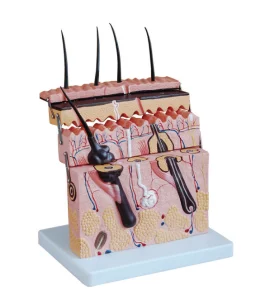
China Skin section model Factory, Quotes
 UK quote ready
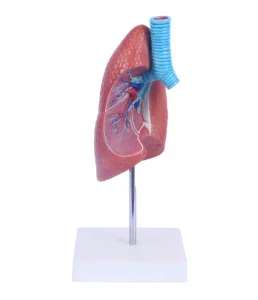
Wholesale One human lung anatomical model Manufacturers, Quotes
 UK quote ready
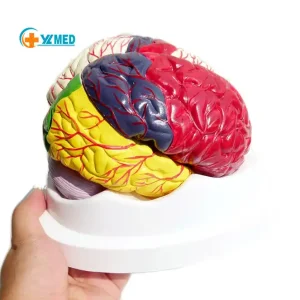
Wholesale Medical Science Teaching Models for School Use Color 8 Parts Brain Model Factories, Service
 UK quote ready
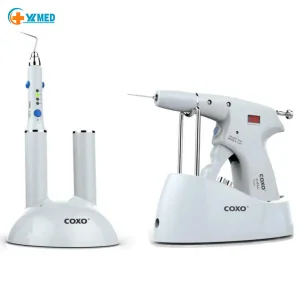
ODM Gum tip filling instrument dental clinic fused tooth filling system Gum tip cutter Gum tip filling device Factory, Service
 UK quote ready
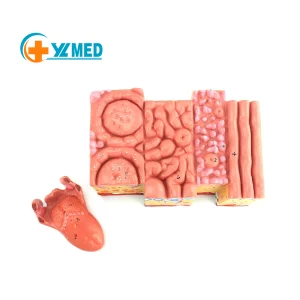
OEM Biological model teaching aids Human tongue anatomy model for medical science Factory, Service
 UK quote ready
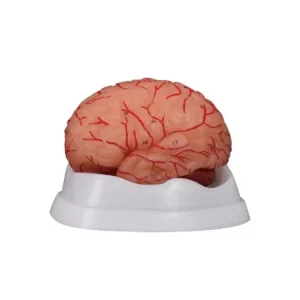
China There were 9 new brain anatomical models for teaching medicine Factories, Service
 UK quote ready
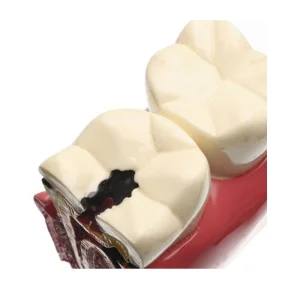
ODM The caries nursing model and the caries teaching research model were compared in the medical science teaching experiment Manufacturers, Quotes
 UK quote ready