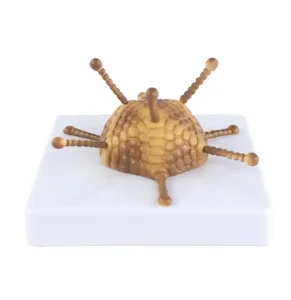
Four U.S.-Ready Products to Bundle with Suture Pad Programs
U.S. distributors increasingly consolidate mixed-category orders to reduce supplier management costs. These four original Yulin Medical product lines can be quoted alongside suture pads, kits, and other simulation products, with the original product URLs preserved for direct evaluation.
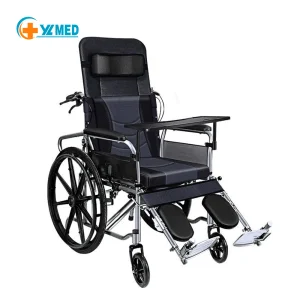
ODM Folding wheelchairs Portable paralysis recliner small wheelchairs semi-lying ordinary Manufacturers, Factory
View Product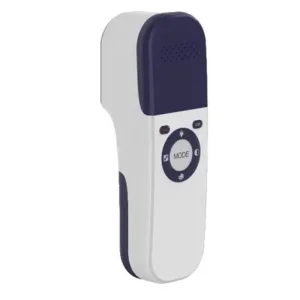
China Medical LED vein finder, vein illuminator equipment Manufacturer, Quotes
View Product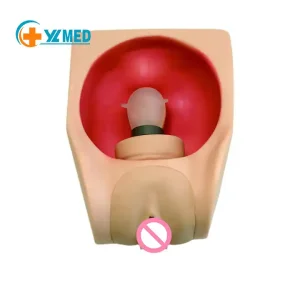
ODM Medical science teaching model general practitioner contraceptive practice simulator female intrauterine contraceptive model Manufacturer, Factories
View Product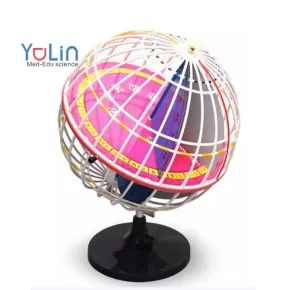
Wholesale Geography Teaching Aids Rotating 360 Globe Educational Products for Kids Globe Earth World Globe Longitude and Latitude Model Manufacturer, Factory
View ProductThe U.S. Search Intent Is Not “Cheapest Pad”; It Is “Repeatable Training Outcome”
Procurement teams searching for OEM suture pads and kits factories & service serving United States are usually comparing much more than a unit price. They are evaluating whether a factory can deliver repeatable skin feel, reliable restock batches, private-label packaging, U.S.-friendly documentation, and responsive service across time zones.
What U.S. buyers actually compare
Suture pads are consumable training tools. Nursing schools, surgical technology programs, medical schools, veterinary programs, EMS academies, and hospital skills labs use them for repeated practice. A low-cost pad that tears early, accepts sutures unrealistically, or changes color between batches creates hidden costs: instructor replacement time, student frustration, and inconsistent assessment.
That is why serious buyers request samples, check layered skin structure, test needle passage and suture hold, review packaging, and ask for batch traceability. Distributors also need retail-ready options for catalog sales, e-commerce, and university purchase orders. The winning factory is the one that turns a catalog item into a repeatable training outcome.
Information gain in this guide
- United States market context for simulation, surgical education, and distributor demand.
- Global procurement expectations for OEM suture pads, kits, and private label.
- Technical roadmap: multi-layer silicone, modular kits, sensorized training, and sustainable packaging.
- Localized compliance support, labeling cautions, and documentation requests.
- Practical RFQ checklist, factory evaluation criteria, and U.S. buyer FAQ.
Local Commercial and Industrial Demand for Suture Training Products
The U.S. market is shaped by healthcare education, accreditation, patient-safety culture, and distribution efficiency. Suture pads sit at the intersection of simulation consumables, surgical skills training, and institutional procurement.
Nursing and health science programs
Simulation hours and competency-based assessment continue to expand. Suture pads support deliberate practice before learners enter clinical environments.
Surgical technology and medical schools
Wound closure practice requires realistic tissue layers, consistent needle resistance, and repeatable knot-tying conditions for assessment.
Hospital simulation centers
Skills labs and residency programs need standardized kits, replacement pads, and easy reordering to keep courses running on schedule.
Distributors and e-commerce
Catalog sellers, Amazon FBA brands, and educational suppliers need private-label packaging, UPC barcodes, and repeatable supply.
How the United States buys training consumables
U.S. buyers often purchase through distributors, group purchasing organizations, university procurement systems, state contracts, and direct institutional purchase orders. Each channel has different requirements. A university may prioritize documentation and consistent specifications. An e-commerce brand may prioritize retail packaging, product photography, and fast replenishment. A hospital simulation center may prioritize kit standardization and the ability to reorder individual components.
Domestic manufacturing remains important for certain specialized medical devices, but labor-intensive silicone processing, hand finishing, kitting, and packaging often favor qualified overseas factory partners. The competitive advantage is no longer simply low cost; it is supply continuity, customization, and compliance support.
Regional considerations inside the U.S.
California buyers may request Proposition 65 documentation. Northeast universities may require detailed supplier onboarding, insurance certificates, and pre-shipment inspection. Midwest and Southeast distributors often want master-carton optimization and mixed-SKU consolidation. Hospital systems may request GS1 barcodes, lot coding, and standardized labels. A factory serving the United States should be able to discuss these requirements before quoting.
What Distributors Expect from OEM Suture Pad Factories
U.S. procurement teams are not alone. Buyers in Canada, Europe, the Middle East, Latin America, and Asia-Pacific use similar evaluation criteria: tactile realism, batch consistency, kitting discipline, regulatory-aware labeling, and dependable communication.
OEM and private label
Custom logo, pouch design, instruction sheets, retail boxes, master cartons, and product photography support for distributor brands.
Kit engineering
Instrument selection, suture sizes, needle holders, forceps, scissors, pad holders, replacement inserts, and packaging layout.
Quality documentation
ISO 9001 certificate, lot codes, inspection records, material declarations, and pre-shipment photo or video reports when requested.
Supply continuity
Forecast-based production, stable raw-material sourcing, and repeat-order control reduce stockouts for academic semesters and hospital courses.
Logistics consolidation
Mixed-category orders can combine suture pads, anatomy models, CPR manikins, hospital tools, and teaching aids in one shipment plan.
After-sales support
Replacement components, reorder support, packaging corrections, and clear escalation paths are part of professional factory service.
Future Outlook for Suture Pads, Kits, and Simulation Training
The next competitive frontier is not only material realism. It is how training products connect to curriculum, feedback, inventory systems, and sustainability expectations.
Material and design direction
High-fidelity suture pads typically require a layered structure that mimics epidermis, dermis, and subcutaneous tissue. Buyers evaluate needle penetration, suture glide, wound-edge separation, knot security, tear resistance, and color stability. Latex-free silicone and thermoplastic elastomer options allow factories to balance realism, durability, and cost.
Future pad designs are likely to emphasize modular wound inserts, replaceable skin layers, improved self-healing behavior, and color-coded anatomy for teaching. For distributors, modularity reduces SKU complexity while allowing schools to customize training scenarios.
Digital and smart-training roadmap
- QR-linked instruction videos and curriculum guides for instructors.
- Sensorized pads that can measure needle angle, depth, and suturing rhythm.
- AR overlays that show wound layers, suture spacing, and knot placement.
- Cloud dashboards for competency records in simulation centers.
- Recyclable or reduced-plastic packaging aligned with university sustainability goals.
Near term: material consistency
Standardize skin tone, layer thickness, needle resistance, packaging, and batch traceability for repeat U.S. orders.
Mid term: modular kits
Combine replaceable pads, instruments, suture variants, and QR-based training content into curriculum-ready kits.
Long term: smart feedback
Integrate low-cost sensing, AR guidance, and performance data to support objective skills assessment.
Supporting U.S. Importers Without Overstating Regulatory Claims
Training products require clear positioning. A supplier should support accurate labeling, documentation, and import coordination while avoiding claims that are not supported by the product’s intended use.
Labeling and regulatory positioning
Suture pads and kits intended solely for training and demonstration are generally positioned differently from medical devices intended for clinical use. U.S. buyers should confirm the intended use, label clearly as “training use only — not for human use” where appropriate, and avoid clinical claims unless the product has the necessary regulatory support. If a product is promoted for wound closure on patients, a different regulatory pathway may apply.
Import classification should be confirmed with a licensed U.S. customs broker. Depending on material, construction, and function, products may be evaluated under different HTSUS chapters. Suppliers should support country-of-origin marking, material declarations, and, when requested, Proposition 65 documentation for California channels.
Quality system and documentation
Henan Yulin Edu. Project Co., Ltd. has operated an ISO 9001 quality management system since 2008. For U.S. procurement, useful documents can include the ISO certificate, product specifications, lot or batch identification, inspection records, packaging artwork approval, and pre-shipment inspection reports. Product-specific documents should be requested during quotation because requirements vary by SKU and channel.
Localized support includes English instructions, private-label packaging, GS1/UPC barcode coordination, master-carton labels, palletization, and photo/video communication. These details matter when a distributor sells to schools, hospitals, or e-commerce customers.



Yulin Medical: A Six-Decade Manufacturer for U.S. Distributors and Institutions
Henan Yulin Edu. Project Co., Ltd. was founded in 1958 and has grown into an educational and medical equipment manufacturer integrating research, production, inspection, and export. With registered capital of RMB 120 million and more than 200 professional employees, the company manages product development and quality control from its Xinxiang base.
What one accountable factory means for U.S. buyers
Instead of coordinating separate suppliers for suture pads, anatomy models, CPR manikins, lab slides, and hospital equipment, distributors can consolidate multiple product lines through one point of contact. The company motto, “quality first, service first,” reflects a practical commitment to dependable production and attentive service.
Our goal is to fully satisfy every customer through reliable quality and responsive support while continuously developing the skills of our team so each project is handled by experienced people.
Factory and export contact
Henan Yulin Edu. Project Co., Ltd.
No. 8, Daoqing Road, Industry Park, Hongqi District, Xinxiang, Henan, China
Email: [email protected]
Phone: 0086-13503800666
Export team online 7 days a week, typically replying within 24 hours with catalogs, specifications, and shipping options.
Share requirements
Send product types, quantities, target market, packaging needs, and tender or documentation requirements.
Catalog and proposal
Receive matched models, specifications, packaging options, and shipping suggestions.
Sample evaluation
Test samples with instructors or clinicians before confirming bulk production.
Production and QC
Manufacturing and inspection follow the ISO 9001 quality management system.
Export and support
Protective export packing, delivery coordination, and responsive after-sales service.
What Can Be Customized in Suture Pads and Kits
An OEM program should begin with the training scenario, not with a catalog photo. The pad, suture, instrument, packaging, and instructions should work together as one teaching system.
Pad structure
Dimensions, thickness, layer count, skin tone, wound shape, mesh reinforcement, and replaceable insert design can be specified for different learner levels.
Wound patterns
Straight lacerations, curved wounds, junctional patterns, and custom teaching templates help instructors standardize assessment.
Kit contents
Needle holders, forceps, scissors, suture materials, needles, gauze, trays, and pad holders can be combined into practical training kits.
Packaging and labeling
Private label, retail boxes, pouches, instructions, UPC/GS1 barcodes, lot codes, and master-carton marking support U.S. distribution.
Training documentation
English instruction sheets, QR-linked videos, curriculum alignment notes, and product photography can improve adoption.
Scale and replenishment
Repeat-order planning, replacement components, and mixed-SKU shipments help distributors and simulation centers maintain stock.
What to include in an RFQ
- Intended learner group: nursing, surgical technology, medical school, veterinary, EMS, or hospital residency.
- Pad size, layer structure, skin tone, wound pattern, and required realism level.
- Suture sizes, needle types, instrument list, and whether the kit is single-use or reusable.
- Packaging format, barcode requirements, language, private-label artwork, and master-carton rules.
- Estimated annual quantity, first-order quantity, target market, and delivery schedule.
- Documentation needs: ISO certificate, material declaration, inspection report, or compliance support.
Practical caution for U.S. buyers
Do not assume that a training product is a medical device simply because it looks anatomical, and do not assume that it is exempt because it is called a trainer. Intended use, labeling, claims, and instructions determine the regulatory conversation. Buyers should align packaging language with their regulatory advisor and customs broker before placing a large order.
How to Evaluate OEM Suture Pad Factories Serving the United States
Use a structured scorecard instead of comparing only unit price. The lowest quote can become the most expensive option if samples fail, packaging is unusable, or reorders are delayed.
Sample realism
Test needle passage, suture hold, wound-edge behavior, and knot security with your own instructors.
Batch consistency
Compare color, hardness, thickness, and packaging across multiple production batches.
Kitting discipline
Confirm component counts, instrument quality, replacement logic, and packing workflow.
Labeling readiness
Review English instructions, “not for human use” language, barcodes, lot codes, and origin marking.
Documentation
Request ISO 9001 evidence, specifications, inspection records, and material declarations where relevant.
Communication
Measure response speed, technical clarity, artwork proofing, and willingness to solve problems.
Supply continuity
Ask how raw materials, molds, and repeat orders are managed across peak academic seasons.
Total landed cost
Include packaging, carton size, freight, duties, inspection, and replacement risk in the comparison.
Frequently Asked Questions from United States Buyers
Clear answers before a first sample request reduce quotation cycles and help procurement teams prepare internal approvals.
Are suture pads and kits regulated as medical devices in the United States?
Can pad shape, skin tone, wound type, and kit contents be customized?
What is the minimum order quantity and lead time?
Do you provide private-label packaging, UPC barcodes, and English instructions?
What documentation can support U.S. importers?
Can suture kits be combined with anatomy models and other teaching products?
How do you control quality and batch consistency?
Do you support samples and pre-shipment inspection?
What shipping terms and consolidation options are available?
How do we start an OEM suture pad or kit project?
Need Specifications, a U.S. Price List, or a Tender Package?
Tell us your target market, quantities, learner group, packaging requirements, and compliance questions. The team will recommend suitable models and coordinate a clear quotation.
Eight Additional Products for Mixed U.S. Orders
Combine these original Yulin Medical product lines with suture pads, kits, and simulation consumables to reduce supplier fragmentation. Each image and product URL is preserved for direct inquiry and evaluation.
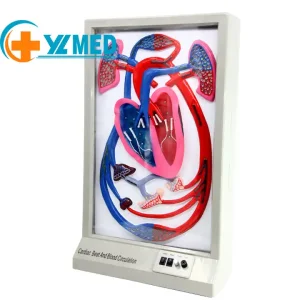
ODM Medical science teaching imported materials with clear structure, manual hydraulic blood circulation simulator Factory, Service
View Product
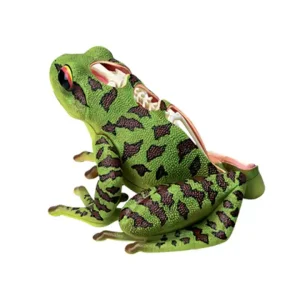
Wholesale Frog three-dimensional assembly toy animal anatomy frog structure primary and secondary school science education toy Factories, Pricelist
View Product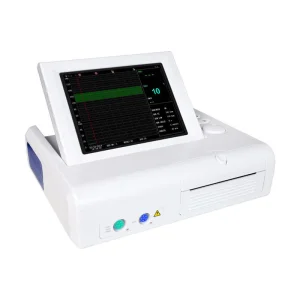
China aby Heart Fetal Monitor Price Hospital Pregnancy Doppler Fetal Monitor Manufacturers, Factory
View Product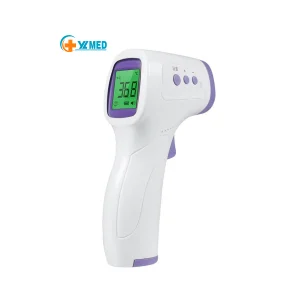
China Medical grade electronic temperature gun factory straight hair handheld electronic temperature measurement Factories, Service
View Product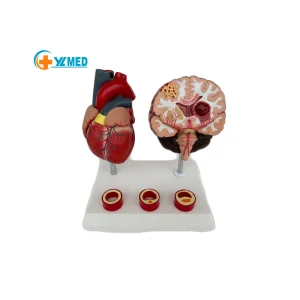
China Human Anatomy Heart Vessels and Brain Pathological Structure Cerebral Vascular Disease Model YL2-30082 Size 3 Non-Electric Manufacturer, Service
View Product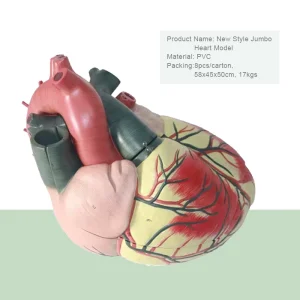
OEM Medical science Advanced Medical Supplies Human Teaching resources educational Heart Anatomical Model For Medical School Factories, Pricelist
View Product