
First Aid Training
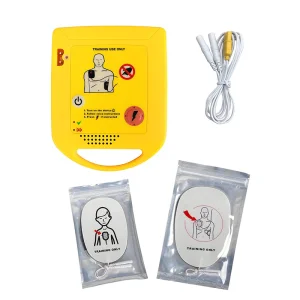
OEM Mini Beginner Training AED Trainer for Luxembourg First-Aid Courses
Original listing: OEM Mini beginner Training AED trainer Manufacturers, Factory
These first four items map to high-frequency Luxembourg procurement conversations: first-aid training, surgical lighting, vascular access and patient ward infrastructure. Product URLs and original catalogue titles are preserved for traceability, while titles are adapted for Luxembourg-focused search intent.
Original listing: OEM Mini beginner Training AED trainer Manufacturers, Factory
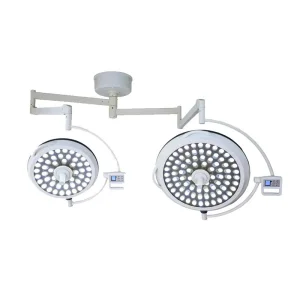
Original listing: China Hospital with double head LED shadowless lamp Factories, Quotes
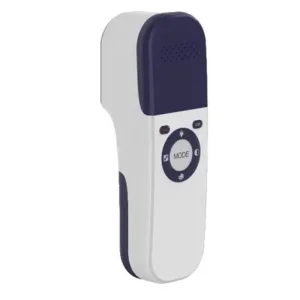
Original listing: China Medical LED vein finder, vein illuminator equipment Manufacturer, Quotes
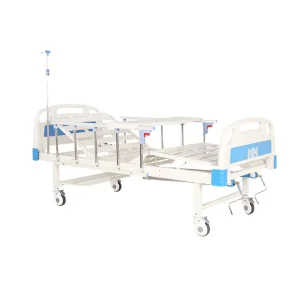
Original listing: Wholesale Hospital wards 5 Functional beds Patient medical beds Manufacturer, Quotes
Luxembourg is a small, affluent EU market with an unusually international healthcare workforce and patient base. For OEM medical apparatus suppliers, its value is not mass production—it is high-value distribution, clinical adoption, cross-border procurement and service reliability.
Luxembourg’s healthcare ecosystem is concentrated around major providers such as the Centre Hospitalier de Luxembourg (CHL), Hôpitaux Robert Schuman and the Centre Hospitalier Emile Mayrisch (CHEM), supported by private clinics, specialist practices, dental offices, rehabilitation services and community care providers. The country’s compact geography means purchasing teams can be exacting: they expect clear specifications, reliable delivery, multilingual documentation and fast answers when a product is needed for a ward, theatre, clinic or training room.
The local industrial base is shaped more by finance, logistics, ICT and professional services than by large-scale medical device manufacturing. That matters for buyers: Luxembourg-facing procurement often depends on importing well-documented apparatus from established manufacturers and integrating it into a European regulatory and service framework. The most relevant commercial opportunity is not simply a low unit price. It is a repeatable supply model that combines product consistency, EU MDR awareness, French/German/English communication and spare-part support.
Luxembourg’s cross-border character also changes product selection. Clinicians may train in one language, document in another and order through a distributor or group purchasing function. A supplier that can provide clear product labels, instructions, packaging variants and consistent specifications reduces friction for everyone in the chain. For OEM programmes, that means moving beyond a generic catalogue: the pricelist must be tied to intended use, quantity, accessories, documentation and service level.
Illustrative decision weights for Luxembourg-facing OEM procurement. This is a planning tool, not a statistical survey.
Information gain: the pricelist is only one output. The stronger buying signal is whether the supplier can explain regulatory responsibility, document boundaries and service logic in plain language.
The global market for medical apparatus and instruments is expanding, but the basis of competition has changed. Buyers still compare price, yet they increasingly award business to suppliers who can demonstrate documentation discipline, supply resilience and lifecycle support.
Europe’s medical device framework has raised expectations for technical documentation, clinical evidence, labelling, traceability and post-market surveillance. Even where a product is outside the strictest risk classes, buyers ask sharper questions about declarations, instructions and change control.
Hospitals and clinics expect apparatus to fit digital workflows: clear device identification, service records, compatible accessories and, where relevant, connectivity. For basic instruments, reliability, cleanability and repairability remain more important than novelty.
Across Europe, ageing populations and community-based care are increasing demand for beds, mobility aids, rehabilitation equipment and home-care products. Luxembourg’s cross-border workforce and home-care providers need equipment that is easy to instruct, clean and service.
Just-in-time purchasing has been supplemented by buffer stock, dual sourcing and supplier diversification. Luxembourg distributors and hospital buyers value predictable lead times, consolidated shipments and clear communication when a specification changes.
First-aid training, nursing education and clinical skills labs require AED trainers, teaching charts, diagnostic sets and simulation accessories. Demand grows where healthcare systems invest in workforce readiness and patient safety.
Recyclable packaging, durable materials, replaceable components and long service life are becoming part of procurement value. A low initial price can be expensive if spare parts, instructions or replacements are difficult to obtain.
The query combines a product category, an OEM request, a commercial document (pricelist), a service requirement and a geographic market. That is not a simple “buy now” search. It usually signals commercial investigation by a distributor, procurement officer, clinic owner or private-label brand.
Search engines and B2B buyers increasingly understand related entities: “medical apparatus,” “hospital instruments,” “OEM manufacturer,” “CE marking,” “EU MDR,” “Luxembourg distributor,” “Benelux supplier,” “spare parts,” “French German instructions” and “ISO 9001 factory.” A useful page must answer the intent behind those entities, not merely repeat them.
For Luxembourg, the strongest commercial intent usually appears in questions such as: Can you provide an OEM pricelist? What is the minimum order? Which products are CE marked and under what classification? Can you support French or German labelling? Do you offer spare parts? Can you consolidate mixed items into one shipment? What are the Incoterms and delivery options? A manufacturer that answers these questions clearly earns trust earlier in the buying journey.
Information gain matters because a generic product grid cannot guide a Luxembourg buyer through regulatory responsibility. The page should explain what can be quoted, what must be verified per SKU, and what information the buyer must provide before a realistic pricelist can be issued.
The right medical apparatus depends on the environment of use. A Luxembourg hospital theatre, a private dental clinic, a nursing school and a home-care provider may all buy “medical equipment,” but their evaluation criteria are different.
Double-head LED shadowless lamps, five-function patient beds and vein finders support surgical visibility, patient positioning and vascular access. Buyers evaluate hygiene, uptime, spare-part availability and compatibility with existing ward workflows.
AED trainers, trauma shears and vein illumination support training centres, occupational first-aid programmes and emergency preparedness. The emphasis is on realistic practice, durable materials and clear instructor guidance.
Anatomical wall charts, stethoscopes, AED trainers and diagnostic sets support teaching, demonstration and assessment. Schools value consistent quality across batches and packaging that protects frequent handling.
Adjustable dental stools, otoscope/ophthalmoscope sets, stethoscopes and LED lighting support compact clinical spaces. Private practices often prioritise fast delivery, clean design, simple maintenance and private-label options.
Foldable walkers, 3-in-1 stand-up assist walkers and adjustable beds address mobility, rehabilitation and home care. Luxembourg’s ageing population and cross-border care workers make instruction clarity and replacement-part access especially important.
LED eye chart light boxes, stethoscopes and diagnostic sets fit primary care, school health, occupational health and community screening. Buyers should verify language versions, power requirements and calibration or maintenance needs.
The future of medical apparatus is not only about adding software. It is about making products easier to verify, service and integrate into European procurement systems. For Luxembourg buyers, the roadmap should be practical and regulation-aware.
Standardised specification sheets, material declarations, artwork templates, multilingual labels and QR-linked manuals. The goal is to shorten tender review and reduce back-and-forth between distributor, importer and clinical user.
Replaceable components, tool-light maintenance, spare-part kits and mixed-container optimisation. Small-market buyers benefit when one shipment can cover multiple departments without excessive stock.
Feedback-enabled training devices, digital service logs and remote troubleshooting can improve training outcomes and after-sales efficiency. Any clinical claim must remain aligned with the product’s intended use and regulatory classification.
Material traceability, repairability, packaging reduction and lifecycle documentation are likely to become stronger procurement criteria. OEM suppliers that prepare data early will be easier to audit and easier to retain.
The measured outlook is this: AI and connectivity will improve training, service diagnostics and procurement analysis, but they will not replace the fundamentals of medical apparatus—safe materials, stable manufacturing, clear instructions, accurate labelling, spare parts and accountable after-sales service. Buyers should separate clinical evidence from marketing language and confirm regulatory status before placing a device on the EU market.
A Luxembourg-facing OEM programme works best when it is treated as a system rather than a one-off purchase. The macro solution combines product selection, regulatory documentation, multilingual communication, logistics and service into a repeatable procurement workflow.
Product selection, logo application, packaging design, manual templates and model naming. For distributors, this creates a locally owned brand while retaining factory traceability.
A single place to track specifications, declarations, labels, instructions, UDI data and change records. This reduces tender risk and supports the EU importer’s due diligence.
Beds, lamps, diagnostic sets, walkers and teaching products can be planned around one shipment or one order cycle. This lowers administrative burden for smaller EU markets such as Luxembourg.
English, French and German communication can be planned for packaging, quick-start guides and train-the-trainer materials, subject to regulatory and customer approval.
Recommended spare-part lists, warranty handling, response workflow and replacement planning help Luxembourg distributors keep commitments to end users.
Specification matching, packing lists, lead-time statements, Incoterms and document checklists can be prepared for hospital, school, distributor or private-label projects.
Trust is earned through evidence. Henan Yulin Edu. Project Co., Ltd. has manufactured educational and medical training equipment since 1958 and has operated an ISO 9001-certified quality management system since 2008. The company is based at No. 8, Daoqing Road, Industry Park, Hongqi District, Xinxiang, Henan, China, with more than 200 professional staff and registered capital of RMB 120 million.
Yulin Medical’s original positioning is straightforward: quality first, service first. That heritage supports experience and reliability, but it should not be confused with automatic market access. ISO 9001 is a quality management system standard. It is not the same as CE marking, and it does not by itself prove conformity with EU MDR 2017/745. For each medical device, the applicable classification, conformity assessment route, technical documentation, declaration of conformity, UDI, labelling, instructions for use and post-market obligations must be confirmed.
For Luxembourg and the wider EU, the importer and authorised representative roles matter. A distributor may also carry obligations depending on the activity performed. Responsible suppliers help by providing accurate product data, change notifications and document packages, but they should not encourage buyers to treat a generic certificate as a substitute for product-specific evidence.
This page is a B2B sourcing guide, not legal or regulatory advice. EU market access depends on the device, intended use, classification and economic operator roles. Ask for current, product-specific documents before tender submission or import.
For digital features, GDPR and cybersecurity expectations may also apply. For electrical apparatus, voltage, plug type, EMC and safety documentation should be checked. For furniture and rehabilitation aids, load limits, cleaning and stability requirements should be verified against the actual use environment.
Send Inquiry NowA credible pricelist is not a single PDF with one price per photo. It is a quotation framework shaped by specification, volume, OEM requirements, documentation, delivery terms and service. The more precisely a buyer defines those inputs, the faster a useful quotation can be issued.
Send the model or product URL, target quantity, intended use, required certification or documentation, language requirements, packaging preference, delivery city and required arrival date. For tender projects, include the specification clause and evaluation deadline. For OEM projects, include logo files, artwork status and whether the product label is regulated.
Share your product list, target quantities, regulatory requirements and delivery expectations. The Yulin Medical export team can recommend suitable models, clarify documentation boundaries, prepare an OEM proposal and coordinate a mixed-category shipment for Luxembourg.
These answers address the questions procurement teams usually ask before requesting an OEM medical apparatus pricelist or placing a first order for Luxembourg.
Yulin Medical is the export-facing identity of Henan Yulin Edu. Project Co., Ltd., a manufacturer founded in 1958 with its own factory in Xinxiang, Henan, China, and more than 200 professional staff. For one-stop orders, the company also coordinates a stable network of long-term partner factories.
The quality management system has been ISO 9001 certified since 2008. For EU market access, product-specific documentation must be verified for each SKU. ISO 9001 supports quality discipline but is not a substitute for CE marking or MDR conformity evidence.
Yes. OEM discussions can cover logo application, packaging, model naming, manual templates and product presentation. For regulated products, labels and instructions must be reviewed against the applicable EU requirements before artwork is approved.
Yes, but a useful pricelist needs specification and quantity context. Send the product URL or model, target quantity, intended use, documentation needs, packaging preference, delivery city and required date. The export team can then prepare a quotation framework rather than a generic price sheet.
English is the usual commercial working language. French and German support can be planned for packaging, quick-start guides and training materials where required, subject to regulatory review, customer approval and the product’s intended use. Luxembourgish may be relevant for some local communications but is usually not required for all technical documents.
Depending on the product, request the declaration of conformity, CE certificate where applicable, classification information, UDI details, instructions for use, labelling artwork, importer or authorised representative information, warranty terms and spare-part list. For electrical products, also check voltage, plug type, EMC and safety evidence.
Mixed-category consolidation is a practical advantage for smaller markets such as Luxembourg. Hospital beds, lamps, diagnostic sets, walkers, teaching charts and scissors can be planned around one order cycle where packing, documentation and transport conditions allow.
Service scope should be agreed per product and order. Typical discussions include warranty length, recommended spare parts, replacement components, technical clarification and response workflow. For long-term distribution, include service commitments in the purchase agreement rather than relying on informal assurances.
Buyers commonly request EXW, FOB, CIF or DAP depending on their freight forwarder and risk preference. For DAP Luxembourg, specify the delivery city, unloading conditions and appointment requirements. The quotation should clearly state Incoterms, packing, lead time and document responsibilities.
The export team is online seven days a week and typically replies within 24 hours with catalog information, specifications, clarification questions and shipping options. Complex tender or OEM requests may require additional review, but the first response should still identify the next steps.
The following eight products complete the original catalogue shortlist. Each card preserves the original product URL and original listing text, with Luxembourg-focused titles added for clarity in B2B search and procurement review.
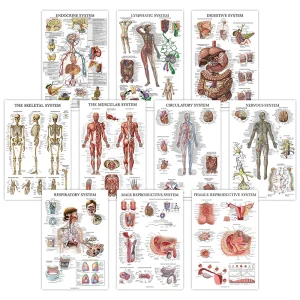
Original listing: OEM Anatomical medicine teaching wall chart set Manufacturers, Factories
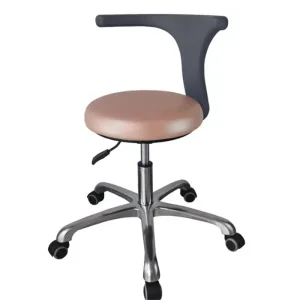
Original listing: Wholesale Medical Hospital Adjustable Dental Stool Assistant Dentist Doctor Chair Factory, Pricelist
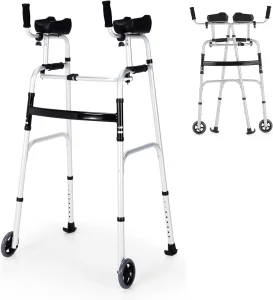
Original listing: OEM Foldable standard walker, lightweight aluminum alloy rehabilitation aid for the elderly, disabled, walking mobility aid Manufacturers, Service

Original listing: Wholesale Color stethoscope Medical family doctor double head stethoscope with large and small head listening heart sound function Factories, Quotes
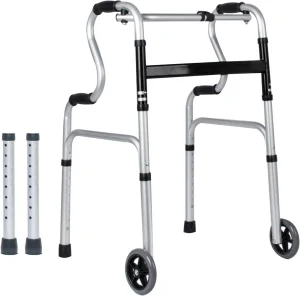
Original listing: Wholesale Medical Rehabilitation 3-in-1 stand-up assist folding Walker assists support narrow-lane walkers for seniors up to 440 pounds Manufacturer, Factory
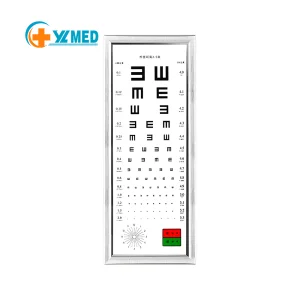
Original listing: Wholesale LED eye chart light box international standard kindergarten E-logarithm eye measure vision Manufacturers, Quotes
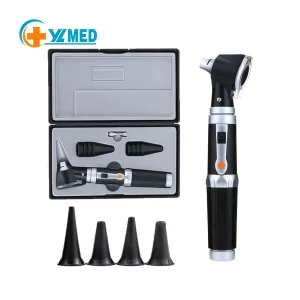
Original listing: China Black Electric Customized Logo Ce Instruments Otoscope Wholesale Price Double Screen Opt Machine Ophthalmoscope Prices 2 Years Manufacturers, Factory
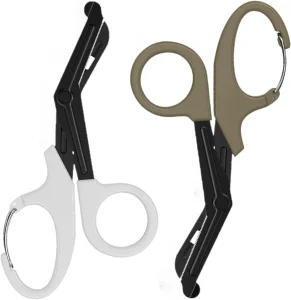
Original listing: China Trauma Shears Medical Scissors with Carabiner Nursing Bandage Scissors Stainless Steel Surgical Scissors for Nurses Doctors Manufacturers, Service