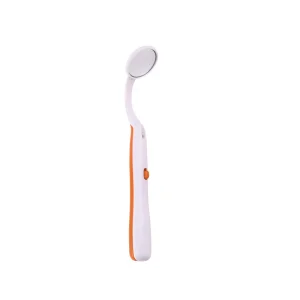
Uruguay OEM 01 · Surgical Lighting
A procurement-grade guide for Uruguayan distributors, private clinics, dental laboratories, hygiene schools and cosmetic dental studios. Compare factory-direct dental tools, LED lighting, whitening systems, dental models, mobile X-ray equipment and stainless instruments with Spanish-labeling readiness, 220V/50Hz planning and after-sales support.
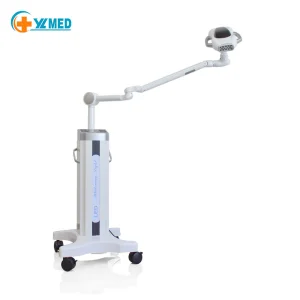
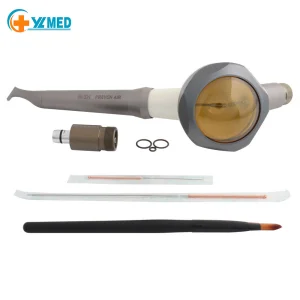
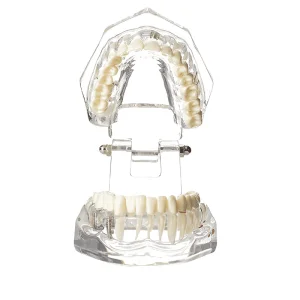
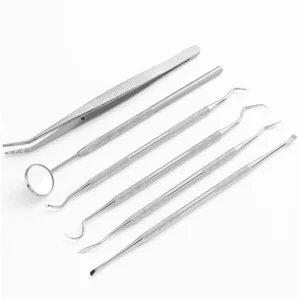
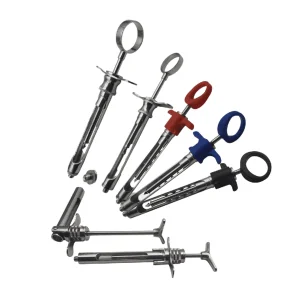
These four items are practical entry points for Uruguayan importers and clinic groups: surgical lighting, patient-education and implant models, stainless dental tools and aspirating syringes. Each product link opens the original product page so your team can request specifications, packing data and a Uruguay-specific quotation.
In Uruguay, a dental equipment quotation is read by clinic owners, accountants, service technicians and—when public health or institutional procurement is involved—by regulatory and tender reviewers. The lowest FOB price is rarely the lowest total cost. A serious OEM pricelist should show what happens after the container leaves China.
Yulin Medical supplies OEM dental tools and equipment from a manufacturing base founded in 1958, with an ISO 9001 quality management system certified since 2008. For Uruguayan buyers, that history matters only when it is converted into practical evidence: consistent batch inspection, Spanish labeling support, spare-parts planning, clear MOQ rules and responsive export communication. This whitepaper therefore focuses on the questions that determine real procurement value in Montevideo, Maldonado, Salto, Paysandú, Rivera and other Uruguayan markets.
Uruguayan importers need product descriptions, packaging data, voltage confirmation, serial-number control and Spanish documentation planning. A quote that ignores these items creates hidden costs at customs, installation or after-sales review.
Compare EXW, FOB and CIF Montevideo carefully. Freight, insurance, port charges, customs classification and inland delivery can change the ranking of two apparently similar offers, especially for LED lights, X-ray units and bulky dental models.
Private clinics cannot afford lighting or whitening downtime during peak appointment blocks. Distributors should request spare-parts lists, recommended consumables, warranty terms and remote troubleshooting support before confirming a low-price order.
Uruguay is a compact, highly urbanized and comparatively high-income market of roughly 3.4 million people. Its dental sector combines private clinics, public and insured health services, dental laboratories, hygiene training programmes and a growing aesthetic dentistry segment.
Montevideo concentrates most national distributors, private clinics, dental laboratories, teaching institutions and import service providers. Punta del Este and Maldonado add demand linked to aesthetic dentistry, international residents and tourism-related dental services. Interior cities such as Salto, Paysandú, Rivera, Tacuarembó and Colonia rely heavily on regional distributors, which means a supplier’s ability to consolidate products into one shipment and one documentation package can be more valuable than a narrow discount on a single SKU.
Higher-value dental equipment in Uruguay is predominantly imported. Local industry is stronger in distribution, clinical services, maintenance and adaptation than in manufacturing complex dental chairs, LED surgical lights, radiography systems or whitening units. Over time, Uruguayan buyers have become familiar with Chinese, Brazilian, Argentine, European and U.S. supply routes. Chinese OEM manufacturing is especially competitive in LED dental lighting, whitening instruments, dental models, stainless hand tools, aspirating syringes, sandblasting units and portable radiography equipment—but the winning supplier is the one that also supports Spanish labeling, spare parts and practical warranty administration.
Commercial behaviour in Uruguay is relationship-driven and quality-aware. A distributor may test a small mixed order, inspect sample finishing, compare packaging, and then scale after receiving positive feedback from clinicians. Private clinics usually prefer bundled purchases: a chair light plus surgical scope plus instruments plus whitening accessories. Dental hygiene schools prefer durable demonstration models with replaceable parts. Beauty salons and cosmetic dental studios focus on simple operation, visible results, low maintenance and safe electrical configuration. Public or institutional buyers may require clearer specifications, delivery schedules, training support and documentation before tender acceptance.
Local technical conditions matter. Uruguay uses 220V / 50Hz power and Type L plugs, so lighting, whitening, X-ray and sandblasting equipment should be quoted with the correct electrical configuration. Spanish-language manuals, labels and packaging text reduce adoption friction for clinics and distributors. Goods normally enter through Montevideo port or Carrasco International Airport; Mercosur tariff and customs classification should be checked for each HS code before final pricing. A professional OEM quotation therefore separates product price, packing, freight, insurance, import documentation and after-sales reserve rather than hiding them in one vague figure.
Demand is strongest for efficient LED lighting, aesthetic whitening equipment, patient-education models and reliable stainless instruments. Buyers value clean design, low-noise operation, simple controls and fast replacement of consumables.
Laboratories need sandblasting guns, mobile X-ray support, precision tools and robust work-surface equipment. Serviceability and spare nozzles, lamps or accessories often influence repeat orders more than initial price.
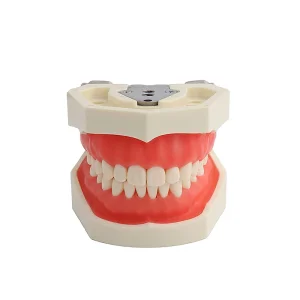
Detachable teeth models, brushing demonstration models and implant-bridge models support Spanish-language teaching. Institutions prefer durable paint, stable stands and replaceable parts for repeated classroom use.
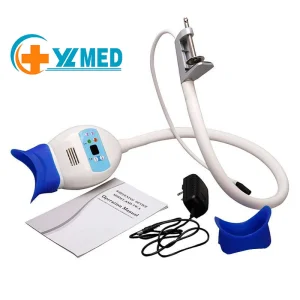
Cold-light whitening instruments and mobile column units are attractive where space is limited. Distributors should specify correct voltage, operating instructions and realistic maintenance intervals.
The global dental equipment market is being reshaped by digital workflows, aesthetic demand, infection-control expectations and the maturing of Chinese OEM supply. The opportunity for Uruguay is not simply cheaper hardware; it is better-designed modular equipment with documented support.
Across mature and emerging markets, dental practices are investing in three broad areas: visibility (LED surgical and chair lighting), diagnosis and treatment confidence (radiography, models and precision tools), and patient-facing aesthetics (whitening and demonstration models). At the same time, laboratories and clinics are under pressure to reduce equipment downtime, simplify training and control electricity and consumable costs. These pressures favour modular products that can be serviced locally and upgraded without replacing an entire system.
China’s OEM dental supply base has matured from basic copying to full product development, private-label packaging and export documentation. The most credible manufacturers now compete on inspection discipline, packaging quality, model consistency and communication speed rather than price alone. For a Uruguayan distributor, this means the supplier shortlist should be evaluated on process evidence: how are LED modules tested, how are stainless instruments finished, how are dental models packed to prevent breakage, and how are spare parts identified in the manual?
Digital dentistry—intraoral scanning, CAD/CAM, 3D printing and software-connected imaging—is expanding globally, but adoption in Uruguay will be uneven. Private aesthetic clinics and larger laboratories may move faster, while smaller interior-city practices will continue to need durable analog tools and cost-effective LED equipment. The winning OEM pricelist for Uruguay therefore needs two layers: advanced digital-ready products for early adopters and proven, serviceable essentials for the broader market.
Supply-chain volatility also matters. Ocean freight, insurance, currency movements and customs clearance can alter landed cost. Distributors that quote CIF Montevideo without considering inland delivery, import formalities or after-sales reserve may win a purchase order but lose margin later. A better practice is to quote a base product cost, a packing configuration, an estimated freight range and a clear list of documents and services included.
Use this procurement framework to compare suppliers line by line. It is especially useful for mixed orders that combine LED lights, whitening units, dental models, small instruments and radiography equipment.
| Quote Element | What It Means for Uruguay | Buyer Action |
|---|---|---|
| Incoterm | EXW, FOB and CIF Montevideo produce very different landed costs. Inland delivery, port expenses and insurance are often excluded. | Request a line-by-line cost breakdown and confirm who arranges insurance and customs documentation. |
| Regulatory Documentation | Uruguay’s MSP and import processes may require product information, certificates and Spanish labeling depending on the product category. | Ask what documentation is available for each SKU and whether the supplier supports registration or tender files. |
| Electrical Configuration | Uruguay uses 220V / 50Hz and Type L plugs. Lights, whitening units, X-ray and sandblasting equipment must be configured correctly. | Confirm voltage, plug type, fuse ratings and Spanish warning labels before production. |
| MOQ and Mixed Ordering | Small Uruguayan distributors often prefer mixed-category orders rather than full containers of one SKU. | Negotiate a mixed-order MOQ and confirm carton dimensions to avoid unused container space. |
| Spare Parts & Warranty | LED modules, control boards, handles, nozzles, lamps and accessories may need replacement during the product life cycle. | Request a recommended spare-parts kit and a written warranty procedure with photo/video troubleshooting. |
| Packaging & Labeling | Dental models and lights are vulnerable to breakage; private-label packaging supports distributor brand value. | Specify export carton strength, foam protection, Spanish labels and private-label artwork requirements. |
| Payment & Currency | USD quotations are common in international dental trade, but bank charges and payment timing affect margin. | Clarify deposit percentage, balance trigger, bank fees and whether documents are released against payment. |
| Lead Time & After-Sales | Production time, inspection time and shipping schedules should be separated. After-sales response speed matters after installation. | Request a production calendar and a named export contact for technical follow-up. |
A product becomes valuable only when it fits a real workflow. The following scenarios show how Uruguayan buyers can combine the original product range into practical clinic, laboratory, school and mobile-service packages.
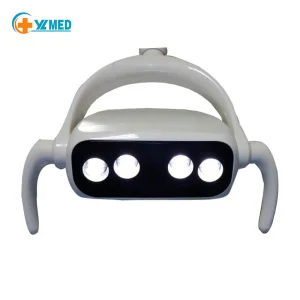
Combine the LED dental surgery scope, LED induction chair light, aspirating syringe and six-piece metal dental tool set. This creates a coherent treatment-room package for Montevideo clinics that want consistent lighting and instrument quality from one supplier.
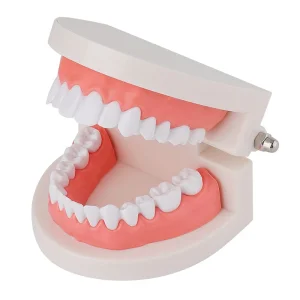
Use the transparent diseased-teeth implant bridge model and the 28-detachable-teeth model to explain treatment options in Spanish. Clinics can increase case acceptance by making implant and hygiene discussions more visual.
Supply standard tooth-brushing demonstration models and detachable-teeth models for hygienist training. Durable paint, clear numbering and replaceable parts are important for repeated classroom demonstrations.
The high-temperature sterilizable sandblasting gun and stainless dental tools support laboratory cleaning and preparation workflows. Distributors should bundle spare nozzles, tips and maintenance instructions for local laboratories.
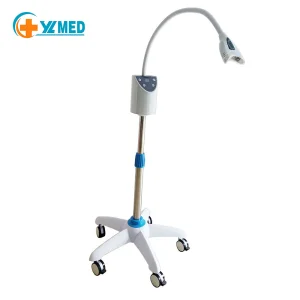
Cold-light whitening instruments, the LED blue-card table clamp unit and the mobile column whitening unit serve beauty salons and cosmetic dental studios. Buyers should confirm room layout, voltage and operator training before ordering.
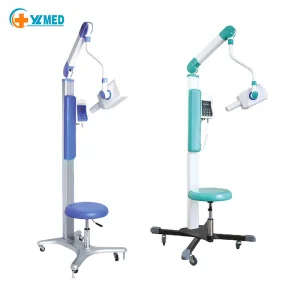
Portable and mobile options such as the dental mobile X-ray machine and column whitening unit can support outreach clinics and temporary service programmes. Packing quality and transport protection are critical in mobile environments.
The next five years will reward suppliers who can combine reliable hardware with documentation, modular service and local distributor enablement. The roadmap below is a planning tool for Uruguayan importers and clinic groups.
Spanish labels, correct 220V/50Hz configurations, export carton protection and product-specific documentation become baseline expectations rather than premium services.
Distributors move from single-item selling to treatment-room bundles that combine lighting, instruments, models and whitening accessories under one service plan.
Mobile X-ray and compact diagnostic equipment create new opportunities for outreach services and smaller clinics, provided image quality and servicing are documented.
LED control, lower power consumption and improved user interfaces help cosmetic studios deliver repeatable protocols while controlling electricity and maintenance costs.
Suppliers that provide clear fault codes, video-guided troubleshooting and spare-parts catalogues will reduce downtime and strengthen distributor loyalty.
Replaceable modules, durable accessories and structured operator training become differentiators as buyers focus on total life-cycle cost rather than purchase price alone.
A macro solution is more than a catalogue. It aligns product selection, documentation, packaging, shipping and after-sales into a repeatable programme that supports Uruguayan distributors and clinic groups.
Select a focused dental range for Uruguay: LED surgery scope, chair light, whitening units, dental models, aspirating syringes, metal tools, mobile X-ray and sandblasting equipment. Reduce complexity while keeping a complete clinical story.
Apply distributor branding to selected products, packaging and manuals. Spanish-language labels and instructions improve clinic adoption and support tender or import documentation review.
Optimise carton dimensions, mixed-order MOQ, freight consolidation and spare-parts inclusion. A well-designed container plan can reduce damage and avoid unused space.
Provide operation guides, maintenance intervals and troubleshooting videos that distributors can translate or adapt for Uruguayan clinics, laboratories and schools.
Plan a small local spare-parts reserve for high-turnover items such as LED modules, handles, nozzles and lamps. This reduces waiting time and protects distributor reputation.
For institutional buyers, prepare product specification sheets, packing lists, certificates available for the project, delivery schedules and training documentation in a single file set.
Experience, expertise, authoritativeness and trust should be visible in the supplier’s history, quality system and communication process—not only in marketing claims.
 Henan Yulin Edu. Project Co., Ltd.
Founded in 1958, Henan Yulin Edu. Project Co., Ltd. has developed into a well-known educational and medical equipment manufacturer integrating scientific research, production and sales. The company is based at No. 8 Daoqing Road, Industry Park, Hongqi District, Xinxiang, Henan, China, with registered capital of RMB 120 million and more than 200 professional employees.
Our quality management system has been ISO 9001 certified since 2008. For dental buyers, this supports a process-oriented approach to production, inspection, packing and export coordination. The company operates across ten product lines, including dental tools and equipment, medical teaching models, nursing simulation, hospital furniture and instruments, which allows distributors to consolidate mixed orders with one accountable supplier.



Dental buyers can consolidate adjacent categories for clinics, schools, laboratories and hospital projects.
These answers help distributors, clinics and institutions prepare a more accurate inquiry and compare quotations on equal terms.
Send your target products, quantities, clinic or distributor profile and preferred Incoterm. The export team will recommend suitable OEM configurations, packaging options and shipping arrangements for Uruguay.
The second product block covers demonstration models, LED chair lighting, cold-light whitening systems, mobile radiography, sandblasting and mobile column whitening equipment. These items allow Uruguayan distributors to build a broader dental catalogue while keeping one supplier contact and one export documentation flow.