Four OEM dental products to start a London procurement conversation
London dental procurement is not a generic import decision. A West End private practice may prioritise discreet, high-output chair lighting; an NHS community clinic may need robust aspirating syringes and traceable decontamination; a dental hygiene school needs anatomically accurate models that survive daily handling. These four products are a practical starting point for London buyers who want OEM/ODM flexibility without losing documentation, spare-parts planning or after-sales accountability. Each card preserves the original product image and source URL.
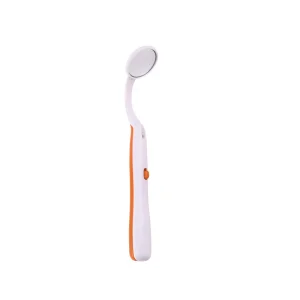
Hospital LED Dental Surgery Scope for London Oral Surgery Teams
Original range: China Hospital LED dental surgery scope Manufacturers, Factory
View product details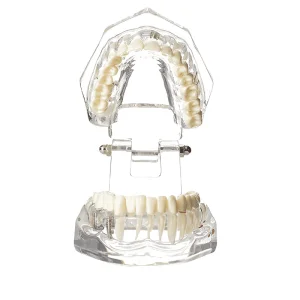
Transparent Disease Teeth & Implant Bridge Model for London Dental Hygiene Training
Original range: China Ultrassist Transparent Disease Teeth with Dental Implant Bridge Dental Model Manufacturer, Service
View product details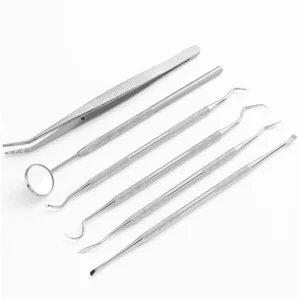
OEM 6-Piece Metal Dental Tool Set for London Practices and Distributors
Original range: OEM 6 pieces of metal dental tools Manufacturer, Manufacturers
View product details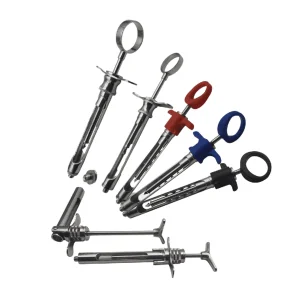
ODM Dental Aspirating Syringe for London Sedation and Surgical Kits
Original range: ODM Dental Anasesthesia syringe Dental Aspirating Syringe Factory, Quotes
View product detailsThe London dental market: a high-density, high-compliance buying environment
London is not one dental market. It is a dense network of NHS contract holders, private practices, corporate dental groups, specialist oral surgery centres, aesthetic dental clinics, dental laboratories, teaching hospitals and university dental schools—often operating within a few kilometres of one another but under very different procurement pressures.
Several demand clusters matter for OEM dental tools and equipment manufacturers serving London. The Harley Street and West End private-practice cluster emphasises patient experience, discreet equipment, premium finishes and rapid service. The King’s Cross and White City research and medtech corridor creates demand for teaching models, simulation equipment and well-documented devices. The south-bank teaching hospital cluster around Guy’s and St Thomas’ and King’s College London supports oral surgery, hygiene training and clinical simulation. Outer-London community dental networks serve highly diverse populations and often need durable, easy-to-clean, space-efficient equipment with predictable replenishment.
London’s commercial environment raises the cost of failure. Rents are high, many practices are located inside the Ultra Low Emission Zone, and storage space is limited. A failed chair light, whitening unit or mobile X-ray machine is not only a technical issue; it can interrupt appointments, reduce revenue and damage patient confidence. Dental decontamination is commonly planned around HTM 01-05 principles, CQC registration drives documentation discipline, and medical devices must be placed on the GB market with the correct UKCA/CE status and technical documentation. Buyers increasingly request English instructions, batch traceability, sterilization compatibility, spare-parts lists and response-time commitments—not simply a low unit price.
This creates a clear opportunity for manufacturers that can operate as a London-ready supply and service system, not just a container shipper. Smaller carton sizes, barcode labelling, kitting, phased deliveries and emergency replenishment matter in a city where clinics cannot accept large pallets during treatment hours. Distributors also need suppliers who understand that London buyers compare total cost of ownership across a five-year clinic cycle: purchase price, consumables, downtime, engineer time, customs friction and spare-parts availability all count.
- Private and NHS practices need compact, quiet and easy-clean equipment with fast service support.
- Dental schools and teaching hospitals need anatomically credible models, durable materials and replacement components.
- Aesthetic and whitening clinics need consistent light output, patient comfort and private-label presentation.
- Dental laboratories need sterilization-compatible tools, abrasion resistance and reliable consumable supply.
- London distributors need consolidated shipments, English documentation and local service coordination.
Global direction and practical macro solutions for London buyers
Globally, dental equipment is moving along five intersecting tracks: digital diagnostics, LED-based treatment and whitening, infection-prevention engineering, portable and mobile care, and simulation-led education. The supply chain has also matured: OEM and ODM manufacturers can now support modular design, private-label packaging, documentation packages, spare-parts planning and mixed-category consolidation.
For London distributors, this changes the sourcing question from “Who has the cheapest product?” to “Who can reduce total cost of ownership across a clinic’s operating cycle?” The strongest macro solution is category consolidation. Instead of buying chair lights from one supplier, aspirating syringes from another, whitening units from a third and teaching models from a fourth, a London distributor can build a single documented dental kit: surgery scope and chair lighting, metal instruments, anaesthesia syringes, hygiene and demonstration models, mobile X-ray, sandblasting and cleaning equipment, and cold-light whitening systems. Consolidation reduces supplier audits, simplifies customs documentation, improves spare-parts availability and strengthens freight and payment terms.
The second macro solution is localisation before export. This includes 230V/50Hz electrical configurations, UK plug and fuse options where required, English IFU and labels, private-label packaging, barcode and QR traceability, and carton designs that suit London storage and last-mile delivery. The third is lifecycle service: consumables, wear parts, preventive maintenance, calibration support, engineer training and remote troubleshooting. In a high-cost city, a product that cannot be serviced quickly becomes a liability, regardless of its purchase price.
Consolidated dental kits
Combine instruments, lights, models, syringes and whitening equipment into one export-ready programme with one accountable supplier contact.
Documentation-led supply
English IFU, labels, batch traceability, declarations and product-specific evidence requested for London tender and distributor review.
Private-label localisation
London-facing packaging, product presentation and distributor branding that increase shelf appeal without losing original product traceability.
Lifecycle aftercare
Spare-parts kits, consumable lists, preventive-maintenance intervals and remote diagnostics that protect clinic schedules.
A 4A procurement model for London dental buyers
Assess the clinical setting and patient pathway; Align the product, accessories and documentation; Assure compliance, traceability and inspection readiness; Aftercare through spare parts, training and response commitments. This model maps directly to how London practices are inspected, operated and paid, and it is more useful than a single price comparison.
Compliance assurance and London service support
Compliance is a design input, not a paperwork task at the end. For London procurement teams, the first question should be: what is the intended use, and what classification and documentation follow from it? The UK medical device regime is governed by the MHRA and the UK Medical Devices Regulations, with UKCA marking and transitional arrangements for CE-marked devices.
The correct route depends on the device type, risk class, whether it is placed on the GB market and current guidance. This article is not legal advice; buyers should confirm the current position with their regulatory advisor and request product-specific documentation. A practical London support package should include English instructions for use; labels that match the agreed product and packaging; declarations and certificates valid for the target market; electrical safety and EMC evidence where applicable; cleaning, disinfection and sterilization instructions for reusable items; batch or serial numbers; spare-parts lists; and a clear complaints and vigilance process.
For electrical dental equipment such as chair lights, whitening units and mobile X-ray machines, 230V/50Hz operation and UK plug/fuse options are basic localisation requirements. For instruments such as aspirating syringes and metal dental tools, autoclave compatibility, material grade and surface finish are critical. Service localisation matters as much as regulatory localisation: a London distributor should not wait weeks for a minor spare part. The manufacturer should provide exploded diagrams, recommended spares kits, consumable lists, preventive-maintenance intervals and remote troubleshooting support.
Regulatory file check
Confirm intended use, risk classification, UKCA/CE status and current transitional position before purchase orders are released.
Inspection-ready labels
English IFU, clear product identification, batch/serial marking, storage conditions and packaging that supports decontamination workflows.
Electrical localisation
230V/50Hz configuration, UK plug and fuse options where the product design allows, plus electrical safety and EMC documentation where applicable.
Reusable instrument validation
Cleaning, disinfection and sterilization instructions, material compatibility and surface-finish considerations for dental instruments and models.
Lifecycle spares planning
Recommended spare-parts kits, consumables lists, preventive-maintenance intervals and escalation paths that reduce clinic downtime.
Import & customs readiness
HS codes, commercial invoices, packing lists, EORI/customs data alignment and consolidated shipments for London distributors.
London compliance checklist before order release
Intended use and risk classification confirmed · UKCA/CE status and transitional position verified · English IFU and labels approved · 230V/50Hz and UK plug/fuse configuration confirmed · cleaning and sterilization instructions validated for reusable items · batch traceability and vigilance route documented · spare parts, consumables and service intervals defined · import documents and distributor data aligned.
Where London dental tools and equipment create practical value
The same product can be a clinical workhorse in one London setting and a teaching or aesthetic tool in another. The table below converts product categories into realistic London application scenarios so that buyers can match specification to setting before comparing prices.
NHS & private dental practices
Compact chair lights, metal dental tools, aspirating syringes and LED surgery scopes support day-to-day treatment. London practices prioritise easy-clean surfaces, low noise, cross-infection control and a service route that does not disrupt appointment books.
Dental teaching & hygiene schools
Transparent implant models, brushing demonstration models and 28-detachable-teeth models give students repeatable anatomy for hygiene training, patient education and practical assessment. Durability and replacement parts matter in high-turnover teaching labs.
Aesthetic & whitening clinics
Cold-light whitening instruments, LED blue-card lamps and mobile column units support premium whitening services. London clinics value consistent light output, patient comfort, discreet design and private-label packaging that fits their brand.
Dental laboratories
Dental sandblasting guns, supragingival cleaning units and sterilization-compatible tools support model work and prosthesis finishing. Heat resistance, abrasion resistance and consumable availability are central purchasing criteria.
Community & mobile dentistry
Mobile dental X-ray machines and portable whitening units support domiciliary, community and outreach care. Lightweight cases, stable power requirements and ULEZ-compatible delivery planning are practical London considerations.
London distributors & service partners
Private-label programmes, kitting, spare-parts stock and engineer training help distributors serve London practices efficiently. Consolidated shipments and clear documentation reduce supplier audits and customs friction.
A practical 2025–2030 roadmap for London dental equipment
London buyers do not need futuristic claims; they need equipment that remains serviceable, documented and clinically useful as standards and patient expectations evolve. A phased roadmap is more credible than a single “smart device” promise.
Standardise and localise
Lock down 230V/50Hz configurations, UK plug options, English IFU, QR traceability, London-ready carton sizes, spare-parts kits and distributor training. This phase reduces import friction and builds a reliable service baseline.
Modular and connected
Adopt modular LED light engines, field-replaceable drivers, accessible diagnostic ports and digital service logs. For mobile X-ray, prioritise stable image acquisition, DICOM-ready workflows and cybersecurity documentation rather than unverified AI claims.
Predictive and sustainable
Move toward usage analytics, predictive maintenance, low-energy LED systems, recyclable packaging, material passports and local refurbishment loops. These features support London net-zero procurement goals and reduce long-term ownership cost.
The procurement implication is simple: specify modularity and data readiness now. A lower-cost sealed unit can become expensive if a driver fails and the entire unit must be replaced. Modular design, published service intervals and accessible spare parts reduce downtime and support circular-economy objectives. AI-assisted image interpretation should be treated cautiously; the equipment supplier’s role is to provide stable acquisition, interoperability and cybersecurity documentation, while clinical interpretation remains with regulated software and qualified clinicians.
Why London buyers work with Yulin Medical
Henan Yulin Edu. Project Co., Ltd. (Yulin Medical) has manufactured educational and medical equipment since 1958 and has held ISO 9001 certification since 2008. From Xinxiang, Henan, the company operates with more than 200 professional staff and registered capital of RMB 120 million.
 Yulin MedicalSince 1958 · ISO 9001
Its 10 product lines include dental tools and equipment, anatomy and skeleton models, nursing simulation, hospital furniture and medical instruments—useful for London distributors that want to consolidate dental and teaching categories into one shipment and one point of contact. The company motto, quality first, service first, is supported by factory-direct manufacturing, an in-house design and packaging team, and a stable partner network for one-stop orders.
For London, the value is not simply factory pricing. It is the ability to keep original product URLs, images and product identities traceable while adapting titles, packaging, English documentation and service planning to a London audience. Distributors can request mixed-category orders, private-label packaging, spare-parts planning and export documentation without losing the original product reference behind each SKU.
Need a London-ready quotation, specification sheet or tender pack?
Tell us your target setting, quantities, electrical requirements and documentation needs. Our export team will recommend suitable models and a practical shipping plan.
Share requirements
Send product types, quantities, target setting, London delivery constraints and any tender or certification needs.
Catalog & proposal
Receive matched models, specifications, packaging options and shipping suggestions for London.
Sample evaluation
Test samples with your clinicians, instructors or service engineers before confirming bulk production.
Production & QC
Manufacturing and inspection follow the ISO 9001 quality management system, with batch traceability where agreed.
Export & support
Protective export packing, delivery coordination, spare-parts planning and responsive after-sales communication.
Frequently asked questions from London dental buyers
These answers are written for London practices, dental groups, universities, laboratories and distributors evaluating OEM dental tools and equipment manufacturers with service capability.
Is Yulin Medical a manufacturer or a trading company?
Do you support OEM, ODM, private label and custom packaging for London distributors?
What documentation can you provide to support London procurement?
Are your dental electrical products available in 230V/50Hz UK plug configurations?
How do you support spare parts, service and maintenance for London customers?
Which products are suitable for London dental hygiene students and teaching hospitals?
How should a London clinic choose a dental chair light or whitening unit?
What are typical MOQ, lead times and shipping routes to London?
How do you protect product quality and batch traceability?
How quickly will I receive a reply?
Eight additional products for London clinics, laboratories and distributors
This final product grid preserves the original images and product URLs while presenting London-relevant applications. It covers hygiene education, chair lighting, whitening, mobile imaging, laboratory cleaning and portable clinic equipment—eight products that can be consolidated into a London distributor programme or a practice-group standardization project.
Build a London-ready dental kit with one inquiry
Share your target product mix, London delivery requirements and private-label needs. We will reply with specifications, product URLs, packaging options and a practical quotation route.
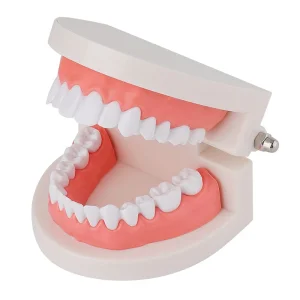
Standard Tooth Brushing Demonstration Model for London Oral Health Education
Original range: Wholesale Standard tooth brushing model Display demonstration tooth model Factories, Quotes
View product details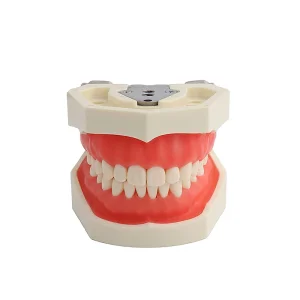
28-Detachable-Teeth Model for London Dental Hygiene Students
Original range: China Teeth Model with 28 Detachable Teeth for Dental Hygiene Students Pricelist, Service
View product details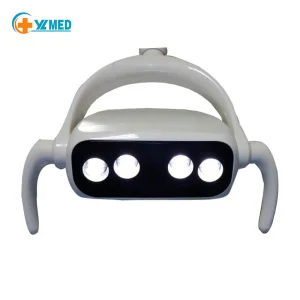
LED Dental Chair Induction Light for London Clinic Interiors
Original range: OEM Dental clinic light LED induction light Dental chair light Cold light Dental chair accessories Dental materials Manufacturers, Factory
View product details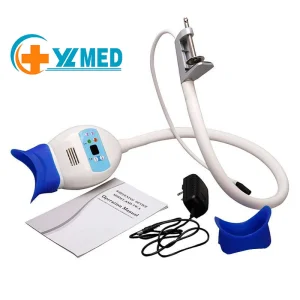
LED Blue-Card Whitening Lamp for London Aesthetic Dental Studios
Original range: China cold light whitening instrument LED blue card in the column clamp table whitening lamp cosmetic dental beauty instrument Manufacturer, Quotes
View product details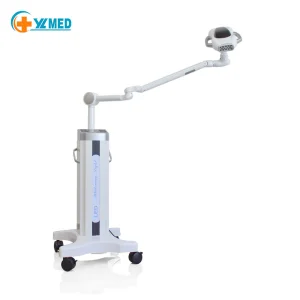
Cold-Light Tooth Whitening Instrument for London Dentistry & Beauty Salons
Original range: China Cold-light tooth whitening instrument for dentistry oral clinic beauty salon blue LED cold-light whitening instrument Manufacturer, Manufacturers
View product details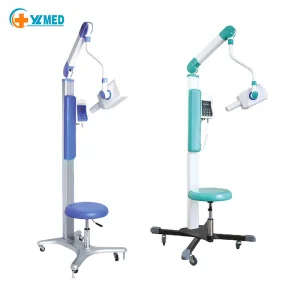
Mobile Dental X-Ray Machine for London Community & Domiciliary Care
Original range: ODM Dental mobile X-ray machine dental radiography machine dental equipment Magnolia officinalis vertical X-ray machine Manufacturers, Factories
View product details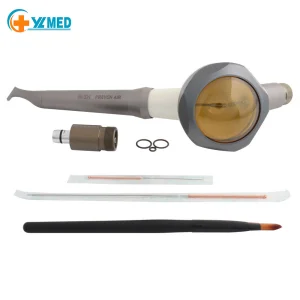
Sterilizable Dental Sandblasting Gun & Supragingival Cleaning Unit for London Labs
Original range: ODM Oral medical equipment can be sterilized at high temperature Dental sandblasting gun supragingival whitening cleaning machine Factory, Pricelist
View product details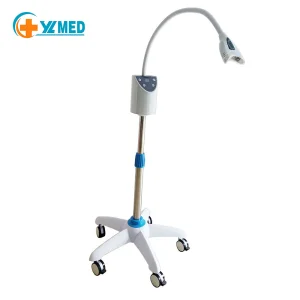
Mobile Column Cold-Light Whitening Instrument for London Clinics
Original range: Wholesale Dental cold light column mobile tooth whitening instrument monochromatic blue light dental cleaner clinic equipment Manufacturers, Service
View product details