ODM Suture Pads and Kits Manufacturer & Pricelist in the Seattle Market
ISO 9001 factory since 1958. Seattle-ready OEM/ODM programs, documented materials, port-smart logistics, and application support for surgical, nursing, veterinary, dental, and emergency training teams.
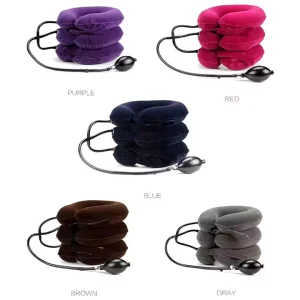
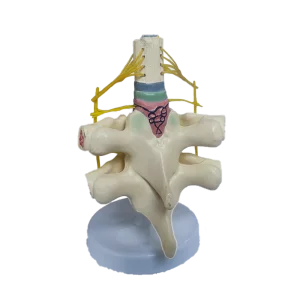
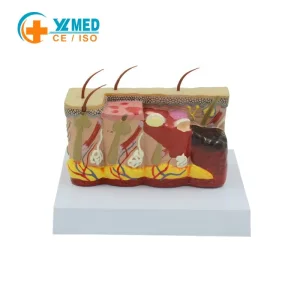
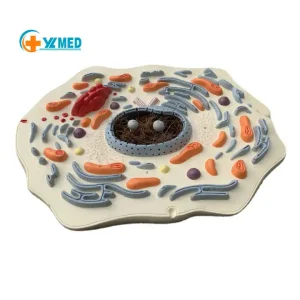
Seattle Product Spotlight: Four Original Yulin Medical Products for Suture-Lab Bundling
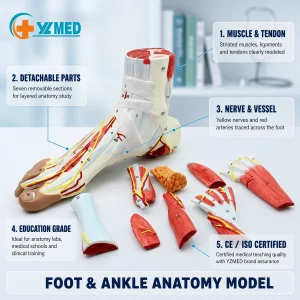
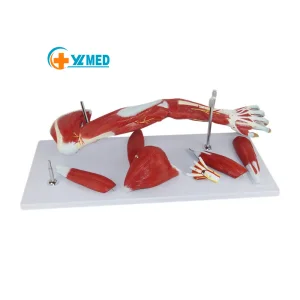
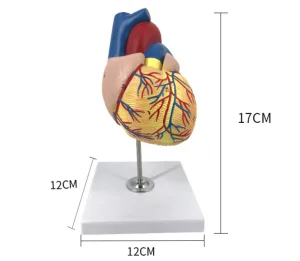
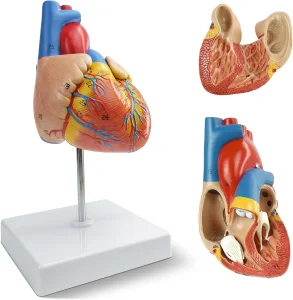
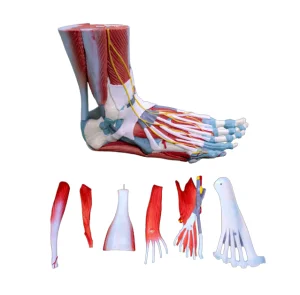
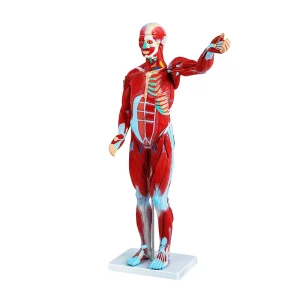
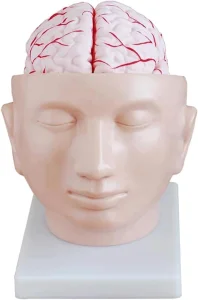
Seattle buyers often build a complete procedural training ecosystem, not a single consumable. These four original Yulin Medical products can be bundled with suture pads, instruments, wound modules, and private-label kits for Seattle-area distributors, colleges, simulation labs, and clinical educators.
Seattle application: anatomy and neuroanatomy teaching for medical, nursing, and allied-health programs; pairs well with procedural skills labs and patient-education displays.
Seattle application: biology, STEM, and pre-health labs at community colleges and secondary schools; supports pathway programs that feed nursing and surgical technology training.
Need a suture pad or kit quote? Send Inquiry Now with your Seattle delivery ZIP, learner group, annual volume, and preferred kit contents.
ODM Product Architecture
What Makes a Seattle-Ready ODM Suture Pad and Kit?
For Seattle, the product is not simply a pad. It is a repeatable training outcome: realistic tissue feedback, instructor-friendly consumables, documented materials, clean packaging, and a bill of materials that fits your course or tender.
An ODM suture pad program begins with the learner, not the catalogue. Surgical residents, nursing students, physician assistants, veterinary technicians, dental trainees, and EMS teams each need different wound geometry, pad thickness, and instrument logic. That is why ODM suture pads and kits for the Seattle market should be engineered around curriculum, not sold as a one-size-fits-all disposable.
Our ODM approach separates the product into four controllable layers of value. First, the tissue-simulation core: silicone, thermoplastic elastomer, polyurethane film, mesh reinforcement, felt, or foam backing can be combined to create distinct suture resistance. Second, the wound set: linear incisions, curved lacerations, crossing wounds, purse-string patterns, elliptical excisions, and layered closure modules can be mixed by course level. Third, the kit bill of materials: needle holders, forceps, scissors, scalpel handles, sutures, gloves, tray, instruction card, and QR-linked content can be configured for single-use or reusable lab formats. Fourth, the commercial presentation: private-label packaging, Seattle distributor branding, lot coding, and documentation that helps schools, hospitals, and government buyers evaluate suppliers with confidence.
Pad Engineering: Realism Without Wasted Cost
A basic two-layer pad can be cost-effective for high-volume practice, while a multi-layer pad with a replaceable wound insert offers better assessment value for advanced programs. The key is to match fidelity to the learning objective. A first-year nursing lab may focus on instrument handling, needle angle, and simple interrupted sutures. A surgical residency simulation may require layered closure, tension control, irregular wound margins, and repeated re-suturing at the same station. Seattle training centers increasingly ask for pads that can withstand realistic use while keeping consumable replacement predictable.
Kit Logic: Configurations Buyers Actually Request
Entry Suture Kit: one pad, needle holder, forceps, scissors, suture, gauze, and illustrated instructions for nursing and allied-health labs.
Advanced Surgical Kit: multiple wound modules, layered pad, scalpel handle, suture variety, tray, and course-specific labels for residency programs.
Emergency & EMS Kit: durable pad, wound-closure tools, packaging suitable for field-training classrooms, and quick-reference content.
Dental Suture Kit: oral-tissue-inspired pad colors, curved needles, fine instruments, and compact packaging for dental hygiene and oral surgery modules.
Veterinary Training Kit: varied tissue resistance, species-neutral wound patterns, and durable instruments for veterinary technician programs.
Distributor ODM Kit: private label, barcode, Seattle-area warehouse-ready cartons, and mixed-SKU pallets for education distributors.
Tissue Feedback
Formulations can be tuned for needle penetration, drag, tension, and re-suturing durability while remaining latex-free and low-odor.
Wound Geometry
Standard and custom wound patterns help instructors align assessment with course competencies and simulation scenarios.
Documentation
Material declarations, inspection records, lot marking, and packaging artwork support institutional vendor reviews.
Scalable Supply
Sample kits, pilot batches, and repeat production can be planned with distributor inventory and semester calendars in mind.
Private Label
Packaging, inserts, labels, barcodes, and course-specific naming can be adapted for Seattle-area distributors and schools.
Cost Control
Pad thickness, insert replaceability, kit contents, and carton design can be optimized without undermining learning outcomes.
Seattle Market Intelligence
Seattle’s Suture Training Economy: Where Clinical Demand Meets Procurement Reality
The Seattle metro is an outcome-driven market anchored by academic medicine, pediatric care, emergency services, nursing education, dental and veterinary programs, life-sciences companies, and a port gateway that connects the Pacific Northwest to global suppliers.
Seattle is not a price-only market. Buyers across King, Pierce, and Snohomish counties evaluate training products through the lens of accreditation, learner safety, documentation, and repeatability. The region’s healthcare and education ecosystem includes major health systems, university medical and nursing programs, simulation centers, community colleges, dental and veterinary training, EMS agencies, and public-health organizations. For a supplier, that means suture pads and kits must survive real curriculum use, not just a product demonstration.
The local procurement environment is layered. University purchasing teams may require vendor registration, insurance certificates, lead-time commitments, and product documentation. Hospitals and health systems may route requests through supply-chain committees, value-analysis reviews, or simulation-lab managers. Distributors serving Seattle-area schools often need mixed-carton flexibility and private-label packaging. Public-sector buyers may ask for transparent specifications, consistent lot quality, and documentation that supports fair comparison. A manufacturer that treats documentation as a core product feature has a clear advantage over one that offers only a low unit price.
Local Logistics and Industrial Context
The Port of Seattle and the Port of Tacoma, operating through the Northwest Seaport Alliance, give Seattle buyers practical access to ocean freight, while Seattle-Tacoma International Airport supports urgent air shipments. Many importers use third-party logistics providers in Kent, Auburn, Sumner, Fife, or Tacoma to stage inventory for schools, clinics, and distributors. For suture pads and kits, this means the landed-cost conversation should include more than the factory FOB price: carton dimensions, pallet density, moisture protection, barcode readiness, and the ability to replenish fast-moving SKUs before a semester begins all affect the true cost of ownership.
The region’s industrial base also matters. Seattle’s medical-device, life-science, maritime, aerospace, construction, and safety-training sectors create demand for practical wound-care and first-aid education. Bothell, Redmond, Kirkland, and the broader Eastside host medtech and life-science teams that value clean packaging and documentation. Maritime and industrial employers need first-aid and emergency-response refresher training. Dental and veterinary schools need compact, procedure-specific kits. That diversity rewards an ODM supplier that can support multiple catalog configurations without losing consistency.
Illustrative Seattle Procurement Priorities
Documentation completeness95%
Realistic tissue feedback92%
Kit completeness88%
Lead-time reliability85%
Sustainable packaging70%
Illustrative planning view, not a formal survey. Use it to structure your supplier scorecard.
Buyer Profile: Who Buys in Seattle?
Academic medical and nursing simulation centers: Need durable pads, layered closure options, and documented materials for lab accreditation.
Hospital education departments: Need standard kits for onboarding, residency, and annual competency refreshers.
Education distributors: Need private label, mixed SKUs, barcode readiness, and predictable lead times.
Dental, veterinary, and allied-health programs: Need procedure-specific wound geometry and compact kits for small labs.
EMS, fire, maritime, and industrial safety teams: Need practical first-aid and wound-closure training support that travels well.
Seattle buyers also tend to ask better questions: What is the pad’s expected number of suture passes? Are the materials latex-free? Can the wound insert be replaced independently? What is the carton’s cube and weight? Is there a lot code? Can the package carry a “for training and educational use only” statement? These questions are not obstacles; they are the design brief for a serious ODM program.
Global Commercial Landscape
Global Commercial and Industrial Outlook for ODM Suture Training Products
Across North America, Europe, the Middle East, and Asia-Pacific, simulation-based education continues to expand because healthcare systems need safer practice, faster onboarding, and measurable competency. Suture pads sit at the intersection of low-cost consumables and high-value clinical learning.
The global market signal is clear: training institutions want products that reduce risk without creating procurement complexity. Surgical and procedural education is moving toward competency-based assessment, repeated deliberate practice, and hybrid instruction. At the same time, supply-chain teams are under pressure to consolidate vendors, improve documentation, and reduce single-use waste where possible. This creates a strong opportunity for an ODM manufacturer that can supply pads, kits, packaging, and adjacent teaching models from one accountable quality system.
In the United States, buyers are sensitive to tariff exposure, customs classification, lead time, and product claims. Canada, the United Kingdom, the EU, and Australia apply their own import and labeling expectations. In the Gulf and Southeast Asia, tender-driven demand rewards suppliers who can provide consistent specifications, multilingual packaging, and distributor support. Globally, the strongest differentiation is not a single low-cost pad; it is the ability to build a repeatable, documented, and locally adaptable training kit program.
Industrial trends also favor ODM. Medical schools are refreshing simulation labs. Hospitals are standardizing onboarding. Dental and veterinary programs are expanding practical training. Community colleges are building health-science pathways. Emergency-response organizations are refreshing first-aid curricula. Each segment needs a different kit, yet all benefit from common quality controls, material declarations, and packaging discipline. Manufacturers that can support this modularity while maintaining ISO-style process discipline are better positioned to win repeat orders in Seattle and other port-connected markets.
Technical Roadmap
Technical Route Map and Future Outlook, 2025–2030
A practical roadmap for Seattle buyers should focus on better feedback, cleaner materials, smarter packaging, and a lower total cost per competent learner—not novelty for its own sake.
2025 · Documentation and Localization
Seattle-Ready SKU Architecture
Standardize pad thickness, wound patterns, kit contents, carton markings, and English-language instructions. Build a pricelist structure that separates FOB cost from Seattle landed cost, including brokerage, duties, and 3PL handling assumptions.
2026 · Materials and Packaging
Lower-Impact Silicone Alternatives and Recyclable Cartons
Expand low-odor, latex-free formulations and evaluate bio-based or recycled-content packaging where performance allows. Improve moisture barriers for Pacific Northwest humidity and warehouse storage without inflating carton cube.
2027 · Digital Instruction
QR-Linked Training Support and Replaceable Wound Inserts
Add QR-linked step-by-step content, instructor checklists, and bilingual packaging options. Develop more replaceable inserts so labs can reuse the base tray while replacing only the wound surface.
2028 · Feedback-Enabled Concepts
Sensor-Ready Suture Pads
Explore sensor-ready pads and optional digital feedback concepts with validated partners. The aim is to support objective assessment of needle angle, tension, and closure quality without turning every kit into a complex electronic device.
2029–2030 · Regional Agility
Inventory Coordination and Circular Take-Back
Coordinate with Seattle-area importers, 3PLs, and distributors to hold fast-moving SKUs closer to training centers. Evaluate take-back or recycling programs for used pads and packaging where local infrastructure supports it.
Pricelist Architecture
Suture Pad and Kit Pricelist Logic for Seattle Buyers
There is no responsible single price for an ODM suture pad or kit without a specification. The pricelist below is an indicative planning framework for Seattle buyers; final quotation depends on materials, MOQ, packaging, testing, and delivery terms.
ODM Program Level
Indicative FOB Range*
Typical MOQ
Best Fit
Primary Cost Drivers
Basic Practice Suture Pad
USD 1.80–3.50 / pad
500 pcs
High-volume nursing and allied-health practice
Pad thickness, silicone/TPE grade, wound pattern, poly bag or printed sleeve
*Indicative planning ranges only; not a formal offer. Seattle landed cost may add freight, insurance, customs brokerage, duty, tariff, 3PL receiving, and local delivery. Confirm HTS classification and import obligations with your customs broker.
What Changes the Seattle Landed Cost?
Seattle buyers should compare suppliers on delivered cost and total program cost, not just FOB. A slightly higher pad price may be cheaper if the carton holds more units per pallet, the pad survives more suture passes, the kit includes the right instruments, and the documentation avoids procurement delays. Conversely, a low-cost pad can become expensive if it fails in the lab, sheds material, or creates inconsistent assessment conditions.
Packaging cube: Compact kits reduce air freight and 3PL storage cost.
Order mix: Mixed-SKU pallets can improve distributor economics but increase carton complexity.
Incoterms: FOB, CIF, DDP, and DAP transfer risk and cost differently.
Tariffs and duties: China-origin goods may be subject to additional tariffs; verify current treatment with a licensed customs broker.
Quality cost: Replaceable inserts, consistent skin tones, and lot traceability add value when labs run repeated assessments.
To request a Seattle pricelist, send your target annual volume, desired kit contents, packaging format, delivery ZIP, and whether you need FOB, DDP, or distributor-warehouse delivery. Our export team typically replies within 24 hours with catalogs, specifications, and shipping options.
Seattle and Pacific Northwest Compliance, Logistics, and Vendor Support
Compliance is not a certificate image in a brochure. It is a workflow: correct product claims, material declarations, labeling, customs classification, and documentation that survives institutional review.
For training suture pads and kits, the first compliance question is intended use. Products marketed for education and simulation are generally positioned differently from products intended for clinical wound closure or patient care. If a supplier makes clinical claims, the regulatory pathway can change. For Seattle buyers, the safest starting point is clear labeling such as “For training and educational use only”, supported by material declarations, packaging controls, and consistent manufacturing records. This is not legal advice; your regulatory counsel and customs broker should confirm obligations for your specific claims and market.
Our quality management system has been ISO 9001 certified since 2008. For ODM programs, we can support material information, inspection records, lot marking, carton artwork, and product-specific documentation on request. Depending on the materials and destination, buyers may ask for REACH and RoHS declarations, latex-free statements, phthalate-free statements, heavy-metal test reports, or packaging recyclability information. California Proposition 65 and Washington State procurement requirements can also affect documentation expectations. The right approach is to define the claim set before artwork is approved.
Customs and HTS review: Confirm classification with a licensed broker before large shipments; training models, pads, and kits may fall under different headings depending on material and function.
Importer of record: Decide whether Yulin Medical ships to your U.S. importer, Seattle 3PL, distributor, or institution, and who files ISF and entry documents.
Product labeling: Use clear English labeling, lot codes, material statements, and intended-use language that matches the actual product.
Seattle port and 3PL coordination: Plan carton markings, pallet height, barcode format, and receiving appointments for warehouses in Kent, Auburn, Sumner, Fife, or Tacoma.
Institutional vendor packets: Prepare ISO certificate, catalog, specifications, non-clinical intended-use statement, and sample evaluation forms for procurement teams.
Sample validation: Send pre-production samples to Seattle instructors for suture feel, instrument fit, and packaging feedback before bulk production.
After-sales response: Our export team is online 7 days a week and typically replies within 24 hours with catalogs, specifications, and shipping options.
Private-label support: In-house design support for packaging and product presentation helps Seattle distributors raise shelf appeal and resale value.
Localized Support Model
Seattle buyers can work through a distributor, importer, or direct factory project manager. For ODM projects, we recommend a named project owner for specification, artwork, sample, production, and shipment. Technical questions can be handled by video review, annotated photos, and sample comparison. Where local warehousing is needed, we coordinate with your Seattle-area 3PL rather than assuming a one-size-fits-all delivery model.
This support model is especially useful for institutions that need to standardize a kit across multiple campuses. Once the Seattle or Pacific Northwest specification is approved, repeat orders can reference the same material code, artwork version, and inspection checklist. That reduces variation and makes semester planning easier.
Seattle Vendor Readiness Checklist
Intended-use language approvedYes
HTS and broker review completedYes
Sample tested by instructorsYes
3PL receiving plan confirmedYes
Replacement SKU plan readyNext
Localized Applications
Seattle-Area Application Scenarios for Suture Pads and Kits
Seattle buyers use suture training products across a wider range of programs than many suppliers expect. The same manufacturing platform can support very different course outcomes when the kit is designed correctly.
Medical and Nursing Simulation
University of Washington-affiliated programs, Seattle University, and regional nursing schools can use layered pads for instrument handling, simple interrupted sutures, and competency checks. Documentation supports lab accreditation and vendor review.
Pediatric Procedural Training
Programs associated with Seattle Children’s or pediatric simulation teams may need smaller wound sets, gentle tissue feedback, and compact kits that fit controlled skills stations.
Emergency Medicine and EMS
Seattle-area EMS, fire, and urgent-care training teams can use durable pads and compact kits for wound closure refreshers, scenario-based learning, and field-to-clinic handoff exercises.
Dental and Oral Surgery Training
Dental hygiene, oral surgery, and continuing-education programs need fine instruments, curved needles, and compact packaging. Custom pad colors and wound patterns help mirror oral-tissue handling.
Veterinary and Animal Health
Veterinary technician and animal-health programs in the Puget Sound region can use species-neutral wound modules, varied tissue resistance, and reusable instrument trays for repeated practice.
Community College and STEM Pathways
Health-science academies, community colleges, and pre-health pathway programs can pair basic suture kits with anatomy and cell models to create accessible, hands-on introductions to clinical practice.
Seattle Procurement Roadmap
A Transparent Five-Step Path from Inquiry to Seattle Delivery
Use this sequence to keep the project moving without losing control of specification, compliance, or landed cost.
Step 01
Define the Learner and Wound Set
Identify the course level, annual learner volume, wound patterns, pad thickness, and whether the insert should be replaceable. Include instructors early.
Step 02
Build the Kit Bill of Materials
Select instruments, sutures, packaging, labels, instructions, and carton format. Confirm whether the kit is single-use, reusable, or a hybrid lab format.
Step 03
Validate Samples with Seattle Instructors
Test needle drag, tissue tension, instrument fit, and packaging. Document changes before approving production artwork.
Step 04
Approve Compliance and Logistics
Confirm intended-use language, documents, HTS classification, Incoterms, 3PL receiving, and replacement-SKU planning with your broker and Seattle warehouse partner.
Step 05
Scale with Repeatable Quality
Lock material codes, artwork versions, inspection checklists, and lead times. Reorder against the approved Seattle specification to reduce variation across semesters.
Yulin Medical: A Manufacturer Seattle Buyers Can Audit
Henan Yulin Edu. Project Co., Ltd. (Yulin Medical) has built educational and medical training equipment in Xinxiang, China, since 1958. Our quality management system has been ISO 9001 certified since 2008, and our motto is simple: quality first, service first.
Founded in 1958, Henan Yulin Edu. Project Co., Ltd. has grown into a well-known educational and medical equipment supplier integrating scientific research, production, and sales. With registered capital of RMB 120 million and more than 200 professional employees, we manage product development, manufacturing, inspection, and export from our base at No. 8 Daoqing Road, Hongqi District, Xinxiang, Henan, China.
Our goal is to satisfy every customer through dependable quality and attentive service while continuously developing the skills of our team. For Seattle buyers, this means one accountable manufacturer for anatomy models, nursing simulators, lab slides, hospital equipment, and suture training products—consolidated into a single shipment and backed by an ISO 9001 quality system.
Headquarters & factory, XinxiangProduction workshopBulk orders ready for exportProduct showroomMedical teaching model rangeAnatomy and skeleton models
Original Product Ecosystems
Adjacent Original Yulin Medical Product Lines for Seattle Sourcing
Seattle distributors and institutions can consolidate multiple product categories into one supplier conversation, one shipment plan, and one documentation package.
FAQ: ODM Suture Pads and Kits in the Seattle Market
Direct answers for Seattle distributors, educators, and procurement teams evaluating a manufacturer, pricelist, sample, or compliance package.
Are suture pads and kits regulated as medical devices in the United States?
It depends on intended use and claims. Products clearly marketed for training and educational simulation are generally positioned differently from products intended for clinical wound closure or patient care. If a supplier makes clinical claims, the regulatory pathway can change. Seattle buyers should request clear intended-use labeling, material declarations, and product documentation, then confirm obligations with their regulatory counsel and customs broker. This page is not legal advice.
What is included in a typical ODM suture kit?
A typical kit includes one or more suture pads, needle holder, forceps, scissors, scalpel handle where appropriate, sutures, gauze, tray, and instructions. ODM configurations can add custom wound patterns, replacement inserts, private-label packaging, barcodes, and course-specific labels. The bill of materials should match the learner level and lab format.
Can Yulin Medical customize pad color, wound shape, and kit packaging for Seattle buyers?
Yes. ODM support can include skin-tone selection, wound geometry, pad thickness, replaceable inserts, instrument selection, packaging artwork, labels, and carton design. For best results, provide drawings or reference photos, target learner level, annual volume, and any institution-specific labeling requirements.
What is the minimum order for a Seattle ODM suture pad project?
Indicative MOQs are around 500 pads for basic practice pads, 300 pads for multi-layer pads, 200 kits for advanced anatomical kits, and 500 kits for full custom ODM programs. Project-based tooling or packaging may have separate minimums. Final MOQ depends on materials, colors, packaging, and whether the item is stocked or made to order.
How do you ship to Seattle, and what Incoterms do you support?
We support common export terms such as FOB, CIF, DAP, and DDP where practical. Seattle buyers can route ocean freight through the Port of Seattle or Port of Tacoma, use air freight via Seattle-Tacoma International Airport for urgent samples, or ship to a 3PL in Kent, Auburn, Sumner, Fife, or Tacoma. Confirm duties, tariffs, customs brokerage, and HTS classification with your importer or broker.
Is Yulin Medical a manufacturer or a trading company?
We are a manufacturer. Henan Yulin Edu. Project Co., Ltd. was founded in 1958 and operates its own factory in Xinxiang, Henan, China, with more than 200 professional staff. For one-stop orders, we also coordinate a stable network of long-term partner factories.
What quality certification does Yulin Medical hold?
Our quality management system has been ISO 9001 certified since 2008. Product-specific documentation can be provided on request to support tenders and import registration in your country.
Do you support OEM, private label, and custom packaging?
Yes. Our in-house design team develops private-label packaging and product presentation for distributors, helping increase shelf appeal and resale value. We can support artwork, labels, barcodes, inserts, and carton customization for approved projects.
How should Seattle buyers choose the right suture kit for their course?
Start with the learner group and assessment goal. Basic nursing labs may need simple interrupted sutures and instrument handling. Advanced surgical programs may need layered closure, irregular wounds, and replaceable inserts. Dental and veterinary programs need procedure-specific geometry. Emergency training may prioritize compact kits and durable pads. Sample validation with instructors is the fastest way to confirm the right specification.
How quickly will I receive a reply?
Our export team is online 7 days a week and typically replies within 24 hours with catalogs, specifications, and shipping options. For a faster Seattle pricelist, include your delivery ZIP, annual volume, target learner group, and preferred kit contents.
Bottom Product Showcase
Eight More Original Yulin Medical Products for Seattle Sourcing Teams
These original product listings support anatomy, cardiology, dental, biology, and rehabilitation training programs. They can be consolidated with suture pad and kit ODM orders for Seattle-area distributors and institutions.
Want to combine suture pad ODM with anatomy models or hospital equipment? Send Inquiry Now and tell us your Seattle delivery ZIP, target quantity, and required documentation.
Talk to Our Export Team
Build Your Seattle-Ready Suture Pad and Kit Program This Quarter
Send your specifications, target quantities, intended learner group, Seattle delivery ZIP, and certification requirements. Our export team typically replies within 24 hours with catalogs, specifications, sample options, and shipping suggestions.