Japan-Ready Medical Apparatus and Instruments: Four Priority Products for Distributor Review
These four products represent common entry points for Japanese distributors, hospital groups, training centres and public procurement discussions. Each original product URL is preserved, and each product link is presented as an inquiry-ready button for faster evaluation.
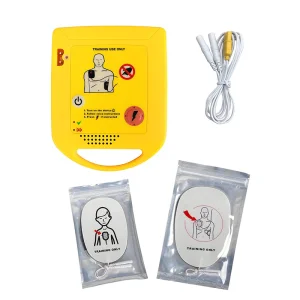
Japan OEM Mini Beginner Training AED Trainer — Manufacturers, Factory
A practical training device for CPR and AED awareness programmes in schools, workplaces, nursing colleges and community training centres.
View Product Details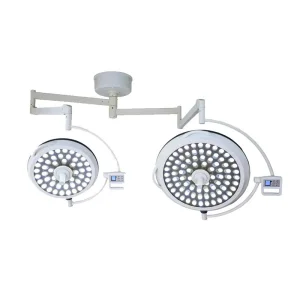
Japan Hospital Double-Head LED Shadowless Lamp — Factories, Quotes
Double-head LED illumination for operating room planning, clinic upgrades and hospital furniture and equipment projects.
View Product Details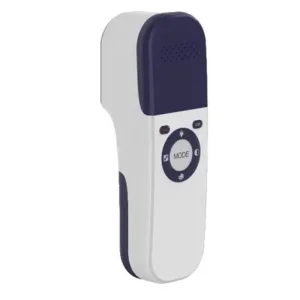
Japan Medical LED Vein Finder & Vein Illuminator Equipment — Manufacturer, Quotes
Visualization support for venipuncture training, clinic workflows and nursing education where clear vein access is important.
View Product Details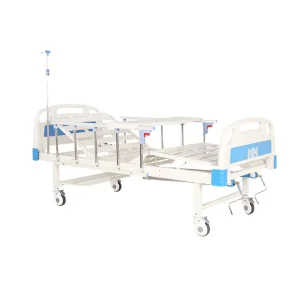
Japan Hospital Ward 5-Function Patient Medical Bed — Manufacturer, Quotes
Five-function positioning for wards, rehabilitation rooms, nursing facilities and clinical furniture tenders.
View Product DetailsRecommendation: confirm intended use, electrical safety requirements, Japanese labeling needs and the role of the Japanese MAH/importer before finalizing any device-specific quotation.
Japan Is a Documentation-and-Service Market, Not a Price-Only Market
For medical apparatus and instruments factories, Japan is attractive because it is mature, demanding and long-term. It is also a market where information gain — the ability to answer regulatory, service and application questions before they become blockers — can be more valuable than a lower unit price.
Japan is one of the world’s most mature medical technology markets. Hospitals, universities, public procurement agencies, distributors and care providers reward suppliers that can demonstrate consistency, documentation and lifecycle support. The buying question is not only “Can you manufacture the instrument?” but also “Can you support the Japanese lifecycle of the instrument?” That distinction is especially important for apparatus and instruments that sit between clinical practice, medical education, emergency response, rehabilitation and home care.
Three demand signals stand out. First, population ageing and community-based care are expanding demand for rehabilitation aids, nursing training equipment, ward furniture and home-care products. Second, emergency preparedness and CPR/AED education remain embedded in schools, workplaces and public facilities. Third, medical universities and simulation centres are upgrading training infrastructure, creating demand for models, trainers and instruments that support measurable skill development.
At the same time, Japan is a high-trust market. Buyers tend to prefer suppliers that can provide Japanese-language documents, stable specifications, batch traceability, spare parts, complaint handling and a clear regulatory role. The commercial model often involves an importer, distributor, marketing authorization holder and service partner. A foreign factory that understands this ecosystem can differentiate by giving buyers practical answers before they ask: classification logic, document checklists, labeling expectations, packaging options, spare-part planning and application scenarios.
Macro solution for Japanese buyers
- Consolidate training, emergency, diagnostic and ward equipment with one accountable manufacturer.
- Map each SKU to its likely regulatory pathway before quotation.
- Plan Japanese documentation, packaging and spare parts as part of the commercial offer.
- Use mixed-category shipments to reduce supplier audits and administrative load.
- Define a service model for complaints, replacements, training and repeat orders.
From Factory Evidence to Japanese Documentation: A Practical Compliance Framework
Yulin Medical’s ISO 9001 certified quality management system, in place since 2008, is a manufacturing backbone. It is not, by itself, a Japanese marketing authorization. The correct approach is SKU-by-SKU regulatory mapping with a licensed Japanese partner where required.
1. Device Classification & Pathway Mapping
Under Japan’s Pharmaceuticals and Medical Devices Act, classification depends on intended use, claims, software, accessories and risk. Some educational models may not be regulated as medical devices; other instruments may require a defined pathway. Confirm each SKU with a qualified Japanese regulatory partner before making market claims.
2. MAH, Importer & Role Definition
Japan typically requires a local marketing authorization holder and appropriate manufacturing and distribution responsibilities. The MAH/importer should own recall decisions, post-market surveillance and authority communication. Yulin Medical can support technical documents, batch records and product information for that structure.
3. QMS & Technical File Evidence
For device-specific applications, buyers may need ISO 13485-aligned QMS evidence, risk management to ISO 14971, electrical safety and EMC evidence for powered equipment, inspection records and product specifications. Confirm exact requirements with the Japanese reviewer or certification body.
4. Japanese Labeling & IFU
Japanese-language labels and instructions should be prepared with local review. Key elements often include intended use, warnings, contraindications, symbols, manufacturer information, lot number, storage conditions and UDI carrier where applicable. Final responsibility should sit with the licensed local regulatory role.
5. UDI, Lot Traceability & PMS
Traceability supports recalls, complaints and post-market surveillance. Yulin Medical can apply agreed lot/batch coding and provide production records. UDI assignment and database registration should be coordinated with the Japanese MAH/importer and relevant labeling requirements.
6. Logistics, Spare Parts & Training
Localization is also operational. Japanese buyers value consolidated shipments, protective export packing, spare-part planning, replacement protocols and clear communication. Training materials, setup videos and simple maintenance instructions can reduce service friction after delivery.
Documents that can be discussed for Japan evaluation
- Product specifications, material descriptions and intended-use statements.
- Inspection records, batch/lot coding and packing lists.
- Risk management and electrical safety evidence where applicable.
- Label artwork, photos, HS code suggestions and shipment planning.
- OEM/private-label packaging and instruction manual localization support.
- Spare-parts list, warranty discussion and after-sales contact flow.
Regulatory status, classification and approval requirements must be verified by the Japanese MAH/importer or a qualified regulatory affairs professional. This content is commercial and sourcing guidance, not legal or regulatory advice.
How Medical Apparatus Procurement Actually Works in Japan
The Japanese market is not a single buyer. It is a network of hospitals, clinics, universities, care facilities, trading houses, importers and service companies, each with different expectations for evidence, lead time and support.
Japan’s medical apparatus and instruments ecosystem is relationship-led and documentation-heavy. Distributors and trading companies often act as the bridge between overseas factories and Japanese users. They need suppliers who can respond to technical questions quickly, keep specifications stable and provide consistent packaging and labeling across repeat orders.
Hospitals are heterogeneous. A large academic hospital, a regional core hospital, a private clinic, a dental office and a nursing care facility may evaluate the same product differently. For a factory, this means offering a portfolio rather than a single item: training manikins, ward furniture, diagnostic instruments, rehabilitation aids and teaching models can be combined into a programme that reduces supplier management cost.
Service is part of the product. Japanese buyers often ask who handles replacement, spare parts, user training and complaint response. Even for non-powered training equipment, clear ownership of after-sales communication matters. For powered apparatus, the expectation is higher: documentation, maintenance planning and local service coordination should be discussed before the first shipment.
Procurement also looks for tender-ready clarity: model numbers, dimensions, materials, packing quantities, lead times, warranty terms and photographs. A supplier that provides a clean document pack and a realistic production schedule is easier to defend internally than a supplier with a lower price but incomplete information.
Illustrative buyer priority model
Qualitative model for discussion, not a market statistic.
What Changes Globally—And What Japan Still Expects
Global medical manufacturing is moving toward supply-chain diversification, regulatory convergence, connected devices and service-based differentiation. Japan participates in all four trends, but it filters them through its own quality culture.
Supply-Chain Diversification
Buyers increasingly compare single-country dependence against multi-source strategies. A factory with a long operating history, stable partner capacity and mixed-category consolidation can reduce risk while keeping one point of contact.
Regulatory Convergence
ISO 13485, ISO 14971, IEC 60601 and UDI thinking influence technical files across markets. Japan remains distinctive because local authorization, Japanese documentation and post-market responsibilities must be explicitly assigned.
Digital & Connected Equipment
Training and diagnostic products are becoming more data-enabled. Sensor feedback, digital dashboards, remote training and software-supported assessment are creating new value—and new documentation, cybersecurity and validation duties.
Service as Differentiation
Across mature markets, product quality is only one part of the offer. Spare parts, training, response time, complaint handling and lifecycle planning increasingly determine whether a distributor keeps a factory in its portfolio.
Information gain for global buyers comparing Japan with other markets
In price-sensitive markets, a quotation may be enough to start a conversation. In Japan, a quotation is often the beginning of an internal review. The supplier that supplies a complete picture—classification assumptions, document availability, packaging, lead time, service roles and application scenarios—reduces the buyer’s perceived risk. That is why a factory-direct website should not read like a catalogue only. It should read like a decision-support resource for distributors, procurement teams and clinical educators.
Where These Products Fit in Japanese Hospitals, Schools and Care Settings
Localization is not only language. It is matching product form, documentation and service expectations to real use environments.
Emergency & CPR Education
Training centres, schools, workplaces and public facilities need repeatable AED and CPR practice. Choose trainers with clear feedback, durable consumables and instructions that fit Japanese course formats.
Medical Nursing Model range →Hospital Wards & Operating Rooms
Five-function beds, LED shadowless lamps and vein finders support ward workflows, surgical illumination and nursing procedures. Confirm electrical requirements, installation planning and local service roles.
Hospital Furniture range →Ophthalmology & Primary Care
LED eye chart light boxes and otoscope/ophthalmoscope sets fit clinics, school health rooms and primary-care screening. Japanese users expect clear instructions and dependable spare parts.
Hospital Machine & Tools →Dental Clinics & Training
Adjustable dental stools and supporting furniture can be bundled for dental clinics, teaching labs and private practices. Private-label packaging and finish options can be discussed for distributor programmes.
Dental Tools & Equipment →Rehabilitation & Elderly Care
Foldable walkers, stand-up assist walkers and mobility aids support community care, rehabilitation rooms and home use. Load capacity, folding mechanics and instruction clarity are central buying criteria.
Medical Apparatus & Instruments →Medical Education & Anatomy Teaching
Anatomical wall charts, skeleton models and teaching aids support universities, nursing colleges and biology laboratories. Durable printing, storage and bilingual teaching support can be included in the discussion.
Anatomy Models range →One Accountable Manufacturer Across Medical Education, Simulation and Hospital Equipment
The original ten product categories remain available. For Japanese distributors, this breadth can be converted into consolidated shipments, one documentation contact and a clearer supplier-management story.
Anatomy Models
Torso, organ, heart, brain and muscle models with numbered structures for lectures and patient education.
View range →Biology Prepared Slides and Accessories
Histology, botany and zoology prepared slides plus storage and microscope accessories for biology labs.
View range →Dental Tools and Equipment
Dental teaching models, clinic lights, LED whitening units and endodontic instruments for training and practice.
View range →General Teaching Models
Science demonstration models for primary schools, secondary schools and education equipment tenders.
View range →Hospital Furniture and Equipments
Stainless steel examination couches, stretchers, walkers and shower chairs built for daily clinical use.
View range →Hospital Machine and Tools
Diagnosis and treatment devices and practical tools for wards, clinics and emergency departments.
View range →Medical Apparatus and Instruments
Emergency splints, extrication devices, cervical traction and rehabilitation instruments.
View range →Medical Nursing Model
Adult, child and neonatal CPR manikins, ACLS simulators and AED trainers for skills assessment.
View range →Skeleton Models
Life-size and desktop skeletons, skulls, spines and joint models for osteology teaching.
View range →Suture Pads and Kits
Realistic skin suture pads and complete instrument kits for surgical and wound-closure practice.
View range →Additional CPR, Emergency and Rehabilitation Equipment from the Original Range
These original product visuals and category links are retained for reference. They complement the Japan-focused product selections shown above and at the bottom of the page.

Advanced Full-Body CPR Training Manikin with 8" Color Feedback Display
View Product Range


Neonatal ACLS Training Manikin Aligned with AHA 2020 Guidelines
View Product Range








A Manufacturer Built for Long-Term Education, Training and Hospital Supply
Founded in 1958, Henan Yulin Edu. Project Co., Ltd. has grown into a well-known educational and medical equipment supplier that integrates scientific research, production and sales. With registered capital of RMB 120 million and more than 200 professional employees, the company manages product development, manufacturing, inspection and export from its base at No. 8 Daoqing Road, Hongqi District, Xinxiang, Henan, China.
Our quality management system has been ISO 9001 certified since 2008, and our operating motto is simple: quality first, service first. For overseas distributors, medical universities, nursing colleges and hospitals, the value is one accountable manufacturer across ten product lines—from anatomy models and nursing simulators to hospital furniture, diagnostic instruments and rehabilitation aids.
Our goal is to fully satisfy every customer through dependable quality and attentive service while continuously developing the skills of our team so that each project is handled by experienced people.
Original visual archive
Hero, product-display and factory images from the original page are retained below in a responsive gallery. Images are displayed with contain logic to preserve proportions.











Four Strengths Distributors and Institutions Cite Most Often
For Japan-focused programmes, reliability is a combination of communication, packaging, documentation and repeat-order stability.
24/7 Responsive Service
Our team is online 24 hours a day, 7 days a week. Whatever your time zone, you receive a detailed answer as quickly as possible—typically within 24 hours.
Design & Packaging Team
In-house specialists support product design and private-label packaging that strengthens your brand and increases the added value of every unit you sell.
Professional Expertise
Our vision is to provide professional educational and medical training products from mainland China, built under ISO 9001 process control and decades of category knowledge.
60+ Years of Supply Stability
A factory with more than 60 years of history and an integrated partner supply chain helps meet one-stop demands and keep lead times predictable on repeat orders.
A Transparent 5-Step Process for Japanese Buyers
From first conversation to delivery, every stage can have a named contact and clear documentation so you can plan stock, tenders and training schedules with confidence.
Share Requirements
Send product types, quantities, target use, destination and any tender, labeling or certification needs.
Catalog & Proposal
Receive matched models, specifications, packaging options, document checklists and shipping suggestions.
Sample Evaluation
Test samples with instructors, clinicians or distributors before confirming bulk production.
Production & QC
Manufacturing and inspection follow our ISO 9001 quality management system, with agreed lot records.
Export & Support
Protective export packing, delivery coordination and responsive after-sales communication.
Updates from the Team That Designs, Builds and Ships the Products
Original news, exhibition and product-showroom content is retained below for continuity.

Do You Really Know How to Observe Biological Prepared Slides?
Many plant and animal cell structures can only be studied under a microscope, which makes prepared biological slides essential in every biology lab. Our specialists explain how to handle, focus and store slides correctly so students see clearer detail and slide sets last for years.

The 5th Henan Provincial Educational Equipment Expo Concludes Successfully
Themed “Digital Leading Innovation and Development”, the expo reached a record 50,000 m² with 600+ brands and 10,000+ products on display, showcasing the latest educational equipment.

Inside Our Product Showroom
A look at the medical teaching models and training equipment buyers can inspect in person when visiting our Xinxiang facility.
Visit Hot BlogFrom Durable Hardware to Connected Training and Service-Ready Systems
The next competitive frontier is not only stronger materials or lower cost. It is the ability to combine reliable apparatus with documentation, feedback, training content and service data. Roadmap direction varies by SKU and must be confirmed per project.
Near Term: Documentation Digitalization
Digital spec sheets, QR-linked manuals, UDI-ready labeling workflows, Japanese IFU collaboration and spare-part kits can reduce friction for distributors and service teams.
Mid Term: Sensor-Enabled Training
Connected manikins and training instruments can provide compression depth, rate, ventilation and other feedback. Dashboards help instructors standardize assessment and track cohort performance.
Long Term: AI-Assisted Simulation
AI-assisted skill assessment, AR/VR scenario training, digital twins and remote proctoring may expand the value of simulation centres, especially for distributed clinical education.
Cross-Cutting: Trust & Lifecycle
Cybersecurity, software lifecycle processes, risk management, human factors, accessibility and sustainability will increasingly shape which products are acceptable in mature markets such as Japan.
What this means for Japanese buyers
When evaluating a factory for a multi-year programme, ask for a technology roadmap that separates available features from planned features. Confirm which items are purely mechanical, which include electronics, which include software, and which require additional documentation. That clarity protects both the distributor’s reputation and the end user’s safety.
Frequently Asked Questions from Japanese Importers and Procurement Teams
Straight answers to the questions buyers ask most before placing a first order or expanding a Japan-focused portfolio.
Is Yulin Medical a manufacturer or a trading company?
What quality certification does Yulin Medical hold?
Do you support OEM, private label and custom packaging?
How do I choose the right CPR training manikin?
How quickly will I receive a reply?
Are these products automatically approved for sale in Japan?
Can you provide Japanese instructions and labeling?
How do you handle traceability, UDI and complaints?
Can you support public tenders and mixed-category orders?
What should I include in my first inquiry?
Build a Japan-Ready Medical Apparatus Supply Programme with Yulin Medical
Tell us your target use, quantities, destination, regulatory structure and service expectations. Our team will recommend suitable models, share specifications, discuss documentation availability and propose a practical shipping plan for mixed-category orders.
Quick links retained: Home · Products · Global Service · Hot Blog · Top Search Keywords · Contact us · Request a Catalog · Sitemap
Eight Additional Japan-Ready Medical Apparatus and Instruments
The final product grid uses the remaining eight original product items. Every image, product URL and inquiry path is preserved. On desktop the grid forms two full rows of four; tablet and mobile layouts remain complete without orphaned rows.
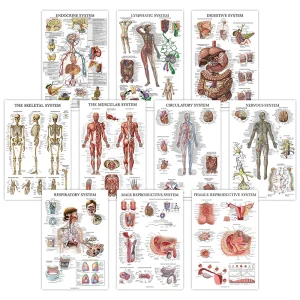
Japan OEM Anatomical Medicine Teaching Wall Chart Set — Manufacturers, Factories
Anatomical wall charts for medical schools, nursing colleges and biology classrooms.
View Product Details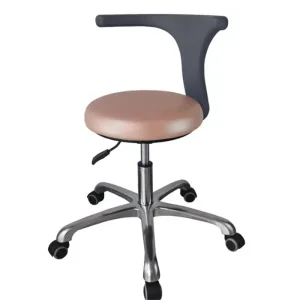
Japan Adjustable Dental Stool & Dentist Doctor Chair — Factory, Pricelist
Adjustable seating for dental practices, teaching labs and clinical training rooms.
View Product Details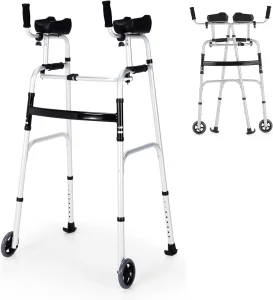
Japan OEM Foldable Standard Walker & Lightweight Aluminum Rehabilitation Aid — Manufacturers, Service
Mobility support for elderly users, rehabilitation rooms and home care programmes.
View Product Details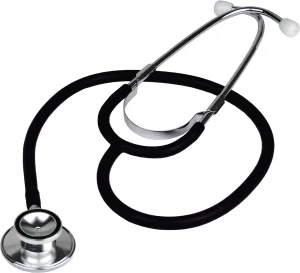
Japan Color Stethoscope for Family Doctors & Double-Head Heart-Sound Listening — Factories, Quotes
Dual-head stethoscope configuration for clinics, nursing education and family practice.
View Product Details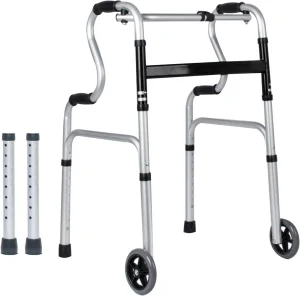
Japan 3-in-1 Stand-Up Assist Folding Walker for Narrow Lanes up to 440 lb — Manufacturer, Factory
Supportive mobility design for care facilities, rehabilitation and home use.
View Product Details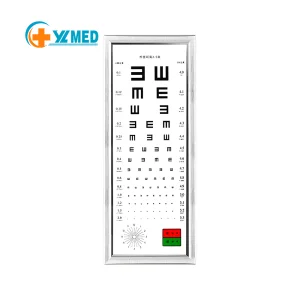
Japan LED Eye Chart Light Box for International Standard Kindergarten E-Logarithm Vision Testing — Manufacturers, Quotes
Vision screening support for schools, clinics and community health programmes.
View Product Details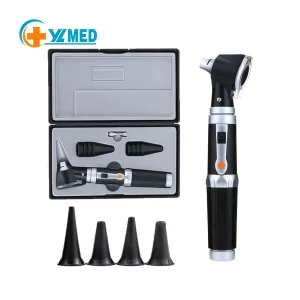
Japan CE Otoscope & Ophthalmoscope Set with Double Screen and Custom Logo — Manufacturers, Factory
Diagnostic instrument set for clinics, primary care and clinical skills training.
View Product Details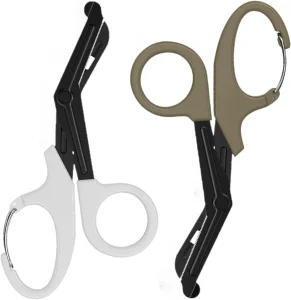
Japan Trauma Shears Medical Scissors with Carabiner for Nurses & Doctors — Manufacturers, Service
Stainless steel nursing and bandage scissors for emergency, ward and clinical use.
View Product Details