Why a Factory Pricelist for General Teaching Models Matters in Kenya
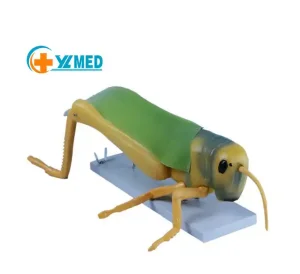
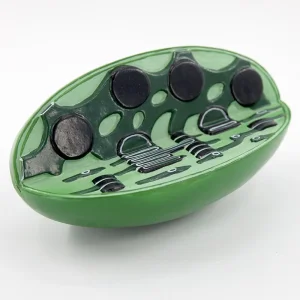
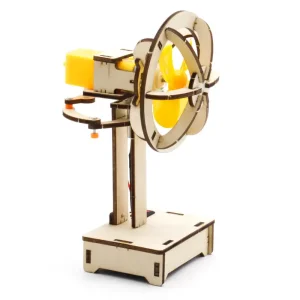
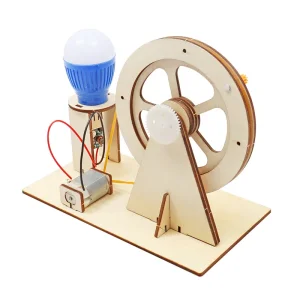
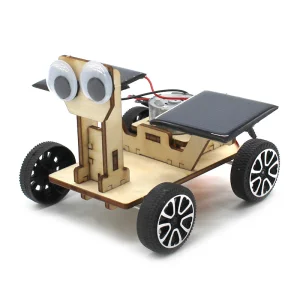
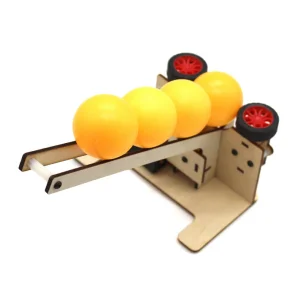
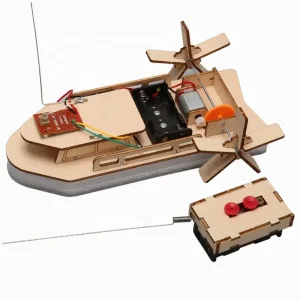
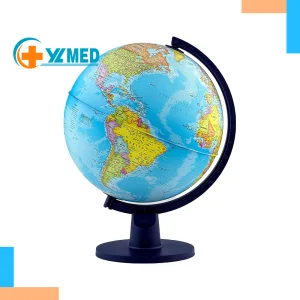
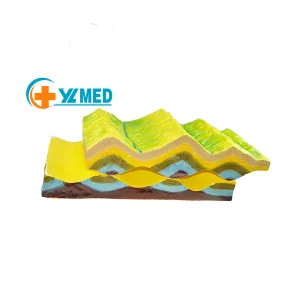
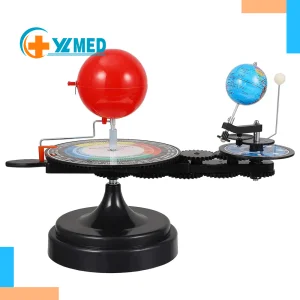
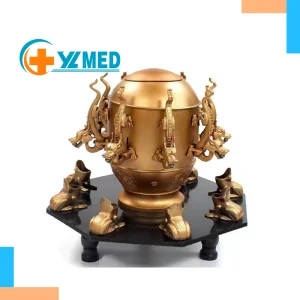
General teaching models are often purchased at the end of a procurement cycle, when laboratory budgets are already tight and academic deadlines are close. That is exactly when a clear pricelist and a reliable factory matter most. In Kenya, schools are moving from rote diagram copying toward competency-based learning, practical demonstrations and learner-centred science. A locust model, chloroplast model, hand generator, tellurion or seismograph demonstration is not a decorative item; it is a teaching tool that changes how quickly a learner can see, touch and explain a concept.
However, the lowest unit price is rarely the lowest total cost. A low-cost model can become expensive if it arrives with unclear specifications, missing spare parts, weak packaging or no replacement components. Kenyan distributors and school procurement teams therefore need more than a catalogue photo. They need itemized model codes, material descriptions, packing dimensions, MOQ guidance, lead-time visibility, export documentation and after-sales clarity. A professional General Teaching Models pricelist should support that decision, not simply list a number.
Henan Yulin Edu. Project Co., Ltd. has manufactured educational and medical training products since 1958. Our quality management system has been ISO 9001 certified since 2008, and our Xinxiang factory employs more than 200 professional staff with registered capital of RMB 120 million. The General Teaching Models range draws on the same engineering, moulding, assembly, inspection and export processes used across our anatomy, nursing, laboratory and hospital equipment lines. For Kenyan buyers, that means one accountable manufacturer can supply mixed-category orders instead of forcing a distributor to manage five unrelated suppliers.
This guide adds practical information gain beyond a standard product page. It explains the Kenyan commercial context, the global procurement trend, China factory efficiency, localized classroom scenarios, maintenance expectations and tender documentation issues. It is written for school owners, procurement officers, science department heads, TVET administrators, NGO project managers, importers and distributors who need a defensible sourcing decision rather than a quick online order.