




Four Dental Equipment Lines To Start A Swiss Supply Conversation
Swiss procurement teams usually begin with a focused selection before expanding into a consolidated order. The four products below are the first four items from our dental tools and equipment series. Their original images, product URLs and model titles are preserved; every product link is styled as an inquiry-ready button so a distributor, clinic owner or dental school buyer can move from evaluation to a specifications request without losing context.
Send Inquiry Now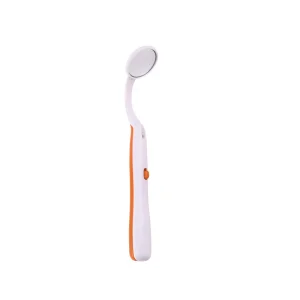
China Hospital LED dental surgery scope Manufacturers, Factory
Swiss application note: suitable for clinic lighting upgrades where stable optical output, cleanable surfaces and serviceable LED components are part of the purchase decision.
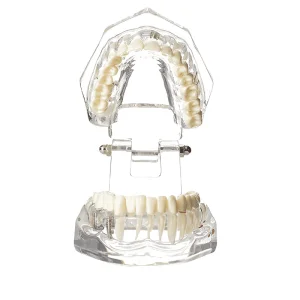
China Ultrassist Transparent Disease Teeth with Dental Implant Bridge Dental Model Manufacturer, Service
Swiss application note: useful for implant consultations, hygiene explanation and dental laboratory demonstrations where visual clarity supports patient trust.
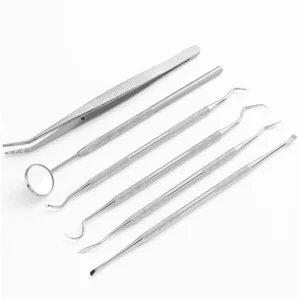
OEM 6 pieces of metal dental tools Manufacturer, Manufacturers
Swiss application note: a practical entry point for private-label instrument kits, clinic starter packs and distributor service assortments.
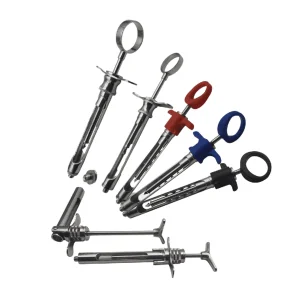
ODM Dental Anasesthesia syringe Dental Aspirating Syringe Factory, Quotes
Swiss application note: relevant to anesthesia and aspiration workflows where consistent handling, component traceability and replaceable parts matter.
Why Switzerland Rewards Suppliers Who Combine Precision, Documentation And Service
Switzerland is not simply another export destination. It is a high-value, high-expectation dental market where equipment decisions are influenced by clinical time, patient experience, multilingual communication and long-term serviceability.
Swiss dental practices and laboratories operate in a high-wage economy. Chair time is expensive, patients often pay a large share of routine dental costs directly, and a clinic’s reputation depends on precision, comfort and predictable outcomes. For a dental tools and equipment manufacturer, this means a catalogue alone is not enough. Distributors and clinic owners want documented specifications, cleanable surfaces, stable LED output, reliable spare parts and clearly assigned after-sales responsibilities.
The market is also fragmented. Procurement decisions are distributed across 26 cantons and three main business language regions: German, French and Italian. A product that works for a Zurich group practice may need different labelling, training material and service communication for a clinic in Geneva or Lugano. Our Switzerland service model therefore focuses on three practical variables: application fit, documentation readiness and consolidated logistics.
For high-cost markets, the cheapest unit is rarely the lowest-cost decision. Swiss buyers evaluate total cost of ownership: installation time, cleaning routine, operator training, failure risk, spare-part availability and the ability to add products to one shipment. Our role is to make those variables visible before the order is placed, so that a sample evaluation is not disconnected from the final commercial and regulatory decision.
Information Gain: Questions We Answer Before A Swiss Sample Order
- Which dental model, LED light or whitening unit matches the intended clinical or teaching scenario?
- What documentation, labels and packaging information should be prepared for the Swiss importer or authorised representative?
- Can dental models, instruments, chair lights and imaging accessories be consolidated into one mixed-category shipment?
- What spare parts, consumables and training materials should be stocked at the distributor level?
- How can a private-label programme protect the distributor’s brand without delaying the first shipment?
Switzerland’s Dental Sector: Local Business And Industrial Reality
A Swiss-market strategy must respect the way dentistry is organised locally: private-practice economics, cantonal fragmentation, high expectations for precision and a strong dental laboratory and implantology ecosystem.
Private-Practice Economics And Patient Expectations
In Switzerland, routine dental care is generally financed privately, with limited exceptions through social insurance or accident cover. The practical result is a consumer-minded patient who compares comfort, aesthetics, transparency and follow-up care. Practices invest in equipment that reduces remakes and chair-side adjustments: reliable LED illumination, whitening units, imaging support, aspiration instruments and well-made demonstration models.
Cantonal And Multilingual Procurement
Switzerland has 26 cantons and three main business languages: German, French and Italian. Distributors may need instruction manuals, labels, training decks and service forms in the language required by the end user. A supplier that can support language variants, consistent SKU data and documentation packages is easier to qualify than one that treats every order as a generic export.
Precision Ecosystem And Dental Laboratories
Swiss precision engineering, implantology and dental laboratory work create demanding expectations: dimensional consistency, batch traceability, cleanable materials and stable optical performance. For educational models, anatomical accuracy, durable hinges and colour stability matter because the same model may be used in hundreds of demonstrations and student exercises.
Localised Application Scenarios In Switzerland
Dental equipment is not bought in isolation. It is selected for a workflow: consultation, demonstration, treatment, hygiene training, whitening service or distributor support.
Private Clinic Chairside Illumination And Aspiration
LED surgery scopes, chair lights and aspirating syringes support daily treatment where stable light, cleanable surfaces and predictable handling reduce interruptions.
Standardisation And Spare-Part Planning
Group practices benefit from consistent SKUs, service documentation and spare-part planning across multiple locations and language regions.
Implant Consultation And Laboratory Demonstration
Implant bridge models and detachable teeth models help laboratories and clinicians explain treatment options with greater visual clarity.
University And Dental Hygiene School Simulation
Tooth-brushing models, detachable-teeth models and dental tools support hygiene education, technique demonstration and student assessment.
Whitening, Beauty And Patient Experience
Cold-light whitening instruments and LED blue-light devices are selected for clinics and beauty dental services where visible results and safe operation matter.
Mobile Outreach And Mixed-Category Kits
Distributors can combine instruments, models, lights and cleaning equipment into service kits for regional clinics, schools and outreach programmes.
Global Dental Procurement Demand: What Distributors Are Buying Now
Across Europe and other high-income markets, dental distributors are consolidating suppliers while widening the range of products they offer. They want fewer fragmented shipments, clearer documentation and a partner who can support both clinical and educational channels.
Post-pandemic procurement has become more cautious but also more practical. Buyers still compare price, but they place greater weight on supply continuity, spare-part availability and the ability to combine dental models, instruments, clinic lights, whitening units, imaging equipment and cleaning devices in one order. A distributor serving Swiss clinics does not want five unrelated suppliers for a single clinic rollout.
Digital dentistry and AI-assisted workflows have not removed the need for basic tools; they have changed the context in which those tools are selected. Intraoral scanners may reduce certain model requirements, but they also increase demand for training models, demonstration aids, compatible accessories and reliable chairside equipment. Whitening and cosmetic dental services continue to create demand for LED cold-light instruments and patient-friendly consultation tools.
Global buyers also ask for private label, multilingual packaging and export-ready documentation. For a Swiss project, the commercial proposal should connect product selection to the importer’s regulatory role, rather than treating compliance as an afterthought once the goods are already packed.
Qualitative buying emphasis observed in distributor enquiries; not a statistical market forecast.
Six Global Trends Reshaping Dental Equipment Sourcing
Digital And Connected Workflows
Clinics expect equipment to fit digital records, imaging and patient communication. Documentation and stable performance become part of the product value.
Infection Prevention
Cleanable surfaces, removable components and clear reprocessing instructions influence equipment selection and service routines.
Aesthetics And Whitening
Cold-light whitening and LED blue-light devices support cosmetic dental services and patient-visible treatment experiences.
Training Simulation
Dental hygiene students and clinical trainees need durable models, detachable teeth and instrument kits for repeated practice.
Supply-Chain Resilience
Buyers diversify suppliers, but they do not want to lose consistency. Mixed-category consolidation and predictable lead times become competitive advantages.
Sustainability And Repairability
Longer service life, replaceable parts and efficient packaging support the total-cost and environmental logic of professional buyers.
Supply-Chain Resilience And Efficiency Advantages For Swiss Buyers
Factory 4.0 is not a slogan about robots. It is the discipline that connects digital work instructions, material control, process inspection, packaging and documentation so that a mixed dental order can be repeated with fewer surprises.
Modern dental equipment manufacturing combines several capability layers: precision machining for metal instruments, moulding and finishing for dental models, LED thermal management and optical consistency for surgery scopes and chair lights, electronics calibration for whitening and imaging devices, and controlled assembly for aspiration syringes and cleaning equipment. A Factory 4.0 approach uses digital work instructions, production tracking, incoming material checks, in-process inspection and final quality gates to make these different production routes visible to the same export team.
Henan Yulin Edu. Project Co., Ltd. has manufactured educational and medical equipment since 1958, with an ISO 9001 quality management system certified since 2008. Our factory in Xinxiang, Henan, employs more than 200 professional staff, and our registered capital is RMB 120 million. For one-stop orders, we also coordinate a stable network of long-term partner factories. This structure helps Swiss distributors combine dental equipment with teaching models, hospital furniture and emergency training products without managing every category separately.
The efficiency advantage for Swiss buyers is not simply lower unit cost. It is the ability to move from sample evaluation to a mixed production order while keeping specifications, packaging and documentation aligned. Consolidation reduces administrative friction; digital quality records reduce uncertainty; and modular production supports both small initial orders and repeat programmes.
 Headquarters and factory, Xinxiang
 Production workshop and process control
 Bulk orders ready for export consolidation
Digital Process Control
Work instructions, production status and inspection points are organised around repeatable output.
Mixed-Category Production
Dental models, lighting, instruments and hospital equipment can be planned as one export project.
Incoming And Final QC
Material checks and final inspection support consistent specifications across batches.
Private Label Readiness
Packaging, labels and presentation can be developed for distributor brands.
Export Consolidation
Protective packing and shipment coordination reduce supplier fragmentation.
Quality, Compliance And Documentation: The Swiss Buying Standard
Compliance is not a single certificate. It is a chain of evidence that starts with intended use and ends with the Swiss economic operator’s ability to place the product on the market responsibly.
ISO 9001 is a useful baseline for manufacturing discipline, and Yulin Medical has held ISO 9001 certification since 2008. But dental products can fall into different regulatory categories depending on intended use. A training model used only for education is not the same as an instrument intended for clinical treatment. A whitening lamp, X-ray unit, aspiration syringe or chair light may require a different technical file, labelling and market-access route.
In Switzerland, medical devices are governed by the Swiss Medical Devices Ordinance framework, with Swissmedic oversight and requirements that can differ from placing a product in the EU. Depending on classification and intended use, the importer may need a Swiss authorised representative, technical documentation, unique device identification, vigilance arrangements and language-specific instructions for use. We support project documentation and specification review; the final regulatory determination should always be confirmed by the Swiss importer, authorised representative or a qualified regulatory consultant.
For Swiss buyers, the most valuable supplier is one that can separate commercial flexibility from regulatory clarity. That means stating clearly what a product is designed to do, which documents are available, which parts are replaceable and what the buyer must verify before importing.
What Swiss Buyers Typically Check
- Intended use and classification of the dental product
- ISO 9001 or other quality management evidence
- Technical specifications, materials and dimensions
- Label, IFU and language requirements
- Spare parts, consumables and service process
- Packaging, traceability and shipment documentation
How Yulin Medical Supports The Project
- Model selection matched to clinical or teaching application
- Product-specific specifications supplied on request
- Private-label packaging and presentation development
- Batch and packing information for importer review
- Consolidated orders across dental, education and hospital lines
- Responsive export communication, typically within 24 hours
A Transparent Five-Step Process For Swiss Dental Buyers
Clear stages protect both the distributor and the end user, especially when a project includes clinical equipment, training models, private-label packaging and multilingual documentation.
Share Swiss Requirements
Send product types, quantities, intended use, target canton or language region, tender requirements and regulatory context.
Catalog And Proposal
Receive matched models, specifications, packaging options, spare-part suggestions and shipping proposals.
Sample Evaluation
Test samples with clinicians, dental hygienists, laboratory staff or instructors before confirming bulk production.
Production And QC
Manufacturing and inspection follow documented quality controls aligned with our ISO 9001 management system.
Export And Support
Protective export packing, delivery coordination and responsive after-sales communication.
Experience You Can Audit: Henan Yulin Edu. Project Co., Ltd.
A Swiss buyer does not need a generic “about us” page. It needs evidence that the supplier can manage product complexity, documentation and export communication over repeat orders.

Founded in 1958, Henan Yulin Edu. Project Co., Ltd. has grown into an educational and medical equipment supplier that integrates scientific research, production and sales. With registered capital of RMB 120 million and more than 200 professional employees, we manage product development, manufacturing, inspection and export from our base at No. 8 Daoqing Road, Hongqi District, Xinxiang, Henan, China.
Our quality management system has been ISO 9001 certified since 2008. Our operating motto is simple: quality first, service first. For Swiss dental projects, this means a named export contact, clear product specifications and a practical route for combining dental equipment with teaching models, hospital furniture and emergency care lines.
We are a manufacturer, not a marketplace listing. For one-stop orders, we coordinate a stable network of long-term partner factories so that a distributor can receive a consolidated quotation and shipment plan without losing category accountability. We do not replace the Swiss importer’s regulatory role; we support it with product information, packaging cooperation and project communication.
 Medical teaching model collection
 Nursing and clinical skills models
 Hospital equipment and instrumentsFactory headquarters, XinxiangProduction workshopBulk export packing
Beyond Dental: One-Stop Medical Education And Hospital Equipment
Swiss distributors often serve clinics, schools, laboratories and hospitals at the same time. Our wider product ecosystem allows dental equipment to be combined with teaching models, nursing simulators and hospital furniture in a consolidated procurement plan.
Anatomy Models
Torso, organ, heart, brain and muscle models with numbered structures for lectures and patient education.
02Biology Prepared Slides And Accessories
Histology, botany and zoology prepared slides plus storage and microscope accessories for biology labs.
03Dental Tools And Equipment
Dental teaching models, clinic lights, LED whitening units and endodontic instruments for training and practice.
04General Teaching Models
Science demonstration models for primary schools, secondary schools and education equipment tenders.
05Hospital Furniture And Equipments
Stainless steel examination couches, stretchers, walkers and shower chairs built for daily clinical use.
06Hospital Machine And Tools
Diagnosis and treatment devices and practical tools for wards, clinics and emergency departments.
07Medical Apparatus And Instruments
Emergency splints, extrication devices, cervical traction and rehabilitation instruments.
08Medical Nursing Model
Adult, child and neonatal CPR manikins, ACLS simulators and AED trainers for skills assessment.
09Skeleton Models
Life-size and desktop skeletons, skulls, spines and joint models for osteology teaching.
10Suture Pads And Kits
Realistic skin suture pads and complete instrument kits for surgical and wound-closure practice.
More Products: CPR, Emergency And Rehabilitation Range For Swiss Distributors
A Swiss distributor that already supplies dental products may also serve medical schools, emergency services, rehabilitation clinics and elderly care channels. These complementary lines can be consolidated with a dental order to reduce supplier administration.












Insights From The Team That Builds And Ships
Product selection improves when buyers understand how materials, observation techniques and training models are used in practice. These updates preserve the original company insight content for international distributors.

Do You Really Know How to Observe Biological Prepared Slides?
Many plant and animal cell structures can only be studied under a microscope, which makes prepared biological slides essential in every biology lab. Yet many users never get the full value from them. Our specialists explain how to handle, focus and store slides correctly so students see clearer detail and slide sets last for years.

The 5th Henan Provincial Educational Equipment Expo Concludes Successfully
Themed “Digital Leading Innovation and Development”, the expo reached a record 50,000 m² with 600+ brands and 10,000+ products on display, showcasing the latest educational equipment.

Inside Our Product Showroom
A look at the medical teaching models and training equipment buyers can inspect in person when visiting our Xinxiang facility.
Frequently Asked Questions From Swiss And International Importers
These answers combine the original buyer questions with Swiss-market concerns around documentation, application fit, mixed orders and supply-chain resilience.
Is Yulin Medical a manufacturer or a trading company?
What quality certification does Yulin Medical hold?
Do you support OEM, private label and custom packaging?
Are your dental tools and equipment suitable for Switzerland?
How do you support Swiss documentation and language requirements?
Which dental items can be combined in one Swiss order?
How do you ensure supply-chain resilience for repeat orders?
How do I choose the right CPR training manikin if I also buy dental equipment?
What is the minimum order quantity and lead time?
How quickly will I receive a reply?
Eight Additional Dental Tools And Equipment For Swiss Service Programmes
The eight products below complete the original dental tools and equipment series. They can support a distributor’s training, hygiene, whitening, imaging and clinic-service portfolio. Each original product image, title and URL is retained, and each product link is presented in a button style for a clear inquiry path.
Send Inquiry Now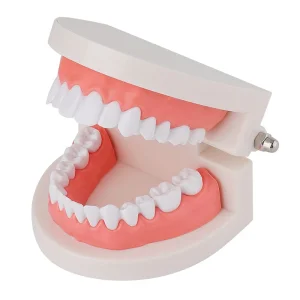
Wholesale Standard tooth brushing model Display demonstration tooth model Factories, Quotes
Useful for Swiss dental hygiene instruction, school outreach and chairside brushing demonstrations.
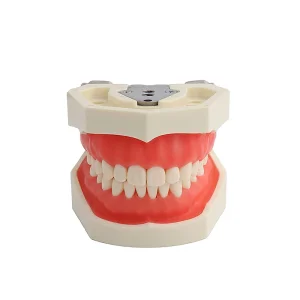
China Teeth Model with 28 Detachable Teeth for Dental Hygiene Students Pricelist, Service
Detachable teeth support repeated teaching, anatomy explanation and hygiene technique practice.
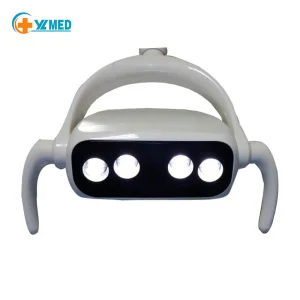
OEM Dental clinic light LED induction light Dental chair light Cold light Dental chair accessories Dental materials Manufacturers, Factory
For Swiss clinics and distributors seeking chair-light accessories with documented specifications.
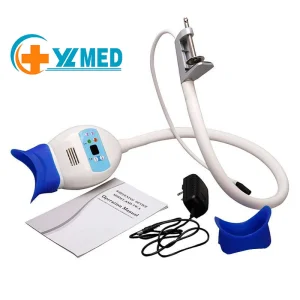
China cold light whitening instrument LED blue card in the column clamp table whitening lamp cosmetic dental beauty instrument Manufacturer, Quotes
A clinic and beauty-dental line for markets where patient-visible cosmetic services are growing.
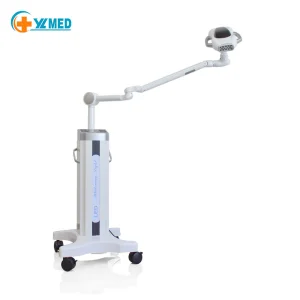
China Cold-light tooth whitening instrument for dentistry oral clinic beauty salon blue LED cold-light whitening instrument Manufacturer, Manufacturers
For dental clinics, oral care centres and beauty salons needing a compact whitening workflow.
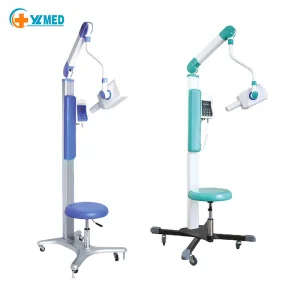
ODM Dental mobile X-ray machine dental radiography machine dental equipment Magnolia officinalis vertical X-ray machine Manufacturers, Factories
A high-consideration imaging category that requires early regulatory and technical review.
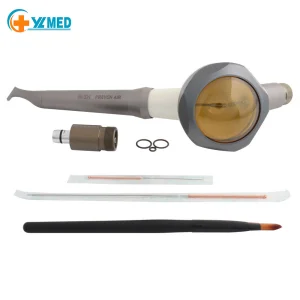
ODM Oral medical equipment can be sterilized at high temperature Dental sandblasting gun supragingival whitening cleaning machine Factory, Pricelist
A practical category for clinics and labs evaluating cleaning, surface preparation and reprocessing support.
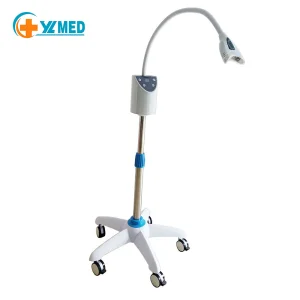
Wholesale Dental cold light column mobile tooth whitening instrument monochromatic blue light dental cleaner clinic equipment Manufacturers, Service
A mobile whitening and clinic-service option for distributors supporting multiple practice locations.
Planning A Swiss Dental Equipment Order? Start With A Specifications Review.
Tell us your target quantities, intended use, canton or language region, preferred Incoterms and whether you need private label. Our export team will recommend suitable dental tools and equipment, share specifications and propose a consolidated shipment plan for your Swiss distribution project.
Henan Yulin Edu. Project Co., Ltd.
- No. 8, Daoqing Road, Industry Park, Hongqi District, Xinxiang, Henan, China
- 0086-13503800666
- [email protected]
- WhatsApp: +86 135 0380 0666