OEM Mini beginner Training AED trainer Manufacturers, Factory
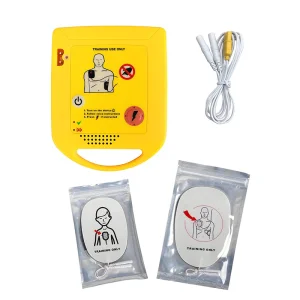
Ideal for Ethiopian first-aid training centres, nursing colleges, Red Cross volunteer programmes and hospital CPR refresher courses.
Request Ethiopia QuoteStart with a tender-friendly shortlist. These four products cover emergency training, surgical lighting, vascular access and inpatient wards—common line items in Ethiopian hospital, teaching and primary-care procurement.
Ideal for Ethiopian first-aid training centres, nursing colleges, Red Cross volunteer programmes and hospital CPR refresher courses.
Request Ethiopia Quote
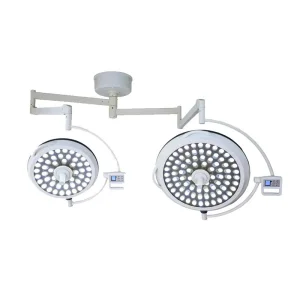
For surgical suites in Addis Ababa referral hospitals, regional hospitals and private surgical centres requiring reliable, low-heat illumination.
Request Ethiopia Quote
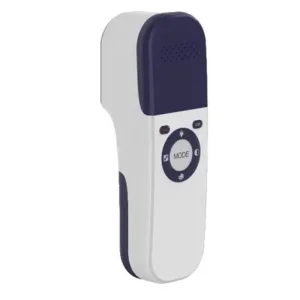
Useful in paediatric wards, emergency departments, blood-donation units and difficult-access cases where quick vein location improves care.
Request Ethiopia Quote
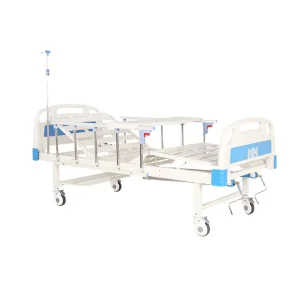
A practical choice for post-operative recovery, long-term care and ward upgrades where adjustable positioning and patient comfort matter.
Request Ethiopia QuoteYears of manufacturing history
Professional team members
Product lines for one-stop sourcing
Typical quotation reply time
Ethiopia is not a single market. It is a layered procurement ecosystem of federal tenders, regional health bureaus, faith-based facilities, private hospitals, NGOs, teaching institutions and rapidly expanding urban clinics.
With a population estimated at more than 120 million and one of Africa's fastest-growing health workforces, Ethiopia continues to invest in primary health care, referral hospitals, maternal and child health, emergency services and medical education. The Health Sector Transformation Plan framework has prioritized access, quality and equity, while public procurement is largely coordinated through the Ethiopian Pharmaceutical Supply Service, the Ministry of Health, regional health bureaus and donor-funded programmes.
Local manufacturing of medical apparatus and instruments remains limited relative to demand. That creates a clear role for imported equipment, especially from China, where suppliers can combine competitive pricing with broad product ranges. However, Ethiopian buyers rarely purchase a single isolated device. They need mixed-category orders, EFDA-ready documentation, spare parts, training and predictable logistics from one accountable supplier.
The commercial reality is that a low FOB price can become an expensive purchase if it excludes registration support, protective packaging, installation guidance or after-sales parts. The most successful quotes for Ethiopia are built around landed cost and serviceability, not simply unit price. They specify Incoterms, packaging, warranty, spare parts, lead time and price validity in a transparent way.
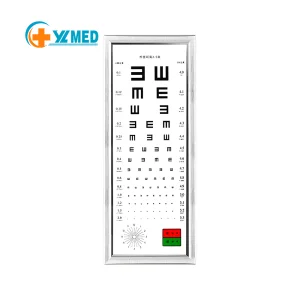
Vein finder, LED eye chart, dual-head stethoscope and trauma shears for health centres, outreach screening and first-line clinical assessment.
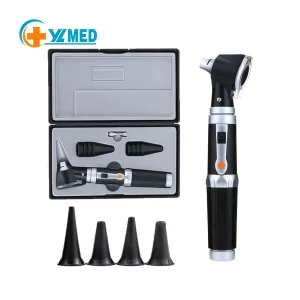
Double-head LED shadowless lamp, five-function patient beds and diagnostic otoscope/ophthalmoscope sets for surgical, inpatient and outpatient departments.
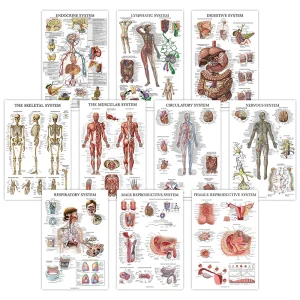
AED trainer, anatomical wall chart set and adjustable dental stool for simulation labs, OSCE stations, nursing colleges and health science institutes.
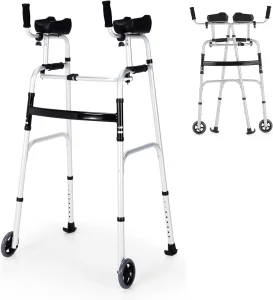
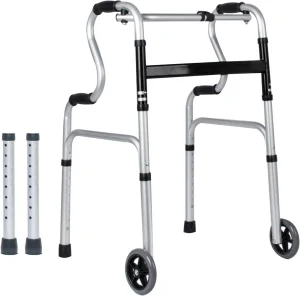
Foldable standard walker and 3-in-1 stand-up assist walker for stroke recovery, disability support, elderly care and community rehabilitation programmes.
Medical device sourcing has moved from a purely transactional model to a resilience and total-cost model. Ethiopia's importers are part of that shift.
The global medical device market is widely estimated at more than USD 500 billion, with long-term growth driven by aging populations, chronic disease, surgical volumes, home care and digital health. China remains one of the world's most important manufacturing bases because it combines component depth, mature supply chains, flexible OEM/ODM capability and competitive engineering costs. Buyers in Africa, the Middle East, Latin America and Southeast Asia increasingly source mixed-category containers from Chinese factories rather than managing many small suppliers.
For Ethiopia, this global context has three practical implications. First, consolidation reduces freight and clearance complexity. A single shipment can include emergency training devices, ward furniture, diagnostic instruments, rehabilitation aids and teaching models. Second, quality expectations are rising. Distributors want ISO 9001 process control, product-specific test reports and documentation that supports EFDA registration. Third, after-sales capability is now part of the product. Spare parts, manuals, training videos and responsive communication matter as much as the device itself.
Henan Yulin Edu. Project Co., Ltd.—Yulin Medical—has manufactured educational and medical equipment since 1958 and has held ISO 9001 certification since 2008. With more than 200 professional staff and RMB 120 million in registered capital, the company operates 10 product lines from its factory in Xinxiang, Henan. That breadth is useful for Ethiopian importers who want one accountable source for anatomy models, nursing simulators, hospital equipment and medical apparatus.
China's component and manufacturing clusters shorten production cycles and support custom packaging, private label and mixed-model orders.
For price-sensitive public tenders and private clinics, Chinese suppliers often deliver the most practical balance of function, durability and cost.
Mixed-category orders reduce the number of suppliers, shipping documents, inspection steps and after-sales contacts Ethiopian buyers must manage.
International buyers increasingly require technical files, test reports, certificates and warranty statements before awards and customs clearance.
Remote diagnostics, video-based training and spare-parts kits are becoming standard expectations for equipment supplied to Ethiopia.
One supplier covering 10 product lines can support hospital, clinic, laboratory, dental, rehabilitation and training projects in a single order.
Ethiopian clinical environments range from high-volume referral hospitals in Addis Ababa to remote health posts with intermittent power and long supply chains. Equipment selection must match the setting, not only the catalogue.
Battery-backed vein finders, LED eye charts, dual-head stethoscopes and trauma shears support screening, triage and basic procedures. Look for rugged housings, simple controls and low-maintenance consumables.
Double-head LED shadowless lamps, five-function beds and otoscope/ophthalmoscope sets fit theatre, ward and outpatient needs. Confirm 220V/50Hz compatibility, IEC 60601 electrical safety evidence and spare-part availability.
AED trainers, anatomical wall charts and dental stools support simulation-based education, OSCE assessment and clinical skills laboratories. Durable, replaceable parts reduce downtime in high-turnover teaching environments.
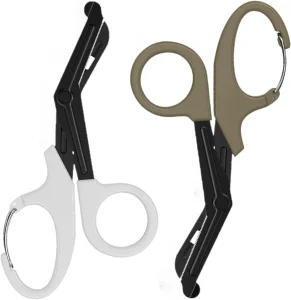
Trauma shears, vein finders and AED training devices support pre-hospital care, road-traffic injury response and first-aid programmes. Portability, quick access and simple cleaning are critical.
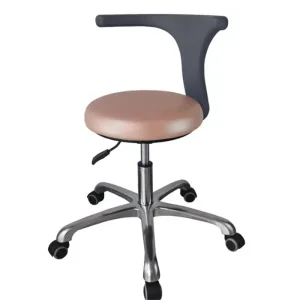
Adjustable dental assistant stools improve ergonomics during long procedures. For teaching laboratories, select easy-to-disinfect surfaces and stable height adjustment mechanisms.
Foldable walkers and 3-in-1 stand-up assist walkers support stroke recovery, disability inclusion and aging-in-place care. Bariatric options and narrow-lane designs improve real-world usability.
Regulatory preparation, logistics and after-sales support should be designed into the quotation from the beginning. Compliance is a process, not a single certificate.
Medical devices imported into Ethiopia are regulated by the Ethiopian Food and Drug Authority. Depending on the product classification and intended use, importers may need product registration, import permits and supporting technical documentation. Yulin Medical supports buyers with the documents typically requested for tenders and registration files, including ISO 9001 evidence, product specifications, instruction manuals, labelling information, packing lists, certificates of origin, test reports where available and warranty statements. Buyers should always confirm current EFDA requirements with their local regulatory consultant or the authority before shipment.
Logistics is equally important. Most Ethiopian imports move through the Port of Djibouti and then by road to Addis Ababa or regional destinations. Quotations should clearly state whether the price is FOB, CIF Djibouti or another agreed Incoterm. For mixed-category orders, container consolidation can reduce freight and handling costs, but packaging must protect instruments, lamps, beds and rehabilitation aids from humidity, shock and long-distance handling.
Quality management system certificate and scope details for supplier qualification.
Product specifications, materials, dimensions, power requirements and configuration details.
English IFU with operation, cleaning, maintenance and safety information for clinical users.
Available electrical safety, EMC or performance evidence depending on the product and order.
Export documentation prepared for customs, tender files and import clearance.
Item-level packaging, dimensions, gross weight, HS code guidance and carton markings.
Clear warranty period, coverage terms, exclusions and spare-parts supply commitment.
Recommended consumables and spare parts to reduce downtime and support maintenance planning.
Ethiopia's next procurement cycle will reward suppliers who can connect clinical value, digital support, energy resilience and lifecycle service.
Global medical equipment is moving toward connected diagnostics, point-of-care testing, simulation-based education, home care and preventive maintenance analytics. In Ethiopia, these trends will be shaped by electrification, internet coverage, biomedical engineering capacity and the continued expansion of medical and nursing education. Equipment that assumes stable power, high-bandwidth connectivity or specialist on-site engineers may create avoidable downtime.
The practical roadmap is therefore not about chasing every new technology. It is about modular design, battery backup, low-maintenance mechanics, clear documentation and serviceable spare parts. Suppliers who can support these fundamentals will be better positioned for public tenders, private hospital groups and distributor programmes.
EFDA-ready dossiers, battery-backed devices, humidity-protective packaging and mixed-category shipments become baseline expectations.
Simulation feedback, remote service support, solar-compatible equipment and distributor training programmes expand across urban and regional facilities.
Knock-down kits, local assembly, calibration support and spare-parts hubs can improve lead times and align with industrial-park incentives.
AI-assisted screening, telemedicine integration and preventive-maintenance analytics will reward suppliers with strong data and service capabilities.
A price list is a reference. A quotation is a commercial commitment. Ethiopian buyers should ask for the full cost architecture before comparing suppliers.
Medical apparatus and instruments pricing varies with configuration, quantity, packaging, customization, raw-material costs, exchange rates and freight. A responsible supplier will state the quotation validity, payment terms, Incoterms, lead time and warranty conditions. For tender submissions, the quotation should also align with the specified technical requirements and include any requested authorization, after-sales or training documents.
To receive a useful Ethiopia quotation, share the following: product model or intended use, quantity, target city or project site, tender reference if any, required certification, preferred Incoterm, packaging needs, language requirements and after-sales expectations. The more specific the brief, the more accurate the landed-cost estimate.
Model, configuration, accessories, voltage, plug type, materials and performance requirements.
ISO 9001, test reports, IFU, labels, certificate of origin and EFDA-support documents where applicable.
FOB China, CIF Djibouti or another agreed term, with port, inland transport and clearance responsibilities clarified.
Export carton specifications, humidity protection, mixed-order consolidation and container loading plan.
Production schedule, inspection date, shipping window and quotation validity given currency and freight volatility.
Warranty period, spare-parts list, training materials, remote support and escalation contact.
These eight items support teaching, diagnostics, dental care, rehabilitation and emergency response. They can be consolidated with the priority shortlist into one Ethiopia shipment.
For Ethiopian medical schools, nursing colleges and health science institutes that need durable visual teaching aids.
Request Ethiopia Quote
A practical choice for dental clinics, dental schools and hospital dental units where operator comfort and hygiene matter.
Request Ethiopia Quote
Lightweight and foldable for rehabilitation centres, home care, elderly support and community-based disability programmes.
Request Ethiopia Quote
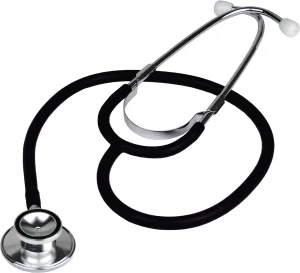
For family doctors, outpatient clinics, outreach teams and nursing students who need reliable auscultation in daily practice.
Request Ethiopia Quote
Useful for post-stroke recovery, bariatric support and narrow-lane home environments where standard walkers may be difficult to use.
Request Ethiopia Quote
For school screening, occupational health, primary clinics and ophthalmology outreach programmes requiring standardised vision testing.
Request Ethiopia Quote
A double-screen diagnostic set for primary care, ENT screening, eye examination and teaching clinics. Customized logo options available.
Request Ethiopia Quote
For ambulance crews, emergency departments, nursing stations and first-aid kits. Stainless steel construction with carabiner for quick access.
Request Ethiopia QuoteHenan Yulin Edu. Project Co., Ltd.—Yulin Medical—was founded in 1958 and operates its own factory in Xinxiang, Henan, China. Our quality management system has been ISO 9001 certified since 2008. We are a manufacturer, not a trading company. For one-stop orders, we coordinate a stable network of long-term partner factories, which helps Ethiopian distributors consolidate multiple product lines into one shipment.
Our product portfolio covers 10 lines, including anatomy models, biology prepared slides, dental tools, general teaching models, hospital furniture, hospital machines and tools, medical apparatus and instruments, nursing models, skeleton models and suture pads. The company motto is quality first, service first. Our export team is online 7 days a week and typically replies within 24 hours.
Straight answers to the questions procurement managers, distributors and tender teams ask most before placing an order.
Send us your product list, quantities, destination, tender reference and documentation requirements. Our export team will prepare a clear quotation with specifications, packing details, lead time and shipping options.