
Four General Teaching Models for Hanoi Classrooms and Fast Quotes
These first four models fit common Hanoi buying scenarios: lower-secondary biology demonstrations, plant anatomy lessons, primary STEM clubs and physics maker activities. Each product keeps its original factory link so a Hanoi school, distributor or tender contractor can request a current quotation, datasheet and packing plan without losing the source reference.
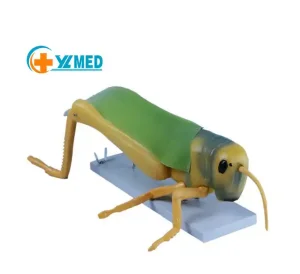
China Medical Science Enlarged Locust Structure Animal Model free 3d animal model life size animal model Factories, Service
Best fit: insect anatomy demonstrations, teacher-training classes and science-centre displays. The enlarged structure helps Hanoi students see external morphology when microscope time is limited.
View product & request Hanoi quote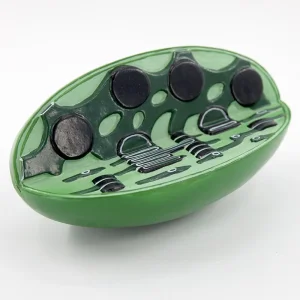
China Biological Teaching Model Plant Anatomical Microscopic Chloroplast Model for School Teaching Tool Factory, Factories
Best fit: photosynthesis and plant-cell lessons. A visible chloroplast model gives Hanoi teachers a practical classroom aid for explaining structures that are otherwise microscopic.
View product & request Hanoi quote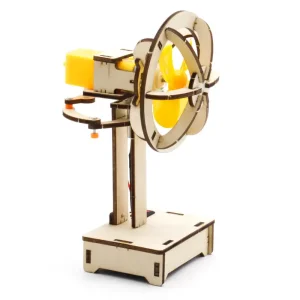
China oscillating fan small experiment 4-7years old students science and technology production classroom hand-assembled materia Factory, Pricelist
Best fit: early-grade maker clubs and science corners. The hand-assembled fan introduces circuits, motion and simple troubleshooting in a safe, tactile format for Hanoi primary classrooms.
View product & request Hanoi quote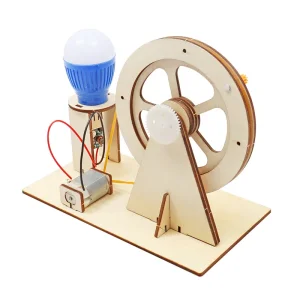
OEM Newest Assemble Wooden Intelligent Science Kits Children Homemade Hand Generator Wood DIY Educational Physics Toys Manufacturer, Manufacturers
Best fit: energy-conversion lessons, after-school STEM programmes and teacher workshops. The wooden generator links physics theory with hands-on assembly and low-voltage experimentation.
View product & request Hanoi quoteWhat “Quotes Serving Hanoi” Means in the 2025 General Teaching Models Market
For a Hanoi school, education-equipment distributor or tender contractor, a useful quotation is much more than a unit price. It is a decision package covering model selection, curriculum fit, Vietnamese classroom constraints, export packing, shipping terms, import documentation and after-sales support. Searchers who use the phrase “China General Teaching Models Manufacturers & Quotes serving Hanoi” are usually comparing suppliers for one of four reasons: a new STEM lab, a biology or geography upgrade, a distributor stock plan, or a tender requiring documented specifications.
This guide is written from the perspective of Henan Yulin Edu. Project Co., Ltd., a manufacturer founded in 1958 with ISO 9001 certification since 2008, more than 200 professional staff and ten product lines. We manufacture and export teaching models, medical training models and hospital equipment. Our information gain for Hanoi buyers is practical: how to compare Chinese factory quotes without being misled by a low unit price, how to prepare a tender-ready package, and how to localise products for Vietnamese classrooms without sacrificing quality.
Landed-cost thinking
Compare FOB, CIF Hai Phong and DDP Hanoi. Packaging volume, pallet configuration and trucking from the port can change the real cost more than a small unit-price difference.
Tender-ready proof
Ask for model dimensions, material lists, packing data, inspection records and photos. The quote should be usable by a procurement officer who must defend the selection to a committee.
Classroom fit
Hanoi classrooms vary in humidity, storage space and class size. A model that is visually impressive but difficult to store or repair may create long-term cost for the school.
Maintenance and spare parts
For distributors, repeat business depends on replacement parts, small accessories and teacher guidance. Request a spare-parts list before confirming a mixed-container order.
OEM and local branding
Private-label packaging and bilingual labels help Hanoi distributors sell to schools while keeping product traceability with the factory.
Curriculum relevance
The most defensible products connect to learning outcomes: insect anatomy, plant cells, circuits, energy conversion, earth science and astronomy.
Hanoi’s Education and Industrial Context: Why Teaching Models Are a Growth Category
Hanoi is not only Vietnam’s political capital; it is one of the country’s densest education, training and technology hubs. The city combines public schools, international schools, pedagogical universities, technical colleges, science centres, education-equipment traders and industrial-park training centres. That mix creates demand for general teaching models that can serve both classroom demonstration and practical training. For a Chinese manufacturer, Hanoi is therefore not a single market but several buying groups with different specifications and service expectations.
K-12 STEM refresh
Hanoi’s primary and secondary schools continue to expand science corners, robotics clubs and project-based learning. Lightweight, safe and repairable models are easier to distribute across multiple campuses.
International schools
English-medium and inquiry-based schools often demand consistent finish, bilingual instructions and premium packaging. These buyers compare suppliers on documentation and classroom usability, not only price.
Teacher-training universities
Pedagogical universities and colleges in and around Hanoi use models for methods courses. They value clear structure, durable stands and the ability to demonstrate a concept to a large group.
Vocational and technical colleges
Hanoi’s technical colleges and industrial-park training centres need practical models for physics, mechanics, energy and electronics. Rugged construction and replaceable components matter.
Science centres and museums
Interactive exhibits require stronger finishes, stable bases and visitor-safe edges. A manufacturer that can supply mixed education and museum-style products reduces the number of vendors.
Distributors and tender contractors
Hanoi distributors usually need a compact catalogue of high-turnover SKUs, while tender contractors need project-specific documentation. Both groups benefit from factory consolidation.
Logistics also shapes buying behaviour. Most bulk orders for Hanoi move through Hai Phong port before trucking to the city, while urgent samples and replacement parts may fly into Noi Bai International Airport. A credible quotation should therefore state the Incoterm clearly — EXW, FOB, CIF Hai Phong or DDP Hanoi — and should include packing dimensions, gross weight and carton marks. Because Vietnam uses 220V power and metric dimensions, product specifications should be checked against local classroom conditions. For models with labels, manuals or packaging inserts, English–Vietnamese bilingual support can be discussed during the OEM stage.
China Factory Advantages for Hanoi Buyers: Beyond the Lowest Unit Price
China’s education-equipment supply chain is broad: mould making, injection moulding, woodworking, printing, electronics, metal fabrication and packaging are often located within a few hours of one another. For general teaching models, the real advantage is not simply lower labour cost. It is version control, material consistency, mixed-SKU assembly, custom packaging and the ability to turn a school’s curriculum request into a repeatable product. A factory with decades of manufacturing history can also anticipate problems before they reach the classroom.
Full-category consolidation
Hanoi buyers can combine biology models, physics kits, geography equipment, astronomy models and seismograph demonstrations in one shipment. This reduces supplier management and freight complexity.
ISO 9001 process control
Yulin Medical has held ISO 9001 certification since 2008. Documented inspection helps distributors answer school-board questions and reduces the risk of batch-to-batch variation.
OEM, ODM and local packaging
Private-label boxes, bilingual labels and market-specific instruction sheets can be developed for Hanoi distributors. This raises resale value while preserving factory traceability.
Tender documentation support
Quotations can be structured around model dimensions, materials, packing data, inspection photos and delivery terms. This is important for Hanoi projects that require comparison sheets.
Rapid sampling and iteration
Prototype feedback can be converted into packaging changes, colour adjustments or assembly instructions before bulk production. Early sampling lowers rework risk for new STEM programmes.
Export experience and after-sales
International shipping requires protective packing, accurate carton marks and responsive communication. A manufacturer used to export orders can provide a single point of contact from quotation to replacement parts.
Ten product lines that support a Hanoi one-stop purchase
For buyers who need more than general teaching models, the same factory ecosystem covers medical and laboratory education categories. The links below preserve the original category URLs.
Industry Trends Shaping General Teaching Models for Hanoi, 2025–2030
Teaching models are becoming more curriculum-linked, more modular and more documentable. At the same time, Hanoi’s schools and training centres are asking for products that survive real classrooms: humidity, shared storage, frequent handling and crowded demonstration spaces. The strongest suppliers will be those that combine educational understanding with manufacturing discipline.
Curriculum-linked STEM kits
Buyers increasingly ask for a learning outcome, not just a product name. A kit that supports a specific lesson — circuits, energy conversion, plant anatomy or earth science — is easier to defend in procurement.
Tactile learning in an AI era
AI and simulation complement, but do not replace, hands-on models. Hanoi teachers still need physical objects for observation, assembly and classroom demonstration, especially where devices are shared.
Safer materials and sustainability
Schools are paying more attention to edge finishing, paint adhesion, odour, packaging waste and replacement parts. Suppliers that can document materials and finishes will have an advantage in premium projects.
Local language and teacher guides
English-only manuals are workable for international schools but less convenient for public-school teachers. Bilingual labels, assembly guides and teacher notes are becoming a differentiator for Hanoi distributors.
Traceability in tenders
Procurement teams increasingly request model codes, photos, packing lists and inspection records. A quotation that includes these elements saves time and reduces clarification cycles.
Hybrid procurement
Buyers may order a sample first, evaluate it with teachers, then place a bulk order with mixed SKUs. Factories that support low-friction sampling and consolidated packing are better positioned for repeat orders.
A Hanoi-specific trend is the growing use of general teaching models in non-school settings. Industrial-park training centres, teacher-development workshops, science festivals and library learning corners all need durable demonstration products. This expands the buyer list from education-equipment distributors to training providers, museums and corporate STEM programmes. Manufacturers that can supply the same core model with different stands, labels or packaging can serve several channels without building a new product from scratch.
Localized Application Scenarios in Hanoi
The same product can require different packaging, instructions and presentation depending on the Hanoi buyer. Below are practical scenarios that help distributors and schools specify the right model instead of buying a catalogue item with no clear use case.
Primary science corners
Models such as the oscillating fan and hand generator are suitable for young learners when assemblies are simplified, edges are safe and teacher notes explain the science in clear language. Hanoi primary schools often use these products in rotating activity stations.
Lower-secondary biology
The enlarged locust model and chloroplast model support observation-based lessons. For Hanoi schools with limited microscope access, a large demonstration model keeps the whole class involved and reduces equipment bottlenecks.
Geography and earth science
The tellurion, plate-tectonics display, Sun–Earth–Moon orbital kit, eight-planet model and seismograph model are relevant to Hanoi’s geography labs and science-centre exhibits. They help students connect abstract earth processes with visible models.
Physics and DIY technology
Shaking-head fan models, wooden generators and buoyancy boats can be used for project-based learning. Hanoi teachers often need kits that are repeatable across classes, so durable parts and labelled components are important.
STEM clubs and competitions
After-school clubs and science fairs require visual and interactive models. A distributor can bundle multiple kits into a “Hanoi STEM discovery pack” with a teacher guide, spare parts and a simple inventory list.
Teacher training and university methods
Pedagogical universities and in-service teacher workshops need clear, large-scale examples. Models that can be disassembled and reassembled are especially useful for demonstrating how to guide students through observation and explanation.
Macro Industry Solutions: A Procurement Blueprint for Hanoi Projects
Whether the buyer is a single school or a city-level tender contractor, a structured procurement path reduces risk. The blueprint below turns a broad request for “general teaching models” into a quote that can be evaluated, approved and delivered to Hanoi.
Map the learning outcomes
List the grades, subjects and classroom activities. For example, a lower-secondary biology lab may need insect and plant models, while a geography room may need tellurion, tectonics and seismograph displays.
Shortlist models and samples
Request photos, dimensions, material descriptions and a sample plan. Compare the product against the actual teaching purpose rather than the longest product title.
Build a Hanoi landed-cost quote
Ask for EXW, FOB or CIF Hai Phong pricing, plus estimated DDP Hanoi. Include carton size, gross weight, packing method and lead time so the landed cost can be compared.
Localise packaging and labels
For distributor orders, discuss private-label boxes, English–Vietnamese labels, barcodes, spare-part bags and a simple teacher instruction sheet.
Confirm production and QC
Approve the sample and packing standard before mass production. Inspection should cover appearance, assembly, function, accessories, labels and carton marks.
Prepare tender documents
Collect model codes, specifications, material lists, photos, packing data and certificates. A well-prepared document pack reduces clarification requests from Hanoi procurement teams.
Arrange logistics and after-sales
Choose air freight for samples or urgent parts, and sea freight via Hai Phong for bulk orders. Clarify warranty, replacement policy and spare-part availability before shipment.
Need a Hanoi-ready quotation with models, packing and delivery options?
Send your grade levels, subject list, quantities and target delivery date. We will reply with a practical selection and quotation route.
A strong Hanoi quote should include: model code, product photo, dimensions, material, packing quantity, carton size, gross weight, Incoterm, lead time, payment term, warranty and spare-part list. If a supplier cannot provide these details, the quotation is not ready for a school or tender committee.
Global Procurement Demand and a Supplier Evaluation Checklist
Across Southeast Asia, the Middle East, Africa and Latin America, buyers are asking for the same fundamentals: a real factory, consistent quality, clear documents and responsive after-sales. Hanoi buyers add a few local requirements — humidity-resistant packaging, transport via Hai Phong and practical support for Vietnamese-speaking teachers. The checklist below helps procurement teams compare Chinese manufacturers with less risk.
Factory identity and experience
Confirm the company name, factory address, years in operation and main product lines. A manufacturer with a long history can usually explain materials, assembly and common failure points.
ISO and product documentation
Ask for ISO 9001 evidence and model-specific documents where available. For tenders, request a document checklist before quotation, not after the order is placed.
Sample-to-production consistency
Evaluate a sample and require the approved sample as a reference. Check colour, material, edges, printed labels, accessories and packaging.
Spare parts and repairability
For Hanoi distributors, spare motors, stands, clips, printed parts and small accessories can create repeat revenue. Ask for a simple spare-part list with the quotation.
Bilingual manuals and labels
Confirm what language is included. If Vietnamese is required, ask for translation responsibilities, label proofing and file ownership before bulk printing.
Humidity and transport packing
Hanoi’s humid climate and sea-freight route require moisture protection, secure inner packing and clear carton marks. Ask for packing photos before shipment.
Incoterms and lead time
Compare EXW, FOB, CIF Hai Phong and DDP Hanoi on the same scope. Confirm production lead time separately from transit time so the school can plan installation.
Warranty and response speed
Ask how damage or missing parts are handled, what evidence is required and how quickly replacements can be arranged. Yulin Medical’s export team typically replies within 24 hours.
Manufacturer Profile: Henan Yulin Edu. Project Co., Ltd.
Yulin Medical is a manufacturer, not a trading company. Henan Yulin Edu. Project Co., Ltd. was founded in 1958 and operates its factory in Xinxiang, Henan, China, with more than 200 professional staff and registered capital of RMB 120 million. Our quality management system has been ISO 9001 certified since 2008. We manage product development, manufacturing, inspection and export across ten product lines, from anatomy models and general teaching models to hospital furniture and medical apparatus.



Our aim is simple: dependable quality and attentive service at a fair factory price. For one-stop orders, we coordinate a stable network of long-term partner factories, which helps distributors and tender contractors source mixed categories without managing many suppliers. Our in-house design team supports private-label packaging and product presentation for distributors who want to build local brand value in Hanoi and across Vietnam.
FAQ: China General Teaching Models, Quotes and Delivery to Hanoi
These answers reflect the questions most often asked by overseas buyers, including Hanoi distributors, schools and tender contractors. For a specific model, request a current datasheet and quotation before relying on general information.
Is Yulin Medical a manufacturer or a trading company?
What quality certification does Yulin Medical hold?
Do you support OEM, private label and custom packaging?
How do I choose the right CPR training manikin?
How quickly will I receive a reply?
Can you quote delivery to Hanoi and state the Incoterm?
How do you support Vietnamese curriculum and language requirements?
What is the MOQ and lead time for a Hanoi order?
How are teaching models packed for humid conditions and sea freight?
Can you support a school tender or project quotation?
More Factory-Direct Teaching Models for Hanoi Distribution and Tender Packages
The following eight products complete the original product set and keep every original image and URL. They cover physics experiments, energy models, buoyancy, geography, geology, astronomy and seismograph demonstrations — suitable for Hanoi school labs, distributors, science centres and project quotations.
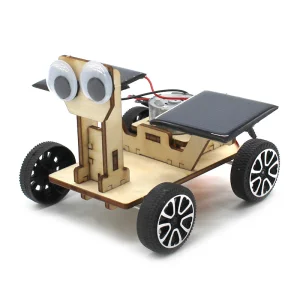
China Shaking head fan No. 2 Scientific experiment model Handmade wooden technology small production model Manufacturers, Pricelist
Hanoi fit: classroom technology projects, simple mechanics and assembly practice.
View product & request Hanoi quote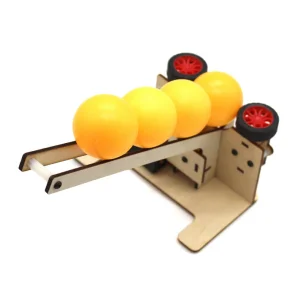
ODM Teaser Fun Science small production of primary and secondary school students stem education movement Energy driving model Manufacturers, Factory
Hanoi fit: STEM clubs, science fairs and energy-conversion demonstrations.
View product & request Hanoi quote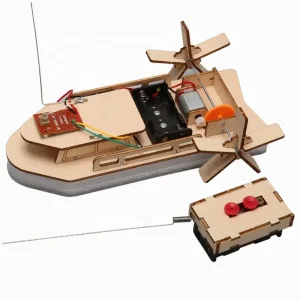
China Self-made electric remote control buoyancy boat - a scientific invention of primary school students Manufacturers, Quotes
Hanoi fit: water-science activities, buoyancy lessons and maker competitions.
View product & request Hanoi quote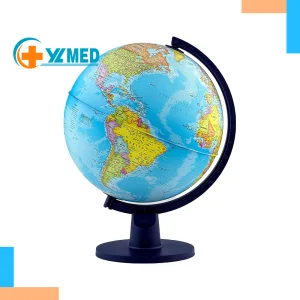
Wholesale 32cm Geography Teaching Equipment Factory Price World Earth Map Rotatable Tellurion with PP Support and Pedestal Globe Manufacturer, Pricelist
Hanoi fit: earth rotation, day–night cycles and classroom geography demonstrations.
View product & request Hanoi quote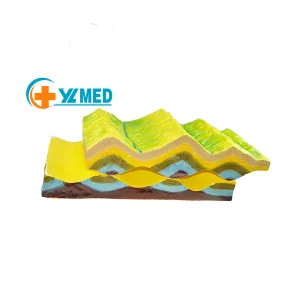
China Teaching Resource School Geology Wooden Molecular Model Plate Structure and Surface Morphology Model Plate Tectonics Display Manufacturer, Service
Hanoi fit: geology, earth structure and plate-tectonics displays for secondary schools.
View product & request Hanoi quote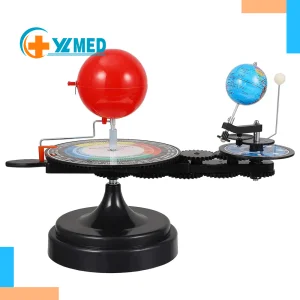
Wholesale Sun Earth Moon Orbital Model Kits Solar System Model Astronomical Science Educational Kits Solar System Model Kit Manufacturer, Quotes
Hanoi fit: astronomy lessons, seasons, eclipses and science-centre exhibits.
View product & request Hanoi quote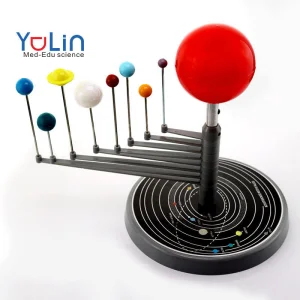
ODM Geography Discipline Teaching Instruments and Astronomy Laboratory Eight Planets Solar System Model with Light Factory, Quotes
Hanoi fit: astronomy laboratories, planet displays and interactive science corners.
View product & request Hanoi quote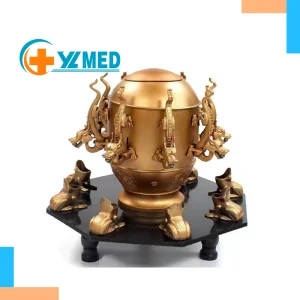
ODM Primary School Science Experiment Equipment Model Seismograph for Geography Teaching for Primary Science Labs Pricelist, Service
Hanoi fit: earthquake education, geography demonstrations and science-lab activities.
View product & request Hanoi quoteReady to compare a Hanoi-ready quotation?
Send your school level, subject list, quantities and preferred Incoterm. Our export team will reply with a practical selection, packing data and delivery route.