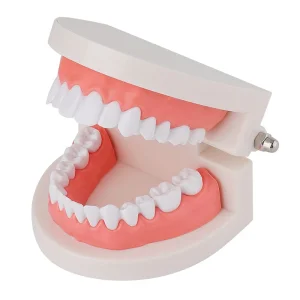
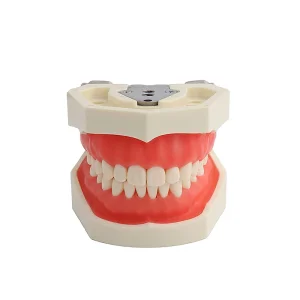
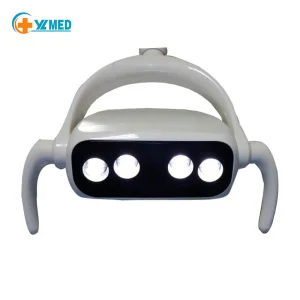
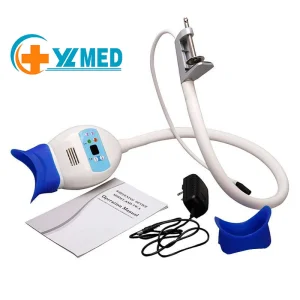
Dental care in Ghana is concentrated around Accra, Kumasi, Takoradi, Cape Coast and Tamale, but demand radiates outward through private clinics, faith-based hospitals, NGOs and regional health facilities. Buyers typically search for a reliable China dental tools and equipment factory because they need a combination of affordability, product breadth, spare-part availability and export documentation. The phrase “factories in Ghana” is also common among procurement teams looking for local dental laboratories, service workshops or distributors that can support installation and after-sales service. In reality, most advanced dental equipment is imported, while Ghanaian laboratories and clinics add value through local customization, training and service.
Public and teaching institutions usually prioritise documentation, traceability, training value and long-term maintainability. Private clinics tend to focus on patient experience, chairside efficiency, aesthetic dentistry and fast replacement of consumables. Distributors need a supplier that can consolidate multiple product categories into one shipment, support private-label packaging and provide spare parts before the first order is even delivered. NGOs and outreach programmes care about portability, rugged packaging, low power consumption and simple operation.
Ghana's nominal power supply is 230 V/50 Hz, with Type G outlets widely used, but voltage fluctuation and surge events remain practical concerns for imported electronics. Buyers should specify voltage stabilizers, surge protection, spare fuses and clear operating instructions. The main sea gateway is Tema Port, while Kotoka International Airport supports urgent air freight. Humidity, dust and long inland transport mean that export packing must be designed for more than a warehouse shelf.
Regulatory checks matter. The Food and Drugs Authority (FDA) Ghana regulates medical devices and related imports, and the Ghana Standards Authority may apply relevant standards. Requirements can change by product classification, so importers should confirm current registration, labelling, documentation and import-permit expectations with a local regulatory consultant or licensed agent. A responsible factory should provide product-specific documentation, but the importer remains responsible for confirming local compliance.
- Define the buyer type: dental school, private clinic, hospital, laboratory, beauty suite, NGO or distributor.
- Confirm voltage, plug type, surge protection and spare-part strategy before shipment.
- Plan documentation for FDA Ghana, customs and tender requirements before placing a bulk order.
- Use mixed-category orders to reduce freight cost while keeping each product line properly packed.