
Four Anatomy Models Frequently Requested for Boston Programs
These models support ophthalmology, general anatomy, nursing fundamentals and musculoskeletal teaching. Each product link below is preserved and can be quoted with Boston delivery coordination, English labels, private-label packaging and mixed-carton consolidation.
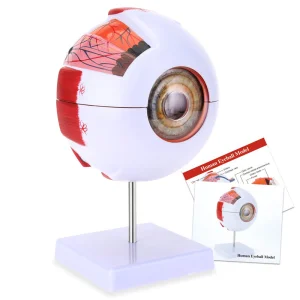
China Medical teaching 6x adult eye anatomy model Manufacturers, Service
View Boston Price & Service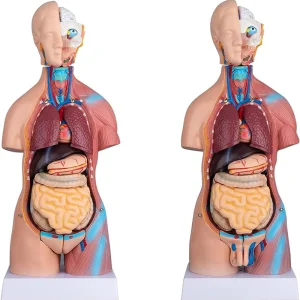
ODM 23 Parts Human Body Torso Model 45Cm Anatomy Model Unisex Removable Parts with Heart Brain for School Science Medical Education Pricelist, Quotes
View Boston Price & Service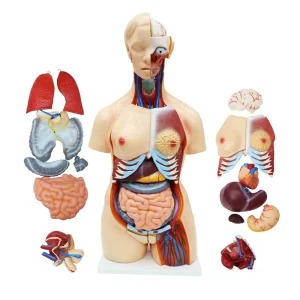
ODM Anatomical Medical Torso Model 23 Parts, 85cm Life Size Model with Removable Organs for Class, Students, Teaching Supplies Manufacturer, Manufacturers
View Boston Price & Service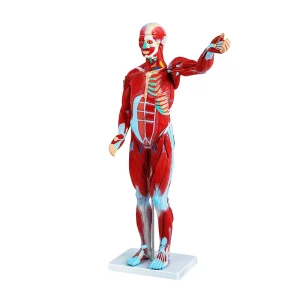
China 27 parts 80cm human muscle human model Pricelist, Service
View Boston Price & ServiceA Practical Pricelist and Service Framework for Boston Anatomy Model Buyers
Boston is not a single purchasing market. A teaching hospital in the Longwood Medical Area, a community college in Greater Boston, a distributor in New England and a biotech training team in Kendall Square may buy the same torso model for very different reasons — and their RFQs should not be treated identically.
A China anatomy model pricelist becomes useful only when it is tied to landed cost, sample approval, packaging, documentation and replacement-parts planning. For Boston buyers, the most defensible quotation is not always the lowest unit price. It is the quotation that gives your procurement team a clear path from model selection to classroom deployment without surprises in labeling, packaging, customs documents or after-sales support.
Henan Yulin Edu. Project Co., Ltd. has manufactured educational and medical training equipment since 1958, with ISO 9001 certification since 2008. Our factory in Xinxiang, Henan, China, supports OEM and ODM orders across anatomy models, nursing simulators, skeleton models, suture kits, dental teaching equipment, biology prepared slides and hospital equipment. For Boston clients, that breadth matters because anatomy models are often bought together with nursing manikins, emergency training devices, lab supplies and hospital furniture.
- Factory-direct price bands for samples, pilot orders, tender quantities and repeat replenishment.
- English labeling, private-label packaging and mixed-category consolidation for distributors.
- Documentation support for ISO 9001, material statements, packing lists, commercial invoices and country-of-origin information.
Need a Boston-Specific Quotation?
Send your target models, quantities, delivery ZIP code, required Incoterm, labeling language and tender deadline. Our export team will recommend suitable models and prepare a clear price and service proposal.
Send Inquiry NowBoston’s Anatomy Model Demand: Local Industry Context and Buying Behavior
Boston’s advantage is its concentration of academic medical centers, medical schools, nursing programs, simulation centers, life-science companies and community health organizations. That density creates year-round demand for eye models, 23-part torsos, 85cm life-size torsos, 80cm muscle models, head and neck neurovascular models, brain artery models, ear models, skin models, magnetic heart models, uterus and ovary models, nose and throat models, and related teaching aids.
Academic Medical Centers
Teaching hospitals and medical schools expect anatomical accuracy, consistent color coding, durable finishes, English structure labels and replacement parts. Procurement often involves faculty evaluation, simulation-lab sign-off and value-analysis review.
Nursing, PA, EMS & Allied Health
Programs need cost-effective torsos, heart models, brain models, skin models and portable anatomy aids that survive repeated handling. Kitting by course, barcode labeling and replacement-part planning reduce lab downtime.
Distributors & GPO Channels
New England distributors need private-label packaging, stable repeat-order quality, mixed-carton consolidation and fast quotation support for public tenders, university purchasing and hospital system rollouts.
Biotech & Device Training
Life-science and medical-device teams use anatomy models for internal training, sales education, patient communication and conference demonstrations. Visual clarity and portability can matter as much as part count.
The buying behavior in Boston tends to be evidence-led. Buyers ask for material safety statements, consistent color matching, clear English labels, replacement parts, export packing suitable for multi-leg freight and predictable lead times. For international suppliers, this is an opportunity: price alone is not a strategy. A supplier that can support documentation, sample approval, packaging and after-sales coordination is more likely to become a long-term partner.
What Shapes a Boston Anatomy Model Pricelist?
Price is not a single line item. It is a stack of decisions: model complexity, part count, hand-finishing, mold amortization, private-label packaging, compliance documents, sample cost, quantity, Incoterms, shipping mode and after-sales support.
For example, a 45cm 23-part torso and an 85cm life-size torso can serve overlapping educational goals, but they do not carry the same tooling, packing volume, freight profile or classroom durability requirement. The same is true for an adult eye model, a magnetic two-part heart, a detachable brain artery model or a 35X enlarged skin model. A useful pricelist therefore separates the product price from the Boston service stack: labeling, packaging, documentation, consolidation and delivery coordination.
To receive a precise quotation, send the model name or product URL, target quantity, delivery ZIP code, required Incoterm, labeling language, packaging preference, sample requirement, tender deadline, any material restrictions and spare-parts expectations. Where DDP terms are requested, confirm duty and tax responsibility in writing with your customs broker. This protects both sides and makes the quotation comparable.
RFQ Checklist for Boston Buyers
- Product URL or model name, quantity and target delivery date.
- Destination ZIP code, Incoterm preference and customs broker details.
- English label format, private-label artwork, barcode and packing marks.
- Sample approval, material statements and tender documentation needs.
Technical Roadmap and Future Outlook: Anatomy Models in the Next Five Years
The next wave of anatomy-model development is not simply “more parts.” It is better learning transfer, easier maintenance, clearer labeling and closer alignment with simulation-center workflows.
Digital Labels & QR Learning Support
Buyers increasingly ask for QR-linked structure guides, multilingual labels and course-ready documentation. Physical models remain central, but digital support reduces instructor preparation time.
Modular Magnets & Replacement Parts
Magnetic heart, detachable brain artery and removable-organ torsos benefit from modular design. Boston simulation labs will favor models that can be repaired part-by-part instead of replaced as a whole.
AR-Assisted Anatomy Teaching
Augmented-reality overlays can connect a physical eye, ear, brain or torso model to digital quizzes and layer-by-layer explanations. Suppliers with stable model geometry and clear naming systems will be best positioned.
Material Innovation & Sustainable Options
PVC-free formulations, antimicrobial surface options, improved color stability and lower-VOC coatings are likely to grow in importance for universities and hospital systems with sustainability goals.
For Boston buyers, the practical implication is to ask suppliers for a roadmap, not only a catalog. Confirm whether a model has stable replacement components, whether labels can be customized, whether private-label packaging is available and whether future digital content can be aligned with your curriculum. A supplier that plans for maintenance and curriculum change creates more long-term value than one that competes only on initial price.
Macro Industry Solutions: From One Classroom to a System-Wide Standard
Anatomy models are rarely purchased in isolation. They sit inside curriculum plans, simulation-lab standards, patient-education programs and distributor catalogs. The right supplier should help you standardize without sacrificing flexibility.
Medical School Anatomy Labs
Standardized torsos, eye models, muscle models, heart models and neurovascular models can be specified by course, with consistent colors, numbering and replacement-part inventories.
Nursing & Clinical Simulation
Combine anatomy models with nursing manikins, CPR trainers, suture pads and hospital equipment to create course kits that match lab schedules and accreditation needs.
Hospital Patient Education
Life-size heart, brain, ear, nose and throat models help clinicians explain procedures and conditions in clear visual terms. Durable finishes and easy-clean surfaces are practical priorities.
Distributor Private Label
New England distributors can build a branded anatomy range with private-label boxes, inserts, barcodes and product photography support. Repeat orders can be scheduled to protect stock levels.
Schools, Colleges & STEM
Community colleges, high schools and STEM programs need affordable, durable teaching models. Simplified torsos, eye models, ear models and skin models can be bundled for classroom sets.
Biotech & Device Training
Training teams can use portable anatomy models for sales education, conference demonstrations and internal onboarding. Custom kits can be organized by product line or training module.
Localized Support and Compliance Assurance for Boston and New England
Boston buyers need service, not just a quotation. The most successful supplier relationships are built around clear documentation, consistent product quality, responsive communication and a practical understanding of how universities, hospitals and distributors actually buy.
Export Documentation
Commercial invoice, packing list, country-of-origin information, product descriptions and shipment marks can be prepared for your customs broker and internal supplier-onboarding team.
ISO 9001 & Material Statements
Our quality management system has been ISO 9001 certified since 2008. Product-specific material statements and available test documents can be provided on request for tender review.
English Labels & Packaging
Structure names, warnings, instruction labels and packaging copy can be prepared in English. Private-label artwork can be adapted for distributor catalogs and campus procurement requirements.
Consolidated Shipping
Anatomy models can be consolidated with nursing models, skeleton models, suture kits, slides and hospital equipment to reduce handling and simplify receiving in Boston or New England.
After-Sales & Spare Parts
For removable-organ torsos, magnetic hearts, detachable brain models and modular anatomy aids, replacement-part planning can reduce lab downtime and extend product life.
Virtual Factory Review
Boston-area buyers can request live video factory reviews, production-stage photos and pre-shipment inspection updates. This supports supplier qualification without requiring immediate travel.
Important compliance note: anatomy models are generally educational and demonstration products, but final classification and import requirements depend on the specific product, claims, materials and intended use. Buyers should confirm applicable requirements with their own compliance team or customs broker. ISO 9001 certification supports quality-management review but does not replace product-specific certifications or regulatory determinations.
Supply Chain Resilience and Efficiency Advantages
Henan Yulin Edu. Project Co., Ltd. was founded in 1958 and operates from No. 8, Daoqing Road, Industry Park, Hongqi District, Xinxiang, Henan, China. With registered capital of RMB 120 million, more than 200 professional staff and ISO 9001 certification since 2008, our factory combines long-standing manufacturing experience with modern export discipline.
For Boston buyers, supply-chain resilience means more than “we have a factory.” It means raw-material planning, mold maintenance, repeat-order color matching, in-process quality checks, final inspection and export packing that protects models through multi-leg freight. Our 10 product lines — anatomy models, biology prepared slides, dental tools and equipment, general teaching models, hospital furniture, hospital machines and tools, medical apparatus and instruments, medical nursing models, skeleton models and suture pads and kits — allow mixed-category orders to be consolidated under one accountable supplier.
Efficiency advantages come from standardization at the component level and flexibility at the order level. Distributors can begin with a focused anatomy-model assortment, add nursing simulators or hospital equipment over time, and request private-label packaging as volume grows. For university and hospital programs, the same production system can support tender quantities, course-kit packing and repeat replenishment.
Factory Facts Buyers Can Verify
- Founded in 1958; manufacturing and export experience across decades.
- ISO 9001 quality management system certified since 2008.
- Registered capital RMB 120 million and 200+ professional staff.
- In-house design and packaging support for OEM/ODM projects.
Global Enterprise Procurement Requirements: Building a Defensible RFQ
Enterprise buyers increasingly require supplier risk assessment, capacity disclosure, product traceability, packaging tests and ESG information. A well-structured RFQ helps Boston procurement teams compare suppliers on total value rather than headline price.
| Procurement Requirement | Why It Matters in Boston | What to Request from the Supplier |
|---|---|---|
| Product specification | Faculty and simulation staff need to compare anatomical detail, size, part count and materials. | Model URL, dimension drawing, part list, material description, labeling language and high-resolution images. |
| Quality documentation | University and hospital supplier onboarding often requires evidence of process control. | ISO 9001 certificate, inspection records, pre-shipment inspection plan and batch consistency statement. |
| Packaging validation | Models may move through multiple freight legs before reaching a campus or lab. | Inner packing method, carton dimensions, drop-test practice, barcode format and private-label artwork proof. |
| Commercial clarity | Procurement teams must compare quotes on landed cost and payment risk. | Unit price, MOQ, sample cost, Incoterm, freight estimate, lead time, payment terms and quotation validity. |
| After-sales planning | Replacement parts and repair options protect lab budgets and course schedules. | Spare-part availability, warranty terms, response time and recommended critical spares for repeat users. |
| ESG & material information | Sustainability and material-safety reviews are increasingly common in higher education. | Material statements, packaging recyclability options, restricted-substance declarations and available product test documents. |
One Accountable Source for Related Medical Education Supplies
Anatomy models are often purchased alongside nursing simulation, skeleton models, lab slides, dental teaching equipment and hospital equipment. Yulin Medical supports mixed-category sourcing so Boston distributors and institutions can reduce supplier complexity.
Eight More Anatomy Models for Boston Pricelist and Service Requests
These additional models cover neurovascular anatomy, brain artery structure, ear anatomy, enlarged skin structure, magnetic heart anatomy, female reproductive anatomy, head and neck muscles, and nose and throat anatomy. All product URLs are preserved for direct price and service requests.
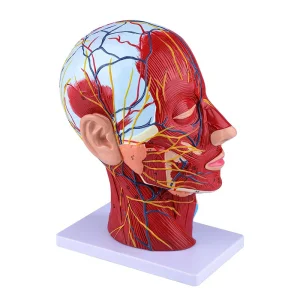
ODM Human Half Head & Neck Anatomy Model Superficial Neurovascular Model Manufacturer, Pricelist
View Boston Price & Service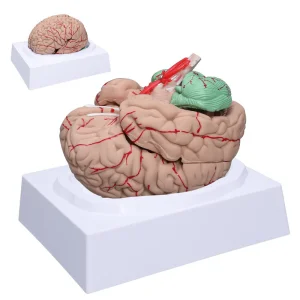
OEM Medical Human Brain Artery Detachable Adult Size Brain Artery Anatomy Model Pricelist, Quotes
View Boston Price & Service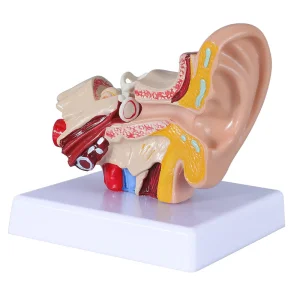
ODM Medical teaching 1.5 times adult ear anatomy model Manufacturers, Pricelist
View Boston Price & Service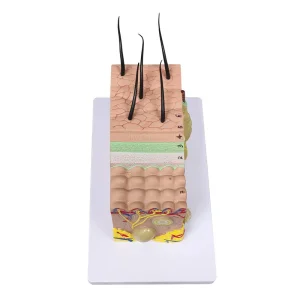
China 35X enlarged human anatomical skin model Manufacturers, Pricelist
View Boston Price & Service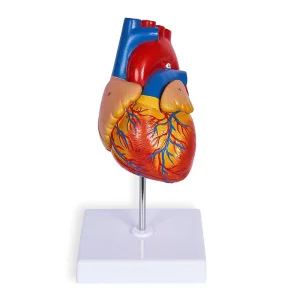
Wholesale Life-size two-part magnetic heart anatomy model Factories, Service
View Boston Price & Service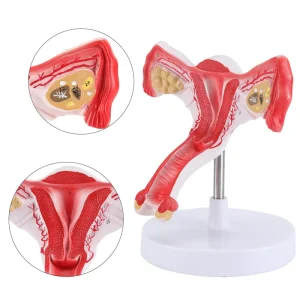
China Anatomical model of female uterus with ovary Manufacturer, Quotes
View Boston Price & Service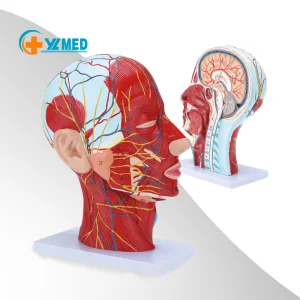
Wholesale Medical anatomical model human head neurovascular model with muscles teaching resource Manufacturer, Factory
View Boston Price & Service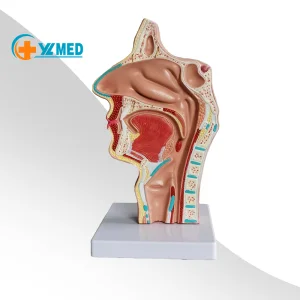
ODM Medical Science Human nose and throat anatomy medical model human anatomy throat model medical mannequins Factories, Service
View Boston Price & ServiceA Transparent Five-Step Process for Boston Buyers
From first conversation to delivery, every stage has a clear contact and practical documentation so you can plan stock, tenders and training schedules with confidence.
Share Requirements
Send product types, quantities, target market, ZIP code and any tender or certification needs.
Catalog & Proposal
Receive matched models, specifications, packaging options and shipping suggestions.
Sample Evaluation
Test samples with instructors or clinicians before confirming bulk production.
Production & QC
Manufacturing and inspection follow our ISO 9001 quality management system.
Export & Support
Protective export packing, delivery coordination and responsive after-sales service.
Why Distributors and Institutions Partner with Yulin Medical
Four strengths overseas buyers consistently cite when they move long-term anatomy model and medical education orders to our factory.
24/7 Responsive Service
Our team is online 24 hours a day, 7 days a week. Whatever your time zone, you receive a detailed answer as quickly as possible — typically within 24 hours.
Design & Packaging Team
In-house specialists deliver professional product presentation and private-label packaging that strengthens your brand and increases the added value of every unit you sell.
Professional Expertise
Our vision is to provide professional educational and medical training products from mainland China, built under ISO 9001 process control and decades of category knowledge.
60+ Years of Supply Stability
A factory with more than 60 years of history and a deeply integrated partner supply chain lets us meet one-stop demands and keep lead times predictable on repeat orders.
Practical Insights from Our Specialists
Product guidance, exhibition updates and practical sourcing notes from the team that designs, manufactures and exports medical education equipment.

Do You Really Know How to Observe Biological Prepared Slides?
Many plant and animal cell structures can only be studied under a microscope, which makes prepared biological slides essential in every biology lab. Our specialists explain how to handle, focus and store slides correctly so students see clearer detail and your slide sets last for years.

The 5th Henan Provincial Educational Equipment Expo Concludes Successfully
Themed “Digital Leading Innovation and Development,” the expo reached a record 50,000 m² with 600+ brands and 10,000+ products on display.

Inside Our Product Showroom
A look at the medical teaching models and training equipment buyers can inspect when visiting our Xinxiang facility or reviewing live video.
Frequently Asked Questions: China Anatomy Models, Pricelist and Boston Service
Straight answers to the questions procurement managers, distributors and educators ask most before placing an anatomy model order.
Is Yulin Medical a manufacturer or a trading company?
What quality certification does Yulin Medical hold?
Do you support OEM, private label and custom packaging?
How do I choose the right anatomy model for a Boston medical school or simulation lab?
How do I request a Boston-specific pricelist?
Can you ship anatomy models to Boston and other parts of New England?
How quickly will I receive a reply?
Are anatomy models suitable for hospital patient education?
What information should be included in an initial inquiry?
Request a Boston-Ready Anatomy Model Pricelist
Tell us your target market, quantities, certification requirements and delivery ZIP code. Our product specialists will recommend suitable anatomy models, share specifications and propose a practical shipping and packaging plan for your order.
Send Inquiry Now