
8 Factory-Direct Wholesale Teaching Resources for Immediate Sourcing
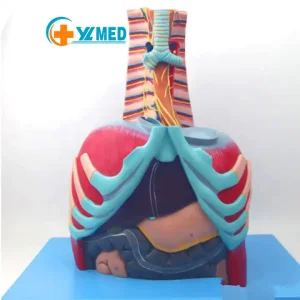
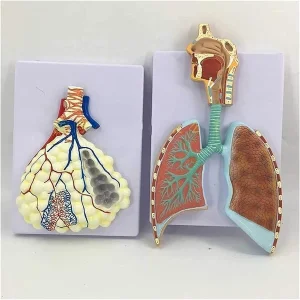
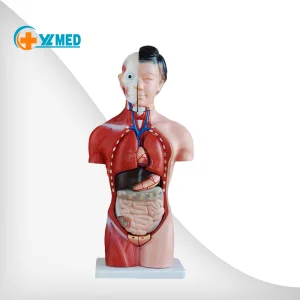
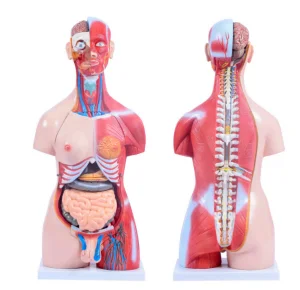
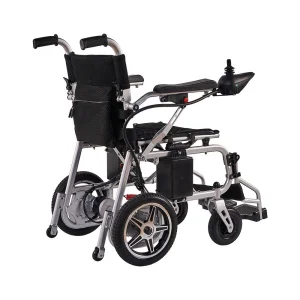
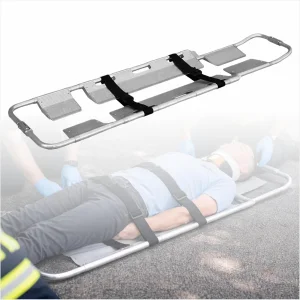
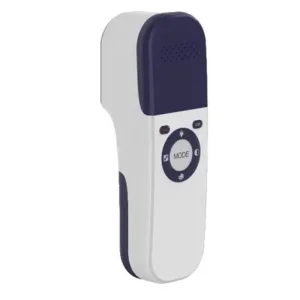
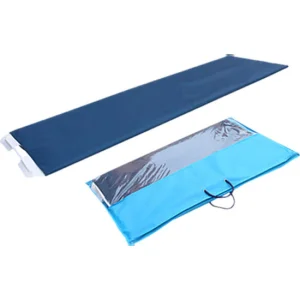
The eight products below illustrate the range of a teaching resources manufacturer that combines anatomical accuracy, classroom durability, and export-ready supply. Each item is linked to its product page so procurement teams can review specifications, request a quotation, and compare models before building a mixed-category order. Buyers can source anatomy models, respiratory system teaching aids, torso models, mobility equipment, emergency transfer stretchers, vein finders, and patient transfer boards from the same accountable factory contact.
What “Wholesale Teaching Resources” Means for Modern Procurement
Wholesale teaching resources are no longer a narrow category of classroom models. They now span anatomy and skeleton models, nursing and CPR simulation, dental training instruments, prepared microscope slides, patient-handling equipment, emergency rescue devices, and hospital furniture used in skills laboratories. For distributors, universities, hospitals, and tender agents, the buying decision has shifted from “Which unit is cheapest?” to “Which manufacturer can deliver a repeatable learning outcome, with documentation, packaging, and after-sales support that survive a multi-year program?”
That shift is why a manufacturer-and-factory relationship matters. A factory can control material preparation, moulding, painting, assembly, labelling, inspection, and packing under one quality management system. Henan Yulin Edu. Project Co., Ltd. has operated in Xinxiang, Henan, China since 1958 and has held ISO 9001 certification since 2008. With more than 200 professional staff, registered capital of RMB 120 million, and ten product lines, the company supports mixed-category orders that would otherwise require four or five suppliers. The practical result for buyers is fewer purchase orders, one quality standard, one shipment schedule, and one accountable contact from quotation to after-sales service.
Information gain for buyers: evaluate total cost of ownership, not only FOB price. TCO includes sample evaluation time, spare-part availability, packaging damage rate, tender documentation, language support, and the cost of replacing a model that cannot be repaired. A lower-priced item that arrives with inconsistent colour coding or no replacement parts can be more expensive than a higher-specification model that lasts through several cohorts. This is especially important for government tenders, university framework agreements, and distributor programs that require predictable replenishment over three to five years.
Six Trends Reshaping the Teaching Resources Industry
The strongest manufacturers are no longer judged only by catalogue size. They are judged by how well a product supports competency-based learning, how easily it can be repaired, how clearly it is documented, and how reliably it can be repeated across multiple campuses or export markets.
Simulation-First Curricula
Medical and nursing schools continue to move from lecture-only teaching toward deliberate practice. Trainers want models that allow repeated puncture, suturing, airway management, CPR feedback, and patient handling without losing anatomical realism or structural integrity.
Hybrid and Digital-Ready Classrooms
Physical models must work alongside digital lesson plans, QR-linked guides, and blended learning. Numbered structures, consistent colour keys, and modular parts make it easier for instructors to connect a tabletop model to an online anatomy lesson or assessment rubric.
Modular and Repairable Design
Procurement teams increasingly ask for replaceable organs, detachable muscles, spare tubing, and serviceable electrical components. A modular design lowers lifecycle cost because one damaged part does not force a school to replace an entire model.
Material Safety and Compliance
Buyers want non-toxic paints, stable bases, durable PVC or silicone, and packaging that protects fragile anatomical details. Product-specific documentation can support import registration, school safety reviews, and tender submissions.
Regional Standards and Tenders
Public tenders often require traceable specifications, consistent naming, and documentation that matches local procurement templates. Manufacturers with export experience can prepare quotation sheets, packing lists, and product descriptions in a format that reduces clarification cycles.
Procurement Transparency and TCO
Distributors and institutions now compare landed cost, packaging performance, after-sales response, and warranty support. A transparent factory offer identifies what is included, what is optional, and how spare parts will be supplied after the first shipment.
Global Procurement Demand: What Institutional Buyers Expect
Across markets, the request pattern is similar: buyers want fewer suppliers, better documentation, and a factory that can support both standard catalogue items and private-label programs. The difference is in how each buyer group weights quality, price, and service.
Medical Schools and Universities
Universities prioritize anatomical accuracy, curriculum fit, and replacement-part availability. They commonly request sample evaluation, consistent colour coding across batches, and models that can survive daily use in high-traffic skills laboratories.
Distributors and Private Label
Distributors want margin-protected assortments, attractive packaging, catalogues, barcode support, and mixed-category consolidation. Private-label teaching resources allow them to build local brand equity while relying on a factory for product design and production.
Hospitals and Clinical Training Centers
Hospitals focus on practical training outcomes: CPR and ACLS simulation, emergency transfer devices, patient-handling boards, vein finders, and durable hospital furniture. They need fast replenishment and models that are easy to clean and maintain.
Government and NGO Tenders
Tender buyers require traceable specifications, ISO 9001 evidence, pre-shipment inspection support, and consistent packaging. A manufacturer with long-term export experience can prepare documents that match tender schedules and reduce last-minute clarifications.
Illustrative Procurement Priority Index
Relative evaluation priority commonly observed in teaching-resource sourcing discussions. This is an illustrative decision-weight model, not a market forecast.
Macro Industry Solutions for Multi-Category Sourcing
A teaching resources factory with ten product lines can support a broader purchasing plan without forcing the buyer to manage many small suppliers. The solutions below show how procurement teams combine products into practical program bundles.
Anatomy and Physiology Teaching Suite
Combine torso models, thoracic cavity models, pelvic anatomy models, skeleton models, and organ teaching resources into one curriculum package. This reduces specification mismatch between modules and simplifies replacement planning.
Nursing and Emergency Simulation
Bundle CPR manikins, airway models, vein finders, patient transfer boards, scoop stretchers, and emergency splints for skills labs, ambulance training, and hospital onboarding programs.
Dental and Oral Care Training
Support dental schools and clinics with gum-tip filling instruments, dental training models, and related teaching equipment. Private-label packaging is useful for distributors serving local dental dealers.
Laboratory and Life Science
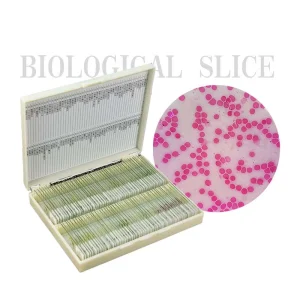
Prepared microscope histology slides, biology teaching accessories, and laboratory models help schools standardize biology practicals. Fixed slide sets are especially useful when multiple classes must observe the same specimen quality.
Hospital Furniture and Patient Handling
Examination couches, patient transfer boards, walkers, wheelchairs, and shower chairs can be consolidated with teaching models. This is valuable for hospital groups that purchase both training and ward equipment.
Veterinary and Agricultural Education
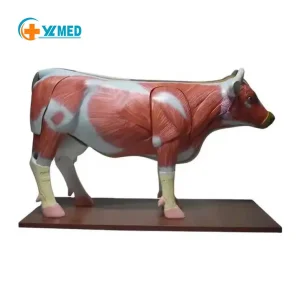
Veterinary schools and agricultural colleges need bovine anatomy models, detachable organ models, and practical teaching aids. These products help bridge classroom anatomy with field-oriented animal science training.
Ten Product Lines, One Accountable Factory
The product matrix below reflects the categories that overseas distributors, schools, hospitals, and tender agents most often request together. Each category page provides a direct path for specifications and quotation requests.
Anatomy Models
Torso, organ, heart, brain, thoracic cavity, pelvic, and muscle models for lectures and skills training.
Biology Prepared Slides and Accessories
Histology, botany, and zoology prepared slides with storage and microscopy accessories.
Dental Tools and Equipment
Dental teaching models, gum-tip filling instruments, clinic equipment, and training accessories.
General Teaching Models
Science demonstration models for primary schools, secondary schools, and education equipment tenders.
Hospital Furniture and Equipments
Examination couches, stretchers, walkers, transfer boards, shower chairs, and ward furniture.
Hospital Machine and Tools
Diagnosis and treatment devices plus practical tools for wards, clinics, and emergency departments.
Medical Apparatus and Instruments
Emergency splints, extrication devices, cervical traction, vein finders, and rehabilitation instruments.
Medical Nursing Model
CPR manikins, nursing simulators, airway models, and clinical skills training resources.
Skeleton Models
Life-size and desktop skeletons, skulls, spines, and joint models for osteology teaching.
Suture Pads and Kits
Realistic skin suture pads, wound-closure trainers, and complete practice instrument kits.
Localized Support, Compliance, and Tender Readiness
A wholesale teaching resources program succeeds when the product is supported by the right documentation, packaging, and communication. Compliance is not a single certificate; it is a chain of evidence that begins with product design and ends with the shipment arriving in usable condition.
ISO 9001 Quality Management
Our quality management system has been ISO 9001 certified since 2008. Production and inspection follow controlled processes so that repeat orders maintain consistent materials, colour, structure, and packaging standards.
Tender Documentation Support
For tenders and import registration, product-specific documentation can be provided on request. Catalogues, specifications, packing lists, and quotation sheets can be prepared to match the buyer’s evaluation format.
OEM, ODM, and Private Label
Our in-house design and packaging support helps distributors localize product presentation. Private-label packaging, branded manuals, and market-specific labels can increase shelf appeal and resale value.
Export Packing and Consolidation
Fragile anatomical details require protective packing, while mixed-category orders require clear carton marking and loading plans. Consolidating multiple product lines into one shipment reduces handling risk and simplifies customs coordination.
- Factory-direct supply across ten product lines, from anatomy models to hospital furniture.
- Private-label packaging and product presentation support for distributors.
- Mixed-category orders consolidated into one shipment with one point of contact.
- ISO 9001 process control backed by decades of category knowledge and export experience.
Technology Roadmap and Future Outlook
The next stage of teaching resources will be defined by connected learning, modular serviceability, and stronger traceability. The roadmap below describes the direction we believe will matter most to wholesale buyers, distributors, and institutions planning multi-year programs.
Phase 1 · Modular Architecture
Standardized connectors, replaceable organs, and consistent colour coding will make models easier to repair, upgrade, and combine across product lines. Buyers gain longer service life and simpler spare-part planning.
Phase 2 · Digital Content Pairing
Physical teaching resources can be paired with digital guides, anatomy labels, and instructor support materials. This helps schools blend hands-on practice with online lesson delivery without losing the realism of a tabletop model.
Phase 3 · Materials and Sustainability
Durable silicone, low-odour materials, and recyclable packaging will become stronger evaluation points. Sustainable design must still protect fragile anatomical details and meet the daily cleaning requirements of training labs.
Phase 4 · Quality Traceability
Batch-level traceability, inspection records, and structured after-sales feedback will support tender compliance and repeat-order consistency. For distributors, clear traceability reduces claim risk and improves confidence in long-term supply.
In practical terms, the future outlook is not simply “more technology.” It is better alignment between what instructors teach, what learners practice, and what procurement teams can document. Manufacturers that invest in modular design, consistent specifications, and serviceable products will be better positioned to support distributors and institutions through curriculum changes and budget cycles.
Why Yulin Medical Is a Credible Wholesale Partner
Henan Yulin Edu. Project Co., Ltd. was founded in 1958 and has grown into a manufacturer that integrates research, production, and sales of educational and medical equipment. The company operates from Xinxiang, Henan, China, with registered capital of RMB 120 million and more than 200 professional employees. Its motto remains quality first, service first.
Our quality management system has been ISO 9001 certified since 2008. We manage product development, manufacturing, inspection, and export from our base at No. 8, Daoqing Road, Industry Park, Hongqi District, Xinxiang. For buyers, this means a single accountable manufacturer for anatomy models, nursing simulators, laboratory slides, dental teaching resources, and hospital equipment, rather than a chain of unrelated trading intermediaries. Our in-house design team can support private-label packaging and product presentation, while our export team coordinates mixed-category orders, documentation, and shipping schedules.



A Transparent 5-Step Procurement Process
From first enquiry to delivery, every stage has a clear output so that distributors and institutions can plan budgets, tenders, and training schedules with confidence.
Share Requirements
Send product types, quantities, target market, tender requirements, and any certification needs.
Catalog and Proposal
Receive matched models, specifications, packaging options, and practical shipping suggestions.
Sample Evaluation
Test samples with instructors or clinicians before confirming bulk production and packaging details.
Production and QC
Manufacturing and inspection follow the ISO 9001 quality management system with documented checks.
Export and Support
Protective export packing, delivery coordination, and responsive after-sales communication.
Frequently Asked Questions from Wholesale Buyers
These are the questions procurement managers most often ask before placing a first order for teaching resources.
Is Yulin Medical a manufacturer or a trading company?+
What quality certification do you hold?+
Do you support OEM, ODM, private label, and custom packaging?+
How do I choose the right CPR training manikin?+
How quickly will I receive a reply?+
How do you protect quality and delivery on mixed-category orders?+
More Wholesale Teaching Resources from the Factory
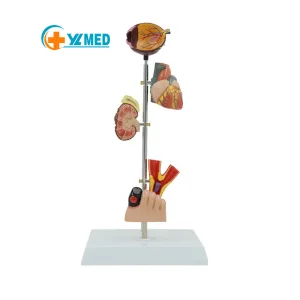
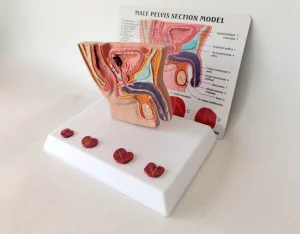
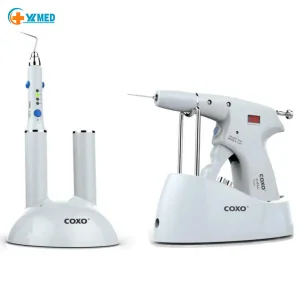
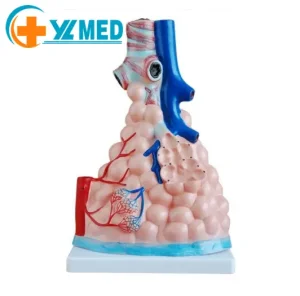
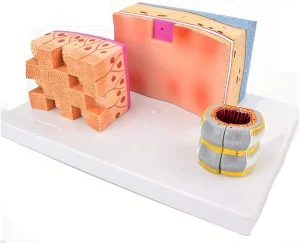
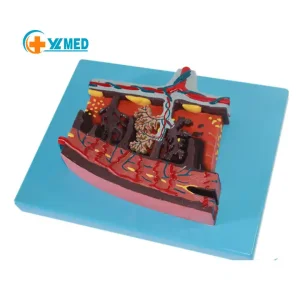
The second product group covers specialized anatomy models, dental training instruments, veterinary teaching resources, histology slides, and simulation models. These items are often added to mixed containers or used to complete a distributor catalogue.
Request a Wholesale Quotation, Catalog, or Tender Package
Tell us your target market, product categories, quantities, packaging requirements, and any certification or tender documentation needs. Our export team will recommend suitable models, share specifications, and propose a practical shipping plan. We typically reply within 24 hours with catalogues, specifications, and options for mixed-category orders.
Henan Yulin Edu. Project Co., Ltd. · Medical and educational equipment manufacturer since 1958 · ISO 9001 certified since 2008.