Wholesale Plastic CPR Manikin Manufacturers & Factory
Factory-direct adult, child and neonatal CPR training manikins, AED trainers, nursing simulators and emergency training equipment for distributors, medical schools, hospitals and first-aid programs. OEM/private label, mixed-category consolidation and 24-hour export response.
Eight Wholesale Models from Our Original Product Series
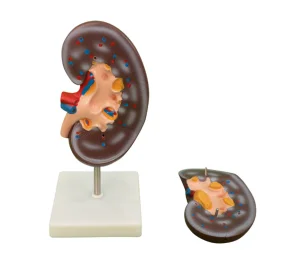
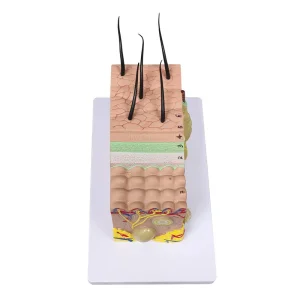
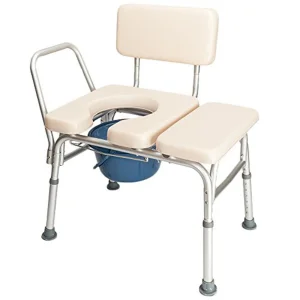
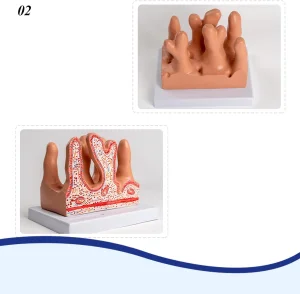
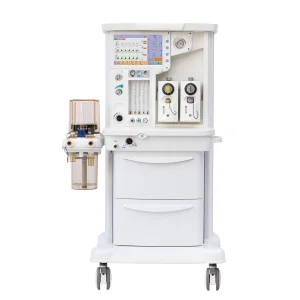
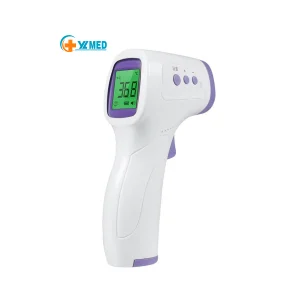
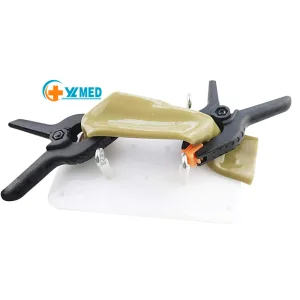
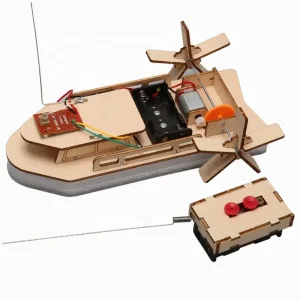
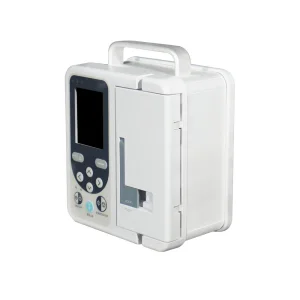
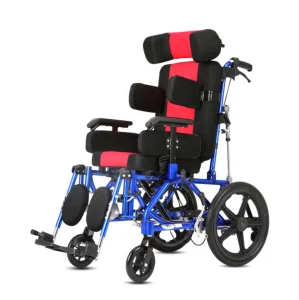
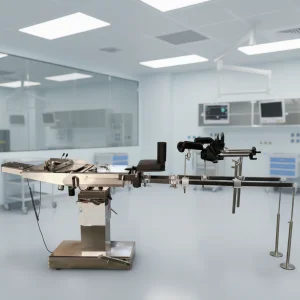
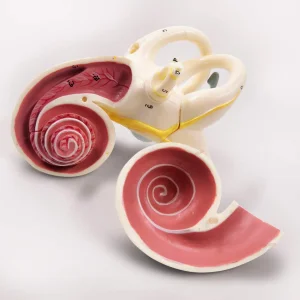
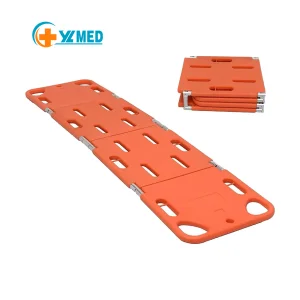
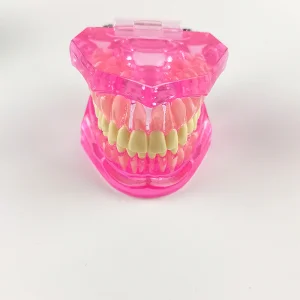
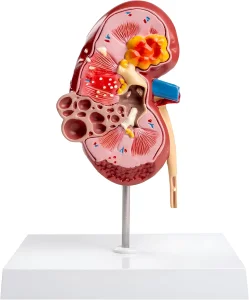
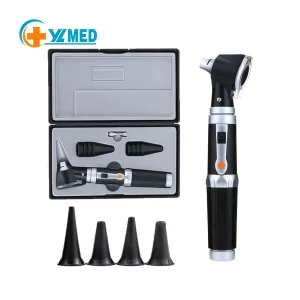
Wholesale plastic CPR manikin programs work best when the factory can also support the wider training ecosystem: emergency transfer devices, anatomical models, rehabilitation equipment and hospital training tools. These eight products are part of the original Yulin Medical product series and retain their original product URLs and images for direct sourcing review.
Wholesale Plastic CPR Manikin Sourcing in 2025: From a Plastic Torso to a Training System
The phrase wholesale plastic CPR manikin manufacturers & factory now describes a much broader capability than injection molding alone. A modern manikin is a compact training system: a polymer torso, face and airway; skin-like surfaces; disposable lungs and face shields; compression and ventilation feedback; firmware; calibration fixtures; multilingual packaging; and replacement-part logistics. Buyers who compare only unit price often discover hidden costs later through failed compression feedback, air leaks, inconsistent recoil, short consumable life or missing documentation for tenders.
For distributors, the commercial logic is straightforward. CPR training is recurring, not one-time. Schools, hospitals, emergency services, workplaces, aviation teams and community programs need refresher training, replacement consumables and consistent models across multiple sites. A factory that controls mold quality, material traceability, sensor calibration and ISO 9001 process discipline can reduce the total cost of ownership while protecting the distributor’s brand.
This guide is written from the perspective of a manufacturer that has served educational and medical training markets since 1958. It explains the global industrial context, material and electronics routes, local application scenarios, macro procurement solutions, quality checklist, technology roadmap and FAQ that matter when evaluating a plastic CPR manikin factory.
The most useful supplier is not necessarily the one with the lowest quotation. It is the manufacturer that can document material choices, verify feedback calibration, support private-label packaging and keep spare parts available after the first shipment.
Factory Snapshot
The Global Manufacturing and Trade Landscape for Plastic CPR Manikins
Plastic CPR manikins sit at the intersection of medical education, emergency preparedness and consumer-grade electronics. Production is concentrated in regions with mature injection molding, electronics assembly and export logistics, while demand is spreading from clinical education into workplaces and community programs.
China remains a major manufacturing base for training manikins, anatomy models, hospital furniture and mixed medical teaching kits. Buyers benefit from deep supplier networks for ABS, PP, PVC, TPE, silicone, sensors, LCD modules and packaging. However, the industrial advantage is not automatic. A factory must manage molding consistency, skin-to-shell fit, airway resistance, compression spring behavior and electronic calibration across batches.
In high-income markets, procurement teams increasingly ask for bilingual manuals, lot traceability, material declarations, replacement-part lists and calibration procedures. In fast-growing markets, buyers prioritize ruggedness, repairability, local serviceability and mixed-container efficiency. Across both segments, the strongest growth driver is mandatory or recommended CPR training, reinforced by AED placement programs, school safety policies and workplace first-aid regulations.
Industry estimates for CPR training equipment vary by scope and region, so responsible buyers treat market forecasts as planning signals rather than guarantees. The clearer industrial signal is the shift from one-off equipment purchases to multi-year training programs. That shift rewards manufacturers that can supply adult, child and neonatal manikins, AED trainers, face shields, lungs, carry bags and sanitation accessories from one accountable quality system.
Factory Quotation Signals
Illustrative planning indicators based on common wholesale quotation requests; use them for discussion, not as a formal market forecast.
Why Plastic CPR Manikins Remain the Backbone of High-Volume Training
CPR manikins must survive repetitive use by many learners, be cleanable between sessions and reproduce key feedback consistently. The best plastic manikins balance anatomical realism, hygiene, serviceability and cost.
Anatomical Fidelity
Chest compliance, recoil, head tilt and airway resistance influence skill transfer. Mold design and spring selection must match the training protocol, not simply look realistic in a catalog.
Real-Time Feedback
Compression depth, rate, hand position, recoil and ventilation volume require stable sensors and calibration. Feedback quality is a factory process issue, not a marketing feature.
Hygiene Architecture
Face shields, disposable lungs, removable faces and smooth cleanable surfaces reduce cross-contamination risk and make entre-session turnover faster for training centres.
Modular Serviceability
Buyers prefer manikins that can be repaired with replaceable lungs, springs, face skins, circuit boards and battery modules instead of being discarded after one failure.
Consumable Economics
Face shields, lungs, wipes and carry bags create repeat revenue for distributors and predictable operating budgets for training providers.
Curriculum Alignment
Adult, child, neonatal, AED and ACLS programs require different configurations. A factory with multiple product lines can build complete course kits rather than isolated SKUs.
Material, Sensor and Manufacturing Technology Routes
A CPR manikin factory should be able to explain why a material or sensor route was chosen, how it is tested and how it can be serviced in the field. These six routes define product quality.
Polymer Shell: ABS, PP, PVC and Blends
Injection-molded shells provide dimensional stability and repeatable assembly. ABS offers impact resistance, PP is chemically resistant and lightweight, and PVC can deliver a softer feel. Buyers should request wall-thickness control, drop-test data and batch inspection records.
Skin and Face: PVC, TPE, Silicone
Skin-like surfaces affect hygiene, appearance and mouth-to-mask comfort. TPE and silicone can offer good durability and cleanability, while PVC remains cost-effective. The key question is whether the material remains soft without becoming tacky after repeated cleaning.
Airway and Lung System
Airway resistance, lung fit and mouth-to-lung sealing determine ventilation feedback. Modular lungs and one-way valves should be easy to replace. Factory calibration should verify ventilation volume across representative units, not just a golden sample.
Compression Feedback Electronics
Depth and rate sensors, firmware filters and LED or LCD displays must remain consistent after transport and repeated use. Calibration fixtures, firmware version control and functional test logs are strong evidence of E-E-A-T.
Disposable and Replacement Consumables
Face shields, lungs, mouth guards and wipes should be packaged for resale and stored for long shelf life. A distributor-ready factory provides part numbers, minimum order quantities and replacement instructions.
Packaging and Private-Label Route
Export packaging must protect electronics and soft skins during sea freight. Private-label manuals, barcodes, multilingual warning labels and branded carry bags can raise resale value without changing core tooling.
Six Trends Reshaping Wholesale CPR Manikin Procurement
Buyers are moving away from single-SKU purchasing toward training programs that combine manikins, digital feedback, consumables and local service. These trends are changing how factories design and quote.
1. Connected Skills Assessment
Training centres want objective evidence of compression quality. App-connected manikins and downloadable reports are moving from premium products into mainstream courses, especially where employers need documentation.
2. Hygiene-First Product Design
Removable faces, sealed electronics, disposable lungs and cleanable surfaces are now evaluated during procurement. A manikin that is difficult to sanitize creates hidden labour cost for training centres.
3. Modularity and Repair
Distributors prefer to stock common spare parts rather than replace complete units. Manikins designed around a small number of wear parts can improve customer retention and after-sales margin.
4. Pediatric, Neonatal and ACLS Expansion
Basic adult CPR remains a volume category, but child, infant, neonatal and advanced life-support simulators are growing in clinical education. Product families should share accessories where possible.
5. Sustainable Materials and Longevity
Buyers are asking about recyclable packaging, material reduction, repair manuals and end-of-life options. Sustainability is most credible when it also lowers waste and improves product lifespan.
6. Localized Documentation and Kitting
Multilingual manuals, local power options, country-specific labeling and course-ready kits reduce friction for distributors. Kitting also increases average order value and simplifies customs descriptions.
Application Scenarios That Drive Repeat Orders for Plastic CPR Manikins
The same manikin platform may be configured differently for a hospital simulation lab, a school district, an ambulance service or a corporate first-aid program. Understanding local use is central to semantic search intent and product selection.
Hospitals and Clinical Simulation Labs
Require adult, child and neonatal configurations, airway management, ACLS scenarios and objective feedback. Documentation and calibration records are often reviewed during procurement.
EMS, Fire and Rescue Teams
Need rugged manikins that travel well, set up quickly and work with AED trainers. Carry bags, replacement lungs and simple field cleaning are important.
Schools, Universities and Vocational Colleges
Prioritize cost per student, stackability, clear feedback and durable consumables. Multi-pack bundles and instructor kits reduce storage and administration burden.
Corporate and Workplace First Aid
Growing demand for annual refresher training, AED integration and multilingual instruction. Private-label workplace kits can strengthen safety brands.
Aviation, Transport and Community Programs
Compact, lightweight training solutions with replaceable components and clear manuals are preferred where storage space and trainer time are limited.
Government, NGO and Tender Programs
Require predictable quality, multi-year supply capacity, packaged documentation and often local training-of-trainers support. Batch consistency matters more than novelty.
How a Factory Becomes a Program Partner, Not Just a Supplier
The most competitive wholesale plastic CPR manikin manufacturers & factory partners help buyers build repeatable training programs, not just ship boxes.
One-Stop Mixed-Category Consolidation
Combine CPR manikins, anatomy models, skeleton models, suture kits, dental teaching units and hospital furniture into one shipment. This reduces supplier management, freight cost and customs complexity while improving margin for distributors.
Private-Label and Course-Kit Design
Factory design teams can support branded packaging, multilingual manuals, barcodes and course bundles such as “adult CPR + AED trainer + face shields”. The goal is to increase shelf appeal and simplify instructor purchasing.
Lifecycle Consumables and Spares
Plan replacement lungs, faces, springs, batteries and carry bags from the first order. A distributor that controls consumables builds recurring revenue and becomes the local service point for training centres.
Quality, Compliance and Sourcing Checklist for Overseas Buyers
A credible supplier should welcome detailed questions. The checklist below reflects what experienced procurement teams verify before a repeat order or tender submission.
ISO 9001 Process Discipline
Check certification scope, incoming inspection, in-process controls, final inspection and corrective-action records. Yulin Medical has held ISO 9001 certification since 2008.
Material and Batch Traceability
Ask for material declarations, batch records and change-control procedures. Consistency matters most in skin softness, shell fit, airway sealing and compression feedback.
Calibration and Functional Testing
Request evidence of compression depth/rate verification, ventilation volume checks, leak testing and electronic burn-in procedures for any manikin with a display or sensor.
Packaging and Export Validation
Confirm drop-test packaging, moisture protection, barcode labeling and spare-part packing. Sea-freight damage is one of the most common causes of distributor complaints.
Authoritative production note: Henan Yulin Edu. Project Co., Ltd. was founded in 1958 and operates from No. 8, Daoqing Road, Industry Park, Hongqi District, Xinxiang, Henan, China. The company is an ISO 9001 certified manufacturer of medical teaching models, nursing simulators, anatomy models, suture kits, dental teaching equipment and hospital equipment. Product-specific documentation can be provided on request for tenders and import registration.
Future Outlook, 2025–2030
The next generation of plastic CPR manikins will be judged by training outcomes, serviceability and data quality, not only appearance.
2025–2026: Modular Feedback
More manikins will use replaceable sensor modules and standard firmware, reducing repair cost and improving calibration consistency for distributors.
2027–2028: Connected Training Workflows
App-based assessment, class rosters and skills passports will help employers verify refresher training. Factories must design electronics for data export and privacy-aware use.
2029–2030: Circular and Localized Kitting
Recyclable packaging, replaceable shells, regional kitting and local language support will become competitive differentiators for global distributors.
AI Coaching Integration
Computer vision and acoustic feedback may supplement sensor data, but the manikin still needs reliable physical behavior. AI is an enhancement layer, not a substitute for good molding and airway design.
Complete Sourcing for Medical Education & Clinical Use
Ten specialised product lines let procurement teams source simulation, laboratory and hospital equipment from one accountable manufacturer instead of managing multiple suppliers.
Anatomy Models
Torso, organ, heart, brain and muscle models with numbered structures for lectures and patient education.
View range → 02Biology Prepared Slides and Accessories
Histology, botany and zoology prepared slides plus storage and microscope accessories for biology labs.
View range → 03Dental Tools and Equipment
Dental teaching models, clinic lights, LED whitening units and endodontic instruments for training and practice.
View range → 04General Teaching Models
Science demonstration models for primary schools, secondary schools and education equipment tenders.
View range → 05Hospital Furniture and Equipments
Stainless steel examination couches, stretchers, walkers and shower chairs built for daily clinical use.
View range → 06Hospital Machine and Tools
Diagnosis and treatment devices and practical tools for wards, clinics and emergency departments.
View range → 07Medical Apparatus and Instruments
Emergency splints, extrication devices, cervical traction and rehabilitation instruments.
View range → 08Medical Nursing Model
Adult, child and neonatal CPR manikins, ACLS simulators and AED trainers for skills assessment.
View range → 09Skeleton Models
Life-size and desktop skeletons, skulls, spines and joint models for osteology teaching.
View range → 10Suture Pads and Kits
Realistic skin suture pads and complete instrument kits for surgical and wound-closure practice.
View range →A Six-Decade Manufacturer Behind the Wholesale Program
Medical teaching models, CPR manikins and hospital equipment manufacturer since 1958. The company integrates scientific research, production, inspection and export from Xinxiang, Henan.
 Yulin MedicalSince 1958
Founded in 1958, Henan Yulin Edu. Project Co., Ltd. has grown into a well-known educational and medical equipment supplier. With registered capital of RMB 120 million and more than 200 professional employees, the company manages product development, manufacturing, inspection and export from No. 8, Daoqing Road, Industry Park, Hongqi District, Xinxiang.
The company’s motto is quality first, service first. Its quality management system has been ISO 9001 certified since 2008. For overseas buyers, this means one accountable manufacturer for anatomy models, nursing simulators, CPR training manikins, laboratory slides, dental teaching equipment and hospital furniture, consolidated into a single shipment and backed by documented production processes.
- Factory-direct supply across 10 product lines, from anatomy models to hospital furniture.
- In-house design and packaging support for private-label distributors.
- Mixed-category orders consolidated with one point of contact and one shipment plan.
- Export team online 7 days a week, typically replying within 24 hours.












Featured CPR, Emergency & Rehabilitation Equipment
Best-selling simulation manikins, first-aid devices and mobility aids requested by training centres, ambulance services and healthcare distributors.












Why Distributors and Institutions Partner with Yulin Medical
Four strengths overseas buyers consistently cite when they move long-term orders to our factory.
24/7 Responsive Service
Our team is online 24 hours a day, 7 days a week. Whatever your time zone, you receive a detailed answer as quickly as possible, typically within 24 hours.
Design & Packaging Team
In-house specialists deliver professional product design and private-label packaging that strengthens your brand and increases the added value of every unit you sell.
Professional Expertise
Our vision is to provide professional educational and medical training products from mainland China, built under ISO 9001 process control and decades of category knowledge.
Supply Stability
A factory with over 60 years of history and a deeply integrated partner supply chain helps us meet one-stop demands and keep lead times predictable on repeat orders.
A Transparent 5-Step Process for Overseas Buyers
From first conversation to delivery, every stage has a clear contact and documentation path so you can plan stock, tenders and training schedules with confidence.
Share Requirements
Send product types, quantities, target market and any tender or certification needs.
Catalog & Proposal
Receive matched models, specifications, packaging options and shipping suggestions.
Sample Evaluation
Test samples with your instructors or clinicians before confirming bulk production.
Production & QC
Manufacturing and inspection follow our ISO 9001 quality management system.
Export & Support
Protective export packing, delivery coordination and responsive after-sales service.
News & Practical Insights from Our Specialists
Exhibition updates and hands-on guidance written by the team that designs and builds our products.

Do You Really Know How to Observe Biological Prepared Slides?
Many plant and animal cell structures can only be studied under a microscope, which makes prepared biological slides essential in every biology lab. Our specialists explain how to handle, focus and store slides correctly so students see clearer detail and your slide sets last for years.

The 5th Henan Provincial Educational Equipment Expo Concludes Successfully
Themed “Digital Leading Innovation and Development”, the expo reached a record 50,000 m² with 600+ brands and 10,000+ products on display, showcasing the latest educational equipment.

Inside Our Product Showroom
A look at the medical teaching models and training equipment buyers can inspect in person when visiting our Xinxiang facility.
Frequently Asked Questions from Importers and Training Providers
Straight answers to the questions procurement managers ask most before placing a first order.
Is Yulin Medical a manufacturer or a trading company?
What quality certification do you hold?
Do you support OEM, private label and custom packaging?
How do I choose the right plastic CPR training manikin for wholesale distribution?
What materials are used in plastic CPR manikins, and how should buyers compare them?
What is the typical MOQ and lead time for wholesale orders?
Can you supply replacement lungs, face shields and spare parts?
What documentation can be provided for tenders and import registration?
How quickly will I receive a reply?
Need Specifications, a Price List or a Tender Package? We Reply Within 24 Hours.
Tell us your target market, quantities and certification requirements. Our product specialists will recommend suitable models, share detailed specifications and propose the most economical shipping plan for your wholesale plastic CPR manikin order.
Direct Channels
Eight More Factory-Direct Models for Wholesale Buyers
The final eight products from the original series are shown below with their original images and product URLs. Combine CPR training manikins with anatomy, emergency, rehabilitation and teaching models for a consolidated factory order.