Wholesale Multi-Channel Infusion Pump Manufacturer & Quotes
Source 2–8 channel infusion pump platforms, localized drug libraries, export-ready documentation and private-label programs from an experienced medical equipment manufacturing base active since 1958.
Factory-Direct Product Showcase & Quote Path — 1 to 8
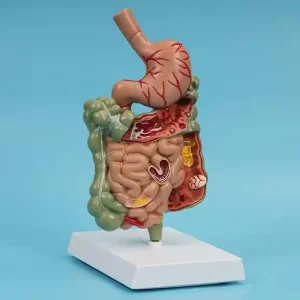
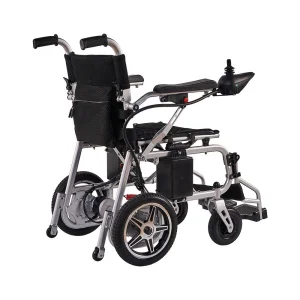
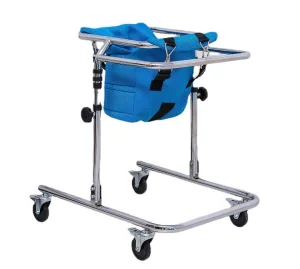
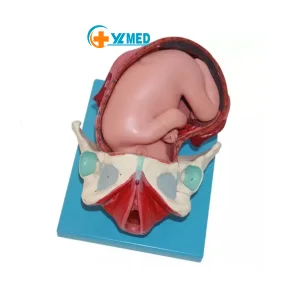
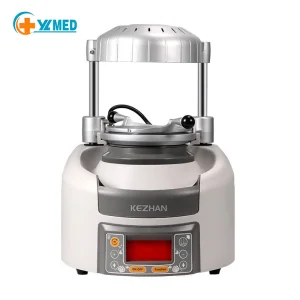
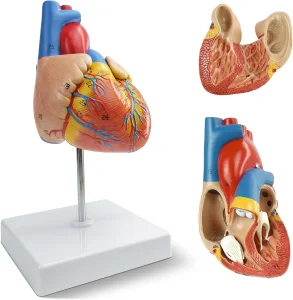
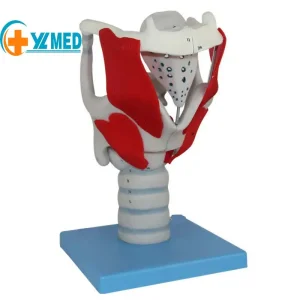
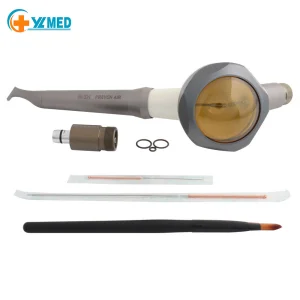
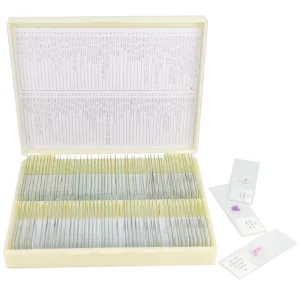
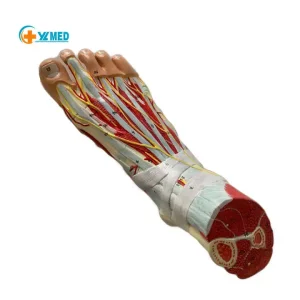
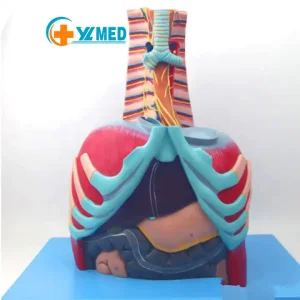
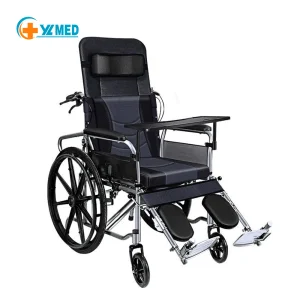
The product cards below preserve the supplied product names, images and destination URLs. They sit inside Yulin Medical’s broader medical and training equipment range, so distributors can consolidate infusion pump enquiries with teaching models, hospital furniture, dental equipment and patient-handling products in one supplier conversation.
Why a Multi-Channel Infusion Pump Is a Clinical System, Not a Box of Pumps
A multi-channel infusion pump combines two to eight independently programmable channels in one housing. The purchasing value is not the channel count alone. It is how the platform coordinates drug libraries, dose-error reduction, occlusion alarms, battery management, nurse-call integration, event logs, barcode workflows and biomedical service.
In ICUs, oncology day wards, operating theatres, paediatric units and emergency departments, infusion errors rarely come from one isolated device. They emerge from workflow gaps: look-alike labels, delayed alarm response, unverified rate changes, battery depletion during transfer, inconsistent tubing or drug-library versions that do not match local protocols. A multi-channel platform reduces risk only when it is specified together with standard concentrations, colour-coded lines, scanning discipline, staff competency assessment and clear escalation rules.
For distributors, the commercial logic is equally clear. One multi-channel platform can replace multiple single-channel units, reduce bedside clutter, simplify fleet training, lower spare-part variety and improve service efficiency. However, total cost of ownership depends on more than unit price. Buyers should compare pump life, battery cycle performance, software licensing, warranty terms, calibration costs, spare-part availability, local training and the manufacturer’s ability to supply documentation for registration and tenders.
Information gain for serious buyers: ask for a channel-level failure-mode analysis. It should explain what happens when one channel’s door is open, when the battery enters a low state, when Wi-Fi drops, when the drug library is outdated or when an occlusion is detected. A supplier that can explain these states in plain language—and provide test records—is more valuable than a catalogue with attractive photographs.
What serious buyers weight
China Factory Advantages for Multi-Channel Infusion Pump Programs
China’s real advantage is not a single low-cost part. It is industrial coordination: motors, sensors, PCBs, medical-grade plastics, tubing, connectors, power supplies, packaging and test equipment can be developed and iterated within a dense supplier ecosystem.
Deep component ecosystem
Fast access to drive mechanisms, pressure sensors, air detectors, batteries, chargers, displays, housings and packaging reduces development friction when a distributor needs a differentiated multi-channel configuration.
Flexible channel architecture
Projects can be scoped from 2 to 8 channels, with modular assemblies, private-label interfaces, localized manuals and packaging designed around the target market rather than forced into a single catalogue model.
Engineering-to-cost discipline
Design for manufacturing, tolerance analysis and value engineering help balance clinical reliability with landed cost. The objective is predictable quality at volume, not a short-term price that creates service problems later.
Quality system & traceability
Henan Yulin Edu. Project Co., Ltd. has held ISO 9001 certification since 2008. Incoming inspection, work instructions, assembly checks and final test records support repeat orders and tender documentation.
Export documentation & packing
English labelling, localized user manuals, carton marks, product photos, packing lists and shipment coordination can be prepared for distributors, hospital groups and project-based tenders.
Supply stability since 1958
A long-established factory base in Xinxiang, Henan, more than 200 professional staff and a stable partner network help keep multi-category orders coordinated and repeatable.
Industry Trends Reshaping Multi-Channel Infusion Procurement
Infusion therapy is moving from isolated bedside devices toward connected, data-rich medication delivery systems. For wholesale buyers, the winning specification is the one that remains supportable after installation.
Closed-loop interoperability
Hospitals increasingly ask whether pumps can exchange data with EHRs, smart-pump servers or middleware. Specify whether integration is native, middleware-based or not offered, and clarify responsibility for interface testing.
Dose-error reduction & local libraries
Localized drug libraries, concentration limits and care-area profiles are now central tender requirements. A pump that cannot match local protocols creates extra training load and weakens safety claims.
Cybersecurity & software lifecycle
Remote updates, user authentication, audit logs and vulnerability response need contract language. Ask how long firmware will be supported and who supplies security patches after installation.
Higher channel density
ICU and oncology units value fewer poles, fewer chargers and fewer bedside cables. Multi-channel platforms can improve space use, but only if line tracing, labelling and alarm visibility are designed into the workflow.
Battery resilience during transfer
Transport, imaging and emergency pathways expose weak battery strategy. Buyers should request runtime data, hot-swap options where available and clear low-battery escalation procedures.
Decentralized and specialized care
Home infusion, veterinary clinics, day-surgery centres and mobile teams need simpler configurations, rugged packing, remote training and spare-part kits sized to the actual service network.
Localized Applications and Macro Hospital Solutions
A multi-channel infusion pump specification should be built around the care setting, not copied from a catalogue. The same platform can require different drug libraries, line sets, mounting systems and service kits in different departments.
Intensive care & high acuity
Multiple vasoactive drugs, strict concentration limits, visible alarms, battery continuity and central monitoring integration are critical. Configuration should reduce line confusion during rapid titration.
Oncology day care
Throughput, infusion protocol accuracy, chair-side space and nurse verification workflows matter. Demand clear documentation for pump programming, library updates and maintenance intervals.
Paediatrics & neonatal care
Low-rate accuracy, small-volume delivery and fine occlusion limits require clinical validation. Buyers should request evidence that the pump meets local accuracy expectations across the full flow range.
Operating theatre & anaesthesia
Fast setup, clear visibility, mounting flexibility and reliable battery behaviour during transfers are essential. Service access should not interrupt scheduled theatre lists.
Emergency & transport
Rugged housing, compact mounting, quick priming and alarm clarity support time-critical care. Quotations should include transport brackets, spare batteries and first-line replacement parts.
Veterinary & home infusion
Decentralized users need simplified training, remote support, robust packaging and clear user manuals. Accessories should match smaller clinics and home-care service realities.
A credible multi-channel infusion pump program connects fleet assessment, drug-library localization, IT and cybersecurity review, clinical training, spare-part planning, preventive maintenance and KPI review. Distributors that provide this full sequence are better positioned than suppliers that quote only the hardware price. The best quotation should show how the pump will be installed, trained, maintained and supported after Year One.
Global Enterprise Procurement Requirements: What Belongs in the RFQ
Global buyers rarely purchase a multi-channel infusion pump as a stand-alone item. They need a traceable supplier, a defensible technical file, a service plan and commercial terms that survive audit and tender review.
Regulatory dossier
Clarify the product classification in the destination market, the role of the local importer and which certificates, test reports, labels, IFUs and declarations the manufacturer can support.
Technical specification
Define channel count, flow range, accuracy, occlusion alarm thresholds, battery runtime, drug-library capacity, interface language, mounting, network options and accessories.
Traceability & after-sales
Request serial-number tracking, production date, warranty start rules, failure-report process, spare-part lead times and the escalation path for clinical incidents.
Packaging & logistics
Export cartons must protect displays, sensors and accessories. Ask for carton dimensions, gross weight, pallet plan, HS-code guidance and drop-test or transport-packing evidence where required.
Training & clinical adoption
Include train-the-trainer materials, quick reference cards, biomedical service guides and competency checklists. Language localization and refresher support should be priced, not assumed.
Commercial terms & quote validity
State annual volume, sample policy, MOQ, Incoterm, payment terms, lead time, warranty, spare-parts kit, price validity and whether software or interface licenses are included.
Minimum RFQ pack for a reliable wholesale quote
- Destination country and expected import classification.
- Required channel count and care-area use case.
- Drug-library, language and alarm requirements.
- Annual volume, first-order quantity and sample needs.
- Certification, label and user-manual expectations.
- Spare-parts, warranty and training scope.
Manufacturer Authority, Documentation and Supply Stability
E-E-A-T in medical equipment sourcing is built on verifiable factory history, quality processes, documentation discipline and the ability to answer uncomfortable technical questions clearly.


Founded in 1958, Henan Yulin Edu. Project Co., Ltd. has grown into a well-known educational and medical equipment supplier integrating research, production and sales. With registered capital of RMB 120 million and more than 200 professional employees, the company manages product development, manufacturing, inspection and export from No. 8 Daoqing Road, Industry Park, Hongqi District, Xinxiang, Henan, China.
Our quality management system has been ISO 9001 certified since 2008. The operating motto is simple: quality first, service first. For multi-channel infusion pump projects, this matters because a wholesale program is not only a device order—it is a documentation, training, spare-part and repeat-order commitment.
This page is an educational sourcing guide. Final product specifications, regulatory classification, claims and availability must be confirmed in a written quotation and contract. Nothing here replaces local regulatory or clinical review.
A Transparent Five-Step Sourcing Process for Wholesale Buyers
From first requirement to delivery, every stage should have a named contact, a document and a decision point so procurement teams can plan tenders, stock and training schedules.
Share requirements
Send target market, channel count, clinical use, annual volume, certification needs and packaging expectations.
Receive proposal
Get matched configurations, technical specifications, accessory options and a document checklist for your RFQ.
Sample evaluation
Review samples with clinicians, biomedical engineers or distributors before confirming bulk production details.
Production & QC
Manufacturing and inspection follow agreed specifications, quality records and export packing requirements.
Export & support
Coordinate carton marks, shipping documents, spare-parts kits and after-sales communication paths.
Wholesale Multi-Channel Infusion Pump FAQ
Straight answers to the questions procurement managers, distributors and clinical teams ask before requesting a wholesale quotation.
Is Yulin Medical a manufacturer or a trading company?
What is a multi-channel infusion pump, and how many channels should a hospital specify?
What should a wholesale multi-channel infusion pump quote include?
Do you support OEM, private label and custom packaging?
What quality certification and regulatory documents can you provide?
What are MOQ, sample policy and lead time?
What warranty, spare parts and training support should buyers request?
How do I choose the right CPR training manikin for a related education order?
How quickly will I receive a reply?
Can you consolidate multi-channel infusion pumps with other medical teaching or hospital equipment?
Request a Multi-Channel Infusion Pump Quote
Send your target market, channel count, drug-library requirements, annual volume, preferred Incoterm, packaging needs and certification expectations. Our team will respond with suitable configurations, a document checklist and practical shipping options.
More Factory Products & Quote-Ready Lines — 9 to 16
The final eight supplied products are displayed here with their original images, product titles and destination URLs. They support mixed-category purchasing for distributors serving hospitals, medical schools, dental clinics, rehabilitation centres and education tenders.