
Wholesale Model Of Hospital Nurses Uniform Factory & Pricelist
A factory-direct sourcing guide for hospital nurse uniform models, medical teaching models and hospital equipment — combining six decades of manufacturing experience with localised support, compliance evidence and global procurement discipline.
Factory-Direct Product Models for Wholesale Buyers
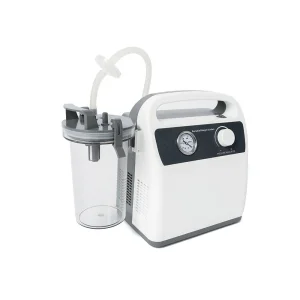
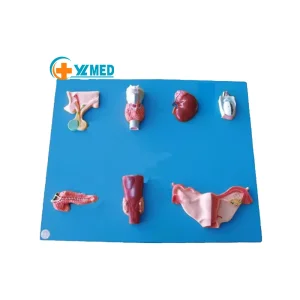
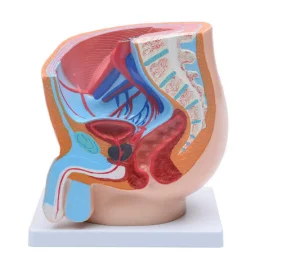
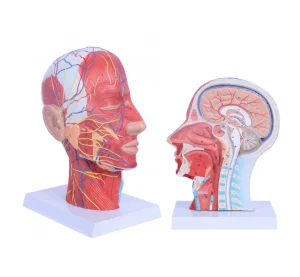
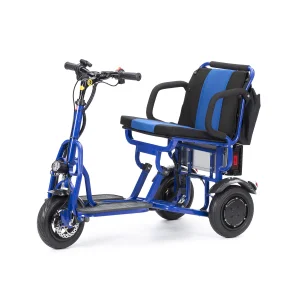
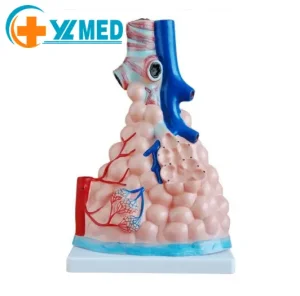
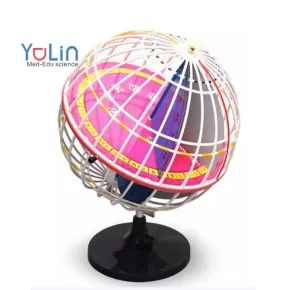
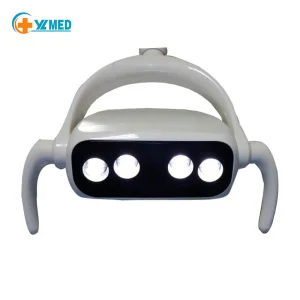
These eight factory-listed items are frequently requested by distributors, medical schools, hospitals and training centres. Every original image and product URL is retained so procurement teams can verify specifications, request quotations and compare models before building a mixed order.
Wholesale Model Of Hospital Nurses Uniform Factory & Pricelist: What Serious Buyers Should Verify
The search phrase Wholesale Model Of Hospital Nurses Uniform Factory & Pricelist combines three buying intents: a specific garment model, a factory source and a comparable price list. In practice, “model” means far more than a sketch. It includes fabric composition and weight, weave, colour, fit block, trim, pocket layout, sizing matrix, label language, packaging and the documentation available for a tender or import review.
A factory pricelist is only useful when every model is described against the same technical baseline. Two quotations may look similar until you compare fabric GSM, colour fastness, shrinkage after industrial laundering, antimicrobial or fluid-repellent claims, stitch density, spare-button supply and barcode labelling. A low unit price without a technical pack is not a true comparison.
Yulin Medical, operated by Henan Yulin Edu. Project Co., Ltd., has manufactured and exported educational and medical equipment from Xinxiang, Henan, China since 1958. Our quality management system has been ISO 9001 certified since 2008, and our motto remains “quality first, service first.” For distributors, hospitals and training institutions, this experience supports a practical procurement approach: define the model, verify the factory evidence, compare the total landed cost and consolidate compatible product lines where possible.
This page deliberately keeps two procurement tracks visible. The first is the hospital nurse uniform model track, where garment specification and local compliance matter. The second is the medical equipment and teaching model track shown in our factory catalogue. Combining them in one supplier conversation can reduce administrative load, but each track still needs its own technical documents, inspection plan and acceptance criteria.
Nurse Uniform Model Technical Pack
- Model code, technical drawing and construction notes
- Fabric composition, GSM, weave and colour reference
- Wash shrinkage, colour fastness and care-label wording
- Size matrix, measurement tolerances and fit comments
- Local label language, barcode and packaging artwork
- Test reports or declarations requested for your market
Use the same checklist for every factory, and keep the approved sample as the golden reference for bulk inspection.
Intent 1: Model Selection
Buyers need a model that fits the clinical department, climate, laundry process and local sizing expectations. A scrub set, tunic, dress or unisex top should be specified by function, not only by photo.
Intent 2: Factory Verification
Distinguish a manufacturer from a trading intermediary. Ask for factory address, quality-system evidence, production capacity, inspection process and references relevant to your product category.
Intent 3: Pricelist Comparison
Compare models using the same fabric, trim, size curve, packing method and Incoterm. Ask for a breakdown of material, labour, packaging and testing assumptions when the quotation is unusually low.
Ten Factory Product Lines for Mixed Hospital Procurement
Beyond nurse uniform model sourcing, procurement teams often need teaching models, training simulators, dental equipment and hospital furniture. These ten specialised lines allow buyers to source simulation, laboratory and ward equipment from one accountable supplier.
Anatomy Models
Torso, organ, heart, brain and muscle models with numbered structures for lectures and patient education.
Biology Prepared Slides and Accessories
Histology, botany and zoology prepared slides plus storage and microscope accessories for biology labs.
Dental Tools and Equipment
Dental teaching models, clinic lights, LED whitening units and endodontic instruments for training and practice.
General Teaching Models
Science demonstration models for primary schools, secondary schools and education equipment tenders.
Hospital Furniture and Equipments
Stainless steel examination couches, stretchers, walkers and shower chairs built for daily clinical use.
Hospital Machine and Tools
Diagnosis and treatment devices and practical tools for wards, clinics and emergency departments.
Medical Apparatus and Instruments
Emergency splints, extrication devices, cervical traction and rehabilitation instruments.
Medical Nursing Model
Adult, child and neonatal CPR manikins, ACLS simulators and AED trainers for skills assessment.
Skeleton Models
Life-size and desktop skeletons, skulls, spines and joint models for osteology teaching.
Suture Pads and Kits
Realistic skin suture pads and complete instrument kits for surgical and wound-closure practice.
Factory Facts That Support Confident Procurement Decisions
The following company facts appear in Yulin Medical’s original corporate profile. They are useful for due diligence, but they should be read alongside product-specific documentation for each order.
Henan Yulin Edu. Project Co., Ltd. was founded in 1958 and operates from No. 8, Daoqing Road, Industry Park, Hongqi District, Xinxiang, Henan, China. With registered capital of RMB 120 million and more than 200 professional employees, the company manages product development, manufacturing, inspection and export from its Xinxiang base. ISO 9001 certification since 2008 supports process consistency, but it is not a substitute for product-specific test reports or regulatory approvals.
Localisation Support and Compliance Assurance for Nurse Uniform Models
Localisation is not only translation. A hospital nurse uniform model that works in one market may fail in another because of climate, sizing, laundry chemicals, labelling rules, tender wording or import documentation. A reliable factory should help buyers convert local requirements into a measurable production specification.
Climate & Fabric Localisation
Hot and humid markets may need lighter, breathable weaves and moisture management. Cold-climate hospitals may prioritise layering, pocket utility and longer sleeves. Specify GSM, air permeability, pilling resistance and drying behaviour rather than relying on generic “premium fabric” claims.
Size & Fit Localisation
Regional body measurements differ. Provide a local size chart, measurement tolerances, petite/tall options and inclusive sizing where required. For tender supply, confirm whether unisex, maternity, paediatric or department-specific fits must be quoted separately.
Label & Packaging Localisation
Care labels, fibre content, country of origin, barcodes, hospital logos and multilingual packaging should be approved before bulk production. Ask for a pre-production artwork proof and keep it attached to the purchase order.
Compliance Evidence
Request the documents that actually apply to your market. Depending on the tender, buyers may ask for ISO 9001 evidence from the supplier, OEKO-TEX Standard 100 reports, REACH declarations, GB 18401 reports or local import documentation. Verify the certificate scope, product reference and test date.
Practical compliance note for hospital uniform tenders
A hospital nurse uniform is not classified the same way as a medical device. Do not assume that a factory’s medical equipment certificate automatically covers textile performance, colour fastness, skin-contact safety or flame-retardant claims. Treat garment compliance and equipment compliance as separate evidence packages, even when a single supplier coordinates the shipment.
For buyers combining nurse uniform models with medical teaching models or hospital furniture, we recommend a three-part acceptance file: approved garment technical pack, approved equipment specification sheet and a consolidated packing list with model-level traceability.
China Factory Supply Chain Advantages That Impact Total Cost
China’s advantage is not simply labour cost. It is the density of textile, trims, packaging, moulding, metalwork and logistics suppliers within a few hours of production, combined with experienced export documentation. For a wholesale nurse uniform programme, the strongest factories control specification discipline as tightly as they control price.
Deep Manufacturing Base
Xinxiang and the wider Henan industrial base provide access to education equipment production, metal fabrication, packaging and export services. Yulin Medical’s 1958 origin and ISO 9001 system since 2008 give buyers a long operating history to assess.
Private Label & Design
An in-house design and packaging team can develop private-label presentation for distributors. This increases shelf appeal and resale value, but the buyer should still approve dielines, label text, barcodes and master carton markings before production.
Mixed-Category Consolidation
Factories with multiple product lines can consolidate compatible orders. Buyers sourcing training models, hospital furniture and ward supplies can reduce the number of suppliers, shipments and inspection points while keeping one point of contact.
ISO 9001 Process Control
ISO 9001 certification supports consistent inspection, documentation and corrective-action routines. It does not replace buyer-specific testing, but it gives procurement teams a framework to audit how non-conformities are recorded and resolved.
A stable partner factory network also matters for one-stop orders. Yulin Medical’s original company profile notes that, alongside its own factory, it coordinates long-term partner factories to meet broader one-stop requirements. For buyers, the practical benefit is fewer communication gaps — provided each product still has a named specification, inspection standard and traceable quotation.
Global Procurement Requirements: What Distributors and Hospitals Ask For
Overseas buyers rarely purchase a nurse uniform model in isolation. They must satisfy tender committees, import teams, clinical departments and finance departments at the same time. The winning supplier is the one that makes those requirements visible, testable and repeatable.
Tender-Ready Documentation
Prepare model codes, material specifications, size matrices, packaging details, certification evidence and lead-time commitments in a single submission file. Incomplete documentation is a common reason tenders are rejected before price is even evaluated.
Sample Evaluation & Golden Sample
Evaluate fit, fabric hand-feel, stitching, colour and label placement on a physical sample. Once approved, seal the golden sample and reference it in the purchase order so bulk inspection has an objective standard.
MOQ & Replenishment Planning
Confirm minimum order quantities by colour, size and model. Ask how the factory handles repeat orders, replacement buttons, spare fabric and packaging revisions. A predictable replenishment plan is often more valuable than a one-time discount.
Incoterms & Logistics
State the Incoterm, port of departure, payment terms, inspection method and shipping mark requirements in the quotation. For mixed orders, check carton dimensions and whether the shipment can be consolidated without damaging product presentation.
Industry Trends Reshaping Hospital Nurse Uniform Models
Hospital uniforms are moving from a low-cost consumable mindset toward a managed clinical workwear programme. The changes are practical, not cosmetic: they affect fabric choice, size range, colour management, laundry life and data accuracy.
Antimicrobial & Fluid-Repellent Finishes
Hospitals increasingly ask about fluid repellence and antimicrobial treatments. Buyers should require test methods, durability claims after washing cycles and clear care instructions. Do not accept vague “antibacterial” marketing without documentation.
Sustainable & Recycled Fabrics
Recycled polyester, lower-water dyeing and traceable fibre programmes are appearing in public tenders. Ask for supply-chain traceability and avoid making environmental claims unless the supporting certificates and transaction records are valid for the shipment.
Inclusive Sizing & Gender-Neutral Models
Procurement teams need broader size curves and clear grade rules. Unisex patterns, maternity options and adjustable waist features reduce fitting complaints and improve compliance with modern workplace expectations.
Department Colour Coding
Colour coding helps patients and staff identify roles, but colour consistency across replenishment batches is difficult. Use approved lab dips, spectrophotometer readings or physical standards, and define the acceptable colour difference in the purchase order.
Industrial Laundry Durability
Uniforms used in hospital laundry cycles must resist shrinkage, colour loss, pilling and seam failure. Simulate the buyer’s wash process before bulk production, especially when chlorine, high temperature or repeated disinfection is used.
Digital Product Data
Barcodes, size-level packing lists, high-resolution product images and digital spec sheets reduce import delays and e-commerce errors. A factory that can provide clean data is easier to onboard into hospital supplier systems.
Localised Application Scenarios for Hospital Nurse Uniform Models
Department-level needs should be translated into model features before the pricelist is finalised. The examples below help buyers brief a factory more precisely and compare quotations on clinical suitability, not only unit cost.
ICU & Critical Care
Prioritise easy disinfection, secure pockets, flexible movement and reinforced seams. Confirm fluid-repellent claims if required and check whether the fabric remains comfortable during long shifts under air-conditioned or isolation conditions.
Emergency & Trauma
Fast movement, tear resistance and clear role identification matter. Ask for reinforced stress points, appropriate stretch and colour-fast materials that remain visible under clinical lighting.
Paediatrics
Softer hand-feel, friendly colour options and secure closures can improve patient interaction. However, novelty trims must not compromise laundry durability or create a choking or entanglement risk.
Dental Clinics
Dental teams often prefer light, stain-resistant fabrics and practical pocket layouts. Specify colour-fast materials that withstand frequent disinfection and confirm whether clinic branding must appear on each garment.
Laboratory & Teaching
Laboratory and teaching environments may require closed cuffs, minimal loose trim and easy identification. If uniforms are purchased together with anatomical models or training simulators, keep separate acceptance criteria for each product line.
General Wards
General ward programmes benefit from standardised size curves, durable stitching and simple replenishment. Keep model codes stable across repeat orders so that new garments match existing staff uniforms.
How to Read a Wholesale Model Of Hospital Nurses Uniform Pricelist
A factory pricelist should be a structured quotation, not a single number. The weightings below are illustrative only; they show why two “similar” models can have very different landed costs. Actual quotes depend on specification, quantity, material market conditions, testing requirements and logistics.
Fabric & Finish
Composition, GSM, weave, colour fastness and special finishes are usually the largest cost driver.
Construction & Trims
Pocket count, bartacks, zips, buttons, contrast piping and reinforced seams change labour and material use.
Sizing & Packing
A wide size curve, individual polybags, barcodes, multilingual labels and master-carton artwork add cost.
Order Size & Logistics
MOQ, colour minimums, inspection level, Incoterm and shipping mode affect the final landed cost.
Information gain: a better way to compare factory quotes
Create a comparison table with columns for model code, fabric, GSM, size range, colours, labels, packaging, test reports, MOQ, sample lead time, production lead time, Incoterm and unit price. Then add a “deviation” column for what the factory has excluded. The cheapest quote is often the one with the longest list of unstated assumptions.
For Yulin Medical’s medical teaching models, hospital furniture and equipment lines, quotations are prepared against the requested model, quantity, packaging and destination. Our export team typically replies within 24 hours with catalogues, specifications and shipping options.
A Transparent Process from Model Brief to Repeat Order
Clear stages reduce rework and protect the delivery schedule. The process below reflects the original five-step buyer journey and adds a documentation/replenishment stage for long-term hospital supply programmes.
Share Requirements
Send product types, quantities, target market, size range, packaging needs and any tender or certification requirements.
Catalog & Proposal
Receive matched models, specifications, packaging options, indicative pricing logic and shipping suggestions.
Sample Evaluation
Test samples with your instructors, clinicians or procurement committee before confirming bulk production.
Production & QC
Manufacturing and inspection follow the agreed specification, approved sample and ISO 9001 quality management routines.
Export & Support
Protective export packing, delivery coordination and responsive after-sales support for documentation and replacement planning.
Repeat Order & Documentation
Keep approved samples, artwork, test reports and model codes on file so replenishment matches the original supply.
Why Distributors and Institutions Partner with Yulin Medical
Our original company strengths remain central to how we support overseas buyers: responsive service, private-label design, professional product knowledge and long-term supply stability.
24/7 Responsive Service
Our export team is online 24 hours a day, 7 days a week. Whatever your time zone, you receive a detailed answer as quickly as possible — typically within 24 hours.
Design & Packaging Team
In-house specialists deliver professional product design and private-label packaging that strengthens your brand and increases the added value of every unit you sell.
Professional Expertise
Our vision is to provide the most professional educational and medical training products from mainland China, built under ISO 9001 process control and decades of category knowledge.
60+ Years of Supply Stability
A factory with over 60 years of history and a deeply integrated partner supply chain helps meet one-stop demands and keep lead times more predictable on repeat orders.
Practical Insights from Our Specialists
Buyer education is part of a trustworthy supplier relationship. These original company updates and practical guides help procurement teams understand the products they are evaluating.

Do You Really Know How to Observe Biological Prepared Slides?
Many plant and animal cell structures can only be studied under a microscope, which makes prepared biological slides essential in every biology lab. Our specialists explain how to handle, focus and store slides correctly so students see clearer detail and slide sets last longer.

The 5th Henan Provincial Educational Equipment Expo Concludes Successfully
Themed “Digital Leading Innovation and Development”, the expo reached a record 50,000 m² with 600+ brands and 10,000+ products on display, showcasing the latest educational equipment and demonstrating how digital tools are changing procurement evaluation.

Inside Our Product Showroom
Buyers visiting our Xinxiang facility can inspect medical teaching models, training equipment and selected hospital products in person. Seeing the product, packaging and inspection process together helps shortlist models before a formal quotation is issued.
FAQ: Wholesale Nurse Uniform Models, Factory Sourcing and Pricelists
Straight answers to the questions procurement managers ask most before placing a first order or issuing a tender.
Is Yulin Medical a manufacturer or a trading company?
What quality certification do you hold?
Do you support OEM, private label and custom packaging?
How do I choose the right CPR training manikin?
How quickly will I receive a reply?
What does “model of hospital nurses uniform” mean in a factory pricelist?
How should buyers compare wholesale pricelists from different factories?
Can you support local sizing, labels and packaging?
What compliance documents should a hospital uniform tender request?
Can nurse uniform models and medical teaching models be shipped together?
What is the best way to start an OEM sample?
Need a Consolidated Quote for Nurse Uniform Models and Medical Equipment?
Tell us your target market, quantities, model requirements and certification needs. Our product specialists can recommend suitable models, share specifications and propose a practical shipping plan. For hospital uniform programmes, include your size chart, fabric brief, label text and packaging requirements so the first response is useful.
Additional Models for Mixed Hospital and Education Procurement
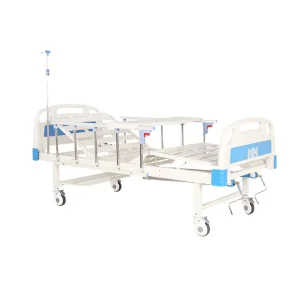
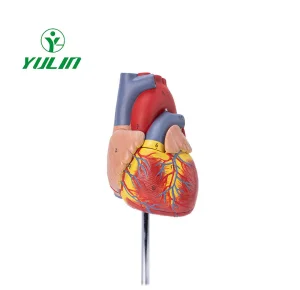
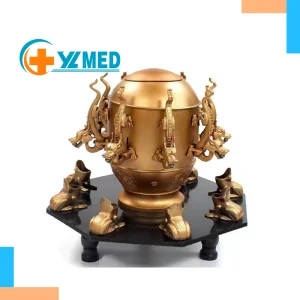
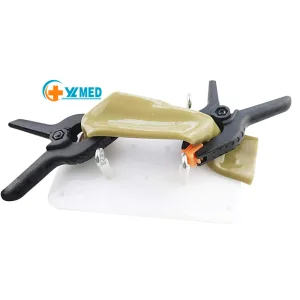
The remaining eight factory-listed models complete the original product set. They are useful for distributors building a broader catalogue that combines anatomy teaching, clinical training, dental equipment, ward furniture and emergency care products.
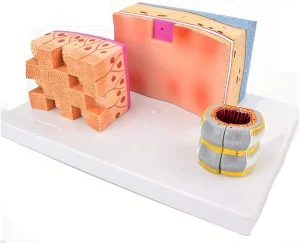
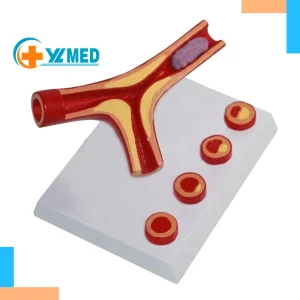
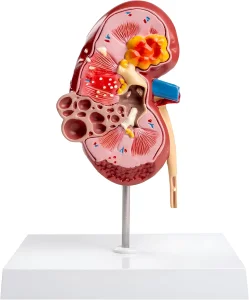
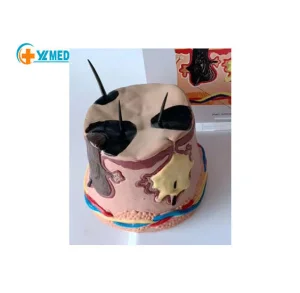
For model-level specifications, packaging details or a consolidated quotation covering medical teaching models, hospital equipment and related procurement lines, contact our export team at [email protected] or call 0086-13503800666.