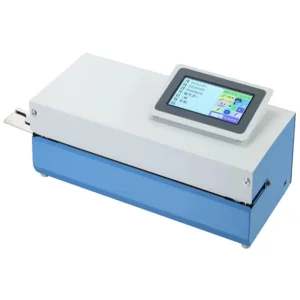
Verified Medical Products for Integrated Oxygen Therapy and Hospital Orders
Wholesale medical oxygen concentrator buyers rarely purchase in isolation. Distributors, tender teams and hospital groups often combine respiratory care with patient handling, hospital furniture, dental equipment and clinical training products. The eight products below show part of the factory-direct range available for mixed-category sourcing through Henan Yulin Edu. Project Co., Ltd.
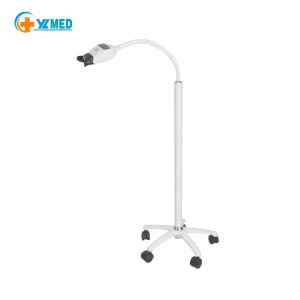
OEM Dental tooth whitening instrument dental clinic tooth beauty whitening machine cold LED tricolor lamp Manufacturers, Pricelist
View Product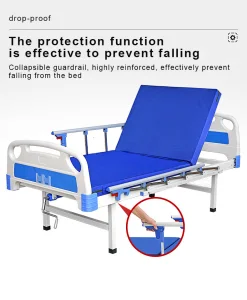
ODM Hospital outpatient bed nursing bed Hospital furniture sales of ordinary beds Manufacturer, Factory
View Product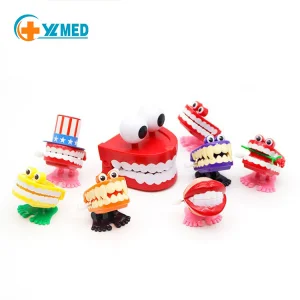
China Dental toys jumping teeth children's toys clockwork toys tooth jumping teeth jumping frog kindergarten gifts Quotes, Service
View Product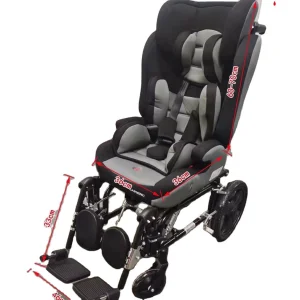
China High Quality Aluminum Alloy Frame Children's Wheelchair Cerebral Palsy 2-12 Years Old Purple Color Detachable Legrest Manual Pricelist, Quotes
View Product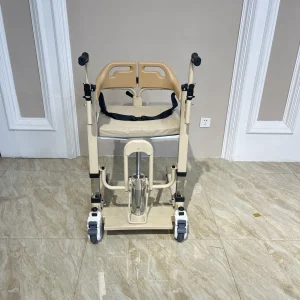
OEM Hydraulic Adjustable Patient Lifting and Transfer Chair with 200kg Capacity Foldable Design for Disabled Person Moving Quotes, Service
View Product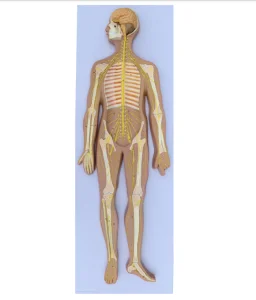
China Scientific Human Anatomy Educational Model, Central Nerve, Brain, Spinal Cord, Brain Anatomical Human Model Nervous System Cerebral-Medical Training Factories, Service
View Product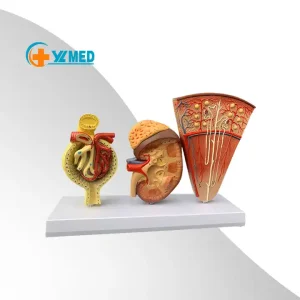
ODM Medical nephron glomerulus enlarged kidney anatomy Human kidney model urinary system endocrine analysis Medical model Pricelist, Service
View Product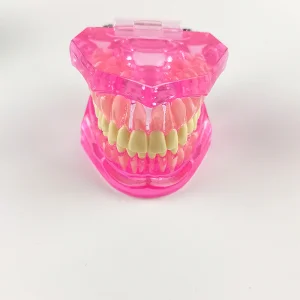
China Color dental pathology models Dental restoration pathology dental models with removable teeth and dental implants Manufacturer, Pricelist
View ProductWhat Buyers Really Mean by “Wholesale Medical Oxygen Concentrator Manufacturers & Factories”
This query sits at the commercial-investigation stage of the buying journey. The searcher is not simply looking for a definition of oxygen therapy. They are comparing supply routes, verifying factory status, checking medical device documentation and estimating the real landed cost of a repeat order.
Manufacturer Authentication
The buyer wants to know whether the supplier owns production lines, testing equipment and process control, or whether it is a trading company coordinating third-party factories. Auditable factory evidence matters more than a polished catalogue.
Configuration Fit
Common procurement questions include 5L versus 10L flow, continuous-flow versus pulse-dose delivery, oxygen purity alarms, battery backup, nebuliser compatibility, noise level and service access. The right factory can document each configuration clearly.
Compliance Evidence
Professional buyers ask for quality management system scope, product safety reports, electrical safety and EMC evidence, local registration support and label accuracy. Certificates should match the exact model, factory and target market.
Localisation Support
Voltage, plug type, language, alarm wording, packaging, spare-parts kits and after-sales response time decide whether a wholesale oxygen concentrator programme succeeds after arrival in the destination market.
The 2025 Wholesale Medical Oxygen Concentrator Factory Landscape
Medical oxygen concentrators use pressure swing adsorption technology to separate oxygen from ambient air through zeolite sieve beds. A complete unit is more than a compressor and a plastic cabinet: it combines valves, sieve beds, cooling, filtration, sensors, control electronics, alarm logic and patient-use documentation. For wholesale buyers, the difference between a low-cost device and a reliable clinical product is often found in component selection, factory testing discipline and documentation quality.
The market also contains different supplier types. A manufacturer may own final assembly and testing. A factory may specialise in moulding, PCBA or compressor integration. A trading company may coordinate several factories but lack direct production control. The phrase “manufacturers & factories” therefore signals a buyer who wants to reach production capability, not merely a sales office. Verification should include factory ownership, production-line evidence, calibration records, incoming inspection, finished-product testing and traceability.
China remains a major sourcing base because its medical device supply chain is deep and geographically concentrated. Components, motors, valves, sensors, plastics, packaging and electronics can be sourced at speed, while experienced exporters understand documentation for tenders and import registration. Regions such as Jiangsu, Zhejiang, Guangdong and Henan support different parts of the chain. A factory in Henan, for example, can coordinate mixed medical equipment orders through road, rail and air logistics while leveraging a broad domestic component network.
Henan Yulin Edu. Project Co., Ltd. has manufactured medical education and hospital equipment in Xinxiang, China, since 1958, with ISO 9001 certification since 2008. This long operating history provides a documented manufacturing baseline, export coordination experience and a partner network for one-stop medical equipment orders. For oxygen concentrator projects, buyers should still verify product-specific medical device registration, electrical safety reports and target-market approvals before placing volume orders. A general enterprise certification is a starting point, not a substitute for model-specific compliance.
Factory or Trading Company?
Ask for the legal entity, factory address, production licence, product scope and a live audit. A trading company can be useful for consolidated orders, but the buyer should know which party controls quality and warranty obligations.
Documentation Is a Product Feature
Instruction manuals, service manuals, test reports, labelling, packing lists and declaration documents are not administrative extras. They are essential for import clearance, tenders, distributor training and safe patient use.
One Factory, Multiple Categories
Distributors and institutions benefit from consolidating oxygen therapy accessories with hospital furniture, patient handling equipment, dental products and training models where quality systems and shipping timelines can be coordinated.
Compliance and Localisation Support: The Real Differentiator for Wholesale Oxygen Concentrators
A wholesale medical oxygen concentrator programme can fail after customs clearance if the voltage, language, alarm wording, service kit or registration file does not fit the destination market. Localisation should be designed into the order, not treated as a last-minute translation task.
Quality Management System
Request the ISO certificate, scope and latest audit status. Yulin Medical has held ISO 9001 certification since 2008, supporting documented production, inspection and export processes. Product-specific medical device certification must be confirmed separately.
Safety and Performance Evidence
For oxygen concentrators, buyers commonly review standards such as IEC 60601-1, IEC 60601-1-2 and ISO 80601-2-69, plus biocompatibility or cleaning requirements where applicable. Always verify the exact standard version and report scope.
Market Registration Package
Registration pathways vary. EU MDR, US FDA, China NMPA, ASEAN, Middle East and Latin American requirements differ in classification, technical files, local representatives and post-market obligations. Budget time for local review.
Power, Plug and Environment
Confirm 110V or 220V input, frequency, plug type, fuse rating, ambient temperature, humidity and altitude guidance. In regions with unstable power, surge protection and battery options may be important.
Label, Manual and Alarm Language
Localisation includes translated user manuals, packaging labels, warning statements, alarm messages and training slides. Incorrect wording can create use errors and may block registration or tender acceptance.
Spare Parts and Service
Define sieve bed replacement intervals, filter schedules, compressor service life, valve access and consumable supply. A factory that provides exploded views and service training reduces downtime for distributors.
China Factory Supply Chain Advantages for Medical Equipment Buyers
The strongest China factory advantage is not merely lower unit cost. It is the ability to combine component depth, manufacturing speed, engineering feedback, packaging discipline and export coordination into a repeatable supply programme.
Component Depth and Tooling Speed
China’s industrial base supports fast access to compressors, valves, sensors, PCBA, plastics, filters and packaging. For OEM projects, this can shorten sampling and tooling cycles when the factory has qualified supplier control.
Integrated Category Sourcing
Yulin Medical’s 10 product lines allow distributors to consolidate hospital furniture, dental tools, anatomy models, patient lifts and other products with one point of contact, reducing supplier-management overhead.
Export Packaging and Documentation
Long-haul medical equipment requires protective packing, humidity control, drop-test awareness and clear carton marking. Export experience also helps with invoices, certificates of origin and tender documentation.
Repeat-Order Stability
For distributors, predictable lead times and consistent specifications matter more than a one-off sample price. A factory with long operating history and documented QC can support forecasting, private label and replenishment.
Global Enterprise Procurement Requirements by Market
The same oxygen concentrator model may require different documentation, voltage configuration and service preparation in each region. A serious wholesale manufacturer should ask for the destination market before quoting.
FDA, 510(k), UDI and 110V Configuration
US buyers typically scrutinise FDA clearance or registration status, UDI labelling, electrical safety, English/Spanish materials, warranty terms and service access. Confirm whether the product is cleared for home care, clinical use or both.
MDR, CE Marking, Languages and WEEE/RoHS
EU procurement requires a valid MDR pathway, technical file, authorised representative, language-specific labelling and environmental compliance where applicable. 220–240V configuration and local after-sales support are essential.
Tender Documentation and Heat Resilience
Public tenders often require detailed compliance statements, Arabic labelling options, 220V power, high-temperature performance data, spare-parts lists and distributor training. Registration timelines should be planned early.
Rugged Use, Power Stability and Service Reach
Buyers often prioritise durable units, surge protection, simple maintenance, long filter life and accessible spare parts. Local service capacity and training can be more important than marginal differences in unit price.
Spanish/Portuguese Support and Local Registration
Voltage ranges may include 127V and 220V. Import registration, Spanish or Portuguese manuals, local invoicing and after-sales partners should be discussed before production. Tender packages often require notarised documents.
Humidity, Heat and Distributor Training
High humidity and ambient heat require attention to filtration, cooling and storage guidance. English and local-language training materials, 220–230V configuration and regional spare-parts stocking support distributor growth.
Industry Trends Reshaping Oxygen Concentrator Sourcing
Demand is moving toward home care, connected service and evidence-based procurement. Distributors that prepare for these shifts can differentiate beyond price and build recurring revenue from accessories, service and replacement parts.
Home-Care and Portable Oxygen
Aging populations and chronic respiratory disease management continue to push demand for quieter, lighter and more energy-efficient devices. Portable and battery-supported configurations are increasingly relevant for active patients.
Connected Service and Remote Monitoring
Distributors are exploring usage data, maintenance reminders and remote diagnostics to reduce service visits. Connectivity should be optional, secure and adapted to local data rules rather than added as an unverified feature.
Quiet, Efficient and Serviceable Design
Noise, heat, filter access and compressor serviceability affect patient acceptance and lifetime cost. A good wholesale programme includes maintenance schedules, spare filters, sieve bed guidance and distributor training.
Compliance-First Procurement
Hospitals, NGOs and tender authorities increasingly request documented evidence, traceability and post-market support. Suppliers that treat compliance as a core product feature are better positioned for long-term contracts.
Localised Application Scenarios for Medical Oxygen Concentrators
Different end users need different evidence. A home-care distributor may focus on quiet operation and training, while a hospital tender may prioritise alarms, service records and electrical safety.
Home Oxygen Therapy
Patients and caregivers need clear instructions, low noise, filter cleaning guidance, alarm explanations and local service access. Distributors should provide telephone support, replacement filters and preventive maintenance reminders.
Primary Care Clinics
Clinics often need compact units with reliable continuous flow, simple controls and documented maintenance. Local voltage stability, backup power and consumable supply should be assessed before installation.
Hospital Wards and Emergency Departments
Hospital procurement may require central oxygen backup planning, device alarms, staff training, service-level agreements and traceable preventive maintenance records. Units should be matched to clinical protocols.
Long-Term Care and Elderly Care
Care homes benefit from easy-to-read controls, caregiver training, low noise and reliable local service. Distributors can add value with scheduled maintenance and emergency replacement arrangements.
Emergency Preparedness and NGOs
Emergency stock programmes need robust packaging, clear commissioning steps, spare filters and kits that work under challenging power conditions. Documentation and training should support rapid deployment.
Dental and Veterinary Clinics
Dental sedation and veterinary oxygen support require clean delivery, appropriate flow control and local safety procedures. Verify compatibility with clinic equipment and local regulatory classification.
How to Audit an Oxygen Concentrator Factory: A 5-Step Framework
Documentation Pre-Check
Collect business licence, factory address, ISO/QMS scope, product certificates, test reports, manual samples and previous export records. Match every document to the exact model.
Factory Walkthrough
Review incoming inspection, component storage, assembly flow, calibration, leak testing, burn-in, final QC and packing. Ask how non-conforming units are segregated and corrected.
Sample Validation
Test oxygen purity, flow accuracy, alarm response, noise, heat build-up, power consumption and electrical safety where possible. Document the test method and keep a signed golden sample.
Localisation Review
Check voltage, plug, language, labelling, packaging, warranty cards and service manual. Confirm that translated content is accurate for clinical and lay users.
Commercial Pilot
Start with a pilot order, agreed inspection criteria and after-sales key performance indicators. Monitor defect rate, spare-parts delivery and response time before scaling to repeat containers.
A Procurement Scorecard for Wholesale Medical Oxygen Concentrators
Use a weighted scorecard to compare factories objectively. A low unit price may hide registration delays, weak spare-parts support and high service costs after installation.
A practical total-cost model should include acquisition cost, freight, insurance, duties, registration, training, spare parts, warranty administration, service visits and downtime. Buyers should also model replacement intervals for filters and sieve beds. When comparing two factories, ask each supplier to quote the same accessories, packaging, documentation and warranty package so that the comparison is genuinely like-for-like.
Yulin Medical: A Six-Decade Manufacturing Base for Integrated Medical Equipment Orders
Henan Yulin Edu. Project Co., Ltd. (Yulin Medical) has built educational and medical training equipment in Xinxiang, China, for more than six decades. The company was founded in 1958 and has grown into a manufacturer that integrates scientific research, production and sales. Its quality management system has been ISO 9001 certified since 2008, and its operating motto remains simple: quality first, service first.
With registered capital of RMB 120 million and more than 200 professional employees, Yulin manages product development, manufacturing, inspection and export from its base at No. 8 Daoqing Road, Industry Park, Hongqi District, Xinxiang, Henan, China. The company’s export team supports distributors, medical universities, nursing colleges, hospitals and procurement agents with product selection, private-label packaging and mixed-category consolidation.
For oxygen concentrator sourcing, the same due-diligence principles apply: verify model-specific medical device documentation, confirm localisation requirements and audit the production process. Yulin’s long manufacturing history, ISO 9001 baseline and 10 product lines provide a practical platform for buyers who need one accountable partner for broader medical equipment programmes.
- Factory-direct supply across 10 product lines, from anatomy models to hospital furniture.
- Private-label packaging and product presentation support for distributors.
- Mixed-category orders consolidated into one shipment with one point of contact.

Company: Henan Yulin Edu. Project Co., Ltd.
Established: 1958
Quality system: ISO 9001 certified since 2008
Registered capital: RMB 120 million
Team: 200+ professional staff
Address: No. 8, Daoqing Road, Industry Park, Hongqi District, Xinxiang, Henan, China
Inside Our Factory, Product Showroom and Export Operations












Product Categories for One-Stop Medical Equipment Sourcing
Ten specialised product lines allow procurement teams to source simulation, laboratory, dental and hospital equipment from one accountable manufacturer instead of managing multiple suppliers.
Anatomy Models
Torso, organ, heart, brain and muscle models with numbered structures for lectures and patient education.
View rangeBiology Prepared Slides and Accessories
Histology, botany and zoology prepared slides plus storage and microscope accessories for biology labs.
View rangeDental Tools and Equipment
Dental teaching models, clinic lights, LED whitening units and endodontic instruments for training and practice.
View rangeGeneral Teaching Models
Science demonstration models for primary schools, secondary schools and education equipment tenders.
View rangeHospital Furniture and Equipments
Stainless steel examination couches, stretchers, walkers and shower chairs built for daily clinical use.
View rangeHospital Machine and Tools
Diagnosis and treatment devices and practical tools for wards, clinics and emergency departments.
View rangeMedical Apparatus and Instruments
Emergency splints, extrication devices, cervical traction and rehabilitation instruments.
View rangeMedical Nursing Model
Adult, child and neonatal CPR manikins, ACLS simulators and AED trainers for skills assessment.
View rangeSkeleton Models
Life-size and desktop skeletons, skulls, spines and joint models for osteology teaching.
View rangeSuture Pads and Kits
Realistic skin suture pads and complete instrument kits for surgical and wound-closure practice.
View rangeWhy Distributors and Institutions Partner with Yulin Medical
Four strengths overseas buyers consistently cite when they move long-term orders to our factory.
24/7 Responsive Service
Our team is online 24 hours a day, 7 days a week. Whatever your time zone, you receive a detailed answer as quickly as possible—typically within 24 hours.
Design & Packaging Team
In-house specialists deliver professional product design and private-label packaging that strengthens your brand and increases the added value of every unit you sell.
Professional Expertise
Our vision is to provide professional educational and medical training products from mainland China, built under ISO 9001 process control and decades of category knowledge.
60+ Years of Supply Stability
A factory with more than 60 years of history and a deeply integrated partner supply chain lets us meet one-stop demands and keep lead times predictable on repeat orders.
A Transparent 5-Step Process for Overseas Buyers
From the first conversation to delivery, every stage has a named contact and clear documentation, so you can plan stock, tenders and training schedules with confidence.
Share Requirements
Send product types, quantities, target market and any tender or certification needs.
Catalog & Proposal
Receive matched models, specifications, packaging options and shipping suggestions.
Sample Evaluation
Test samples with your instructors or clinicians before confirming bulk production.
Production & QC
Manufacturing and inspection follow our ISO 9001 quality management system.
Export & Support
Protective export packing, delivery coordination and responsive after-sales service.
Best-Selling Simulation, First-Aid and Mobility Products
These products are requested by training centres, ambulance services, clinics and healthcare distributors. They can be combined with broader hospital and respiratory-care procurement programmes.












News and Practical Insights from Our Specialists
Exhibition updates and hands-on guidance written by the team that designs, manufactures and exports our product range.

Do You Really Know How to Observe Biological Prepared Slides?
Many plant and animal cell structures can only be studied under a microscope, which makes prepared biological slides essential in every biology lab. Our specialists explain how to handle, focus and store slides correctly so students see clearer detail and your slide sets last for years.

The 5th Henan Provincial Educational Equipment Expo Concludes Successfully
Themed “Digital Leading Innovation and Development”, the expo reached a record 50,000 m² with 600+ brands and 10,000+ products on display, showcasing the latest educational equipment.

Inside Our Product Showroom
A look at the medical teaching models and training equipment buyers can inspect in person when visiting our Xinxiang facility. The showroom also supports product selection for mixed-category export orders.
Frequently Asked Questions from Global Importers
Straight answers to the questions procurement managers ask most before placing a first order, including oxygen concentrator sourcing, localisation and Yulin Medical’s manufacturing capability.
Is Yulin Medical a manufacturer or a trading company?
What quality certification does Yulin Medical hold?
Do you support OEM, private label and custom packaging?
How do I choose the right CPR training manikin?
How quickly will I receive a reply?
How do I verify a wholesale medical oxygen concentrator manufacturer?
What certifications should a medical oxygen concentrator have?
What is the MOQ and lead time for wholesale oxygen concentrators?
Can you support local voltage, plug, language and packaging?
What documents should I request for a hospital or government tender?
How can I compare total cost of ownership between suppliers?
Need Specifications, a Price List or a Tender Package? We Reply Within 24 Hours.
Tell us your target market, quantities and certification requirements. Our product specialists will recommend suitable models, share detailed specifications and propose the most economical shipping plan for your order.
Additional Factory-Direct Products for Mixed Medical Equipment Orders
The eight products below complete the product range shown on this page. Combine them with hospital furniture, training models, dental equipment and patient-handling products to build a more efficient wholesale order.
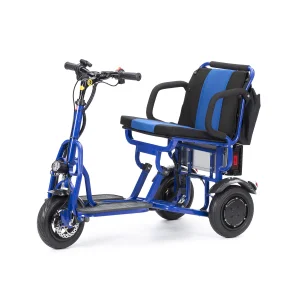
OEM Stacked Foldable 3 Wheels Electric Mobility Scooter for Elderly and Disabled Manufacturers, Service
View Product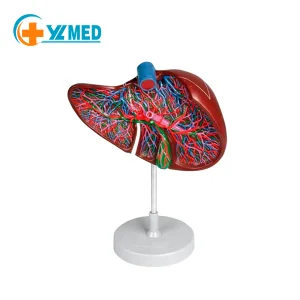
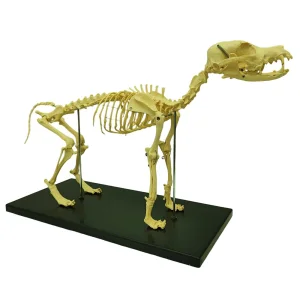
ODM Canine Skeleton Model Standard Size Animal Anatomical Model Medical Canine Dog Skeleton Model with Base Manufacturers, Factory
View Product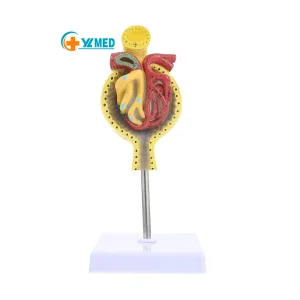
Wholesale Anatomical glomerular model Human kidney model Standing kidney anatomy Three-dimensional human glomerular model Manufacturer, Service
View Product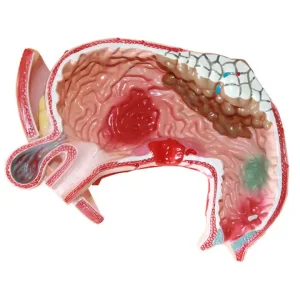
OEM Medical research stomach anatomical model pathological stomach and stomach disease model Manufacturers, Factories
View Product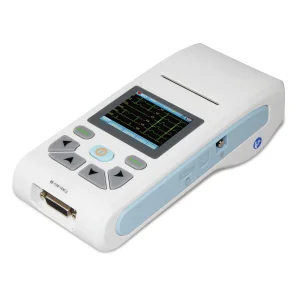
OEM New Handheld 2.8'' Display 3/6/12 Lead Electrocardiograph ECG90A ECG Machine Manufacturers, Factory
View Product