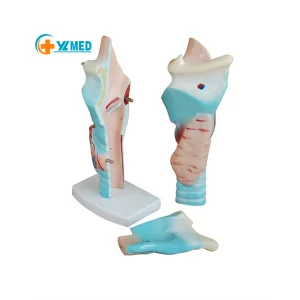
Requested Medical Training Models From the Yulin Medical Portfolio
Injection training arm programs are frequently consolidated with anatomy, nursing, dental and hospital training products. The eight models below introduce the breadth of the Yulin Medical catalog and show how one factory-direct shipment can cover multiple teaching departments.
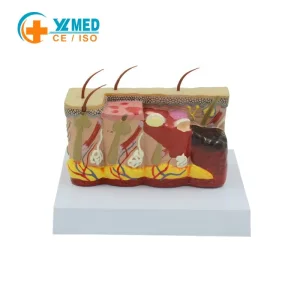
Wholesale 3D PVC Burn Skin Stereoscopic Anatomical Model Medical Human Skin Structure Teaching Injury Burn Comparison Model YULIN Medical Manufacturers, Pricelist
View Product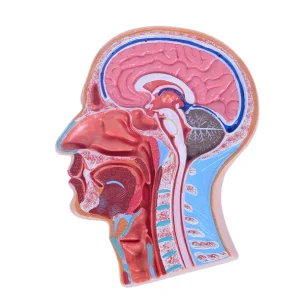
OEM Model of midhead section Factories, Service
View Product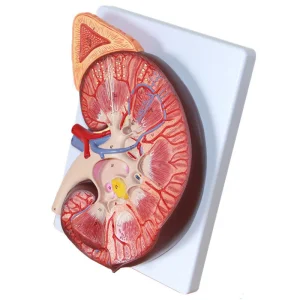
Wholesale A novel magnifying model of renal anatomy Quotes, Service
View Product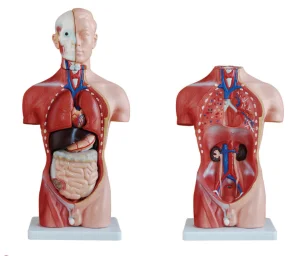
ODM Thirteen models of a 42CM male torso were made Factories, Quotes
View Product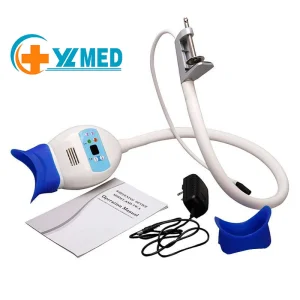
China cold light whitening instrument LED blue card in the column clamp table whitening lamp cosmetic dental beauty instrument Manufacturer, Quotes
View Product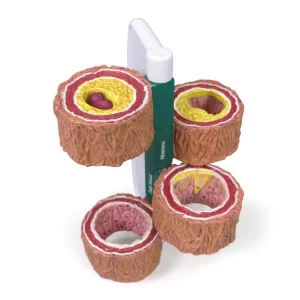
China Anatomicals - 4-Piece Artery Model, Replica of an Artery with Plaque for Human Anatomy and Physiology Education, Anatomy Model for Doctor's Offices and Classrooms, Medical Learning Resources Factory, Quotes
View Product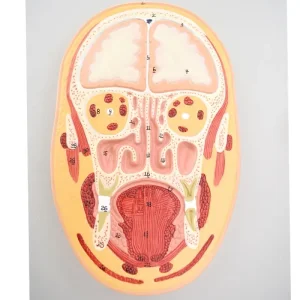
Wholesale Frontal section model of the human head Manufacturers, Pricelist
View Product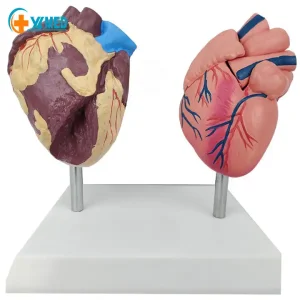
ODM Human Anatomy Heart Model 2parts PVC teaching models Heart health and sick compare heart model Factory, Pricelist
View ProductWholesale Injection Training Arm Model Manufacturer: What the Search Intent Really Means
A buyer searching for a wholesale injection training arm model manufacturer is usually not looking for a single retail unit. The intent is commercial and technical at the same time: the buyer needs a repeatable training simulator, a verified factory, product documentation, private-label potential, replacement parts, stable lead times and a total landed cost that still protects distributor margin.
That is why the phrase “manufacturer & manufacturers” matters. Procurement teams compare factories, trading companies, catalog suppliers and OEM partners. A credible result must answer the questions behind the search: Can this supplier control batch consistency? Can it localize packaging and manuals? Can it support tenders with ISO 9001 documentation? Can it ship an injection arm together with anatomy models, CPR manikins or hospital training equipment? Yulin Medical approaches the inquiry as a production project, not a catalog transaction.
Founded in 1958, Henan Yulin Edu. Project Co., Ltd. operates from Xinxiang, Henan, China, with more than 200 professional staff and registered capital of RMB 120 million. The company has been ISO 9001 certified since 2008 and manufactures across ten product lines, from anatomy and nursing models to dental tools, hospital furniture and medical apparatus. For injection training arm projects, this breadth reduces sourcing risk because the physical simulator, packaging, documentation and adjacent training products can be coordinated through one accountable manufacturer.
Procedure fit comes first
Will the arm support venipuncture, IV cannulation, intramuscular injection, subcutaneous injection or intradermal practice? Which needle gauges and local curriculum must it match?
Supplier proof must be documented
Factory history, ISO 9001 since 2008, inspection process, spare-parts list, packing method and batch traceability are more valuable than a low sample price.
Localization decides resale value
Language, packaging, labeling, training notes, tender documents and after-sales spare parts determine whether the product can be sold profitably in the destination market.
The Engineering Checklist Behind a Reliable Injection Arm Simulator
Injection training arm models look similar in photographs. The difference appears after repeated punctures, cleaning cycles, replacement-skin changes and overseas reorders. This is the checklist experienced buyers use when comparing wholesale manufacturers.
Tissue feel and needle feedback
The skin surface, underlying layer and vein wall should provide realistic resistance. A simulator that feels like rigid plastic can teach the wrong hand position and needle angle. Buyers should test the arm with the gauge sizes used in their market, then compare puncture smoothness, vein roll and skin recovery.
Vein geometry and flashback
Vein placement should match the clinical task. For IV and venipuncture training, the flashback chamber and fluid path must respond predictably. Poorly positioned tubing can make a model look correct but behave inconsistently, especially when learners attempt difficult veins or use different needle lengths.
Skin durability and replacement economics
Wholesale buyers should calculate cost per training cycle, not just cost per arm. Ask how many punctures the skin can tolerate, how quickly replacement skins can be installed, whether veins are replaceable and whether spare parts remain available on repeat orders. A low unit price with no consumables can become expensive.
Fluid management and cleaning
Leakage, trapped fluid and difficult cleaning reduce lab efficiency. Check the reservoir or connection design, drainage, sealing, and whether the model can be cleaned with common institutional procedures. For schools and hospitals, simple maintenance is often more important than extra features.
Mounting and procedure realism
A training arm should remain stable on a table, support or simulated patient. Ask whether it includes a mounting base, how it can be positioned, and whether accessories interfere with realistic hand movement. Stable positioning improves assessment consistency across multiple student groups.
Batch traceability and documentation
For tender and distributor programs, documentation matters. Ask for model specifications, packing list, material information where available, batch records, warranty terms and a spare-parts list. These documents support import registration, tender submission and after-sales service planning.
What should influence the sourcing decision?
The percentages below are an illustrative decision matrix, not market statistics. They help procurement teams compare models against their own priorities.
Localized Support and Compliance Assurance for Regulated Markets
Localization is not a translated label added at the end of production. For injection training arm models, it affects packaging, user instructions, training terminology, labeling, spare-parts identification and the documentation package used by distributors and tender teams. A manufacturer that understands these layers reduces friction for the importer.
Yulin Medical’s quality management system has been ISO 9001 certified since 2008. Product-specific documentation can be provided on request to support tenders and import registration. Because requirements differ by country and by product classification, the buyer should confirm whether the training arm is treated as a teaching aid, a medical device accessory or another category under local rules. Yulin Medical can supply manufacturing information; the importer should validate local regulatory obligations with its own compliance adviser.
For distributors, localization also includes commercial support: private-label packaging, product presentation, consistent spare parts and after-sales communication. The in-house design team can help develop packaging and presentation that improve shelf appeal and resale value. For institutions, the priority may instead be clear instructions, low maintenance and a reliable supply of replacement components for recurring training semesters.
- Language support: English materials by default; local-language packaging and instructions can be discussed by project.
- Tender file support: ISO 9001 certificate, model specifications, packing list and product data for evaluation.
- Spare-part planning: replacement skins, veins or accessories can be included in the first order and repeat orders.
- Private label: OEM and custom packaging for distributors seeking differentiated product presentation.
Compliance pack: what serious buyers ask for
- ISO 9001 certificate and quality-management statement.
- Product specification sheet, dimensions, materials and packing data.
- Spare-parts list and replacement instructions.
- Batch or inspection records where applicable.
- Commercial invoice, packing list and export documentation.
- Private-label artwork and language review process.
China Factory Supply Chain Advantage: More Than a Low Unit Price
The strongest China supply-chain advantage is not simply a lower quotation. It is the combination of mature mold-making, skilled assembly, material sourcing, packaging capability, export experience and the ability to consolidate multiple teaching-model categories into one shipment.
Material and mold capability
Injection arm quality depends on skin formulation, vein tubing, fittings, mold precision and assembly discipline. A factory with long manufacturing experience can control these variables more consistently than a trading intermediary that changes workshops from order to order.
One-stop consolidation
Yulin Medical covers ten product lines, including anatomy models, nursing models, skeleton models, suture kits, dental tools, hospital furniture and medical apparatus. Distributors can combine injection-arm projects with adjacent products, reducing supplier management and freight complexity.
Private label and packaging
The in-house design and packaging team supports product presentation for distributors. Custom packaging can improve shelf appeal, simplify local distribution and strengthen the reseller’s brand without requiring the buyer to manage a separate packaging supplier.
Export packing and predictability
Training arms and anatomical models must arrive without deformation or damage. Export packing, carton marking, mixed-category loading and delivery coordination are part of the total cost. Stable lead times on repeat orders are especially important for tender schedules and semester planning.
Customization without losing control
OEM and ODM requests may involve color, logo, packaging, accessory configuration or localized instructions. A manufacturer with design, production and inspection under one roof can evaluate feasibility, sampling and production risk more efficiently.
Total landed cost discipline
Buyers should compare defect rate, replacement-skin cost, packing quality, documentation time, freight efficiency and after-sales response. The lowest quotation can become the most expensive choice if the arm leaks, wears quickly or cannot be replenished with spare parts.
Global Enterprise Procurement Demand: What Buyers Actually Evaluate
Different buyers describe the same injection training arm requirement in different language. A distributor asks about margin and packaging. A university asks about curriculum fit and durability. A hospital asks about cleaning and spare parts. A tender team asks for documents and delivery certainty.
Distributors and importers
They need a sellable product range, private-label options, MOQ flexibility, replacement parts, consistent packaging and marketing-ready product data. A manufacturer that can consolidate multiple categories into one shipment is more attractive than a single-category supplier.
Medical schools and universities
They assess whether the injection arm matches the curriculum, how many students can use it per semester, how quickly skins can be replaced and whether the supplier can provide teaching-friendly specifications. Long-term service matters as much as initial fidelity.
Hospital skills centers
Clinical skills labs need repeatable practice, infection-control-friendly cleaning, storage efficiency and clear maintenance procedures. Spare parts availability determines whether the simulator remains in service after intensive training blocks.
Tender and government buyers
Documentation, traceability, packaging marks, delivery schedules and specification compliance are critical. Tender teams often prefer a manufacturer that can provide ISO 9001 evidence, product data sheets and a clear after-sales commitment.
NGOs and training programs
They may prioritize ruggedness, simple maintenance, transportability and volume pricing. In field-training environments, a model that can be cleaned and repaired with limited tools can outperform a more complex product with fragile accessories.
OEM and private-label brands
They need confidentiality, packaging design, sample approval, consistent repeat production and documentation that supports their own market positioning. The manufacturer becomes part of the brand’s quality chain.
Questions every global buyer should ask
- Which procedures is the injection arm designed to train, and which needle gauges are compatible?
- What is the expected service life of the skin, veins and fluid path under normal training use?
- Can we receive a spare-parts list, replacement instructions and a recommended first-order consumable quantity?
- Can the packaging and instructions be localized for our market?
- What documentation is available for tenders, customs and distributor onboarding?
- How is consistency controlled between the approved sample and mass production?
Treat the first sample as a specification contract. Approve the physical feel, replacement method, packing, accessories and documentation before bulk production. That single discipline prevents most wholesale disputes.
Discuss Your RequirementsIndustry Development Trends Shaping Injection Training Arm Models
The market is moving toward more realistic practice, more modular consumables and more localized training support. At the same time, budgets remain under pressure, so the winning products will be those that balance fidelity with maintainability.
1. Modularity and consumable economics
Buyers increasingly evaluate the cost per training cycle. Replaceable skins, accessible veins and simple fluid-path maintenance are becoming more important than cosmetic detail that does not affect learning outcomes.
2. Higher fidelity with simpler operation
Schools want realistic needle feedback and flashback without a complex setup. The best models reduce instructor preparation time while still teaching correct angle, depth and stabilization technique.
3. Local-language learning assets
Distributors and institutions increasingly expect localized instructions, packaging and training notes. Suppliers that can manage artwork versions and language review will have an advantage in multi-country distribution.
4. Hybrid and remote skills training
Demonstration videos, QR-linked instructions and remote assessment are becoming complements to physical simulation. The injection arm remains the hands-on core, but supporting content improves adoption and consistent use.
5. Documentation and traceability pressure
Tenders and import processes demand clearer specifications, packing data and quality evidence. Manufacturers with mature ISO 9001 systems and organized product records can respond faster and reduce buyer risk.
6. OEM differentiation for distributors
Private label, custom colors, packaging design and market-specific accessories help distributors avoid price-only competition. The factory becomes a product-development partner rather than a generic source.
Where Injection Training Arm Models Create Practical Value
The same simulator can serve different training markets when its configuration, packaging and support materials are adapted to local teaching practice.
Nursing and medical colleges
Students practice venipuncture, injection technique and aseptic routine in scheduled lab sessions. The model should survive high student throughput, allow quick skin replacement and support fair skills assessment across groups.
Hospital clinical skills centers
Hospitals use injection arms for onboarding, refresher training and competency checks. Stable mounting, easy cleaning and clear maintenance instructions help skills-lab staff manage repeated short courses.
EMS and pre-hospital teams
Emergency training may emphasize rapid setup, realistic positioning and durable construction. Portable configurations and protective packaging are valuable when training is delivered outside a fixed lab.
Pharmacy and vaccination training
Injection practice supports technique development before supervised clinical work. Local protocols vary, so the buyer should define the intended procedure scope and confirm that the model matches approved teaching requirements.
Distributor demonstrations
Distributors need demonstration units that travel well and present clearly to customers. Private-label packaging, spare consumables and product literature can turn a generic simulator into a complete resale package.
Vocational and community care programs
Training providers often need affordable, repeatable practice models. Simple maintenance, clear instructions and replacement-part availability can make a basic model more effective than an advanced model with limited support.
From Injection Training Arms to a Complete Skills Lab
Yulin Medical supplies ten product lines that allow distributors and institutions to consolidate teaching equipment. This is the factory-direct advantage: one point of contact, one inspection standard and one shipment for multiple departments.
Anatomy Models
Torso, organ, heart, brain and muscle models with numbered structures for lectures and patient education.
View range 02Biology Prepared Slides and Accessories
Histology, botany and zoology prepared slides plus storage and microscope accessories for biology labs.
View range 03Dental Tools and Equipment
Dental teaching models, clinic lights, LED whitening units and endodontic instruments for training and practice.
View range 04General Teaching Models
Science demonstration models for primary schools, secondary schools and education equipment tenders.
View range 05Hospital Furniture and Equipments
Stainless steel examination couches, stretchers, walkers and shower chairs built for daily clinical use.
View range 06Hospital Machine and Tools
Diagnosis and treatment devices and practical tools for wards, clinics and emergency departments.
View range 07Medical Apparatus and Instruments
Emergency splints, extrication devices, cervical traction and rehabilitation instruments.
View range 08Medical Nursing Model
Adult, child and neonatal CPR manikins, ACLS simulators and AED trainers for skills assessment.
View range 09Skeleton Models
Life-size and desktop skeletons, skulls, spines and joint models for osteology teaching.
View range 10Suture Pads and Kits
Realistic skin suture pads and complete instrument kits for surgical and wound-closure practice.
View rangeAdjacent Products That Strengthen Your Sourcing Basket
These additional Yulin Medical products support cross-selling, tender bundling and complete training-room setup.

Advanced Full-Body CPR Training Manikin with 8" Color Feedback Display
Explore
AED Automated External Defibrillator Trainer for CPR Courses
Explore
5-Year-Old Child ACLS Emergency Simulation Manikin
Explore
Neonatal ACLS Training Manikin Aligned with AHA 2020 Guidelines
Explore
Adjustable Rescue Scoop Stretcher with 3 Safety Straps
Explore
Portable Kendrick Extrication Device (KED) Body Splint
Explore
Non-Pneumatic Shock-Absorbing Emergency Splint & Tension Bandage
Explore
Stainless Steel Clinic Examination Bed & Patient Couch
Explore
Height-Adjustable Aluminum Folding Walker with Front Wheels
Explore
Foldable Shower Chair for Elderly and Home Care
Explore
Lightweight Aluminum Foldable Standard Walker
Explore
Inflatable Cervical Neck Traction Device for Home Use
ExploreWhy Distributors and Institutions Partner with Yulin Medical
Four strengths overseas buyers consistently cite when they move long-term orders to our factory.
24/7 Responsive Service
Our team is online 24 hours a day, 7 days a week. Whatever your time zone, you receive a detailed answer as quickly as possible — typically within 24 hours.
Design & Packaging Team
In-house specialists deliver professional product design and private-label packaging that strengthens your brand and increases the added value of every unit you sell.
Professional Expertise
Our vision is to provide the most professional educational and medical training products from mainland China, built under ISO 9001 process control and decades of category knowledge.
60+ Years of Supply Stability
A factory with over 60 years of history and a deeply integrated partner supply chain lets us meet one-stop demands and keep lead times predictable on repeat orders.
A Transparent 5-Step Process for Overseas Buyers
From first conversation to delivery, every stage has a named contact and clear documentation, so you can plan stock, tenders and training schedules with confidence.
Share Requirements
Send product types, quantities, target market and any tender or certification needs.
Catalog & Proposal
Receive matched models, specifications, packaging options and shipping suggestions.
Sample Evaluation
Test samples with your instructors or clinicians before confirming bulk production.
Production & QC
Manufacturing and inspection follow our ISO 9001 quality management system.
Export & Support
Protective export packing, delivery coordination and responsive after-sales service.
Inside Yulin Medical: A Six-Decade Manufacturer for Injection-Arm and Skills-Lab Programs
Founded in 1958, Henan Yulin Edu. Project Co., Ltd. has grown into a well-known educational and medical equipment supplier that integrates scientific research, production and sales. With registered capital of RMB 120 million and more than 200 professional employees, the company manages product development, manufacturing, inspection and export from its base at No. 8 Daoqing Road, Hongqi District, Xinxiang, Henan, China.
Our goal is to satisfy every customer through dependable quality and attentive service while continuously developing the skills of our team so that each project is handled by experienced people. The company’s motto is simple: quality first, service first.



Knowledge, Exhibitions and Practical Insights
Exhibition updates and hands-on guidance written by the team that designs and builds medical teaching products.

Do You Really Know How to Observe Biological Prepared Slides?
Many plant and animal cell structures can only be studied under a microscope. Our specialists explain how to handle, focus and store slides correctly so students see clearer detail and slide sets last for years.

The 5th Henan Provincial Educational Equipment Expo Concludes Successfully
Themed “Digital Leading Innovation and Development”, the expo reached a record 50,000 m² with 600+ brands and 10,000+ products on display, showcasing the latest educational equipment.
Visit Hot Blog
Inside Our Product Showroom
A look at the medical teaching models and training equipment buyers can inspect in person when visiting our Xinxiang facility.
Frequently Asked Questions About Wholesale Injection Training Arm Models and Yulin Medical
Direct answers to the questions procurement managers, distributors and training institutions ask before placing a first or repeat order.
Is Yulin Medical a manufacturer or a trading company?
What quality certification does Yulin Medical hold?
Do you support OEM, private label and custom packaging?
How do I choose the right wholesale injection training arm model?
What should I check in an injection arm sample before bulk production?
Can you support local-language manuals and compliance documents?
What is the MOQ and lead time for injection training arm models?
How do you maintain repeat-order consistency?
How quickly will I receive a reply?
Need Specifications, a Price List or a Tender Package? We Reply Within 24 Hours.
Tell us your target market, quantities and certification requirements. Our product specialists will recommend suitable models, share detailed specifications and propose the most economical shipping plan for your order.
For wholesale injection training arm model projects, include the intended procedures, local language requirements, packaging needs and any spare-part expectations. The more specific your brief, the faster we can prepare a useful proposal.

Complete the Product Set: More Training Models From the Yulin Medical Catalog
These eight models complete the original product references and demonstrate the cross-category sourcing depth available from Yulin Medical.
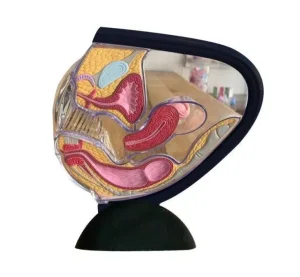
OEM Uterus Model Female Transparent Uterine Anatomy Model Pelvic Cavity Rectum Teaching Model for Medical Educational Training (Black) Manufacturers, Service
View Product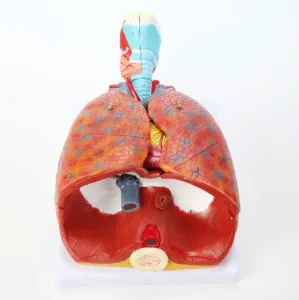
ODM Laryngeal heart and lung Model Human Respiratory System Model Separable Teaching Anatomical Model Manufacturer, Factories
View Product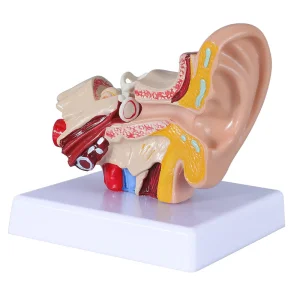
ODM Medical teaching 1.5 times adult ear anatomy model Manufacturers, Pricelist
View Product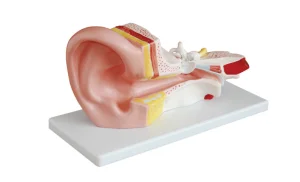
Wholesale Anatomical model of the middle ear Manufacturers, Pricelist
View Product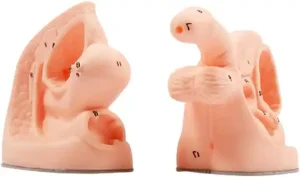
OEM Biology human anatomical Advanced Male Internal External Genital Organs models Catheter Anatomy Model Pricelist, Quotes
View Product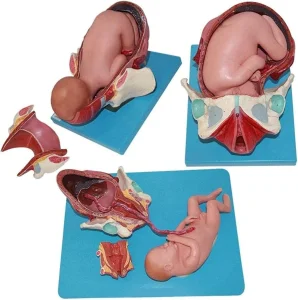
China Human Anatomical Model Human Anatomical l Cavity Throat Anatomy Medical Model for Science Classroom Study Display Teaching Medical Modell Cavity Longitudinal Section Model Manufacturers, Quotes
View Product
OEM Portable Medical Vacuum Suction Apparatus Sputum Aspirator Phlegm Suction Machine Manufacturer, Factories
View Product