Wholesale Infant CPR Mannequin Manufacturers & Factories
A procurement-grade guide for distributors, medical schools, EMS academies, hospitals and OEM buyers comparing infant CPR mannequin factories, feedback technologies, compliance documentation and long-term supply capability.
All 16 original product listings are retained across the top and bottom product galleries.
8 Factory-Direct Items for Mixed Medical Education Orders
The first eight original listings combine anatomy, emergency care, diagnostics, dental teaching and laboratory products. They demonstrate the mixed-category capability that distributors and institutions often need when consolidating a full training or clinical skills order.
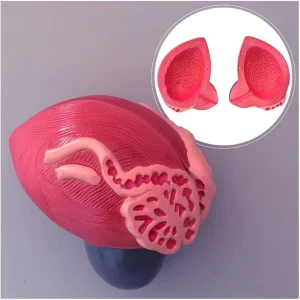
ODM Enlarging human bladder model for medical teaching Quotes, Service
View Product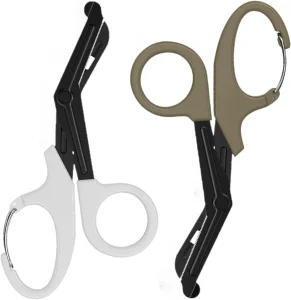
China Trauma Shears Medical Scissors with Carabiner Nursing Bandage Scissors Stainless Steel Surgical Scissors for Nurses Doctors Manufacturers, Service
View Product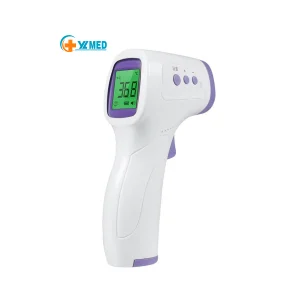
China Medical grade electronic temperature gun factory straight hair handheld electronic temperature measurement Factories, Service
View Product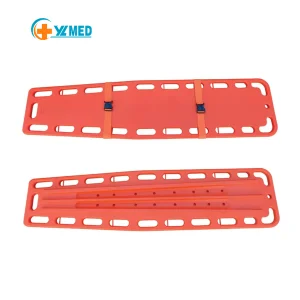
China Portable Emergency Steel & Metal Furniture ABS Water Floating Stretcher Foldable Rescue Board for Wounded Patients Hospital Use Manufacturer, Service
View Product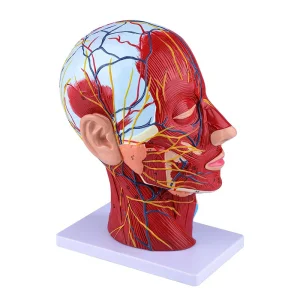
ODM Human Half Head & Neck Anatomy Model Superficial Neurovascular Model Manufacturer, Pricelist
View Product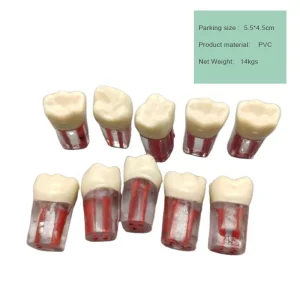
Wholesale Factory Good Price Resin Manual Colorful Open Pulp Root Canal Model for Medical Treatment Factories, Quotes
View Product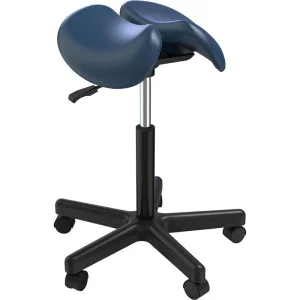
ODM Two Part Saddle Chair Adjustable Height with Backrest White Dental Chairs Modern Manufacturer, Manufacturers
View Product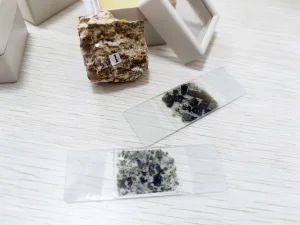
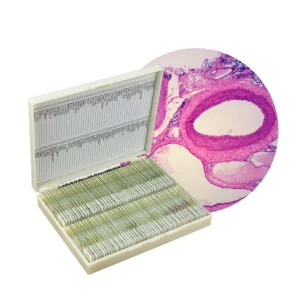
ODM Microscope slides prepared by grinding mineral slides for teaching experiments Manufacturer, Pricelist
View ProductWhat “Wholesale Infant CPR Mannequin Manufacturers & Factories” Really Means
The search is not a consumer query. It is a B2B sourcing signal from buyers who need a repeatable training standard, documented quality and a supply partner that can support multiple product lines, replacement parts and private-label programmes.
Distributors & Private-Label Brands
They compare MOQ, packaging, barcode readiness, warranty, spare lungs and face pieces, product photography, and whether the factory can protect their brand across repeat shipments.
Medical Schools & Nursing Colleges
They consider curriculum fit, infant-specific anatomy, hygiene protocols, instructor training, storage durability, and how easily learners can see compression depth and chest rise.
Hospitals & EMS Academies
They need in-service training continuity, neonatal and paediatric scenarios, portable kits, cleaning workflows, and after-sales support that keeps courses running.
Government & NGO Tenders
They focus on traceability, documentation, delivery schedules, local-language manuals, spare-part commitments, and evidence that each batch is inspected consistently.
Total Cost of Ownership
A low unit price can be a false economy if replacement lungs crack, faces discolour, feedback sensors drift, or manuals require expensive local adaptation. Serious buyers calculate cost per trained learner over three to five years.
Information Gain
The strongest wholesale factories provide evidence: material specifications, calibration routines, packaging tests, spare-part lists, language options and audit-ready quality records.
Risk Reduction
The winning supplier removes risk from the next training season. That means predictable lead times, controlled changes, consistent colour and texture, and responsive technical support.
Why Infant CPR Mannequins Are Moving from Niche Equipment to Core Curriculum
Demand is being pulled by mandatory basic life support education, paediatric emergency preparedness, hospital accreditation, community first-aid campaigns and the expansion of simulation-based learning in emerging markets.
Mandatory BLS & Paediatric Readiness
More healthcare programmes now require infant-specific technique practice, not only adult CPR. Nursing colleges, dental schools, pharmacy programmes and hospital onboarding teams are adding infant and neonatal modules to existing adult BLS courses.
Accreditation & Recertification Cycles
Every guideline update and recertification cycle creates replacement demand for consumables, face pieces, lungs and feedback modules. Buyers increasingly value suppliers that maintain stable spare-part availability across model generations.
Public Health & Community Programmes
NGOs, fire services, schools and workplace safety teams are expanding first-aid outreach. They need portable, easy-clean infant mannequins with simple feedback, durable carry cases and local-language instruction materials.
In high-volume distribution markets, documentation and replacement-part discipline matter most. In fast-growing institutional markets, tender response speed, mixed-category consolidation and training support often decide the order. In public-health campaigns, portability and hygiene can matter more than advanced electronics. A manufacturer that understands these differences can help a buyer avoid over-specifying one market and under-specifying another.
From a Single Mannequin to a Curriculum-Ready Training System
Infant CPR mannequins rarely travel alone. The most efficient buyers assemble an ecosystem of adult, child and infant trainers, AED trainers, airway accessories, cleaning supplies, replacement consumables and assessment tools.
Academic Skills Laboratory Bundle
Adult, child and infant CPR trainers with consistent feedback language, AED trainers, airway management models and storage systems for high-throughput lab sessions.
Hospital Neonatal & Paediatric Programme
In-service training kits that support team-based scenarios, infection-control workflows, portable debriefing and spare-part replenishment without disrupting clinical schedules.
EMS & Community First-Response Kit
Rugged carry cases, torso-style trainers, face shields, cleaning supplies and simple feedback options designed for field instructors and mobile training teams.
OEM & Distribution Growth Programme
Private-label packaging, multilingual manuals, product photography, barcode data and mixed-category shipments help distributors build a complete catalogue without managing dozens of suppliers.
One Accountable Manufacturer for Mixed Medical Education Orders
Henan Yulin Edu. Project Co., Ltd. (Yulin Medical) has operated in Xinxiang, Henan, China since 1958, with ISO 9001 certification since 2008 and more than 200 professional staff. Its ten product lines cover anatomy models, biology-prepared slides, dental tools and equipment, general teaching models, hospital furniture, hospital machines and tools, medical apparatus, medical nursing models, skeleton models and suture pads and kits.
- Consolidate anatomy, emergency care, laboratory and clinical products into one shipment.
- Use one point of contact for specifications, samples, private label and export coordination.
- Support tender packages with product documentation, packing details and consistent batch inspection.
Materials, Feedback, Connectivity and Lifecycle Engineering
Buyers should evaluate the infant CPR mannequin as a technical system. Chest compliance, airway realism, sensor stability, cleaning compatibility and spare-part logistics all influence training outcomes.
Stage 1: Anatomy & Material
Skin-like face material, realistic chest compliance, airway resistance, head-neck proportion and cleanable surfaces. PVC, silicone and thermoplastic blends each trade off durability, feel, weight and cost.
Stage 2: Compression & Ventilation Feedback
Compression depth, rate, recoil and ventilation volume should be visible and repeatable. Buyers must confirm feedback language, calibration access, battery life and field-service procedures.
Stage 3: Digital & Connected Training
Bluetooth modules, instructor dashboards, session logs and multilingual apps can improve debriefing. Buyers should require firmware-change notices, data-privacy guidance and clear ownership of training data.
Stage 4: Lifecycle & Sustainability
Replaceable lungs and faces, modular electronics, clear spare-part codes and recyclable packaging reduce total cost. A supplier that documents change history protects long-term training continuity.
What the Next Generation of Infant CPR Mannequin Factories Must Deliver
Manufacturers will be judged less on foam density alone and more on whether they can support measurable training outcomes, localisation and lifecycle reliability.
AI-Assisted Debriefing
Connected mannequins can capture compression and ventilation patterns and feed instructor dashboards. The strongest use case is not autonomous teaching; it is faster, more consistent debriefing with clear evidence.
Localisation & Distributed Support
Multilingual manuals, local packaging, regional spare-part hubs and training videos will become competitive requirements rather than optional extras, especially for tender-driven markets.
Evidence-Based & Sustainable Procurement
Buyers will request lifecycle data, replaceable components, lower packaging waste and documented quality controls. This favours factories that can show process discipline rather than only catalogue variety.
The practical implication is clear: an infant CPR mannequin factory should be evaluated as a long-term training infrastructure partner. The buyer needs confidence that the same product family will remain available, that consumables will fit future batches, that electronic modules can be updated, and that the supplier can explain changes without disrupting scheduled courses.
A Buyer’s View of the Global Supply Landscape
The category combines mature manufacturing clusters with rapidly changing regional demand. Buyers who understand the industrial context can negotiate better terms and avoid hidden lifecycle costs.
China’s Integrated Supply Base
China offers a deep ecosystem for models, plastics, electronics, packaging and instruments. The advantage is breadth and speed; the diligence requirement is to separate true factories from trading intermediaries and to verify process control.
Regional Regulation & Documentation
Some markets treat CPR trainers as educational equipment; others may apply medical-device, electrical-safety or labelling rules. Buyers should confirm classification, required documents and language obligations before tendering.
Logistics, Tariffs & Consolidation
Mixed-category shipments reduce freight waste, but carton dimensions, pallet planning, battery documentation and Incoterms must be agreed early. Repeated small replenishment orders require stable spare-part planning.
Supplier Consolidation
Distributors increasingly prefer fewer suppliers that can provide training models, clinical products and hospital equipment together. This reduces administration, improves container utilisation and creates clearer responsibility for quality.
Turning a Factory Quote into a Market-Ready Programme
Wholesale success depends on what happens after the sample is approved: labels, manuals, spare parts, inspection records and after-sales response all affect whether the product can be sold confidently.
Documentation Pack
ISO 9001 quality-system evidence, product specifications, packing lists, inspection records, material declarations and tender-ready data sheets can be prepared for serious buyers. Where local registration applies, confirm the exact document scope before ordering.
Private Label & Multilingual Support
In-house design support can adapt packaging, labels, manuals and product presentation. For distributors, this improves shelf appeal and reduces the cost of local re-labelling.
Spare Parts & Instructor Training
Face pieces, lungs, airways, electronics and carry cases should have stable item codes. Training videos and maintenance schedules help instructors protect equipment between courses.
Connected-Product Security
If a mannequin includes Bluetooth, apps or cloud dashboards, buyers should ask about firmware updates, account management, data export and privacy responsibilities before adopting the system.
Compliance Language That Protects Both Buyer and Supplier
“Aligned with AHA or ERC training objectives” should mean the product supports the skills those curricula require; it should not imply endorsement unless separately documented. The buyer remains responsible for confirming local classification and import requirements.
- State the intended learner group: infant, child, adult or multi-age.
- Confirm whether the product is a training aid, educational model or regulated device in the destination market.
- Verify labelling, language, electrical safety and battery-transport documentation where applicable.
- Agree spare-part availability, warranty terms and technical-contact responsibilities.
Yulin Medical: Six Decades of Educational and Medical Equipment Manufacturing
Founded in 1958, Henan Yulin Edu. Project Co., Ltd. integrates scientific research, production and sales. Its quality management system has been ISO 9001 certified since 2008, and the company operates from No. 8 Daoqing Road, Industry Park, Hongqi District, Xinxiang, Henan, China.
For buyers comparing wholesale infant CPR mannequin manufacturers, the value of a six-decade manufacturer is not simply history. It is the ability to coordinate product development, tooling, inspection, packaging and export across multiple categories while keeping communication clear. With registered capital of RMB 120 million and more than 200 professional staff, Yulin Medical supports distributors, medical universities, nursing colleges, hospitals and training organisations with factory-direct supply.
The company’s motto is quality first, service first. Its in-house design team develops private-label packaging and product presentation, while the export team targets replies within 24 hours. For mixed-category orders, long-term partner factories are coordinated so that customers can consolidate anatomy models, laboratory slides, dental equipment, emergency products and hospital furniture into one accountable supply plan.
Share Requirements
Send product types, quantities, learner groups, target market and any tender or certification needs.
Catalog & Proposal
Receive matched models, specifications, packaging options and practical shipping suggestions.
Sample Evaluation
Test samples with instructors or clinicians before confirming bulk production and private label.
Production & QC
Manufacturing and inspection follow the ISO 9001 quality-management approach, with batch records available.
Export & Support
Protective export packing, delivery coordination and responsive after-sales follow-up keep repeat orders on track.
What to Include in Your Infant CPR Mannequin RFQ
A precise RFQ produces comparable quotes. It also helps a serious factory recommend the right model instead of guessing from a one-line inquiry.
Frequently Asked Questions from Importers
These answers reflect the questions procurement teams most often ask before placing a first or repeat wholesale order.
Is Yulin Medical a manufacturer or a trading company?
What quality certification does Yulin Medical hold?
Do you support OEM, private label and custom packaging?
How do I choose the right infant CPR training mannequin?
What documents should I request for a tender?
How can I verify feedback accuracy before bulk ordering?
What is the typical sample and production process?
How quickly will I receive a reply?
Need Specifications, a Price List or a Tender Package? Tell Us What You Are Building.
Share your target market, learner group, quantity, preferred feedback level and certification requirements. The product team can recommend suitable infant, child and adult training models, explain spare-part options, and propose a practical shipping plan for mixed-category orders.
Direct Channels
[email protected] 0086-13503800666 No. 8, Daoqing Road, Industry Park, Hongqi District, Xinxiang, Henan, ChinaRemaining 8 Original Items for Consolidated Sourcing
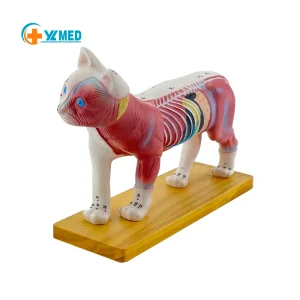
The final eight original listings complete the 16-item product set. They support veterinary anatomy, respiratory anatomy, emergency immobilisation, laboratory equipment, neuroanatomy, patient monitoring, dental education and histology teaching.
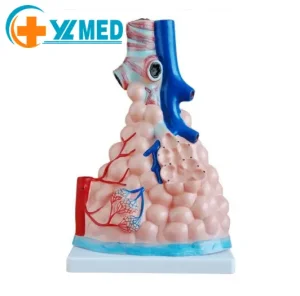
OEM Manufacturer Direct Medical Science Human Anatomical Model Enlarged Alveolus Pulmonis Model Picture High Quality PVC Material Manufacturer, Quotes
View Product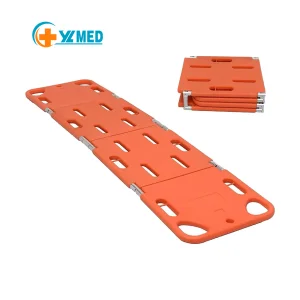
ODM Foldable Spine Board Stretcher Backboard for Patient, Transfer Backboard EMT Immobilization Portable Patient Transport Rescue Lightweight PE Plastics Ambulance Stretcher Factory, Factories
View Product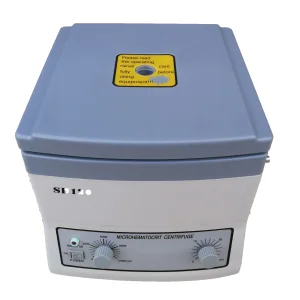
OEM Hot Sale Good Quality Laboratory Normal Speed Centrifugal Fans Centrifuge Machine Manufacturer, Quotes
View Product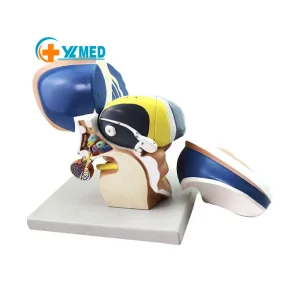
China 3X Human Diencephalon End Thalamus Model, Human Interbrain Intuitive Brain Nervous System Medical Teaching Factories, Pricelist
View Product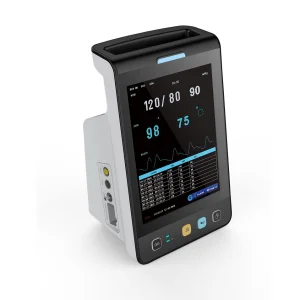
Wholesale 8 Inch Portable Anti-Fibrillation Vital Signs Monitor Professional Medical Device for ICUs Examination Therapy Equipments Factory, Factories
View Product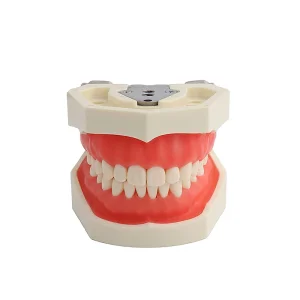
China Teeth Model with 28 Detachable Teeth for Dental Hygiene Students Pricelist, Service
View Product