
Wholesale Human Skin Anatomy Models Sourced with Clinical Context
A wholesale human skin anatomy quotation is rarely a single-SKU decision. Distributors often need an enlarged multilayer skin cross-section for dermatology lectures, soft suture pads for nursing skills, organ models for the same tender, and hospital equipment for a mixed container. The real purchase decision is therefore about anatomical fidelity, material consistency, documentation, packaging and supply reliability — not only the unit price on page one of a PDF quote.
Henan Yulin Edu. Project Co., Ltd. has manufactured educational and medical training equipment in Xinxiang, Henan, China, since 1958. Our quality management system has been ISO 9001 certified since 2008. For overseas buyers, that history matters because repeat orders depend on predictable molding, finishing, labeling, inspection and export packing — the practical details that determine whether a skin anatomy model arrives ready for classroom use or creates after-sales work for your team.
1958Manufacturing heritage
2008ISO 9001 certified since
200+Professional staff
24hTypical export reply
Banner-adjacent product showcase
Factory-Direct Product Examples for Anatomy & Clinical Procurement
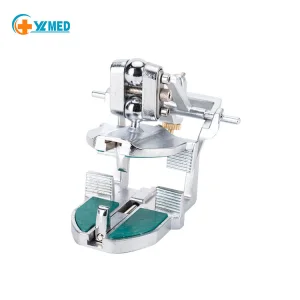
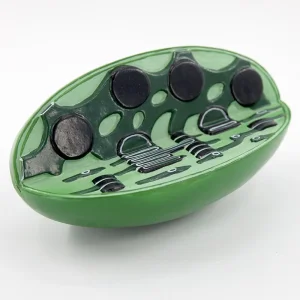
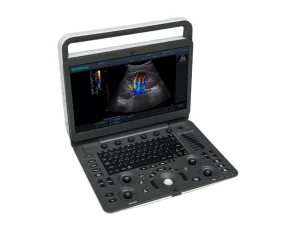
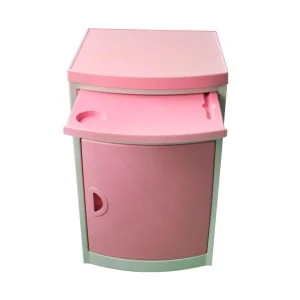
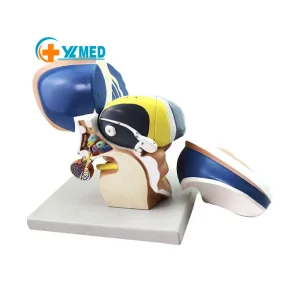
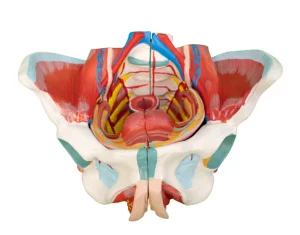
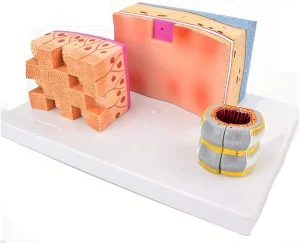
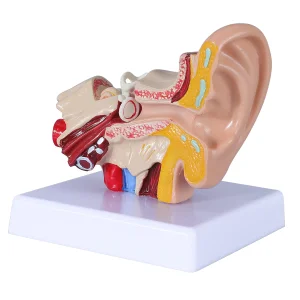
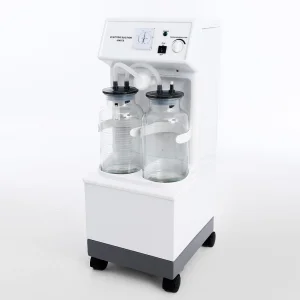
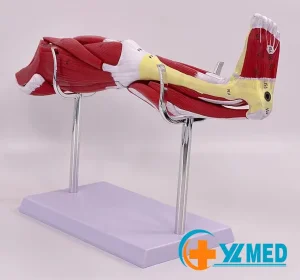
The following live product links are retained from the original range. Mixed-category sourcing helps distributors consolidate human skin anatomy models, organ models, hospital furniture and training equipment with one point of contact and one shipment plan.
Information gain
What “Human Skin Anatomy” Means Inside a Wholesale Catalog
Human skin anatomy models represent the structural relationship between the epidermis, dermis and subcutaneous tissue. A credible model may also show hair shafts, follicles, sebaceous glands, sweat glands, arrector pili muscles, sensory receptors, arteries, veins and lymphatic vessels. For advanced teaching, buyers request optional pathology plaques for acne, burns, pressure injury, melanoma or ageing skin.
Layer-by-layer cross-section
Useful for dermatology, histology and anatomy lectures. Buyers should request close-up photos of cut edges, label placement and color transitions before approving a mold.
Removable or modular parts
Detachable layers, follicle inserts and replaceable pathology plaques reduce long-term replacement cost and allow one base model to support multiple course levels.
Soft-tissue training pads
Suture pads, injection pads and skin-repair simulators must balance tactile feedback with durability. Ask for material hardness, puncture resistance and expected use cycles.
Curriculum and labeling fit
English labels are not enough for every market. Consider bilingual labels, number keys, QR-linked teaching notes and private-label packaging for distributor resale.
Information-gain tip: ask each supplier for the same six evidence items before comparing prices — layer cross-section photos, material description, label artwork, packaging method, QC record format and pre-shipment sample retention policy. Suppliers who can provide a consistent evidence pack are usually easier to audit and reorder.
Quote scorecard
A 100-Point Buyer Scorecard for Human Skin Anatomy Suppliers
Use weighted scoring instead of comparing unit prices in isolation. The following weighting is a practical procurement model for distributors and institutions sourcing anatomy models and clinical training aids.
Anatomical fidelity & repeatability25%
Material & finish durability20%
Documentation & compliance support20%
Customization & private label15%
Export packing & lead time10%
Communication & after-sales10%
Incoming material verification
Confirm resin, pigment and soft-tissue materials against approved samples. Keep a retained color chip and material batch note for repeat orders.
Layer and finish inspection
Check parting lines, color separation, label alignment, removable-part fit and stand stability before packing begins.
Label and documentation audit
Verify model numbers, language versions, instruction sheets, packing list and any agreed declaration files against the approved artwork.
Export packing and sample retention
Use protective cartons, desiccant and pallet planning for sea freight. Retain a pre-shipment sample photo set so both parties can resolve any dispute quickly.
Localized support & compliance
Build the Quote Around the Destination Market, Not a Generic Global Spec
Localization is more than translating a label. It affects packaging, documentation, tender language, customs descriptions and after-sales expectations. The right factory partner should ask where the goods will be used, who will import them and whether the product supports a public tender, distributor catalog or direct institutional purchase.
EU / UK buyers
Plan language variants, importer details, packaging data and material declarations where applicable. Avoid unverified claims; confirm product classification and registration duties with your compliance advisor.
North America
Distributors often need private-label packaging, clear model identification and consistent carton marks. Request material and care documentation suitable for your importer and end-user channels.
Middle East & Africa
Tender packets, English or bilingual labels, long sea-freight protection and spare-part planning matter. For hot or humid destinations, confirm packaging and storage recommendations.
Asia-Pacific & Latin America
Consider Spanish or Portuguese labels, school-board specifications, humidity protection and mixed-SKU consolidation. Local training materials can improve adoption by end users.
Yulin Medical holds ISO 9001 certification for its quality management system, originally achieved in 2008. Product-specific certificates, declarations and test reports can be discussed for tender and import support. Final regulatory classification and market registration remain the responsibility of the importer or local representative.
China supply chain advantage
Why a Six-Decade Factory Matters in Anatomy Model Procurement
China’s manufacturing strength is not only low cost. For anatomy models and training aids, the real advantage is the depth of mold-making, hand finishing, painting, assembly, packaging and export coordination — provided that the supplier has a documented quality system and clear communication.
60+ years of category experience
Founded in 1958, Yulin Medical operates from Xinxiang, Henan, with registered capital of RMB 120 million and more than 200 professional staff. Long product cycles reduce the risk of unproven processes.
Mold, finishing and assembly depth
Anatomy models require consistent tooling, color matching and skilled finishing. A manufacturer that controls these steps can correct details before they become repeat-order problems.
Mixed-category consolidation
Ten product lines allow distributors to combine skin anatomy models, organ models, skeleton models, suture pads, dental items and hospital furniture in one purchase plan.
Export packing and documentation
Protective packing, carton marks, packing lists and pre-shipment photos reduce damage risk and help customs brokers process the shipment with fewer queries.
Complete sourcing
Product Categories Retained from the Original Yulin Medical Range
Procurement teams can source anatomy models and related educational or clinical categories from one manufacturer, reducing supplier management time and shipping fragmentation.
Anatomy ModelsTorso, organ, heart, brain, skin and muscle models
Biology Prepared Slides and AccessoriesHistology, botany, zoology slides and lab accessories
Dental Tools and EquipmentDental teaching models, clinic lights and instruments
General Teaching ModelsScience demonstration models for schools and tenders
Hospital Furniture and EquipmentsCouches, stretchers, walkers and shower chairs
Hospital Machine and ToolsDiagnosis, treatment devices and practical ward tools
Medical Apparatus and InstrumentsEmergency splints, extrication devices and rehabilitation
Medical Nursing ModelCPR manikins, ACLS simulators and AED trainers
Skeleton ModelsLife-size skeletons, skulls, spines and joint models
Suture Pads and KitsRealistic skin suture pads and wound-closure kits
Global procurement demand
What Enterprise Buyers Ask for Beyond a Low Unit Price
In 2025, education distributors and hospital groups are consolidating suppliers. They want fewer purchase orders, clearer documentation and predictable repeat quality. For human skin anatomy models, the buyer conversation often moves quickly from “show me the model” to “show me your QC process, packaging, lead time and compliance support.”
Simulation-ready realism
Instructors want models that look credible at classroom distance and remain understandable in close-up. Color contrast, numbering and removable parts are practical teaching requirements.
Audit-ready documentation
Procurement teams ask for packing lists, model numbers, instruction sheets, material descriptions and certificates where available. Documentation reduces import and tender friction.
Private-label resale value
Distributors need packaging that supports their brand, not another supplier’s catalog. OEM, private label and custom packaging are frequently requested for skin models and suture pads.
Total landed cost
Compare unit price plus packaging, freight, insurance, duties, sample cost, MOQ, documentation and after-sales replacement. A low quote with weak packing can cost more after arrival.
Industry trends
Where Human Skin Anatomy Models Are Heading
Anatomy teaching is becoming more visual, modular and outcome-oriented. The best suppliers are responding with products that support repeated classroom use, private-label distribution and blended learning.
Multi-material realism
Hard substrates, soft inserts and transparent layers are being combined to demonstrate skin structure more clearly without sacrificing durability.
Modular pathology options
Replaceable lesion, burn and wound plaques let institutions expand teaching scenarios without purchasing an entirely new base model.
Curriculum-linked labeling
Numbered structures, bilingual labels and QR-linked teaching notes help bridge the gap between classroom demonstration and self-study.
Replaceable and sustainable components
Buyers increasingly value replaceable inserts, durable bases and packaging that reduces waste while protecting goods during long-distance shipping.
Localized application scenarios
Where Human Skin Anatomy Models Create Training Value
Different buyers prioritize different attributes. A medical school may focus on anatomical accuracy and labeling; a nursing program may care about tactile feedback and replaceable pads; a distributor may prioritize packaging and catalog differentiation.
Medical schools
Enlarged skin cross-sections support dermatology, histology and anatomy lectures. Detachable layers and numbered keys improve exam preparation and classroom demonstration.
Nursing & injection training
Soft skin pads and suture pads help learners practice wound closure and injection technique. Replaceable training surfaces lower long-term cost per student.
Dermatology & esthetics
Skin lesion, ageing and sun-damage models support consultation training and esthetic education. Private-label packaging helps distributors build local brands.
Patient education & hospitals
Cleanable skin and wound models can support consent conversations, wound-care teaching and pressure-injury prevention in clinical settings.
How we work
From RFQ to Delivery: A Transparent 5-Step Procurement Process
Every stage should produce a document, photo set or approval that can be referenced later. This is especially important when a human skin anatomy model is part of a tender or a distributor’s private-label range.
01
Share requirements
Send product types, quantities, target market, model size, label language and any tender or certification needs.
02
Catalog & proposal
Receive matched models, specifications, MOQ, lead time, packaging options and shipping suggestions.
03
Sample evaluation
Test layer visibility, color, tactile feedback, label clarity and packaging before confirming bulk production.
04
Production & QC
Manufacturing and inspection follow the ISO 9001 quality management system, with agreed checkpoints and records.
05
Export & support
Protective export packing, delivery coordination, document follow-up and responsive after-sales communication.



Company experience
A Six-Decade Manufacturer Trusted by Educators and Clinicians
Founded in 1958, Henan Yulin Edu. Project Co., Ltd. has grown into a well-known educational and medical equipment supplier that integrates scientific research, production and sales. With registered capital of RMB 120 million and more than 200 professional employees, we manage product development, manufacturing, inspection and export from our base at No. 8 Daoqing Road, Hongqi District, Xinxiang, Henan, China.
Our motto is simple: quality first, service first. Our quality management system has been ISO 9001 certified since 2008. Our goal is to fully satisfy every customer through dependable quality and attentive service, while continuously developing the skills of our team so that each project is handled by experienced people.
What this means for buyers: one accountable manufacturer for anatomy models, nursing simulators, lab slides and hospital equipment — consolidated into a single shipment and backed by an ISO 9001 quality system.
Knowledge base
Related Resources Retained from Yulin Medical
Product knowledge, exhibition notes and practical guidance from the team that designs, builds and exports medical teaching equipment.
Do You Really Know How to Observe Biological Prepared Slides?
Many plant and animal cell structures can only be studied under a microscope, which makes biological prepared slides essential in biology labs. Yet many users never get the full value from them. Our specialists explain how to handle, focus and store slides correctly so students see clearer detail and your slide sets last for years.
The 5th Henan Provincial Educational Equipment Expo Concludes Successfully
Themed “Digital Leading Innovation and Development”, the expo reached a record 50,000 m² with 600+ brands and 10,000+ products on display, showcasing the latest educational equipment for schools and training institutions.
Inside Our Product Showroom
A look at the medical teaching models and training equipment buyers can inspect in person when visiting our Xinxiang facility, including anatomy, nursing simulation, dental and hospital equipment categories.
Buyer FAQ
Frequently Asked Questions from Importers
Straight answers to the questions procurement managers ask most before placing a first order for human skin anatomy models or mixed-category medical teaching products.
Is Yulin Medical a manufacturer or a trading company?
We are a manufacturer. Henan Yulin Edu. Project Co., Ltd. was founded in 1958 and operates its own factory in Xinxiang, Henan, China, with more than 200 professional staff. For one-stop orders, we also coordinate a stable network of long-term partner factories.
What quality certification do you hold?
Our quality management system has been ISO 9001 certified since 2008. Product-specific documentation can be provided on request to support tenders and import registration discussions in your country. Final regulatory requirements should be confirmed with your local importer or compliance advisor.
Do you support OEM, private label and custom packaging?
Yes. Our in-house design team develops private-label packaging and product presentation for distributors, helping increase shelf appeal and resale value in your market. Custom labels, instruction sheets, model numbering and packaging artwork can be discussed subject to MOQ and approval.
How do I choose the right CPR training manikin?
Start with the learner group: adult, child or neonatal. Then check that real-time feedback covers compression depth, compression rate and ventilation volume; confirm alignment with current AHA resuscitation guidelines; and decide whether your courses need AED trainer integration. For advanced life-support programmes, an ACLS simulator with embedded scenarios offers far more assessment value than a basic torso.
How quickly will I receive a reply?
Our export team is online 7 days a week and typically replies within 24 hours with catalogs, specifications and shipping options.
Are wholesale human skin anatomy models made from real human tissue?
No. Human skin anatomy models supplied for education and clinical training are synthetic teaching aids made from materials such as resin, PVC, silicone or soft polymer compounds. They are designed to represent anatomical structures and support repeated classroom or training use, not to replicate real human tissue for implantation or diagnostic purposes.
Can we customize skin layers, pathologies, labels or packaging?
Customization can include layer emphasis, detachable parts, pathology plaques, bilingual labels, model numbering, instruction sheets, base design and private-label packaging. Feasibility depends on the model platform, artwork requirements and order quantity. A sample or 3D/reference review is usually the fastest way to confirm the specification.
What should be included in a wholesale human skin anatomy quote request?
Send the target model type or reference image, required layers and pathologies, scale, material expectations, label language, packaging requirement, estimated quantity, destination country, target shipment date, Incoterms preference and any tender or compliance documents required. This allows the factory to quote a realistic specification rather than a generic unit price.
How do you support localized compliance and tender documentation?
We can discuss model specifications, packing lists, label artwork, ISO 9001 quality system information and product-specific documents where available. For regulated markets, the importer or local representative should confirm classification, registration, labeling and market-access requirements. Clear communication at the quotation stage helps avoid mismatches later.
Bottom product showcase
More Factory-Direct Products for Mixed Procurement
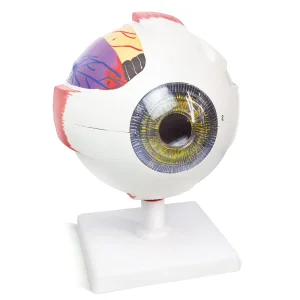
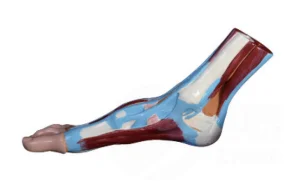
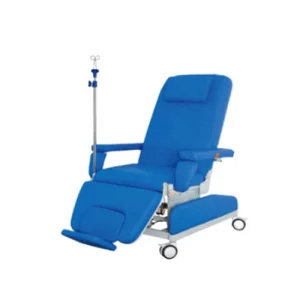
The remaining live product links from the original range are retained below. Combine anatomy models, clinical training aids and hospital equipment in one supplier conversation and a consolidated shipment plan.
Talk to our export team
Need a Human Skin Anatomy Quote, Specifications or a Tender Package?
Tell us your target market, quantities, required layers, label language and certification needs. Our product specialists will recommend suitable models, share detailed specifications and propose an economical shipping plan for single-category or mixed-category orders. We typically reply within 24 hours.
What to send for a faster quote
Share the details below and our team can respond with a more relevant model, price basis and shipping suggestion.
- Product type or reference image
- Required layers, size and pathology options
- Estimated quantity and target market
- Label language and private-label needs
- Compliance or tender documents required
- Preferred Incoterms and shipment date