





Wholesale Human Anatomy Factories & Service
Factory-direct anatomy models, clinical simulation trainers, dental and veterinary teaching aids, hospital equipment and private-label service from Henan Yulin Edu. Project Co., Ltd. — engineered for distributors, universities, hospitals and tender teams worldwide.
Wholesale Human Anatomy Factories & Service: A Buyer’s White Paper for 2025
“Wholesale human anatomy factories” is a high-intent B2B search phrase. The buyer is rarely looking for a single classroom skeleton. They are evaluating a manufacturing partner that can supply consistent anatomy models, clinical training simulators, dental teaching aids, veterinary models and hospital equipment while supporting tenders, private label, export packing and long-term replenishment. That is why service capability, documentation depth and supply-chain resilience now matter as much as unit price.
Henan Yulin Edu. Project Co., Ltd. — trading as Yulin Medical — has built educational and medical training equipment in Xinxiang, Henan, China, since 1958. Its quality management system has been ISO 9001 certified since 2008, and the company operates with more than 200 professional staff, registered capital of RMB 120 million and 10 integrated product lines. The factory motto remains practical: quality first, service first. For overseas distributors, medical universities, nursing colleges, dental schools and hospitals, this combination creates a single accountable source for mixed-category orders, OEM packaging and export documentation.
- Factory-direct supply across anatomy models, nursing simulation, biology slides, dental tools, hospital furniture, medical apparatus, skeleton models and suture kits.
- OEM, ODM and private-label packaging support that raises resale value for distributors and education equipment brands.
- Mixed-category consolidation, ISO 9001 process control and responsive export service for tenders, schools, clinics and hospital projects.
Human Anatomy, Clinical Training & Medical Equipment Products
These eight factory-direct products illustrate the practical range requested by global buyers: suction apparatus, brain and neurovascular anatomy, veterinary models, dental furniture, geography and geology teaching aids, and fitness nutrition demonstration models. Every product URL below is preserved and available through a button-style product link.
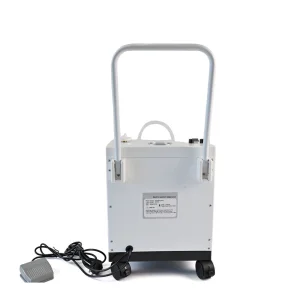
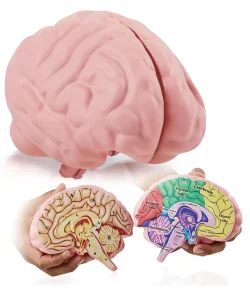
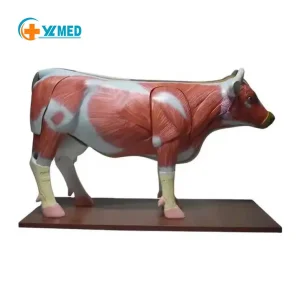
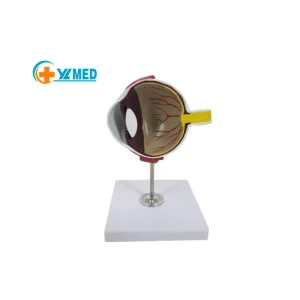
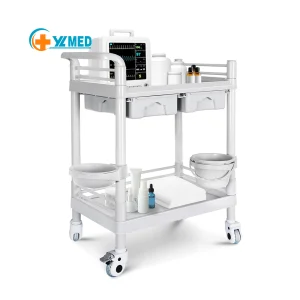
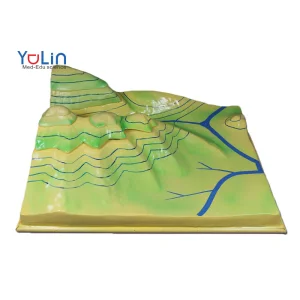
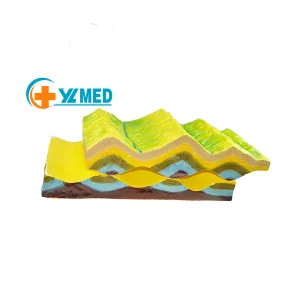
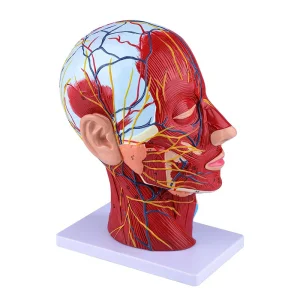
All images are displayed proportionally and completely. Product links retain the original URLs and are styled as buttons for clear B2B conversion paths.
Human Anatomy Industry Trends: From Static Models to Curriculum-Linked Learning Systems
Between 2025 and 2030, anatomy products are moving from display objects to integrated learning systems. The strongest suppliers will combine material realism, modular replacement, digital labeling and localized packaging so that schools and distributors can reduce total cost of ownership.
Soft-Tissue Realism and Modular Anatomy
Buyers increasingly request detachable organs, numbered structures and soft-feel materials that simulate handling during demonstrations. Modular design also lowers replacement cost because a damaged part can be sourced without replacing the full model.
Digital Labeling and AR-Ready Curricula
Anatomy models are being paired with QR-linked labelling, multilingual study cards and AR-ready content. This adds information gain for universities that need repeatable self-study, not only classroom demonstration.
Veterinary and Cross-Species Expansion
Veterinary schools and livestock service providers are expanding anatomy procurement beyond human medicine. Cattle, canine, equine and organ-specific models are becoming high-growth categories for distributors serving agriculture and animal health markets.
Simulation-Based Accreditation
Nursing, medical and dental programmes are assessed on simulated competencies. Anatomy and training models must therefore align with course outcomes, feedback requirements and documented practical assessments.
Sustainable Materials and Repairability
Public tenders increasingly consider material safety, packaging waste and service life. Long-life paints, PVC-free alternatives where feasible, replaceable parts and efficient carton design are becoming competitive advantages.
Private Label and Localized Packaging
Distributors want shelf-ready packaging, localized manuals and branded kits. OEM/ODM service is no longer a nice extra; it is a requirement for resale growth, tender compliance and brand differentiation.
Global Enterprise Procurement Demand: Who Buys Human Anatomy Products and Why
Search intent for “wholesale human anatomy factories” spans multiple buying groups. A university may need numbered anatomical accuracy; a hospital may need patient-education durability; a distributor may need private-label packaging and mixed-carton efficiency; a tender agent may need ISO documentation and predictable lead times. A factory that understands these differences can act as a long-term supply partner rather than a one-off seller.
Medical Universities and Teaching Hospitals
They require accurate organ relationships, durable numbering and supporting teaching materials. Procurement often includes specimen-style models, skeletons, half-head neurovascular models and organ-specific sets for practical exams.
Nursing and Allied Health Colleges
Demand focuses on injection pads, suture kits, CPR manikins, nursing models and task trainers. Buyers evaluate whether the products support repeat practice, replacement parts and performance feedback against current resuscitation guidelines.
Hospital Simulation and Skills Labs
Hospitals need equipment that survives frequent training cycles. Anatomy models, emergency suction devices, procedure simulators and hospital furniture are increasingly purchased together to create complete skills laboratories.
Dental Schools and Clinics
Dental buyers request tooth models, oral health education models, dental stools, clinic trolleys and whitening equipment. The strongest demand comes from distributors bundling teaching, clinic and aesthetic products into one shipment.
Veterinary Universities and Livestock Services
Canine eye models, bovine anatomy, horse kidney and urinary structure models support veterinary education and animal health training. Buyers look for accurate species-specific anatomy, detachable organs and practical carrying or display options.
Distributors, Tender Agents and Education Exporters
They need a reliable factory that can consolidate categories, protect margins and supply documentation. Mixed-category orders, private-label packaging, photo-ready product data and 24-hour communication are decisive factors.
China Factory 4.0: Supply-Chain Resilience, Efficiency and Documentation
Factory 4.0 for educational and medical products is not only about robots. It is the discipline of connecting design, tooling, production, inspection, packaging and export data so that a buyer receives the same specification on every order. At Yulin Medical, this model is supported by a long manufacturing history, an ISO 9001 quality system and a deeply integrated partner supply chain for one-stop procurement.



For procurement teams, this means one point of contact for anatomy models, nursing simulators, biology prepared slides, dental teaching equipment, hospital furniture and medical instruments. Orders can be consolidated, inspected and packed for export under one quality system. The registered address is No. 8, Daoqing Road, Industry Park, Hongqi District, Xinxiang, Henan, China. Export enquiries can be sent to [email protected] or by telephone at 0086-13503800666.
Global Commercial and Industrial Status: Regional Demand Patterns
Human anatomy and medical training equipment markets are shaped by accreditation cycles, hospital expansion, aging populations and the maturity of local distribution. A manufacturer with export experience can adapt documentation, packaging and product mixes to each market rather than forcing one catalog into every region.
North America & Europe
Demand is driven by accreditation, simulation-centre upgrades and replacement cycles. Buyers value traceable specifications, durable materials, replacement parts and English-language teaching support.
Middle East & Africa
Hospital construction, university expansion and public tenders create demand for complete lab packages. Consolidated shipments, Arabic or French labeling and flexible payment terms are often important.
Latin America
Distributors are expanding anatomy, dental and nursing ranges. Spanish and Portuguese packaging, mixed-category containers and reliable after-sales communication help local partners grow without heavy inventory risk.
Asia-Pacific
Aging populations, nursing education growth, dental care and STEM investment support steady demand. Buyers often require flexible MOQs, faster sampling and localized product manuals.
Localized Application Scenarios for Wholesale Human Anatomy Products
The same product can require different packaging, accessories and teaching notes depending on the application. A high school may need visual clarity; a university may need structural accuracy; a hospital may need patient-communication durability; a distributor may need shelf-ready branding.
Anatomy Laboratories
Best-fit products: half-head and neck models, brain models, skeleton models, organ models and numbered torso sets. Buyers should confirm structure labels, detachable parts and paint durability under repeated handling.
Nursing and Clinical Skills Labs
Best-fit products: CPR manikins, airway trainers, suture pads, injection models and hospital furniture. These products should support repeat practice, easy cleaning and documented consumable replacement.
Dental Education and Clinics
Best-fit products: 28-tooth oral models, tooth whitening units, dental stools, clinic trolleys and oral health education models. Distributors often bundle clinic equipment with teaching models for dental schools.
Veterinary Teaching and Animal Health
Best-fit products: canine eye models, bovine anatomical models, horse kidney and urinary models. Accurate species anatomy and detachable organs are key selection criteria for veterinary programmes.
Hospital Patient Education
Best-fit products: organ models, brain and head-neck models, spinal and joint models. Clear colour coding and portable bases help clinicians explain diagnoses and treatment options to patients and families.
Secondary Schools and STEM Programmes
Best-fit products: DNA models, molecular models, geography and geology teaching aids, brain models and general science demonstration kits. Buyers prioritize safe materials, clear labels and budget-friendly class sets.
Complete Product Ecosystem from One ISO 9001 Manufacturer
Yulin Medical’s product ecosystem allows distributors and institutional buyers to reduce supplier count while maintaining category depth. Each category can be sourced individually or consolidated into a mixed order with one export contact.
Quality Signals, E-E-A-T and Information Gain for Anatomy Buyers
Google’s Search Quality Rater Guidelines reward pages that demonstrate experience, expertise, authoritativeness and trustworthiness. In B2B medical education procurement, trust is built through verifiable factory facts, transparent product details, clear service capabilities and documentation that supports tenders and repeat orders.
Experienced Manufacturing
Founded in 1958 with more than six decades of educational and medical equipment production. This history supports category knowledge, supplier coordination and practical export experience.
ISO 9001 Process Control
Quality management has been ISO 9001 certified since 2008. Product-specific documents can be provided on request to support tenders, import registration and distributor compliance.
Tender-Ready Documentation
Specifications, packing data, product photos and certification information help procurement teams prepare bids and compare quotations on a like-for-like basis.
Repairability and TCO
Replaceable parts, clear labels and durable materials reduce total cost of ownership. For high-use labs and simulation centres, repairability is often more valuable than a lower initial unit price.
A practical buyer checklist: request material specifications, verify numbering accuracy against the intended curriculum, ask for replacement-part availability, confirm carton dimensions and gross weight, check whether private-label manuals are available, and review ISO documentation before tender submission. These details create genuine information gain beyond a product photo and a price.
A Transparent 5-Step Process for Wholesale Buyers
From the first enquiry to export delivery, a clear workflow helps distributors, universities and tender teams plan budgets, stock and training schedules.
Share Requirements
Send product types, quantities, target market, certification needs and tender deadlines.
Catalog & Proposal
Receive matched models, specifications, packaging options and shipping suggestions.
Sample Evaluation
Test samples with instructors or clinicians before confirming bulk production.
Production & QC
Manufacturing and inspection follow the ISO 9001 quality management system.
Export & Support
Protective export packing, delivery coordination and responsive after-sales service.
News and Practical Insights from Our Specialists
Useful reading for buyers who want to improve lab outcomes, understand exhibition trends and evaluate training equipment beyond the catalog page.

Do You Really Know How to Observe Biological Prepared Slides?
Many plant and animal cell structures can only be studied under a microscope, which makes prepared biological slides essential in every biology lab. Correct handling, focusing and storage help students see clearer detail and extend the service life of slide sets.

The 5th Henan Provincial Educational Equipment Expo Concludes Successfully
Themed “Digital Leading Innovation and Development”, the expo reached a record 50,000 m² with 600+ brands and 10,000+ products on display, showcasing the latest educational equipment for schools and training institutions.

Inside Our Product Showroom
Buyers visiting the Xinxiang facility can inspect medical teaching models, anatomy products and training equipment in person before planning a mixed-category order or private-label programme.
Frequently Asked Questions About Wholesale Human Anatomy Factories
These answers address common procurement, OEM and quality questions from importers, distributors, universities and tender teams.
Is Yulin Medical a manufacturer or a trading company?
Yulin Medical is a manufacturer. Henan Yulin Edu. Project Co., Ltd. was founded in 1958 and operates its own factory in Xinxiang, Henan, China, with more than 200 professional staff. For one-stop orders, the company also coordinates a stable network of long-term partner factories.
What quality certification does Yulin Medical hold?
The quality management system has been ISO 9001 certified since 2008. Product-specific documentation can be provided on request for tenders, import registration and distributor compliance.
Do you support OEM, private label and custom packaging?
Yes. An in-house design team develops private-label packaging, product presentation and localized manuals for distributors, helping increase shelf appeal, resale value and tender readiness.
How do I choose the right CPR training manikin?
Start with the learner group: adult, child or neonatal. Check that real-time feedback covers compression depth, compression rate and ventilation volume; confirm alignment with current AHA resuscitation guidelines; and decide whether AED trainer integration is required. For advanced life-support programmes, an ACLS simulator with embedded scenarios offers more assessment value than a basic torso.
How quickly will I receive a reply?
The export team is online 7 days a week and typically replies within 24 hours with catalogs, specifications, packing details and shipping options.
What should I verify before ordering anatomy models for a tender?
Verify structure accuracy, numbering language, material and paint durability, detachable-part availability, replacement parts, carton dimensions, gross weight, ISO documentation, warranty terms and whether private-label manuals or study cards are available. These points help compare suppliers on total value rather than price alone.
More Human Anatomy, Dental, Veterinary and Medical Equipment Products
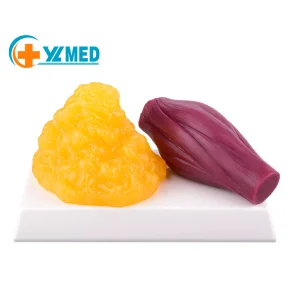
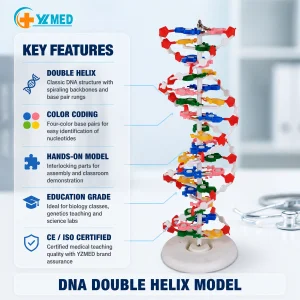
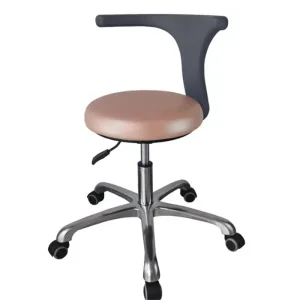
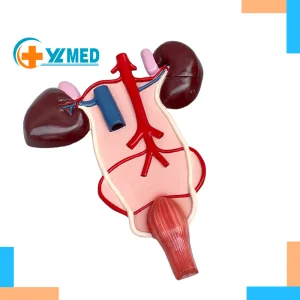
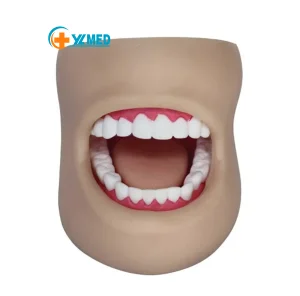
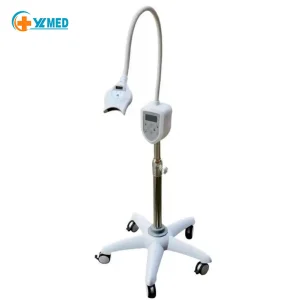
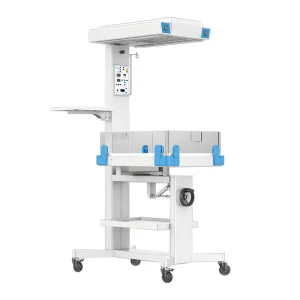
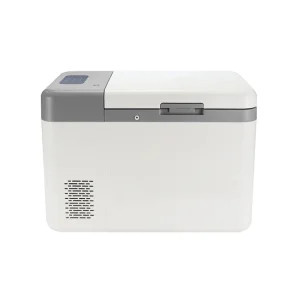
This second product group covers nutrition demonstration models, DNA teaching models, dental furniture and whitening equipment, veterinary anatomy, oral health education models, neonatal warming equipment and vaccine cold-chain transport equipment. All original product images and URLs are retained below.
Request a Wholesale Human Anatomy Catalog, Price List or Tender Package
Tell us your target market, product categories, quantities and certification requirements. The export team will recommend suitable anatomy and medical training models, share specifications, confirm OEM packaging options and propose an economical shipping plan. Enquiries are typically answered within 24 hours.