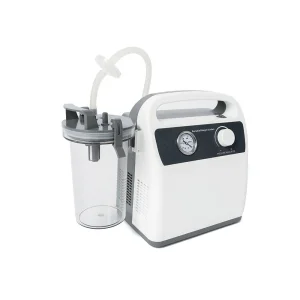
8 Products Buyers Commonly Bundle With Training Model Orders
These current catalogue links are preserved for procurement teams comparing a female CPR dummy order with anatomy models, dental teaching aids, hospital furniture and rehabilitation equipment. All product images and product URLs are shown in their original form.
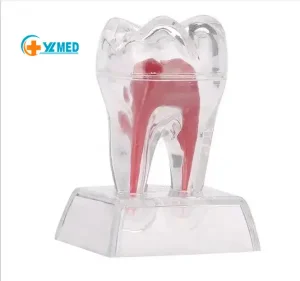
OEM Tooth Dental Model for Student Practice Medical Science Anatomical Model Carton Box Standard Teeth Artificial Enlarged Natural Quotes, Service
View Product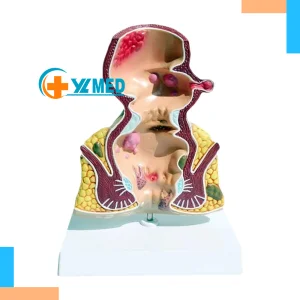
China Anatomicals - Human Rectum Model with Common Pathologies, Replica for Anatomy and Physiology Education, Anatomy Model for Doctor's Offices and Classrooms, Medical Learning Resources Manufacturer, Pricelist
View Product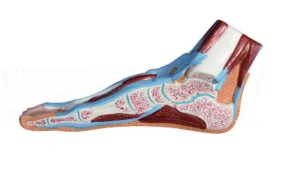
ODM Sagittal anatomical model of the natural great foot Manufacturers, Service
View Product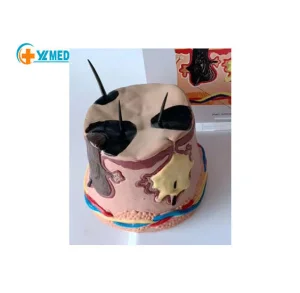
China Human Pathological Round Skin Model Abscess Inflamed Skin Enlarged Hair Growth Process Skin Pouch Construction Model Manufacturers, Pricelist
View Product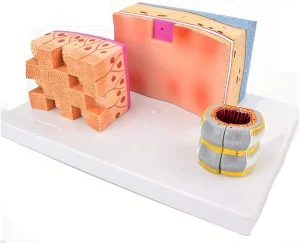
ODM Laryngeal Tracheal Bronchial Anatomy Model-Human Trachea and Larynx Organ Structure for Medical Research & Teaching Manufacturer, Pricelist
View Product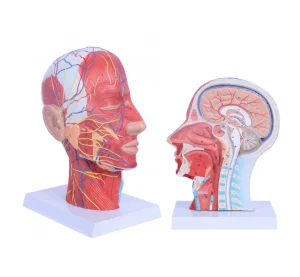
Wholesale Brain Model Human Half Head Superficial Neurovascular Model with Musculature, Life Size Anatomical Head Model Skull and Brain for Medical Teaching Learning Manufacturers, Quotes
View Product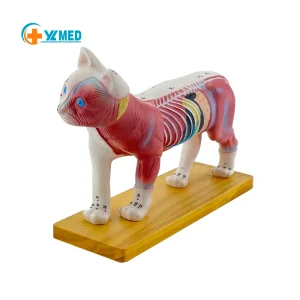
OEM Cat acupuncture anatomical model Manufacturers, Pricelist
View Product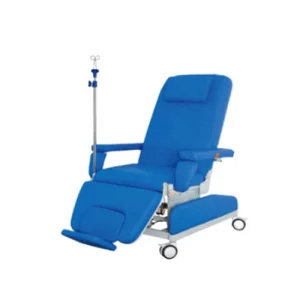
Wholesale Hospital Furniture Multifunctional Adjustable Medical Blood Donation Collection Electric Dialysis Chair Infusion Chair Factory, Service
View ProductWhat Buyers Really Mean by “Wholesale Female CPR Dummy Factory & Pricelist”
A serious wholesale search for a female CPR dummy is not only a price query. It is a search for a reproducible training standard. Distributors need consistent compression feedback, replaceable hygiene parts, manuals in the target language and a factory that can document material specifications for tenders. Hospitals and schools need female torso geometry that helps learners transfer skills to real patients. Chinese manufacturers are major suppliers because mould making, polymer skin, sensor electronics, airway bags and export packaging sit close together — but not every factory has the same process depth.
Henan Yulin Edu. Project Co., Ltd. — trading as Yulin Medical — has built educational and medical training equipment in Xinxiang, Henan, since 1958. Its quality management system has been ISO 9001 certified since 2008. With more than 200 professional staff, registered capital of RMB 120 million and ten product lines spanning anatomy models, nursing simulators, dental tools, biology slides and hospital equipment, the factory is positioned for one-stop procurement. That matters when buyers prefer to consolidate a female CPR manikin order with anatomy models, suture pads, hospital furniture or prepared slides in one shipment.
- Female-specific torso geometry is more than a cosmetic change; hand placement, chest exposure and AED pad positioning all change learner behaviour.
- Feedback specification should be explicit: clicker, digital display, ventilation volume, compression depth, recoil or AED trainer integration.
- Total cost of ownership includes replacement lungs, face skins, airway bags, carrying cases, manuals and export packing — not only the unit price.
Example Tender Evaluation Weighting
A practical way for procurement teams to compare quotations when specifications look similar on paper.
This is an illustrative evaluation model, not a claim about a specific tender.
Company Data That Supports a Serious Pricelist Conversation
Procurement teams increasingly verify manufacturing history, quality systems and response capability before they ask for a detailed quotation.
Global Commercial and Industrial Status of Female CPR Training Dummies
Demand is moving from “optional female accessory” to a standard part of resuscitation training. The reasons combine clinical standards, institutional procurement and a wider recognition that learners must practise on bodies that reflect the communities they serve.
Mandatory Refresher Training
AHA, ERC and national resuscitation councils reinforce regular BLS and ACLS refresher cycles. Each cycle creates demand for consumables, face skins, lungs and replacement torsos. Female manikins are increasingly specified alongside adult male units.
Tender-Driven Purchasing
Hospitals, nursing colleges and emergency services often buy through tenders. Bidders must provide specifications, material declarations, warranty terms and training manuals. A documented factory pricelist and ISO 9001 system reduce tender risk.
Gender-Responsive Training
Resuscitation educators increasingly ask for female torso geometry. It helps learners practise realistic hand placement, chest exposure and AED pad positioning while respecting modesty in mixed training groups.
Modular Manufacturing
Modern female CPR dummies are modular: torso shell, compression spring, airway and lung bag, face skin, sensor board and carrying bag. Modularity lowers total cost of ownership and creates repeat-purchase revenue for distributors.
Compliance Pressure
Imported training equipment may require CE, RoHS, REACH or local registration documents. Factories that maintain material traceability and product-specific test reports are easier to qualify for institutional orders.
Price Segmentation
The market is segmented into economy unpowered torsos, feedback-enabled BLS manikins and advanced ACLS simulators. Wholesale buyers need a pricelist with clear option levels, not a single headline price.
Why Chinese Factories Win on More Than Unit Price
The advantage is process density: mould engineering, polymer processing, electronics, manuals and export packing can be coordinated within one industrial ecosystem. For overseas distributors, that translates into faster samples, clearer customisation and fewer supplier hand-offs.
Mould & Tooling Iteration
Factory clusters shorten the loop between a 3D concept, a silicone skin mould and a production tool. That speed matters when distributors request branding, a different torso silhouette or a regional language manual.
In-House & Partner Integration
Moulding, electronics, packaging and inspection can be coordinated in one supply region. Yulin Medical also works with long-term partner factories to consolidate one-stop orders from ten product lines.
Mixed-Category Consolidation
A buyer can combine female CPR torsos with anatomy models, suture pads, lab slides or hospital furniture. One shipment and one quality point of contact reduce administrative cost and container planning time.
OEM Packaging & Manuals
Private-label packaging, logo printing, language manuals and barcode labels are practical value-adds for distributors. Good packaging also lowers damage rates in export transit and improves shelf appeal.
Quality Management
ISO 9001 certification since 2008 provides a process baseline. Batch inspection should cover airway patency, compression feedback, skin fit, cosmetic finish and accessory completeness.
Cost to Serve, Not Just Price
The lowest quote can lose on replacement parts, packaging damage or documentation gaps. Mature Chinese suppliers compete on process density, export experience and predictable lead times.
Localized Use Cases: Where Female CPR Manikins Change Training Outcomes
Localisation is not only translation. It is the fit between manikin design, learner group, cultural norms and the way training is delivered in each market.
Nursing & Medical Colleges
Female torsos help students practise BLS, OSCE stations, infection control and respectful exposure. Mixed-gender manikins prevent learners from coding only male bodies.
Hospitals & Residency Programs
In-service training, ICU, emergency and maternity departments can use female units for mock codes, AED pad placement and team communication drills.
EMS, Fire & Rescue
Field teams encounter female patients in public and residential settings. Female manikins support scene management, teamwork and realistic defibrillation practice.
Workplace First Aid
Offices, hotels, factories and fitness centres need compact female torsos for annual refresher courses and confidence-building in hands-on practice.
Schools & Universities
Health education programs can introduce CPR with female training dummies, reducing discomfort and helping students see CPR as relevant for every body.
Aviation, Maritime & Remote Sites
Cabin crew and offshore teams need portable, durable units. Lightweight torsos and replaceable lungs are important for remote refresher schedules and limited storage.
Maternal & Community Health
Community trainers can select female-specific torsos for public campaigns, respecting cultural norms while improving compression and ventilation technique.
Government & NGO Programs
Mass-training programs need consistent quality across batches. A factory pricelist with spare parts and multilingual manuals supports responsible scale-up.
Trends Shaping 2025–2030 Female CPR Dummy Procurement
Buyers are becoming more specific. They want evidence of realism, hygiene, modularity and documentation — and they compare total training value rather than the lowest initial offer.
From Token to Standard
Female manikins are moving from optional to expected in BLS programs. Buyers increasingly ask for female geometry, not a male torso with a cosmetic label.
Feedback-Rich Training
Distributors request compression depth, rate, recoil and ventilation feedback. Optional display modules and simplified clickers serve different price points.
Hygiene as a Design Feature
Disposable lung bags, removable face skins and easy-clean surfaces are now part of product evaluation, especially after high-volume training cycles.
Modular Economics
Buyers compare spare skins, airway parts, sensor boards, battery access and carrying bags. Modular designs reduce downtime and protect the total cost of ownership.
Localisation
Language manuals, plug types, packaging text and compliance documents are localised for target markets. This is where experienced OEM factories create information gain.
Sustainability Pressure
Institutions increasingly ask about packaging reduction, material declarations and long-life replacement parts. Factories that document these points gain an advantage.
From Inquiry to Import: What Serious Buyers Check
A female CPR dummy quotation should be comparable across suppliers. Without a common specification structure, a low price can hide weaker feedback, fewer spare parts or incomplete documentation.
Define the Learner Profile
Adult, child, neonatal, female-specific torso, BLS or ACLS, AED integration, feedback type and language. Ambiguous requirements lead to mismatched quotes.
Check Standards Alignment
Confirm alignment with current AHA or ERC guidance where relevant. Ask for an ISO 9001 certificate, material declarations and product-specific test documents.
Test Sample Realism
Evaluate chest recoil, compression depth, airway resistance, face skin fit, breast tissue representation and hand placement. Use your own instructors as reviewers.
Plan Consumables
Price replaceable lungs, face skins, airway bags, springs and carrying bags. Consumables often decide the five-year cost of a training fleet.
Lock Packaging & Shipping
Export cartons, palletisation, moisture protection and drop testing matter for sea freight. For urgent tenders, confirm air-freight packing and documentation.
Document the Pricelist
Ask for FOB, CIF and EXW options, MOQ by model, tooling cost, sample lead time, production lead time, warranty terms and certificate availability.
Why a Responsible Factory Will Not Quote One Number Immediately
Price is a function of specification, MOQ, packaging and sensor configuration. A professional pricelist separates base models from options so distributors can compare like with like.
Material & Skin
Silicone versus PVC skin, torso wall thickness, colour matching and realism affect cost, durability and the repair strategy.
Feedback Electronics
No-feedback, clicker, LCD or app-ready modules change unit price and after-sales requirements. Specify the exact feedback variables needed.
Airway & Consumables
Disposable lungs, face skins and airway design influence both initial price and repeat-order potential for distributors.
MOQ, Tooling & Packing
Custom logo, packaging, manual localisation and small-batch runs have set-up costs that should be quoted transparently.
A Transparent Five-Step Process for Overseas Buyers
Every stage has a clear output so you can plan stock, tenders and training schedules with confidence.
Share Requirements
Send product types, quantities, target market and any tender or certification needs.
Catalog & Proposal
Receive matched models, specifications, packaging options and shipping suggestions.
Sample Evaluation
Test samples with your instructors or clinicians before confirming bulk production.
Production & QC
Manufacturing and inspection follow our ISO 9001 quality management system.
Export & Support
Protective export packing, delivery coordination and responsive after-sales service.
Additional Factory References for Resuscitation Training Programs
These relevant product links from our wider catalogue help buyers compare female-specific torsos with full-body CPR, AED, child ACLS and neonatal simulation options.

Advanced Full-Body CPR Training Manikin with 8" Color Feedback Display
View Product
AED Automated External Defibrillator Trainer for CPR Courses
View Product
5-Year-Old Child ACLS Emergency Simulation Manikin
View Product
Neonatal ACLS Training Manikin Aligned with AHA 2020 Guidelines
View ProductTen Product Lines That Support Mixed-Category Factory Orders
Buyers often combine CPR training models with anatomy, laboratory, dental and hospital products. These category links preserve the original product ecosystem for one-stop purchasing.
Practical Insights from Our Specialists
Product selection is easier when procurement teams understand how training models are used, stored and maintained in real classrooms and clinics.

Do You Really Know How to Observe Biological Prepared Slides?
Many plant and animal cell structures can only be studied under a microscope. Our specialists explain how to handle, focus and store slides correctly so students see clearer detail and your slide sets last for years.
Visit Hot Blog
The 5th Henan Provincial Educational Equipment Expo Concludes Successfully
Themed “Digital Leading Innovation and Development”, the expo reached a record 50,000 m² with 600+ brands and 10,000+ products on display, showcasing the latest educational equipment.
Read More
Inside Our Product Showroom
A look at the medical teaching models and training equipment buyers can inspect in person when visiting our Xinxiang facility.
Explore ProductsFrequently Asked Questions from Importers
Straight answers to the questions procurement managers ask most before placing a first order for female CPR dummies or mixed medical training equipment.
Is Yulin Medical a manufacturer or a trading company?
What quality certification does Yulin Medical hold?
Do you support OEM, private label and custom packaging?
How do I choose the right CPR training manikin?
What is the difference between a female CPR dummy and a unisex torso?
What should a wholesale pricelist include?
Can you consolidate female CPR dummies with other medical teaching products?
How quickly will I receive a reply?
Request a Female CPR Dummy Pricelist for Your Market
Tell us the learner group, quantities, feedback level, language and certification requirements. Our product specialists will recommend suitable models, share detailed specifications and propose the most economical shipping plan for your order.
8 Additional Product Links for One-Stop Sourcing
These products complete the original catalogue selection and are shown with their original product images and URLs. They can be discussed together with female CPR dummy requirements for consolidated export planning.
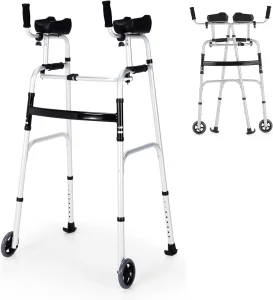
OEM Foldable standard walker, lightweight aluminum alloy rehabilitation aid for the elderly, disabled, walking mobility aid Manufacturers, Service
View Product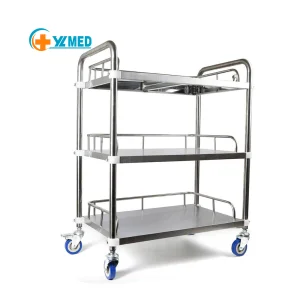
China Light and Strong Hospital Patient Trolley Nurse Dental Surgery Trolley Beauty Equipment Three-Layer Stainless Steel Treatment Pricelist, Quotes
View Product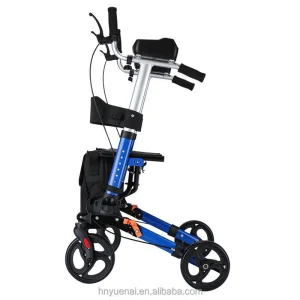
Wholesale Emergency Medical Supplies Four-Wheeled Rollator for Elderly Hot Sale Shopping Cart Good Price Rehabilitation Equipment Manufacturer, Factories
View Product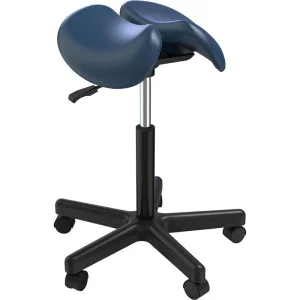
ODM Two Part Saddle Chair Adjustable Height with Backrest White Dental Chairs Modern Manufacturer, Manufacturers
View Product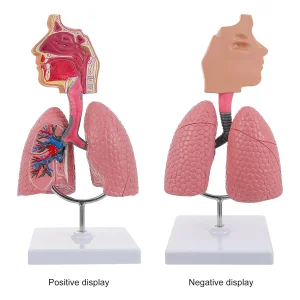
Wholesale Human Nasal Cavity Throat Anatomy Model Human Lung Model Respiratory System Lung Model Teaching Tool for Students Study Display Manufacturers, Factories
View Product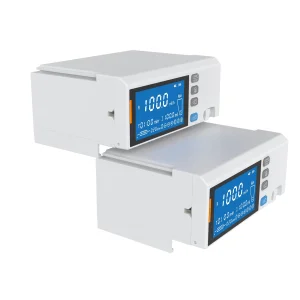
ODM Portable Automatic Volumetric Infusion Pump With LCD Touch Screen Clinic Portable IV Fluid Infusion Pump for Emergency & Clinics Manufacturer, Quotes
View Product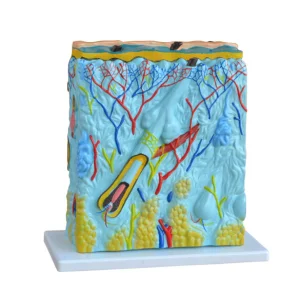
China Magnified skin model Manufacturer, Factory
View Product