
ISO 9001 Certified · Since 1958 · Factory-Direct Export
Wholesale Dummy Simulator For Cardiopulmonary Resuscitation Factory & Pricelist
A procurement-grade white paper on CPR training manikins, resuscitation simulators, OEM programs, global demand, compliance support and pricelist planning from Henan Yulin Edu. Project Co., Ltd.
CPR & ACLS Training Models
OEM / Private Label
10 Product Lines
24-Hour Reply Commitment
Quote-Ready Product Matrix
8 Wholesale Dummy Simulators and Medical Training Models
These eight frequently requested items show how a CPR-resuscitation sourcing program can be combined with anatomy, first-aid and science teaching products. Each product URL is retained for direct quotation.
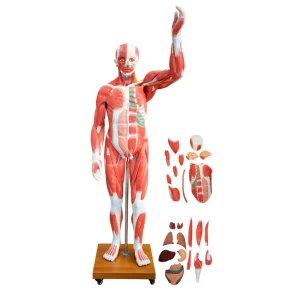
Wholesale Life size Human Muscle Anatomical Model with Organs Removable Whole Body Muscled Model 27 Parts For Teaching Medical Science Manufacturer, Quotes
View Product & Request Quote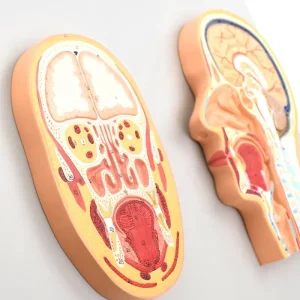
ODM Models of sagittal and frontal sections of the head Manufacturer, Quotes
View Product & Request Quote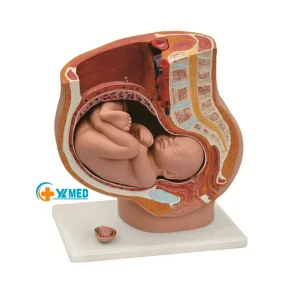
ODM Human Female Pelvic Section Pregnancy Anatomical Model Nine Months Baby Fetus Model Life Size with Removable Organs 4-Parts Manufacturer, Manufacturers
View Product & Request Quote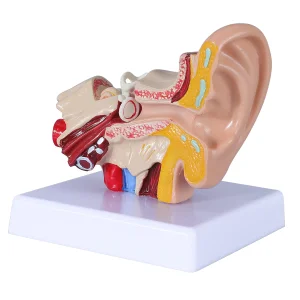
ODM Tabletop ear anatomical model Factory, Service
View Product & Request Quote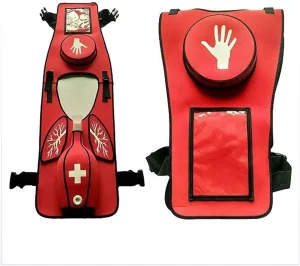
OEM Adult Anti Choking Obstruction Heimlich Wearable Vest for First Aid Training Manufacturers, Quotes
View Product & Request Quote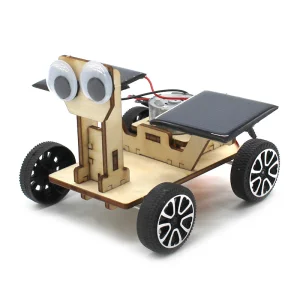
China Shaking head fan No. 2 Scientific experiment model Handmade wooden technology small production model Manufacturers, Pricelist
View Product & Request Quote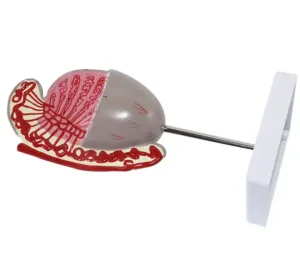
China Anatomical teaching model Human testis model for medical science education Factories, Service
View Product & Request Quote
Industry White Paper
Wholesale Dummy Simulator For Cardiopulmonary Resuscitation: What Serious Buyers Need to Know
The phrase wholesale dummy simulator for cardiopulmonary resuscitation describes both a product and a procurement system. The manikin must teach compression depth, compression rate, chest recoil, ventilation volume and scenario response, while the supplier must support documentation, spare parts, packaging and repeat orders.
For distributors, medical schools, nursing colleges, hospitals and first-aid training providers, a CPR dummy is not an ordinary plastic torso. It is a training asset that influences course throughput, learner confidence and audit readiness. A weak manikin increases replacement cost and instructor frustration; a well-selected simulator improves skill retention and protects the credibility of the training brand. That is why experienced buyers compare the total cost of ownership, not only the unit price in a pricelist.
Henan Yulin Edu. Project Co., Ltd. — trading as Yulin Medical — has manufactured educational and medical training products in Xinxiang, Henan, China since 1958. Our quality management system has been ISO 9001 certified since 2008, and the company operates with more than 200 professional staff, registered capital of RMB 120 million and a product portfolio spanning 10 product lines. The original company motto remains central to our work: quality first, service first. For one-stop orders, we also coordinate a stable network of long-term partner factories.
This white paper combines factory knowledge with practical sourcing guidance. It covers development trends, global procurement demand, macro industry solutions, localization support, compliance assurance, a technology roadmap and a buyer FAQ. It is written for procurement managers who need a defensible specification, a responsive supplier and a pricelist that survives comparison.
60+Years of Manufacturing
200+Professional Staff
¥120MRegistered Capital (RMB)
2008ISO 9001 Certified
10Product Lines
24hReply Commitment
Development Trends
Trends Reshaping CPR Training Manikins and Resuscitation Simulators
The market is moving from a simple torso that tolerates compression practice toward a feedback-led training system that can be documented, sanitized, repaired and expanded across learner levels.
Feedback-First Design
Real-time feedback on compression depth, rate, recoil and ventilation is becoming a baseline expectation, especially where instructors must assess many learners in a short session.
Data-Ready Training Rooms
Course providers increasingly ask whether manikins can support consistent records, scenario scoring and future connection to classroom software, even when the first order is basic.
Pediatric and Neonatal Realism
Adult-only kits are no longer enough for hospitals and advanced programs. Child and neonatal ACLS simulators add airway, ventilation and team-response complexity.
Modular Hygiene and Lower Consumable Cost
Replaceable face skins, airway bags, lungs and chest components reduce downtime. Buyers now compare the cost of sanitization and spare parts as part of the pricelist.
Guideline Alignment as a Moving Target
Resuscitation guidance evolves. Suppliers must explain how mechanical design, feedback thresholds and training manuals can be updated without replacing the entire fleet.
Sustainability and Repairability
Durable shells, replaceable modules and clear part numbering support longer service life, which matters for public programs and distributors carrying local stock.
Information gain for buyers: ask for a part-level breakdown before comparing CPR dummy prices. A low unit price with expensive consumables, slow spare-part supply or unclear feedback calibration can be more costly than a documented mid-range system.
Global Procurement Demand
What Distributors, Hospitals and Tender Buyers Ask For
Global enterprise demand for cardiopulmonary resuscitation simulators is shaped by tender compliance, distributor economics, training-center throughput and after-sales reliability.
Tender Documentation and Registration Support
Public tenders often require specifications, packing data, quality certificates and product photos. We prepare documentation on request and help buyers align model descriptions with tender language.
Distributor Margins and Private Label
Distributors ask for stable quality, attractive packaging, custom manuals and clear model positioning. Our in-house design team supports private-label presentation and product packaging.
High-Throughput Training Centers
Large first-aid programs need manikins that tolerate frequent use, quick sanitation and fast part replacement. Instructors value predictable feedback more than decorative features.
Mixed-Category One-Stop Orders
Many buyers combine CPR manikins with anatomy models, suture kits, skeleton models, hospital furniture and biology slides. Consolidation reduces supplier administration and shipping complexity.
Language and Service Localization
Distributors want manuals, labels and training notes that fit their market. Language support, packaging text and after-sales communication can be discussed during quotation.
Predictable Lead Times and Spare Parts
A pricelist is only useful if delivery is predictable. Repeat buyers also need spare parts, replacement consumables and a single contact who can resolve an issue quickly.
Macro Industry Solutions
From a Single Manikin to a Competency Ecosystem
The most successful wholesale programs define the training outcome first, then select the CPR dummy, consumables, adjacent models and documentation that support that outcome.
Community CPR and First-Aid Rollout
Ideal for public programs: basic adult CPR manikins, face shields, sanitization supplies, AED trainers and Heimlich training vests, packaged for train-the-trainer deployment.
Nursing and Medical School Skills Labs
Combine adult, child and neonatal simulators with anatomy models, suture pads, skeleton models and prepared slides to build a coordinated teaching laboratory.
Hospital Resuscitation and ACLS Programs
Advanced programs need ACLS simulators, AED trainers, airway components and scenario-based assessment. Standardization across departments simplifies refresher training.
Integrated Teaching and Clinical Sourcing
Yulin Medical’s 10 product lines let institutions source CPR training models, dental teaching tools, hospital furniture, medical instruments and biology slides from one accountable manufacturer.
A practical macro solution begins with a three-year equipment plan. Year one establishes the core adult CPR fleet and instructor training. Year two adds pediatric, neonatal and AED scenarios. Year three introduces anatomy and clinical-skill models that share room space and instructor time. This staged approach protects the budget and allows the buyer to evaluate durability before scaling. For distributors, the same logic creates a resale roadmap: entry-level manikins for community courses, advanced simulators for hospital accounts and adjacent educational models for schools.
Localization and Compliance
Localization Support and Compliance Assurance for International Buyers
Overseas procurement teams need more than a product specification. They need a supplier who can communicate clearly, prepare documents and protect the shipment from factory gate to destination.
ISO 9001 Quality System Since 2008
Our quality management system has been ISO 9001 certified since 2008. Product-specific documentation can be provided on request for tenders and import registration.
Tender-Ready Documentation
We prepare specifications, packing lists, product photos, certificates on request and shipment data so that distributors can respond to institutional requirements efficiently.
OEM, Private Label and Export Packaging
Our in-house design team supports private-label packaging and product presentation. Export packing can be discussed according to product mix, transport mode and distributor needs.
Responsive Global Service
Our export team is online 7 days a week and typically replies within 24 hours with catalogs, specifications, spare-part information and shipping options.
Compliance is a shared responsibility. Yulin Medical maintains an ISO 9001 quality system and supplies product documentation to support buyer processes, but destination-market registration, labeling rules and electrical standards should always be confirmed with the importer’s regulatory advisor. For CPR training equipment, the key questions are consistent feedback calibration, replaceable hygiene parts, clear instruction manuals and stable batch quality. For mixed orders, packaging must protect fragile anatomical models while keeping cartons manageable for warehouse handling.
Localization is not only translation. It includes quoting in the buyer’s preferred incoterm, clarifying HS codes with the freight forwarder, matching manual language where required, planning spare parts for the distributor’s service level and providing photo documentation before shipment. These details reduce disputes and help distributors sell with confidence. Yulin Medical’s global service approach is built around one point of contact, consolidated mixed-category orders and responsive communication.
Technology Roadmap
Technology Roadmap and Future Outlook for CPR Simulation
Our practical roadmap focuses on reliable mechanics, replaceable modules, clear feedback and documentation that supports real training programs rather than short-lived gimmicks.
01
Stabilize the Core Platform
Durable torso shells, realistic landmarks, standardized airway parts and consistent compression resistance across batches.
02
Add Feedback Modules
Compression depth, rate, recoil and ventilation feedback designed for instructor readability and simple calibration checks.
03
Connect Classrooms
Future-ready options for session recording, learner scoring and training-center reporting, introduced according to market demand.
04
Expand Scenario Realism
Pediatric, neonatal, AED and ACLS scenarios that help teams practice communication, defibrillation readiness and role rotation.
05
Build Circular Service Networks
Part numbering, repairability and local distributor stock to extend service life and reduce emergency replacement cost.
The future outlook is not simply “more electronics.” It is better evidence of competence. Buyers will increasingly ask how a simulator supports instructor judgment, how consumables are replaced, how firmware or feedback thresholds are updated and how data privacy is handled if records are stored. Yulin Medical’s advantage is manufacturing depth: we can align mechanical design, packaging and documentation with the buyer’s training model rather than selling a single catalogue item in isolation.
Information Gain
How Yulin Medical De-Risks a Wholesale CPR Program
Our factory experience adds value before the first carton is packed: curriculum mapping, a total-cost model and an evidence pack for tenders.
Curriculum-to-Catalog Mapping
Tell us whether your courses serve community responders, nursing students, hospital staff or advanced life-support teams. We help map the right adult, child or neonatal model and supporting consumables.
Total Cost of Ownership Model
Compare unit price, replacement face skins, airway parts, shipping volume, packing protection and expected training cycles. A realistic model prevents hidden consumable cost.
Evidence Pack for Tenders
We can provide product specifications, photos, packing information and available company documents so that your submission is complete, consistent and easy to evaluate.
One Accountable Factory for Adjacent Medical Teaching Categories
Beyond CPR simulators, Yulin Medical supplies 10 product lines. Distributors can consolidate teaching, laboratory and clinical products with one point of contact.
Anatomy ModelsExplore range →
Biology Prepared Slides and AccessoriesExplore range →
Dental Tools and EquipmentExplore range →
General Teaching ModelsExplore range →
Hospital Furniture and EquipmentsExplore range →
Hospital Machine and ToolsExplore range →
Medical Apparatus and InstrumentsExplore range →
Medical Nursing ModelExplore range →
Skeleton ModelsExplore range →
Suture Pads and KitsExplore range →
Our specialists also publish practical guidance such as “Do You Really Know How to Observe Biological Prepared Slides?” and participate in industry events including the 5th Henan Provincial Educational Equipment Expo. These activities keep our team close to classroom realities, not only factory output. Buyers can review more sourcing insights through the Hot Blog or discuss a factory visit through Contact us.
Buyer FAQ
Frequently Asked Questions from Importers
Straight answers to the questions procurement managers ask most before placing a first order or requesting a wholesale pricelist.
Is Yulin Medical a manufacturer or a trading company?
We are a manufacturer. Henan Yulin Edu. Project Co., Ltd. was founded in 1958 and operates its own factory in Xinxiang, Henan, China, with more than 200 professional staff. For one-stop orders, we also coordinate a stable network of long-term partner factories.
What quality certification does Yulin Medical hold?
Our quality management system has been ISO 9001 certified since 2008. Product-specific documentation can be provided on request to support tenders and import registration in your country.
Do you support OEM, private label and custom packaging?
Yes. Our in-house design team develops private-label packaging and product presentation for distributors, helping increase shelf appeal and resale value in your market.
How do I choose the right CPR training manikin?
Start with the learner group: adult, child or neonatal. Then check that real-time feedback covers compression depth, compression rate and ventilation volume; confirm alignment with current AHA resuscitation guidelines; and decide whether your courses need AED trainer integration. For advanced life-support programs, an ACLS simulator with embedded scenarios offers far more assessment value than a basic torso.
How quickly will I receive a reply?
Our export team is online 7 days a week and typically replies within 24 hours with catalogs, specifications and shipping options.
Can I combine CPR manikins with anatomy models, suture kits and hospital equipment in one order?
Yes. We manage 10 product lines and can consolidate mixed-category orders into one shipment with one point of contact. Please share your target market, required models, quantities, destination port and any certification or tender requirement so that we can prepare a practical pricelist.
Talk to Our Export Team
Need Specifications, a Price List or a Tender Package? We Reply Within 24 Hours.
Tell us your target market, quantities and certification requirements. Our product specialists will recommend suitable models, share detailed specifications and propose the most economical shipping plan for your order.
Email[email protected]
Phone / WhatsApp0086-13503800666
FactoryNo. 8, Daoqing Road, Industry Park, Hongqi District, Xinxiang, Henan, China
More Wholesale Models
8 Additional Products for Complete Lab, Ward and Teaching Sourcing
These eight products help distributors and institutions combine resuscitation training with surgical practice, first-aid storage, anatomy teaching, laboratory slides, hospital equipment and physiotherapy furniture.
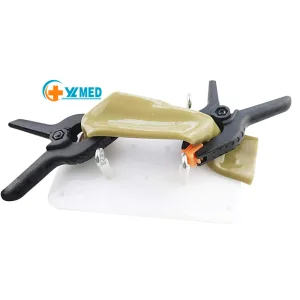
Wholesale Intestinal Suture Model, Trainer Simulator Real Restore Intestinal Suture Practice Kit Practice Teaching Model with 2Pcs Plus Fixed Clip Manufacturers, Service
View Product & Request Quote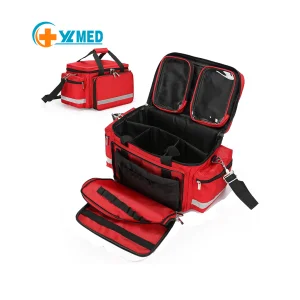
China Medical First Aid Bag Empty Home Health Nurse Storage Detachable Divider Red Class II Medical Supplies Emergency Responder Manufacturer, Pricelist
View Product & Request Quote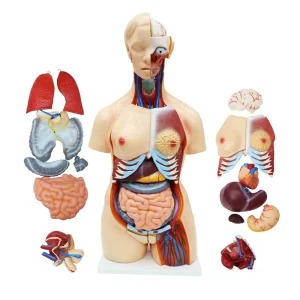
ODM Anatomical Medical Torso Model 23 Parts, 85cm Life Size Model with Removable Organs for Class, Students, Teaching Supplies Manufacturer, Manufacturers
View Product & Request Quote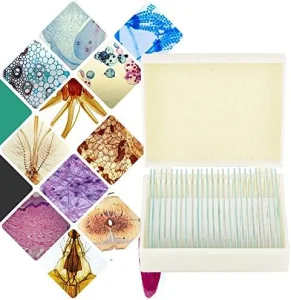
China Factory medical teaching biology tissue section histology preparation specimen microscope slide Quotes, Service
View Product & Request Quote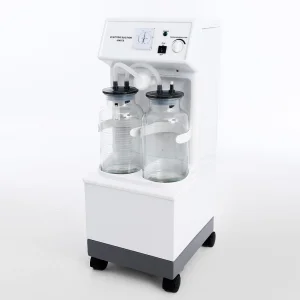
ODM Medical Electric Aspirator Suction Machine: Double Bottles with Vacuum Suction Trolley Unit Manufacturers, Service
View Product & Request Quote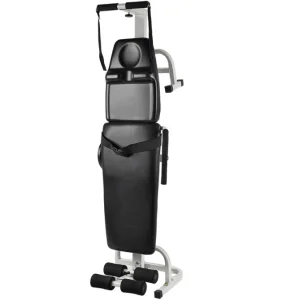
OEM Medical Physiotherapy Electric Adjustable Plastic Muscle Relex Shoulders Lumbar Spinal Traction Bed for Hospital Use Factory, Pricelist
View Product & Request Quote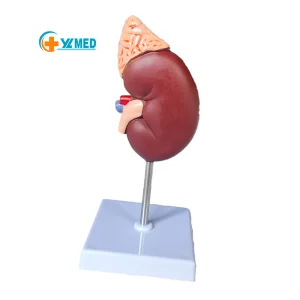
China Renal anatomy with adrenal gland model Factory, Factories
View Product & Request Quote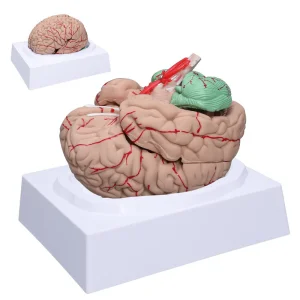
OEM Medical Human Brain Artery Detachable Adult Size Brain Artery Anatomy Model Pricelist, Quotes
View Product & Request QuoteFor a complete wholesale quotation, send the product links above together with quantities, destination country, preferred shipping term and any tender documentation requirement. Our export team will reply within 24 hours with model recommendations, packing details and a pricelist.