Banner Product Showcase
Factory Product Showcase: Medical Equipment & Training Products (1–8)
The original product images and product URLs are retained below. These items form part of Yulin Medical’s broader hospital, education and clinical training catalog for distributors, schools, hospitals and tender projects.
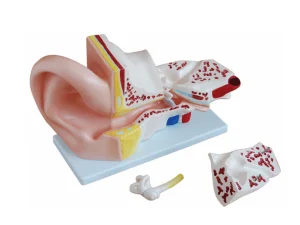
China Anatomical model of the big ear Factories, Pricelist
View Product Details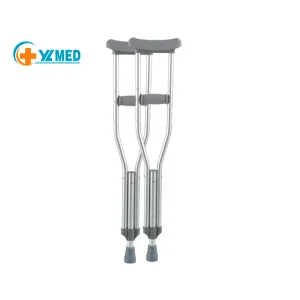
ODM Medical Rehabilitation Adult Crutch Medium Weight Light Height Adjustable 300 Pounds Capacity Light Comfortable Cane for Easy Manufacturer, Manufacturers
View Product Details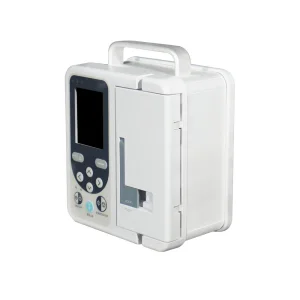
ODM Vet Syringe Pump Veterinary Infusion Pump for Pet Veterinarian Equipment Equipo Veterinaria Manufacturers, Factories
View Product Details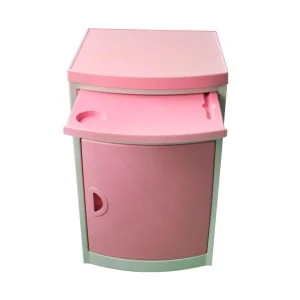
OEM On Sale Hospital Furniture ABS Beside Cabinet Locker Bedside Table With Casters in Stock Manufacturer, Service
View Product Details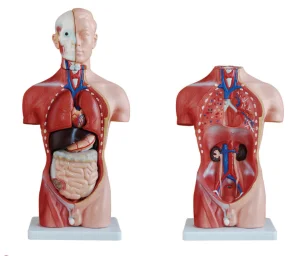
ODM Thirteen models of a 42CM male torso were made Factories, Quotes
View Product Details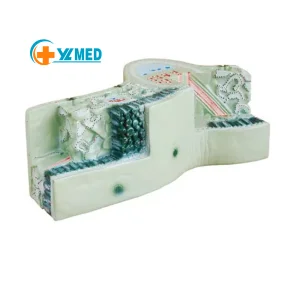
ODM Leaf structure model Factory, Factories
View Product Details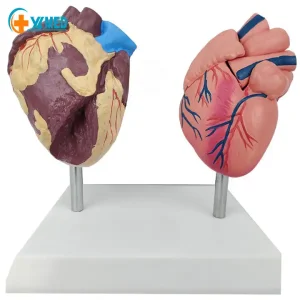
ODM Human Anatomy Heart Model 2parts PVC teaching models Heart health and sick compare heart model Factory, Pricelist
View Product DetailsExecutive Buyer Summary
What “Wholesale Disposable Medical Tubing Factories & Service” Really Means
The query sits at the commercial-investigation stage. A serious buyer is not simply comparing a price per metre; they are qualifying a factory, validating a compliance pathway and protecting a brand, tender or hospital supply contract.
Disposable medical tubing is a risk-graded product family, not a commodity. Depending on its intended use, a tube may be a finished medical device, a device component, an accessory, a sterile fluid pathway or part of a procedure kit. The purchasing decision therefore needs to address material grade, dimensional tolerance, cleanroom status, biocompatibility, sterilization compatibility, packaging validation, labelling, lot traceability and change control. A supplier that can answer only the price question is rarely able to support a distributor, OEM or hospital group for repeat business.
This white paper is published from the perspective of Yulin Medical, a medical and educational equipment manufacturer established in 1958 and ISO 9001 certified since 2008. For disposable medical tubing projects, the same qualification logic that applies to regulated medical equipment is essential: documented scope, sample evaluation, batch consistency, written change notification and export-ready service. Where a buyer requires a specialist tubing manufacturing partner outside Yulin Medical’s core catalog of anatomy models, CPR manikins, hospital furniture and clinical training equipment, the export team can coordinate qualified partner-factory discussions under a documentation-first procurement framework.
Global demand is being shaped by single-use infection-control protocols, aging populations, homecare expansion, dialysis and respiratory care, veterinary medicine, laboratory diagnostics and emergency preparedness. At the same time, procurement teams are under pressure to reduce supply risk, avoid counterfeits, verify regulatory claims and shorten lead times. The result is a clear market signal: wholesale disposable medical tubing factories with strong service are rewarded when they can prove process control, not merely quote a low unit price.
Information gain for buyers: this page adds a qualification framework that generic supplier listings rarely provide — material-to-application mapping, a compliance document map, a 5C sourcing scorecard, an 8-point factory audit and a localized-support checklist for regulated markets.
60+Years of manufacturing history
200+Professional staff
¥120MRegistered capital (RMB)
2008ISO 9001 certified since
24hTypical export reply window
Material & Product Architecture
Medical Tubing Selection Matrix: PVC, Silicone, TPE, PU, PE and PTFE
Material selection is a compliance decision. The right polymer depends on fluid contact, duration, sterilization method, pressure, flexibility, transparency, bonding method and the regulatory claims the buyer intends to make.
PVC Medical Tubing
Flexible, economical and widely used for IV administration, oxygen, drainage and general fluid transport. Buyers should specify plasticizer strategy, including DEHP-free or low-migration options, plus clarity, kink resistance, bonding compatibility and extractables requirements for the intended contact duration.
Silicone Tubing
High-temperature resistance, flexibility and biocompatibility make silicone suitable for peristaltic pump systems, respiratory circuits, catheter assemblies and specialty fluid pathways. The trade-offs are cost, tear resistance, tolerance control and the need for a validated bonding and sterilization process.
TPE Tubing
Thermoplastic elastomers offer a phthalate-free alternative with good flexibility, clarity options and weldability. They are often evaluated for IV sets, feeding tubes, drainage and laboratory applications where PVC-free positioning is important, but lot-to-lot consistency and sterilization compatibility must be proven.
PU Tubing
Polyurethane is selected for abrasion resistance, kink resistance, tensile strength and thin-wall performance. It is useful in catheter-related and specialty assemblies where flexibility and pressure response matter, but buyers must confirm biocompatibility, softening behaviour and solvent-bonding compatibility.
PE and PP Tubing
Polyethylene and polypropylene offer good chemical resistance and low moisture absorption for laboratory, drainage, diagnostic and packaging-fluid applications. They are less flexible than PVC or silicone, so designers must verify connector fit, sealing performance and resistance to cleaning agents.
PTFE and FEP Tubing
Fluoropolymer tubing is chemically inert, tolerant of higher temperatures and suitable for aggressive fluids, analytical instruments and specialty catheter components. Its stiffness, cost and limited flexibility mean it should be specified only where chemical compatibility or temperature resistance justifies it.
Critical specification fields: internal diameter, outside diameter, wall thickness, tolerance, length, curvature, connector geometry, flow rate, pressure rating, durometer, transparency, colour, printing, packaging format, sterilization method, shelf life and acceptance criteria. Buyers who send drawings plus performance requirements usually receive faster and more comparable quotations.
The manufacturing method matters as much as the resin. Cleanroom extrusion, co-extrusion, multi-lumen construction, braided reinforcement, anti-kink coiling, tipping, printing, RF welding, solvent bonding, insert moulding and assembled kits each introduce validation variables. A qualified disposable medical tubing factory should be able to explain how these processes are controlled, inspected and documented, not merely listed as available services.
Search Intent Mining
Semantic Search Signals Behind “Wholesale Disposable Medical Tubing Factories”
Buyers typing this phrase often continue with related searches such as custom medical tubing manufacturer, silicone medical tubing supplier, PVC medical tubing factory China, ISO 13485 tubing factory, cleanroom tubing extrusion and OEM medical tubing service. The content must answer all of those intents without becoming a wall of text.
Supplier Discovery
Requests for wholesale pricing, MOQ, sample policy, OEM options, private-label packaging and mixed-category shipments. The buyer wants a factory that can support distribution, not just a one-off quotation.
Capability Validation
Questions about extrusion lines, cleanroom class, assembly, sterilization partners, packaging validation, annual capacity and change-control procedures. Capability claims must be verifiable with records, not brochures alone.
Compliance Evidence
Requests for ISO 13485 scope, ISO 10993 biocompatibility data, USP Class VI information, sterilization validation, shelf-life rationale, labelling, UDI support and technical files for registration.
Total Cost & Continuity
Landed cost, stock availability, lead time, capacity reservation, spare tooling, packaging cost, documentation cost and business continuity. The cheapest sample is not the lowest-risk supply programme.
To win trust in this search environment, a factory or service provider should publish specific proof: material grades, cleanroom class, inspection equipment, certificate scope, typical lead times, packaging options, lot traceability, complaint handling and the name of the responsible export team. Generic phrases such as “high quality” or “best price” provide little information gain and rarely answer the buyer’s real risk questions.
China Supply-Chain Advantage
Why China Remains a Strategic Base for Disposable Medical Tubing Programs
China’s advantage is no longer only labour cost. For medical tubing, the stronger advantages are polymer availability, tooling speed, cleanroom infrastructure, component integration, flexible production and mature export logistics.
Component Ecosystem
Resin suppliers, masterbatch, connectors, clamps, filters, packaging, labels, sterile barrier suppliers and sterilization service providers are often concentrated within a manageable geography, reducing coordination friction.
Engineering Speed
Tooling modification, prototype extrusion, print layout changes and packaging samples can move quickly when the buyer provides clear drawings and acceptance criteria. This matters in tender and private-label projects with fixed launch dates.
Scale with Flexibility
Factories can support trial batches, medium-volume distributor orders and larger OEM programmes. Buyers should still validate capacity, equipment redundancy and subcontractor controls rather than assuming scale from a factory photo.
Export Logistics
Consolidated shipments, freight options, export documentation, palletization and multilingual labelling support help distributors combine medical tubing with other hospital, laboratory or training products.
Step 01
RFQ & Risk Class
Define application, contact duration, sterilization, packaging and destination-market requirements.
Step 02
Material & Design
Confirm polymer, dimensions, tolerances, connectors, printing and performance tests.
Step 03
Tooling & Validation
Complete drawings, tooling, samples, dimensional reports and agreed validation plan.
Step 04
Cleanroom Production
Extrusion, assembly, inspection and lot documentation under controlled conditions.
Step 05
Sterilization & Export
Sterilization, sterile barrier packaging, release documents, palletization and shipping.
Localization & Compliance Assurance
Localized Support That Turns a Factory Quote into a Market-Ready Supply Programme
Disposable medical tubing is sold into very different regulatory environments. A factory with genuine service capability adapts documentation, labelling, packaging, language and change notification to the destination market.
North America
Confirm FDA establishment and device listing where applicable, QMSR readiness, UDI, biocompatibility, shelf-life rationale and labelling review. For distributor brands, clarify who owns the 510(k) or exempt justification and complaint handling.
European Union & UK
Map MDR classification, CE mark responsibilities, EUDAMED data, authorized representative, language requirements, technical file structure, post-market surveillance and UKCA or Northern Ireland pathways where relevant.
GCC & Middle East
Tender buyers often need SFDA or Ministry of Health registration support, legalized documents, Arabic labelling, country-of-origin evidence and delivery schedules that match project milestones.
APAC, LATAM & Africa
Registration routes vary widely. A good service provider prepares product descriptions, certificates, test reports, free-sale certificates and importer documentation in a consistent dossier so local agents can act quickly.
Localized support is not a translated brochure. It is the ability to deliver the right document, label, packaging format, test report and technical answer to the buyer, importer or regulator at the right stage of the project.
QMS & Technical File
ISO 13485 certificate scope, quality manual summary, device description, risk analysis, drawing, bill of materials, process flow, inspection plan and declaration of conformity responsibilities.
Materials & Biocompatibility
Material certificates, safety data sheets, ISO 10993 test rationale, USP Class VI information where relevant, extractables and leachables discussion, colourant and masterbatch declaration, and REACH/RoHS statements.
Cleanroom & Process Validation
ISO 14644 cleanroom class, particle monitoring, environmental controls, equipment qualification, IQ/OQ/PQ summaries, process capability, inspection method and operator training records.
Sterilization & Sterile Barrier
EO or radiation validation strategy, bioburden and endotoxin controls, sterile barrier system, seal strength, ageing study, package integrity, transport simulation and release criteria.
Labelling & UDI
Label artwork control, lot and expiry format, symbols, language variants, UDI data carrier support, IFU and packaging copy review, and version control before the first production run.
Change Control & Traceability
Resin source change, tooling change, process change, subcontractor change and label change should trigger written notification and risk assessment. Lot traceability should link material, production, inspection, sterilization and shipment.
Recommended Contract KPIs for a Tubing Supply Programme
These are buyer-side targets to negotiate into a quality agreement. They help procurement compare factories on service, not only price.
Lot Traceability Target: 100%
Every shipment should be traceable to material lot, production date, line, operator shift where required, inspection record and sterilization batch if applicable.
Certificate of Conformance: Every Lot
Certificates should match the purchase order, drawing revision and specification, not a generic template from a previous project.
Change Notification Before Shipment: 100%
Any material, process or subcontractor change should be notified and approved before products enter the buyer’s warehouse or tender stock.
Complaint Initial Response: 24 Hours
A named quality contact, containment plan and corrective-action timeline reduce the risk of line stoppages and recall exposure.
Localized Application Scenarios
Where Disposable Medical Tubing Creates Value Across Care Settings
Application context determines specification. A product suitable for a laboratory pump may be unsuitable for an ICU breathing circuit, a dialysis set or a homecare drainage kit.
Hospital IV Therapy
IV administration sets, extension lines, infusion pump tubing, Y-sites and needle-free connector assemblies require consistent dimensions, secure bonding, clear printing and compatible sterilization.
ICU & Respiratory Care
Ventilator circuits, oxygen tubing, suction lines, humidifier connections and sampling lines demand low kink tendency, reliable connectors, cleanliness and supplier continuity.
Operating Room & Suction
Suction tubing, irrigation lines and procedure-kit components need pressure performance, flexibility, connector retention and packaging that supports sterile presentation.
Dialysis & Renal Care
Dialysis blood lines and related fluid pathways require strict dimensional control, material compatibility, pressure resistance and documented lot release for high-volume programmes.
Homecare & Elderly Care
Feeding tubes, oxygen lines, drainage products and home infusion accessories need simple instructions, robust packaging and shelf-life clarity for caregiver use outside hospitals.
Veterinary Medicine
Infusion pump tubing, oxygen lines, drainage and surgical suction for clinics and animal hospitals require practical sizing, chemical resistance and distributor-friendly packaging.
Laboratory & Diagnostics
Peristaltic pump tubing, sample transfer lines and instrument connections need lot-to-lot consistency, low extractables and compatibility with cleaning agents and analytical methods.
Emergency & Ambulatory Care
Portable suction, oxygen delivery and emergency kit tubing should resist kinking, tolerate repeated handling and remain identifiable under low-light or fast-moving clinical conditions.
For distributors, localized support also means helping the sales team answer end-user questions: which tubing is compatible with a given pump, whether the connector is ISO-compatible, what shelf life applies, whether the product is latex-free, and what documentation is available for a hospital tender. These are not marketing details; they are practical buying criteria that reduce returns and protect clinical confidence.
Global Procurement Requirements
The 5C Sourcing Scorecard for Medical Tubing Factories
Use the 5C model to compare factories consistently. The goal is not to find the cheapest quote; it is to find the lowest-risk supply partner that can support your market, volume and growth plan.
C1
Compliance
ISO 13485 scope, ISO 10993 pathway, material certificates, cleanroom evidence, sterilization validation and labelling control.
C2
Capability
Extrusion, assembly, printing, coiling, packaging, inspection, tooling maintenance and engineering response.
C3
Cleanliness
Cleanroom class, environmental monitoring, particulate controls, gowning, material flow and contamination prevention.
C4
Consistency
Dimensional capability, lot-to-lot reproducibility, inspector training, equipment calibration and change control.
C5
Continuity
Capacity, raw-material security, equipment redundancy, lead time, communication discipline and business continuity planning.
RFQ checklist: intended use, risk class assumption, material grade, ID/OD/wall tolerance, length, connector type, pressure/flow requirement, sterilization method, packaging format, labelling language, sample quantity, target annual quantity, required certificates, destination country and delivery deadline.
Compare quotations on total landed cost, including freight, insurance, duty, sterilization, testing, packaging, inspection, warehousing and the cost of a failed lot. A low unit price can collapse when the supplier cannot provide a technical file, cannot maintain tolerances, cannot handle change notification or cannot respond when a hospital tender requires documents within days. The strongest procurement teams ask for production-lot samples, dimensional reports and a written quality agreement before releasing a repeat order.
When volumes grow, negotiate capacity and documentation as part of the contract. Buyers should confirm who owns tooling, how long samples are retained, how complaints are investigated, how non-conforming product is controlled, and how the factory will inform them of resin or subcontractor changes. These controls protect both the distributor’s reputation and the clinician’s safety.
Industry Trends
Disposable Medical Tubing Trends Shaping Factory Selection Through 2030
Buyers are moving from transactional purchasing toward resilient, documented and locally adaptable supply programmes. Factories that anticipate these trends will be better positioned for long-term distribution and OEM contracts.
Material Conversion
Demand is rising for DEHP-free PVC, silicone, TPE and specialty polymers as hospitals, distributors and regulators focus on patient compatibility, chemical resistance and sustainability. Buyers should request material rationale, migration data where applicable and alternative-grade options.
Automation & Vision Inspection
Online diameter measurement, camera inspection, automated cutting, leak testing and labelling reduce human variability. The strongest suppliers can show how inspection data is linked to lot records and non-conformance handling.
Cleanroom Integration
More projects require extrusion, assembly and packaging under controlled environmental conditions. Cleanroom design, material flow and gowning discipline become part of supplier qualification rather than a marketing claim.
Digital Traceability
Barcode, UDI-ready labelling and electronic batch records are becoming standard expectations for hospital groups and distributors. Traceability should connect raw material, production, inspection, sterilization and shipment history.
Supply Diversification
Many buyers are adopting China-plus-one or multi-site sourcing. A China factory with transparent documentation can remain a core supplier while the buyer develops regional inventory, alternate packaging or secondary assembly capacity.
Sustainability & Packaging
Recyclability claims must be balanced against sterile barrier performance and patient safety. Buyers are asking about reduced packaging volume, material efficiency and responsible manufacturing without compromising validation.
Factory Audit Framework
8-Point Audit Checklist for Disposable Medical Tubing Suppliers
Use this framework for a desktop audit, video audit or on-site visit. Ask for objective evidence and follow the product trail from incoming resin to packaged shipment.
1. QMS Scope
Check certificate validity, scope wording, issuing body, surveillance audit history and whether the actual tubing processes are covered by the certification.
2. Extrusion Equipment
Review extruder capability, die maintenance, calibration, inline measurement, changeover controls and how scrap or non-conforming material is segregated.
3. Cleanroom Control
Verify ISO class, particle monitoring records, air pressure differentials, gowning procedure, material transfer and environmental excursion handling.
4. Material Controls
Confirm resin grade, supplier approval, certificate of analysis, incoming inspection, storage, shelf-life control and traceability from lot to finished product.
5. Validation
Review process validation, equipment qualification, test method validation, sterilization validation, packaging validation and revalidation triggers.
6. Quality Control Lab
Check dimensional measurement, tensile testing, leak testing, visual inspection, calibration records, sampling plans and training for inspectors.
7. Sterilization & Release
Understand whether sterilization is in-house or outsourced, how batches are released, how bioburden is controlled and how sterile barrier integrity is verified.
8. Packaging & Labelling
Inspect label version control, line clearance, printing verification, carton specifications, pallet configuration, shipping marks and export documentation flow.
Red flags: certificates that do not cover the actual process, expired calibration, unclear subcontractor control, missing lot records, verbal-only change notification, unpainted or damaged cleanroom surfaces, unvalidated packaging changes, and samples that cannot be traced to a production batch.
Manufacturer Profile
Yulin Medical: Six-Decade Manufacturing Discipline for Global Medical Buyers
Henan Yulin Edu. Project Co., Ltd. has built educational and medical equipment in Xinxiang, China, since 1958. The company’s quality management system has been ISO 9001 certified since 2008.
With registered capital of RMB 120 million and more than 200 professional employees, Yulin Medical manages product development, manufacturing, inspection and export from its base at No. 8, Daoqing Road, Industry Park, Hongqi District, Xinxiang, Henan, China. The company’s operating motto is simple: quality first, service first. Its ten product lines support distributors, medical universities, nursing colleges, hospitals and education projects with anatomy models, CPR and nursing simulation manikins, skeleton models, suture kits, dental equipment, biology prepared slides, hospital furniture and clinical training products.
For global buyers, that experience translates into practical service disciplines: private-label packaging, product presentation, mixed-category order consolidation, export documentation, responsive communication and a named point of contact. For disposable medical tubing projects, the same vendor-qualification logic should be applied: confirm the manufacturing scope, review documentation, test production-lot samples and agree change-control expectations before scaling. Where a tubing requirement falls outside Yulin Medical’s core product lines, the export team can coordinate qualified partner-factory discussions under this documentation-first framework.
Buyer takeaway: a 60+ year factory history and ISO 9001 certification are useful trust signals, but they do not replace project-specific evidence. Always ask for the certificate scope, product drawings, sample reports, packaging specification, lead time and written quality agreement for the exact product you intend to import.
Anatomy ModelsFactory quotes
Biology Prepared Slides and AccessoriesManufacturers & factory
Dental Tools and EquipmentFactories & quotes
General Teaching ModelsManufacturer & factories
Hospital Furniture and EquipmentsFactory supply
Hospital Machine and ToolsManufacturer & factories
Medical Apparatus and InstrumentsFactory quotes
Medical Nursing ModelFactory quotes
Skeleton ModelsFactory quotes
Suture Pads and KitsManufacturer pricelist
News & Specialist Insights
Practical Knowledge from the Yulin Medical Team
The original news, product showroom and laboratory guidance images are retained to support buyer due diligence and educational content discovery.

Lab Guide
Do You Really Know How to Observe Biological Prepared Slides?
Many plant and animal cell structures can only be studied under a microscope, which makes prepared biological slides essential in every biology lab. Our specialists explain how to handle, focus and store slides correctly so students see clearer detail and slide sets last for years.
Read Buyer Guides
Exhibition
The 5th Henan Provincial Educational Equipment Expo Concludes Successfully
Themed “Digital Leading Innovation and Development”, the expo reached a record 50,000 m² with 600+ brands and 10,000+ products on display, showcasing the latest educational equipment and training innovations.
Visit Hot Blog
Showcase
Inside Our Product Showroom
A look at the medical teaching models, hospital equipment and training products buyers can inspect when visiting our Xinxiang facility. Use the showroom visit to compare material finish, packaging, assembly quality and product documentation.
Explore Global ServiceBuyer Q&A
Frequently Asked Questions: Wholesale Disposable Medical Tubing & Yulin Medical Service
These answers cover supplier selection, regulatory evidence, OEM options and the original Yulin Medical buyer questions retained from the manufacturer profile.
Is Yulin Medical a manufacturer or a trading company?
Yulin Medical is a manufacturer. Henan Yulin Edu. Project Co., Ltd. was founded in 1958 and operates its own factory in Xinxiang, Henan, China, with more than 200 professional staff. For one-stop orders, the company also coordinates a stable network of long-term partner factories. For disposable medical tubing projects outside its core catalog, buyers should confirm the exact manufacturing site, QMS scope and product-specific evidence before approval.
What quality certification does Yulin Medical hold?
The company’s quality management system has been ISO 9001 certified since 2008. Product-specific documentation can be provided on request to support tenders and import registration. For regulated medical tubing, buyers should also request ISO 13485 evidence where applicable, material certificates, biocompatibility reports, sterilization validation and a technical file checklist.
Do you support OEM, private label and custom packaging?
Yes. Yulin Medical’s in-house design team develops private-label packaging and product presentation for distributors to increase shelf appeal and resale value. For disposable medical tubing, custom work may include printing, coiling, connector assembly, bag or pouch format, labelling, language variants and carton artwork. All packaging changes should be controlled and documented before production.
How do I choose the right CPR training manikin?
Match the manikin to the learner group: adult, child or neonatal. Check that real-time feedback covers compression depth, rate and ventilation, confirm alignment with current AHA resuscitation guidelines, and decide whether AED training integration is required. For advanced life-support programmes, an ACLS simulator with embedded scenarios offers more assessment value than a basic torso.
How quickly will I receive a reply?
The export team is online 7 days a week and typically replies within 24 hours with catalogs, specifications and shipping options. For faster quotation, include the product name, quantity, destination country, required certificates, packaging preference and target delivery date.
What should I check before buying wholesale disposable medical tubing?
Start with intended use and risk class, then verify material grade, dimensions and tolerances, cleanroom class, sterilization method, packaging, shelf life and labelling. Ask for production-lot samples, dimensional reports, ISO 13485 scope if applicable, material certificates, biocompatibility rationale and change-control terms. Compare landed cost and service capability, not just price per metre.
Which material is best for disposable medical tubing?
There is no single best material. PVC is flexible and economical; silicone offers high temperature and flexibility; TPE provides a phthalate-free thermoplastic option; PU offers abrasion and kink resistance; PE and PP provide chemical resistance; PTFE and FEP provide inertness and high-temperature performance. Selection should be based on fluid contact, duration, sterilization, pressure, connector bonding, clarity and regulatory claims.
Can factories provide ISO 13485, ISO 10993 and sterilization documents?
A qualified factory should be able to provide a certificate with clear scope, material safety data, biocompatibility test reports or rationale according to ISO 10993, and sterilization validation evidence for the selected method. Buyers should verify that the documents match the exact material, production site and product family, and should not accept generic certificates without lot traceability.
What is the typical MOQ and lead time?
MOQ and lead time vary by material, dimension, packaging, sterilization and whether tooling is required. A standard distributor order may be quoted differently from a custom OEM programme. Ask for sample lead time, production lead time, sterilization lead time, documentation lead time and shipping transit time separately so the total programme schedule is visible.
How do I verify cleanroom status and lot traceability?
Request the cleanroom classification, latest environmental monitoring records, pressure differentials, gowning procedure and material transfer controls. For traceability, ask the factory to demonstrate how a finished box links back to extrusion lot, resin lot, inspection record, sterilization batch and shipment record. A live video audit or on-site audit is stronger than a brochure claim.
Can you support localized labelling and regulatory dossiers?
Localized support should include label artwork control, language variants, UDI data carrier support where required, IFU review, certificates, test reports and technical-file components for the importer or registration holder. Responsibilities must be agreed in writing, because regulatory ownership differs by market and product classification.
How should change control work after the first order?
Any change to resin supplier, formulation, tooling, process, subcontractor, packaging or sterilization should trigger written notification and risk assessment before shipment. The quality agreement should define approval rights, revalidation requirements, record retention and the process for urgent deviations. This protects distributors from silent changes that could affect fit, function or regulatory status.
Talk to the Export Team
Need Specifications, a Price List or a Tender Package?
Tell us your target market, product type, quantities and certification requirements. The team will recommend suitable models, share detailed specifications and propose an economical shipping plan.
Factory address: No. 8, Daoqing Road, Industry Park, Hongqi District, Xinxiang, Henan, China. Company: Henan Yulin Edu. Project Co., Ltd.
Bottom Product Showcase
Factory Product Showcase: Medical Equipment & Training Products (9–16)
The remaining product images and URLs are displayed below to retain the full original product set. All images are shown with contained proportions so the product is visible without distortion.
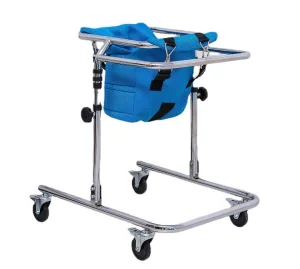
OEM Walking Aid for Cerebral Palsy Stand up Frame Pediatric Walkers Folding Posterior Walker for Child Manufacturers, Factory
View Product Details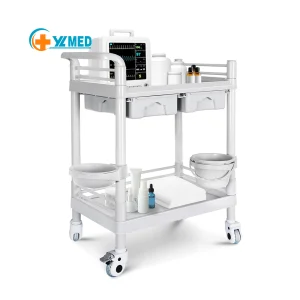
Wholesale Hospital Dental Clinic Medical 2 floor 2 drawer trolley, rotating wheels, heavy medical practical trolley Quotes, Service
View Product Details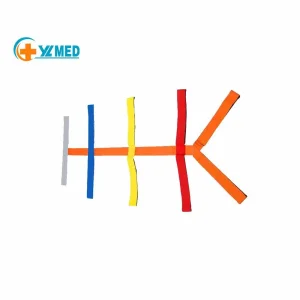
OEM Cross-Mirror Exclusive Spinal Board Emergency Bead Strap Binding Manual Power Source Special Safety Strap for Medical Training Manufacturers, Service
View Product Details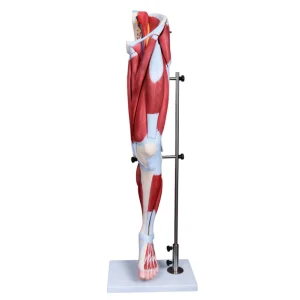
China High Quality Medical Science Human anatomy Lower limb muscle anatomical model Detachable lower limb muscle anatomical model Factories, Pricelist
View Product Details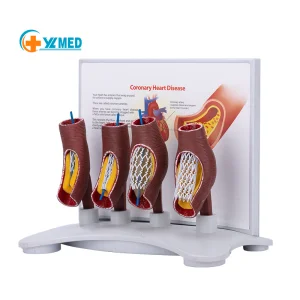
ODM Medical science vascular stent model Human vascular model Medical human teaching pathological vascular anatomy model Factory, Factories
View Product Details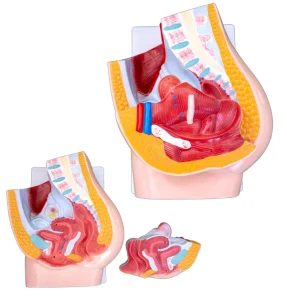
OEM Medical teaching, Female human sagittal anatomical model (2 pieces) Manufacturer, Factories
View Product Details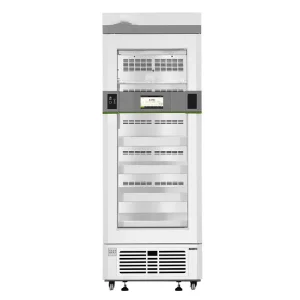
Wholesale Vertical Medicine Refrigerated Air-cooled Display Cabinet Glass Showcase Commercial Display Cabinets Factory, Factories
View Product Details