Wholesale Digital Autoclave Factory & Pricelist
A factory-direct procurement guide for distributors, hospitals, dental groups, laboratories and medical-education buyers comparing Class B, Class N, Class S and large-chamber digital autoclaves — with global compliance, localization support, total landed cost and after-sales planning built into every quote.
Factory-Direct Product Display: First 8 Medical & Educational Items
Immediately below the banner, these eight factory-supplied product links preserve the original product names, images and URLs. They demonstrate the breadth of the Yulin Medical supply ecosystem for distributors building a combined order of anatomy models, teaching aids, clinical training products and hospital-adjacent equipment alongside digital autoclave sourcing projects.
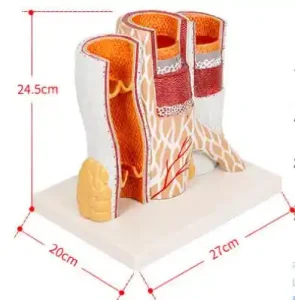
ODM Arterial vein blood vessel dissection model human blood vessel dissection enlarged model blood vessel section model Manufacturer, Factories
View Product & Pricelist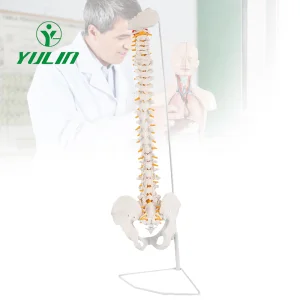
Wholesale Flexible Spine Model, 34.6'' Life Size Human Spinal Cord Anatomical Model with Stand, for Science Study or Patient Education Manufacturer, Manufacturers
View Product & Pricelist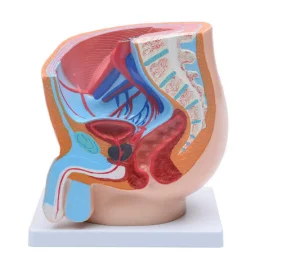

ODM Human medical blood cell model Anatomical blood cell model research display teaching medical model Pricelist, Quotes
View Product & Pricelist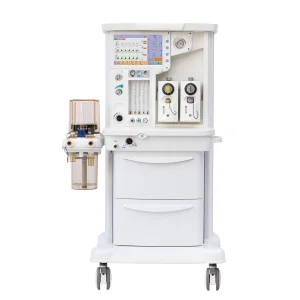
OEM Human Multifunctional Icu Anesthesia Machine General Anesthesia Machine Mobile Anesthesia Trolley Cart Manufacturer, Quotes
View Product & Pricelist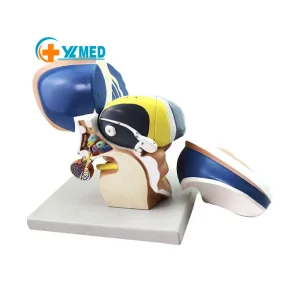
China 3X Human Diencephalon End Thalamus Model, Human Interbrain Intuitive Brain Nervous System Medical Teaching Factories, Pricelist
View Product & Pricelist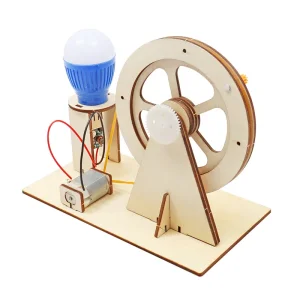
OEM Newest Assemble Wooden Intelligent Science Kits Children Homemade Hand Generator Wood DIY Educational Physics Toys Manufacturer, Manufacturers
View Product & Pricelist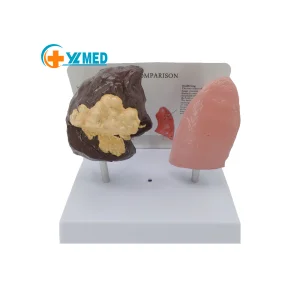
OEM Medical Sciences Anatomical Model Human Body Respiratory System Diseases Human Smoking Lung and Healthy Lung Comparative Model Manufacturers, Factories
View Product & PricelistHow to Evaluate a Wholesale Digital Autoclave Factory and Pricelist with Confidence
The search intent behind “wholesale digital autoclave factory” is rarely a single purchase click. It combines factory due diligence, technical specification matching, regulatory verification, pricelist comparison, spare-parts planning, installation support and long-term service risk. This guide is written as a white-paper-style buying framework for global distributors and institutional procurement teams that need both commercial clarity and technical depth.
Digital autoclaves are no longer a simple “box with a door.” Modern units integrate electronic control, temperature and pressure logging, cycle traceability, water-quality monitoring, safety interlocks, and sometimes network connectivity for documentation. For a distributor, the cheapest factory quote can become expensive if chamber certificates, pressure-vessel documentation, electrical compatibility, consumable availability or after-sales response are weak. For a hospital or laboratory, a low purchase price can be irrelevant if validation, training and uptime are not protected.
This page is published by Henan Yulin Edu. Project Co., Ltd. (Yulin Medical), a manufacturer founded in 1958 and ISO 9001 certified since 2008, with more than 200 professional staff, registered capital of RMB 120 million and ten product lines spanning anatomy models, biology prepared slides, dental tools, general teaching models, hospital furniture, hospital machines, medical apparatus, nursing models, skeleton models and suture kits. That experience matters because global buyers increasingly consolidate medical-education and clinical equipment orders. A supplier with mature documentation, packaging and export coordination can reduce total procurement friction.
The information gain here comes from connecting digital autoclave selection to an entire medical equipment procurement ecosystem. Instead of treating an autoclave quote as an isolated price, we show how to compare the factory, technical route, compliance file, local support, spare-parts plan and commercial terms together. This is the same E-E-A-T standard we apply to our medical teaching models, CPR manikins and hospital equipment: evidence, verifiable documentation, practical experience and accountable service.
Why Global Buyers Are Increasingly Sourcing Digital Autoclaves Through Factory-Direct Channels
Demand is being shaped by hospital expansion, infection-control investment, dental clinic chains, laboratory accreditation, public-health programs, university simulation centers and private sterilization service providers. Buyers are not only searching for “autoclave price.” They want a factory that can support repeat orders, documentation, localization and total cost control.
Hospital and clinic capacity growth
New outpatient departments, surgical centers and private hospitals need reliable sterilization capacity close to the point of use. Factory-direct procurement allows buyers to specify chamber size, cycle profiles, water quality, documentation and backup support without paying multiple layers of distribution margin.
Laboratory accreditation pressure
Microbiology, pathology, research and university labs require traceable cycles and validated operating procedures. A digital autoclave pricelist should be evaluated alongside cycle-data export, calibration options, print or digital logs and user-access controls.
Dental group standardization
Dental chains prefer Class B or validated Class S units that can sterilize wrapped loads, hollow instruments and handpieces according to the manufacturer’s instructions. Distributors benefit when one factory can support consistent spare parts and multilingual user manuals across multiple clinic sites.
Tender and import-registration documentation
Public tenders and import registration often require technical files, certificates, test reports, packing lists, voltage confirmation, product labels and after-sales commitments. Missing documents can delay a shipment more than a small price difference.
Total landed cost optimization
Freight, duties, installation, training, consumables, spare parts and downtime all affect lifecycle cost. Serious buyers compare a wholesale digital autoclave factory quote on total cost of ownership, not just FOB price.
Replacement and retrofit cycles
Hospitals and laboratories increasingly replace older analog sterilizers with digital units that support traceability, energy monitoring and preventive maintenance. Factory-direct suppliers that offer long-term model continuity become strategic partners.
Matching Digital Autoclave Routes to Real Sterilization Workflows
Not every organization needs the same autoclave. A small dental practice, a hospital central sterile service department, a teaching laboratory and a field clinic have different load patterns, validation expectations and utility requirements. The most professional factory conversation begins with the workflow — not merely the chamber volume.
Class B tabletop autoclaves
Best suited to dental clinics, small surgical centers, tattoo studios, podiatry clinics and laboratories that need wrapped instruments, porous loads and hollow items. Look for documented cycle profiles, independent safety devices, easy chamber access and readily available door seals.
Class N and simple benchtop units
Common for basic instruments, glassware and non-wrapped loads where local rules permit. Buyers should confirm that the intended load can be processed according to the manufacturer’s validated instructions; “faster cycle” claims should never replace validation evidence.
Class S and specialty configurations
Useful for defined loads such as certain hollow instruments or specific wrapped goods when the autoclave manufacturer has validated those load types. Procurement teams should request the load classification and cycle parameters in writing.
Horizontal and large-chamber sterilizers
Designed for hospitals, central sterile departments, laboratories and higher-throughput clinics. Critical checks include pressure-vessel certification, door safety, steam quality, chamber mapping, cycle logging, loading carts and maintenance access.
Dental and multi-site clinic programs
Dental chains often standardize on one or two models to simplify training, spare parts and cycle documentation. Factory-level packaging, private-label manuals and region-specific plug types can make a multi-country rollout much easier.
Laboratory and education solutions
Medical schools, nursing colleges and biology departments often order sterilization equipment together with anatomical models, prepared slides and training consumables. Consolidated procurement reduces supplier count and improves budget control.
The Digital Autoclave Technology Roadmap: From Electronic Control to Connected Sterilization
The next competitive advantage for wholesale buyers will not be a single “smart” feature. It will be the ability to prove cycle integrity, reduce energy consumption, simplify maintenance and connect sterilization records to quality-management workflows. The following roadmap shows how procurement decisions made today should remain serviceable tomorrow.
Digital control and traceability
Modern controllers should provide clear cycle selection, fault codes, temperature and pressure curves, and exportable records. Buyers should confirm whether calibration is accessible locally and whether firmware updates are documented.
Connectivity without complexity
USB, Ethernet or network logging can improve quality assurance, but connectivity must not replace mechanical safety. The best systems provide robust local operation with an optional audit trail, not a fragile app that stops clinical work when the network fails.
Energy and water efficiency
Steam generation, vacuum pumps and cooling consume resources. Future-conscious factories will offer insulation improvements, water-reuse options, standby modes and clearer utility specifications so buyers can model operating cost accurately.
Serviceability by design
Quick-access panels, standard spare parts, diagnostic codes and accessible door seals reduce downtime. A factory that designs for local service creates a stronger distributor proposition than one that requires every issue to be handled remotely.
Regional Procurement Patterns in the Wholesale Digital Autoclave Market
Regional requirements differ in voltage, plug type, language, documentation, tendering and service expectations. A professional wholesale digital autoclave factory must therefore support configuration management across markets — not simply offer a generic export model.
Europe and the UK
Buyers commonly request CE-related documentation, traceability, pressure-equipment documentation where applicable, clear language versions and robust after-sales support. Public-sector buyers may require detailed technical files before tender approval.
North America
Electrical compatibility, local code review, installation requirements and service-response expectations are major concerns. Distributors benefit from documented spare-parts kits and clear maintenance schedules.
Middle East and Gulf markets
Large hospital projects, dental groups and laboratory expansion create demand for factory support, project documentation, multilingual manuals and rapid spare-parts delivery. High ambient temperatures require attention to ventilation and duty cycles.
Asia-Pacific
Diverse regulatory environments, voltage standards and budget levels require a factory that can offer multiple configurations without compromising safety documentation. Dental and clinic chains are especially active in standardized procurement.
Latin America
Distributors often need consolidated shipments, Spanish or Portuguese documentation support, stable spare-parts supply and practical installation guidance for clinics outside major cities.
Africa and emerging markets
Value engineering, rugged packaging, simple operation and locally serviceable designs are critical. Public-health programs and educational institutions often combine equipment, training models and consumables in one tender.
What a Reliable Digital Autoclave Factory Should Provide Before Shipment
Compliance is not a logo on a website. It is a chain of documents, tests, labels, declarations and service commitments that must match the destination market and the intended clinical use. Global buyers should make these requirements explicit in the purchase order.
Technical file review
Request product specifications, chamber drawings, electrical diagrams, pressure-vessel documentation where applicable, risk-management evidence and the final label artwork for the destination market.
Electrical and utility localization
Confirm voltage, frequency, phase, plug type, breaker requirements, water quality, drain conditions and ambient operating limits. Incorrect utility assumptions are among the most common causes of installation delay.
Validation and acceptance support
Buyers should specify whether installation qualification, operational qualification, cycle verification, biological or chemical indicator protocols and training records are required. The factory should state exactly what it supplies and what the local team must perform.
Language and training package
User manuals, service manuals, warning labels and quick-reference guides should be supplied in the language required by the market. Distributors benefit from train-the-trainer materials and troubleshooting charts.
Spare-parts and warranty clarity
Define warranty coverage, consumable exclusions, recommended spare-parts kits, door-seal replacement intervals and response times. A documented spare-parts list protects both uptime and resale confidence.
Export packaging and traceability
Protective packaging, shock indicators where needed, serial-number tracking, packing lists, fumigation or wood-packaging declarations and shipment photos all reduce disputes and improve project transparency.
Wholesale Digital Autoclave Pricelist: Six Factors That Change the Quote
A factory pricelist is a starting point, not a final cost. Smart buyers build a comparison sheet that separates product configuration, certification documentation, packing, freight, installation and lifecycle support. This prevents “apples-to-oranges” comparisons between low-cost and compliant offers.
1. Chamber size and load pattern
Chamber diameter, depth, usable volume, tray configuration and door type directly affect material cost and throughput. The correct size is the smallest chamber that reliably handles the validated load with reasonable cycle spacing.
2. Control system and documentation
Basic digital controllers may be adequate for simple loads, while traceability, multiple user levels, cycle-data export and audit logs add cost. For accredited facilities, the documentation system may be more valuable than extra chamber volume.
3. Compliance and test evidence
Product test reports, pressure-vessel documentation where applicable, electrical safety evidence and destination-specific declarations require engineering time. Buyers should never accept a certificate that does not clearly match the exact model and serial number.
4. Packaging and freight profile
Wooden packing, protected corners, moisture barriers, pallet dimensions and gross weight influence freight and insurance. A slightly higher factory price with better packing can lower damage claims and installation delays.
5. Spare parts and warranty scope
Door seals, filters, valves, sensors and pumps should be priced as a kit. A pricelist that excludes consumables or critical spares is incomplete. Clarify who pays for parts, labor and shipping during warranty.
6. Training and local service support
Remote commissioning, video inspection, on-site training and distributor certification can change the commercial offer. For repeat buyers, a factory that supports local service capability usually delivers a better long-term return.
Inside Yulin Medical: Six Decades of Medical, Educational and Hospital Equipment Supply
Yulin Medical is the trading identity of Henan Yulin Edu. Project Co., Ltd., founded in 1958 and based at No. 8, Daoqing Road, Industry Park, Hongqi District, Xinxiang, Henan, China. The company combines research, production, inspection, export coordination and customer service, with more than 200 professional staff and 10 product lines.






Experience: Since 1958, the manufacturer has served distributors, medical universities, nursing colleges, schools, clinics and hospitals with educational models and clinical training products. Its long operating history provides continuity for buyers who need repeat production rather than one-time trading.
Expertise: The portfolio includes anatomy models, biology prepared slides, dental tools and equipment, general teaching models, hospital furniture, hospital machines and tools, medical apparatus and instruments, medical nursing models, skeleton models and suture pads and kits. This breadth supports consolidated procurement and cross-category order planning.
Authoritativeness and trust: The quality management system has been ISO 9001 certified since 2008. The company reports registered capital of RMB 120 million and more than 200 professional staff. Buyers can request product-specific documentation for tenders, import registration and project approval. At the same time, digital autoclave buyers must verify the exact sterilization-equipment factory, model certificates, validation documents and local regulatory requirements separately; a credible supplier should welcome that scrutiny rather than avoid it.
Medical Teaching Models, CPR Manikins and Hospital Equipment from the Original Showcase
These original Yulin Medical product images and product-range links are retained for context. They illustrate the medical-education and hospital-equipment ecosystem that global distributors often combine with sterilization, infection-control and clinical training purchases. All images are displayed proportionally with contain formatting so the complete product is visible without compression or cropping.












News, Laboratory Guidance and Exhibition Notes from the Original Content
Procurement confidence grows when a supplier invests in education. These original insight images and topics support E-E-A-T by showing practical guidance, exhibition participation and product-showroom transparency.

Do You Really Know How to Observe Biological Prepared Slides?
Many plant and animal cell structures can only be studied under a microscope, making prepared slides essential in every biology lab. Correct handling, focusing and storage help students see clearer detail and extend the service life of slide sets.
Read Buyer Guides
The 5th Henan Provincial Educational Equipment Expo
Themed “Digital Leading Innovation and Development,” the expo highlighted educational equipment trends, digital teaching tools and new training models for schools and medical education buyers.
Visit Hot Blog
Inside the Product Showroom
Visitors can inspect medical teaching models, clinical training equipment and hospital-adjacent products at the Xinxiang facility, supporting better evaluation before bulk orders and tender submissions.
Plan a Factory VisitFrequently Asked Questions About Wholesale Digital Autoclaves, Pricelists and Factory Verification
These answers address the most common questions from distributors, procurement managers, medical schools, dental groups, hospitals and laboratories. For project-specific review, request the current factory quotation, model datasheet and compliance checklist.
What should I check first when comparing wholesale digital autoclave factories?
How do I request a useful digital autoclave pricelist?
What is the difference between Class B, Class N and Class S autoclaves?
Is Yulin Medical a manufacturer or a trading company?
What quality certification does Yulin Medical hold?
Do you support OEM, private label and custom packaging?
How should I evaluate local service and spare-parts support?
How quickly will I receive a reply?
Bottom Product Display: Remaining 8 Given Products with Original URLs
These eight additional product cards complete the required set of sixteen factory products. Each image is kept in its original URL, each product page link is preserved, and every product anchor is styled as a clear call-to-action button for mobile and desktop users.
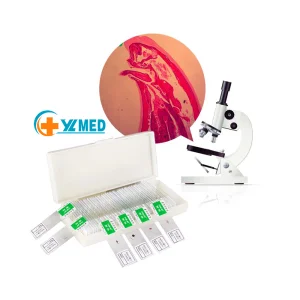
OEM Fifty slides of student medical parasitology that can be reused Pricelist, Quotes
View Product & Pricelist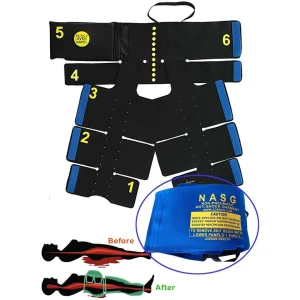
OEM Elastic resistance band with tension strap, non-pneumatic shock-absorbing splint, emergency splint, anti-shock support device Manufacturer, Manufacturers
View Product & Pricelist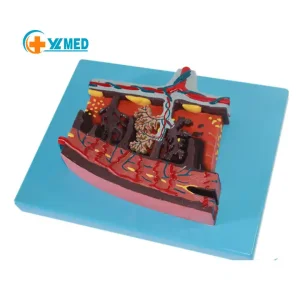
Wholesale exquisite workmanship Placental tissue Simulation model medical Pelvis Placenta Model Quotes, Service
View Product & Pricelist
Wholesale 25pcs prepared microscope slides for general middle school students medical Teaching equipment Manufacturer, Service
View Product & Pricelist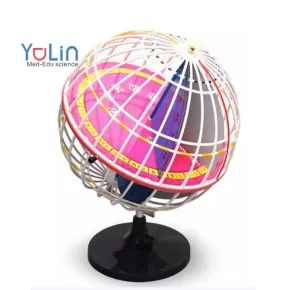
Wholesale Geography Teaching Aids Rotating 360 Globe Educational Products for Kids Globe Earth World Globe Longitude and Latitude Model Manufacturer, Factory
View Product & Pricelist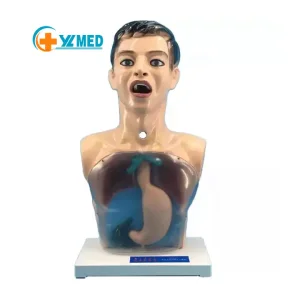
ODM New nursing basic practice operation model nurse training human body model transparent gastric lavage model Manufacturer, Manufacturers
View Product & Pricelist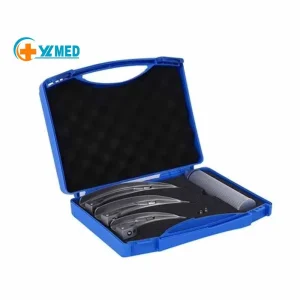
Wholesale Genuine Stainless Steel Indirect Video Laryngoscope Electric Adult Pediatric Laryngeal Ear Eye Nose Throat Surgical Instrument Quotes, Service
View Product & Pricelist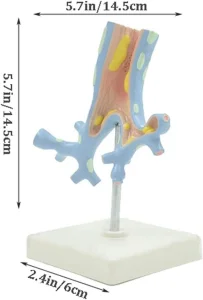
Wholesale Medical School Human Anatomy Respiratory System Model Educational PVC Stand Made China Model Number Human Respiratory System Manufacturers, Factories
View Product & Pricelist Yulin Medical · Since 1958
Request a Wholesale Digital Autoclave Pricelist or Combined Medical Equipment Quote
Send your target market, sterilization load, chamber volume, voltage, annual quantity, required documentation and tender deadline. Our team will respond with suitable models, specifications, packaging options, shipping suggestions and the next steps for sample or factory verification.