Wholesale Medical Training Products for CPR, Emergency & Clinical Programs
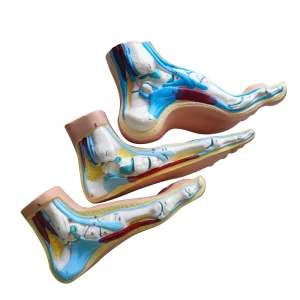
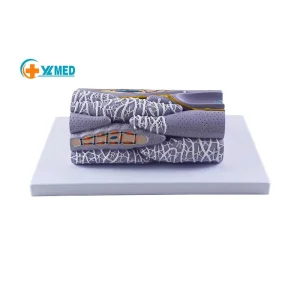
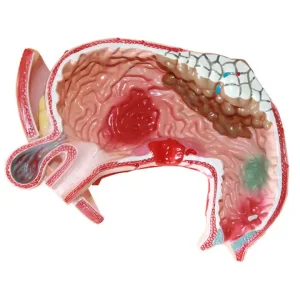
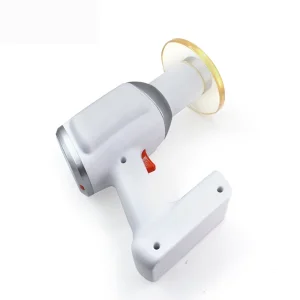
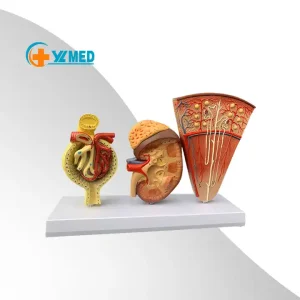
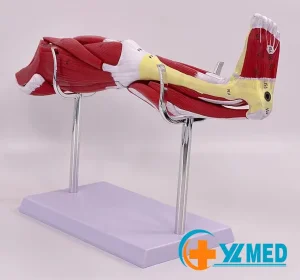
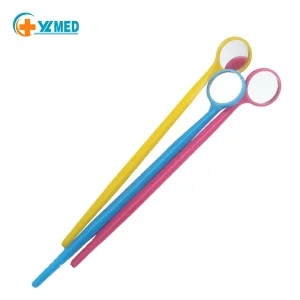
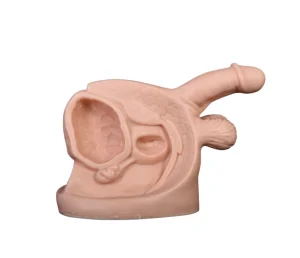
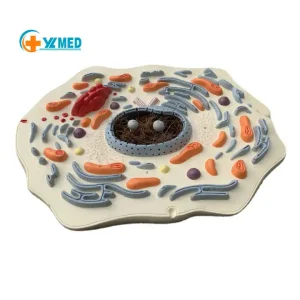
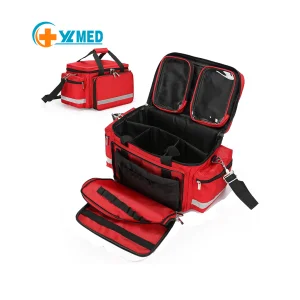
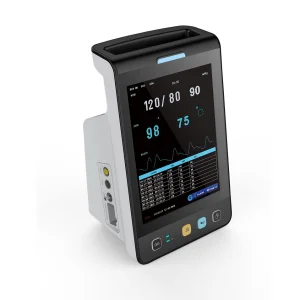
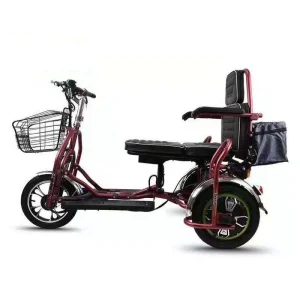
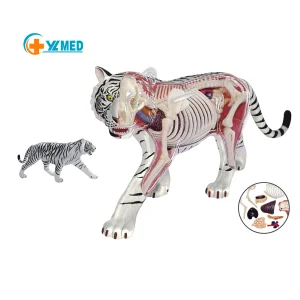
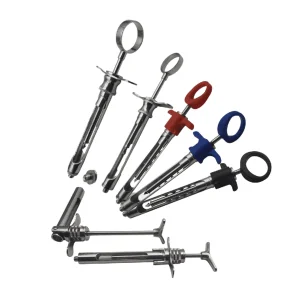
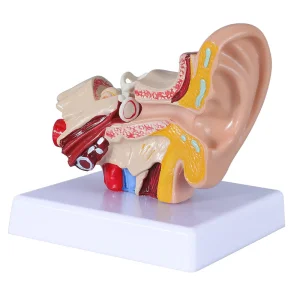
A wholesale CPR simulator programme rarely stands alone. Distributors, medical schools, and hospital procurement teams often bundle CPR manikins with anatomy models, emergency care products, first-aid storage, dental teaching tools, and hospital equipment to serve the same training and clinical accounts. The eight factory-direct products below are part of that broader sourcing ecosystem, with product URLs preserved for direct quotation and specification review.
Wholesale CPR Simulators: What the Search Intent Really Means
When a buyer searches for Wholesale CPR Simulators Factories & Quotes, the query usually combines three intents: finding a verified manufacturer, comparing unit economics, and obtaining documentation for a tender, distributor launch, or clinical training rollout. The buying committee often includes a procurement manager, a clinical educator, and a compliance officer. Each person evaluates a different risk. A low price without spare-part availability can stall a training programme; a feature-rich simulator without the right documentation can fail a tender; and a factory without export packing discipline can turn a good quotation into a costly after-sales problem.
This white paper is written for that committee. It explains how the CPR simulator supply chain is changing, what global buyers are asking for, how China Factory 4.0 combines resilience with efficiency, and how to structure an RFQ that produces comparable quotes. The product links above and below are preserved so sourcing teams can move from market intelligence to specification review without losing commercial context.
Commercial Intent
Price is only one variable. Serious buyers compare MOQ, tooling cost, private-label packaging, spare parts, shipping volume, payment terms, and after-sales responsiveness. The best quote is the one that remains workable after landing, installation, training, and repeat orders.
Technical Intent
Feedback accuracy, airway realism, AED trainer integration, adult/child/neonatal options, and alignment with AHA/ERC training practice all affect course outcomes. A simulator that cannot support objective assessment is harder to justify in a competency programme.
Risk-Control Intent
Factory verification, ISO 9001 status, inspection records, tender documents, export packing, and repeat-order consistency are central to supplier selection. B2B buyers are not simply purchasing a manikin; they are protecting a training schedule and a brand reputation.
Information gain: request a total-cost-of-ownership sheet, not only a price list. It should include spare parts, consumables, packaging dimensions, warranty terms, and the documentation package available for tenders.
CPR Simulator Industry Trends Expanding Wholesale Demand
Resuscitation training is moving from periodic classroom drills to continuous competency programmes. Hospitals, medical schools, employers, and public safety agencies increasingly need simulators that support repeatable assessment, hygiene, and measurable performance. The result is a broader wholesale basket: CPR manikins, AED trainers, airway management models, feedback devices, replacement lungs, and packaging that fits mobile training teams.
Feedback-First Learning
Real-time feedback on compression depth, rate, recoil, and ventilation is becoming a default expectation. Buyers want devices that help instructors correct performance immediately rather than relying only on visual observation.
Portable & Hybrid Training
Training teams increasingly travel to factories, schools, clinics, and community centres. Lightweight torsos, durable carry cases, and simple set-up reduce the friction of mobile CPR courses.
Realism with Modularity
Adult, child, and neonatal configurations are being designed around shared platforms. Modular face skins, airways, and chest assemblies allow distributors to serve multiple course levels without managing unrelated product families.
Guideline Alignment
Simulators are increasingly evaluated against current resuscitation training practice. The focus is not only on what the manikin can do, but whether it supports the compression and ventilation targets taught in recognised programmes.
Hygiene & Serviceability
Replaceable lungs, removable face skins, and cleanable surfaces matter more as training volume rises. Easy maintenance lowers downtime and extends the usable life of each unit.
Data-Informed Certification
Course providers need objective evidence of skill performance. Models with scoring, timing, and session summaries can support certification decisions and internal quality audits.
Global Commercial Demand: Who Buys CPR Simulators in Wholesale?
Demand is global but not uniform. Importers in mature markets often prioritise documentation, after-sales support, and ease of cleaning. Emerging markets may place more weight on ruggedness, local training capacity, and landed cost. Across both, procurement teams are consolidating suppliers to reduce coordination risk and improve margin control. A CPR simulator factory that can also supply anatomy models, emergency equipment, and hospital products becomes more strategically valuable to a distributor.
Distributors & Importers
Need stable MOQs, private-label packaging, product photography, training materials, and reliable repeat production. They value factories that can consolidate mixed categories into one shipment.
Medical & Nursing Schools
Require durable manikins for high-volume practice, clear anatomical landmarks, and configurations that match BLS and skills-lab curricula. Consumables and replacement parts are critical.
Hospitals & Clinical Skills Labs
Focus on realistic feedback, hygiene, and integration with AED trainers and airway management. Advanced simulation platforms support team-based ACLS and emergency response drills.
EMS, Fire & Rescue
Prefer portable, rugged designs that can be used in field exercises. Fast set-up, simple cleaning, and compatibility with immobilisation and first-aid equipment are important.
Workplace Safety Teams
Industrial sites, airports, and large employers need cost-effective CPR training solutions for many learners. Low-maintenance torsos and bilingual instructions improve programme rollout.
Government & NGO Tenders
Tender winners need traceability, documentation, consistent packaging, and delivery schedules that match project milestones. Product-specific certificates may be requested for import registration.
Illustrative Buyer Priority Index
The index is an illustrative summary of common RFQ priorities, not a market statistic. Buyers should weight criteria by their own tender, course volume, and maintenance capability.
China Factory 4.0: Supply Chain Resilience and Efficiency Advantages
China’s advantage in CPR simulator manufacturing is no longer just labour cost. It is the integration of mould design, silicone and PVC processing, electronics, firmware, packaging, and export logistics within a mature supplier ecosystem. For buyers, this means faster sampling, tighter revision control, and the ability to consolidate mixed product lines. Practical Factory 4.0 at a medical training factory shows up in unglamorous places: digital BOM control, incoming material checks, jig-based assembly, calibration records, drop-test validation, and traceable batch packing.
Henan Yulin Edu. Project Co., Ltd. was founded in 1958 and has operated an ISO 9001 quality management system since 2008. Located in Xinxiang, Henan, the company combines more than six decades of educational and medical equipment manufacturing with a modern export service model. The company’s motto is quality first, service first, and its export team supports distributors, medical universities, nursing colleges, and hospitals with catalogues, specifications, and shipping options.
Supply-Chain Resilience
Multi-tier supplier management, alternative material sources, and modular bill-of-materials planning help protect production when demand spikes or component lead times change. Stable partner factories support one-stop orders.
Efficiency Through Integration
In-house design and packaging support reduce coordination delays. Mixed-category orders can be consolidated, inspected, and packed for export with one point of contact instead of multiple vendors.
Export-Ready Control Points
Incoming material checks, in-process inspection, final performance verification, and protective export packing reduce the hidden cost of returns, damaged shipments, and inconsistent training quality.
Localized Application Scenarios: One Simulator Platform, Many Training Environments
The same CPR simulator family can serve very different markets when the configuration is chosen correctly. A distributor selling into hospital simulation labs may need advanced feedback and AED integration, while a workplace safety reseller may need a durable basic torso with low consumable costs. Localisation also affects packaging language, instructions, accessory kits, and after-sales parts planning.
Hospital Simulation Labs
Team-based BLS and ACLS drills, defibrillator training, airway management, and objective debriefing. Prioritise feedback accuracy, hygiene, and advanced scenario support.
Medical & Nursing Schools
High-volume skills practice and assessment. Prioritise durable chest assemblies, clear landmarks, replacement parts, and consistent performance across large student cohorts.
EMS & Pre-Hospital Care
Mobile and field exercises. Prioritise rugged construction, fast set-up, compact packaging, and compatibility with emergency immobilisation and first-aid equipment.
Workplace & Community CPR
Large learner groups and short courses. Prioritise easy cleaning, simple feedback, bilingual instructions, and low total cost per training session.
Maritime, Aviation & Defense
Standardised training in constrained environments. Prioritise compact storage, robust materials, repeatable assessment, and documentation for internal audit.
How to Choose a Wholesale CPR Simulator Factory: 5 Dimensions
Comparing quotations from different factories is only useful when the specifications are aligned. Use the five dimensions below to normalise offers and expose the real differences behind the unit price.
1. Training Level
Confirm whether the programme requires adult, child, neonatal, BLS, ACLS, or AED-integrated training. A basic torso may be sufficient for awareness courses but not for advanced life support.
2. Feedback & Scoring
Check compression depth, rate, recoil, ventilation, and session reporting. Ask whether the feedback is visual, audible, or exportable for assessment records.
3. Materials & Hygiene
Review face-skin material, airway replacement, cleaning method, and resistance to repeated use. Hygiene design affects instructor confidence and long-term operating cost.
4. Serviceability
Ask for a spare-parts list, replacement frequency, and local repair options. Modular lungs, chest springs, and face skins should be easy to identify and reorder.
5. Commercial Fit
Compare MOQ, private-label packaging, lead time, warranty, shipping volume, and documentation. The best supplier is the one that can support your next three orders, not only the first shipment.
Quote normalisation tip: ask every factory to quote the same configuration, accessory kit, packaging language, spare-parts pack, and Incoterm. Otherwise a low unit price may hide higher freight volume, missing consumables, or weaker documentation.
Quality Assurance and Total Cost of Ownership
For CPR simulators, quality is not only a factory certificate. It is the consistency of feedback, the fit of replacement parts, the durability of the chest assembly, and the clarity of the documentation. Total cost of ownership should include the unit price, spare parts, shipping volume, instructor time, downtime, and compliance risk. A slightly higher quote with better serviceability can be cheaper over a three-year training programme.
Incoming Material Verification
Check PVC, silicone, springs, electronics, and packaging materials against specifications. Material consistency affects feel, durability, and cleaning performance.
In-Process Control
Use jigs, calibration checks, and assembly records to reduce variation between units. For feedback manikins, compression and ventilation sensors require repeatable testing.
Final Inspection & Packing
Verify function, accessories, labels, language, and packing before shipment. Export packing should protect sensitive electronics and airway components during multimodal transport.
TCO formula for wholesale buyers
TCO = unit price + spare parts + consumables + freight volume + training time + downtime + documentation/compliance risk. Use this formula when comparing a basic CPR torso with a feedback-enabled simulator. The basic unit may win on purchase price, while the feedback model may win on instructor efficiency and assessment quality.
- Request a spare-parts pack quotation with the first order.
- Confirm replacement lung and face-skin availability.
- Check carton dimensions and gross weight before comparing freight.
- Ask for product-specific documentation for tender and import review.
- Plan a mixed-category shipment to reduce logistics and supplier-management cost.
Why Yulin Medical Is a Reliable Factory for CPR Simulators and Medical Training Equipment
Henan Yulin Edu. Project Co., Ltd. (Yulin Medical) is a manufacturer of medical teaching models, CPR and nursing simulators, skeleton and anatomy models, suture kits, dental tools, biology prepared slides, and hospital equipment. Founded in 1958, the company operates from No. 8, Daoqing Road, Industry Park, Hongqi District, Xinxiang, Henan, China, with registered capital of RMB 120 million and more than 200 professional employees. Its quality management system has been ISO 9001 certified since 2008.
For overseas buyers, the value lies in consolidation and accountability. A distributor can source CPR training products, anatomy models, emergency equipment, and hospital furniture from one manufacturer instead of coordinating multiple suppliers. The in-house design and packaging team supports private-label presentation, while the export team provides catalogues, specifications, and shipping options with a typical 24-hour reply commitment.
Ten Integrated Product Lines for One-Stop Sourcing
These product lines allow distributors to bundle CPR and nursing simulation with anatomy, dental, laboratory, emergency, and hospital equipment for the same customer base.
RFQ Checklist: How to Get Accurate Wholesale CPR Simulator Quotes
Accurate quotations come from precise briefs. Instead of asking for a generic price list, provide the target market, learner group, course volume, packaging language, and documentation requirements. This allows the factory to recommend the right model and avoid later re-quoting.
Share Requirements
Send product types, quantities, target market, training level, and any tender or certification needs.
Catalog & Proposal
Receive matched models, specifications, packaging options, spare-parts recommendations, and shipping suggestions.
Sample Evaluation
Test samples with your instructors or clinicians before confirming bulk production and private-label packaging.
Production & QC
Manufacturing and inspection follow the ISO 9001 quality management system, with batch traceability and final function checks.
Export & Support
Protective export packing, delivery coordination, spare-parts planning, and responsive after-sales service.
Specification Clarity
Include learner group, feedback requirements, AED integration, airway features, replacement parts, and packaging language. Attach course volume and expected annual usage.
Commercial Terms
State target quantity, MOQ tolerance, Incoterm, destination port, label requirements, warranty expectations, and whether a sample order is required before bulk production.
Documentation
Request ISO 9001 information, product specifications, packing details, and any product-specific documents needed for tenders or import registration.
Frequently Asked Questions: Wholesale CPR Simulators & Factory Quotes
Is Yulin Medical a manufacturer or a trading company?
We are a manufacturer. Henan Yulin Edu. Project Co., Ltd. was founded in 1958 and operates its own factory in Xinxiang, Henan, China, with more than 200 professional staff. For one-stop orders, we also coordinate a stable network of long-term partner factories.
What quality certification does Yulin Medical hold?
Our quality management system has been ISO 9001 certified since 2008. Product-specific documentation can be provided on request to support tenders and import registration in your country.
Do you support OEM, private label, and custom packaging?
Yes. Our in-house design team develops private-label packaging and product presentation for distributors to increase shelf appeal and resale value. Custom packaging, labels, and product bundles can be discussed during the RFQ stage.
How do I choose the right CPR training manikin?
Start with the learner group: adult, child, or neonatal. Then check that real-time feedback covers compression depth, compression rate, and ventilation volume; confirm alignment with current AHA resuscitation guidelines and your local training framework; and decide whether your courses need AED trainer integration. For advanced life-support programmes, an ACLS simulator with embedded scenarios offers more assessment value than a basic torso.
How quickly will I receive a reply?
Our export team is online 7 days a week and typically replies within 24 hours with catalogues, specifications, and shipping options.
What is a realistic MOQ for wholesale CPR simulators?
MOQ depends on the model, packaging, and customisation level. Standard models can often be supplied at lower volumes, while private-label packaging, custom electronics, or new tooling require higher quantities. Provide your target quantity, packaging language, and certification needs for a precise quotation.
How should I compare CPR simulator quotes?
Compare the same configuration across suppliers: unit price, spare parts, consumables, feedback features, warranty, lead time, packaging dimensions, gross weight, documentation, and after-sales support. A low unit price with no spare-parts plan may have a higher total cost of ownership.
Can you consolidate CPR simulators with anatomy models and hospital equipment?
Yes. Mixed-category orders can be consolidated into one shipment with one point of contact. This is useful for distributors serving medical schools, nursing colleges, hospitals, and emergency training centres that purchase across multiple product categories.
Where can I request a catalogue or quotation?
You can contact our export team at [email protected] or call 0086-13503800666. We will recommend suitable models, share specifications, and propose a shipping plan based on your market and quantity.
More Wholesale Medical Teaching & Emergency Products from the Factory
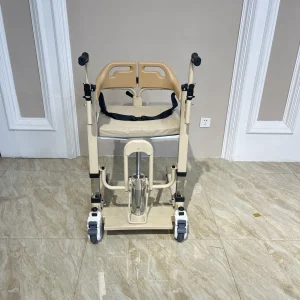
Beyond CPR and nursing simulation, Yulin Medical supplies anatomy models, dental teaching tools, patient-handling equipment, and hospital products that distributors often sell into the same accounts. The eight products below complete the factory-direct range shown on this page, with all original product URLs preserved for quotation.