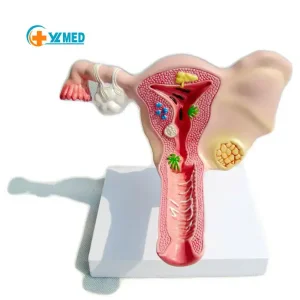
8 Wholesale Product References Requested by Global Buyers
Below the banner, these eight factory-direct references reflect the mixed sourcing pattern of medical education distributors: dental and anatomy teaching models, diagnostic equipment, rehabilitation aids and emergency care products. Every product URL and image is retained for buyer verification.
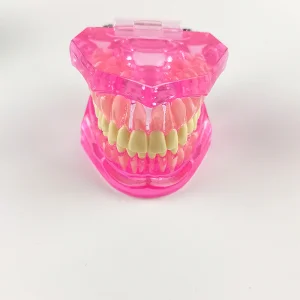
China Color Dental Pathology Models
China Color dental pathology models Dental restoration pathology dental models with removable teeth and dental implants Manufacturer, Pricelist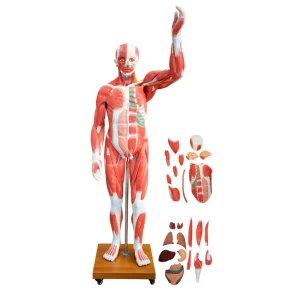
Life Size Human Muscle Anatomical Model
Wholesale Life size Human Muscle Anatomical Model with Organs Removable Whole Body Muscled Model 27 Parts For Teaching Medical Science Manufacturer, Quotes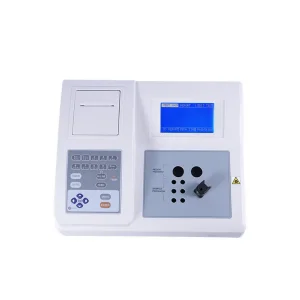
Portable Semi-Auto Coagulation Analyzer
ODM Digital Semi-Auto Coagulation Analyzer Portable Blood Coagulation Analyzer Machine for PT/INR/APTT Testing Quotes, Service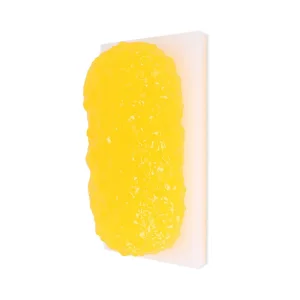
Human Fat Anatomical Teaching Model
OEM Factory Direct Teaching Model Anatomy Human Fat Model Rectangular Silicone Gel Material School Training Simulation Factories, Quotes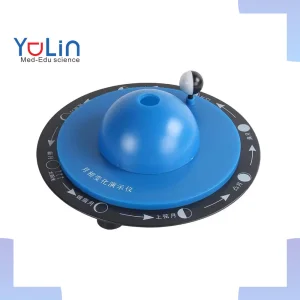
25cm Moon Phase Change Demonstration Instrument
ODM Diameter 25cm Moon Phase Change Demonstration Instrument Environmental protection PVC Material Moon Phase Change Causes Manufacturer, Manufacturers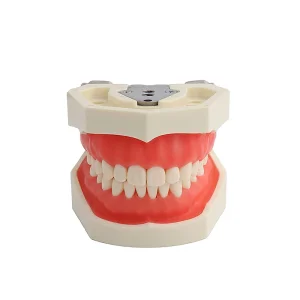
Teeth Model with 28 Detachable Teeth
China Teeth Model with 28 Detachable Teeth for Dental Hygiene Students Pricelist, Service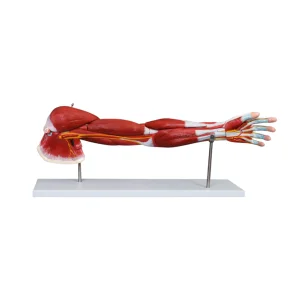
Life Size Arm Anatomy Model, 7 Parts
ODM life size arm model anatomy model scientific arm anatomical muscle 7 parts numbered shows muscles of the shoulder arm and hand Manufacturer, Pricelist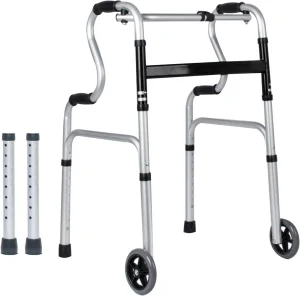
3-in-1 Stand-Up Assist Folding Walker
Wholesale Medical Rehabilitation 3-in-1 stand-up assist folding Walker assists support narrow-lane walkers for seniors up to 440 pounds Manufacturer, FactoryWholesale CPR Baby Manikins Training: A 2025 Sourcing White Paper for Distributors, Schools and Hospitals
Wholesale CPR baby manikins training is no longer a simple commodity purchase. Infant and neonatal CPR trainers sit at the intersection of resuscitation science, infection control, simulation pedagogy and export logistics. A distributor that buys only on unit price may later discover that replacement lungs, face shields, airway parts and packaging quickly erode margin. A school that ignores feedback may train confident but inaccurate compressors. A hospital that does not verify local guideline alignment may fail an audit. This white paper explains how global buyers evaluate infant CPR manikins, how China’s Factory 4.0 supply model changes the pricelist equation, and how to build a repeatable, locally compliant training programme.
Henan Yulin Edu. Project Co., Ltd. (Yulin Medical) has built educational and medical training equipment in Xinxiang, China, for more than six decades. Our quality management system has been ISO 9001 certified since 2008, and our motto is simple: quality first, service first. Every order is produced and inspected so that distributors, medical universities, nursing colleges and hospitals receive consistent, well-documented products on every batch.
Manufacturer positioning: Medical Teaching Models, CPR Manikins & Hospital Equipment Manufacturer Since 1958.
- Factory-direct supply across 10 product lines, from anatomy models to hospital furniture.
- Private-label packaging and product design that raises your resale value.
- Mixed-category orders consolidated into one shipment with one point of contact.
 Anatomy and medical teaching model collection
 Medical nursing and clinical skills training models
 Hospital equipment and medical instruments
Complete Sourcing for Medical Education & Clinical Use
Ten specialised product lines let procurement teams source simulation, lab and hospital equipment from one accountable manufacturer instead of managing multiple suppliers.
Anatomy Models
Torso, organ, heart, brain and muscle models with numbered structures for lectures and patient education.
View rangeBiology Prepared Slides and Accessories
Histology, botany and zoology prepared slides plus storage and microscope accessories for biology labs.
View rangeDental Tools and Equipment
Dental teaching models, clinic lights, LED whitening units and endodontic instruments for training and practice.
View rangeGeneral Teaching Models
Science demonstration models for primary schools, secondary schools and education equipment tenders.
View rangeHospital Furniture and Equipments
Stainless steel examination couches, stretchers, walkers and shower chairs built for daily clinical use.
View rangeHospital Machine and Tools
Diagnosis and treatment devices and practical tools for wards, clinics and emergency departments.
View rangeMedical Apparatus and Instruments
Emergency splints, extrication devices, cervical traction and rehabilitation instruments.
View rangeMedical Nursing Model
Adult, child and neonatal CPR manikins, ACLS simulators and AED trainers for skills assessment.
View rangeSkeleton Models
Life-size and desktop skeletons, skulls, spines and joint models for osteology teaching.
View rangeSuture Pads and Kits
Realistic skin suture pads and complete instrument kits for surgical and wound-closure practice.
View rangeMarket Trends: Why Infant CPR Training Demand Is Rising
CPR training is moving from clinical departments into schools, workplaces, childcare settings and community programmes. That shift changes what buyers expect from a wholesale baby manikin.
Out-of-hospital cardiac arrest outcomes improve when bystanders start CPR early and use an AED. Public health agencies, foundations and employers have responded with mass-training campaigns, mandatory first-aid modules and instructor-led refresher courses. Infant CPR is increasingly included because parents, childminders, teachers, lifeguards and community health workers need to respond to choking and respiratory arrest in babies. For distributors, this creates a portfolio opportunity rather than a single-SKU order: an adult torso for high-volume compression practice, a child manikin for paediatric BLS, and a dedicated baby manikin for infant CPR, choking relief and neonatal resuscitation orientation.
The technical requirements of infant training are different. Correct infant CPR uses two fingers or a two-thumb encircling technique, a compression depth of about 4 cm or one-third of chest depth, a rate of 100–120 compressions per minute, and careful airway positioning with minimal excessive ventilation. A good training manikin makes these distinctions visible through chest-rise realism, correct anatomical landmarks and feedback that does not reward incorrect technique. Buyers are therefore asking for more than a plastic torso: they want a teaching system that supports consistent assessment across instructors and locations.
Guideline-Aligned Feedback
Distributors increasingly request real-time feedback for compression depth, rate, recoil and ventilation. It helps instructors assess large cohorts objectively and reduces the risk of training “by feel” alone.
Hygiene and Consumables
Disposable lungs, face shields and removable airway components are now part of the purchase decision. Buyers calculate the cost per learner and ask suppliers to document cleaning and replacement intervals.
Programme Economics
Procurement teams are shifting from lowest unit price to total cost of ownership: durability, replacement-part availability, packing cube, freight consolidation, training throughput and after-sales response.
Global Procurement Requirements: What Wholesale Buyers Ask Before They Order
Public tenders, private training chains and hospital simulation centres use different forms, but their evaluation criteria overlap. These six areas consistently determine whether a supplier becomes a repeat partner.
Compliance and Documentation
ISO 9001 certification, material declarations, latex-free statements, country of origin, packing lists and product-specific documents for import registration or tender submission. Our ISO 9001 system has been in place since 2008, and documentation can be prepared on request.
Feedback Performance
Compression depth, compression rate, full recoil and ventilation volume should be visible to both learner and instructor. For advanced programmes, scenario-based ACLS and AED trainer integration adds assessment value beyond a basic torso.
Hygiene and Consumables
Removable faces, disposable lungs, one-way valves and cleanable surfaces matter in multi-learner environments. Buyers ask for replacement-part pricing and a clear sanitation routine before committing to a fleet.
Realism and Durability
Chest rise, airway resistance, head tilt and jaw thrust should feel plausible without being fragile. Skin tear strength, modular joints and stable internal mechanisms are especially important for baby manikins used in repeated demonstrations.
Localisation and Packaging
Language of manuals, private-label packaging, skin tone preferences, carrying bags, replacement kits and carton markings should be agreed before production. Our in-house design team supports private-label presentation for distributors.
Commercial Flexibility
MOQ, sample policy, lead time, mixed-category consolidation, payment terms and warranty support are part of the product. A manufacturer that can combine CPR manikins, anatomy models, furniture and lab slides reduces supplier-management cost.
China Factory 4.0: Supply Chain Resilience and Efficiency Advantages
The competitive advantage of Chinese medical training manufacturers is no longer only cost. It is the ability to combine tooling, electronics, soft materials, packaging, inspection and export consolidation inside one coordinated supply chain.

Factory 4.0 in this sector is practical rather than fashionable. It means CAD and 3D-printed prototypes move faster from buyer brief to sample; mould maintenance is recorded; inspection fixtures are calibrated; work instructions are digital; batch-level traceability supports recalls and tender audits; and packaging is engineered for drop tests and humid sea freight. For a distributor, these process controls translate into fewer surprises: stable colour matching, repeatable airway performance, consistent carton weights and documentation that matches the shipment.
Supply-chain resilience matters because a single manikin may combine injection-moulded parts, silicone skin, electronic feedback boards, disposable lungs and printed packaging. A supplier with an integrated partner network can substitute materials, rebalance production and consolidate mixed orders when one component is delayed. It can also combine CPR baby manikins with anatomy models, hospital furniture and lab slides in one container, reducing freight and customs complexity for buyers who serve multiple departments.
Digital Quality Control
Inspection plans, work instructions and batch records support consistent output and faster response to technical questions.
Supplier Cluster Resilience
Long-term partner factories and local component clusters reduce single-source risk for moulded parts, electronics, fabrics and packaging.
Mixed-Container Efficiency
One contact can consolidate simulation, lab and hospital lines, lowering freight and simplifying import clearance.
OEM and Localisation
Private-label packaging, manuals, kits and product presentation help distributors build local brand value rather than competing only on price.
Regional Demand and Compliance Signals
Localised application scenarios shape product selection. A manikin that suits a hospital simulation lab may not suit a community mass-training event or an e-commerce distributor selling starter kits.
North America
High training frequency, strong alignment with AHA/ILCOR content, demand for QCPR-style feedback, replacement parts and English/Spanish support. Distributors value liability documentation and predictable restocking.
Europe
ERC-aligned programmes, public tenders, CE documentation where applicable, REACH and packaging waste considerations, plus local-language training materials for multi-country distributors.
Asia-Pacific
Rapid healthcare expansion, government CPR campaigns, school first-aid programmes and price-sensitive tenders. Flexible MOQ and mixed containers help regional distributors serve both public and private buyers.
Middle East & Africa
Hospital projects, NGO training programmes and government tenders often require durable products, hot-climate packing, spare-part plans and clear import documentation.
Latin America
Private training chains, occupational safety suppliers and education distributors need Spanish manuals, import registration support, consolidated shipping and responsive after-sales communication.
Where CPR Baby Manikins Training Creates Value
The same basic manikin can be configured differently for hospitals, schools, emergency services, NGOs and workplace safety programmes. Matching the model to the learning outcome is the first step in avoiding wasted budget.
Hospital Simulation Laboratories
Neonatal ICU, obstetric and paediatric teams use infant manikins for airway positioning, ventilation, chest compressions and team communication. Feedback and scenario control matter more than low unit price.
Medical and Nursing Schools
Instructors need repeatable assessment across dozens of learners. Durable skin, clear landmarks, replacement consumables and objective feedback reduce teaching variance between sessions.
EMS and Fire Services
Pre-hospital paediatric calls are infrequent but high-stress. Baby manikins help crews practise two-finger compressions, bag-valve-mask ventilation, choking relief and rapid handover.
Community and NGO Programmes
Mass CPR events need lightweight kits, quick sanitation and simple replacement parts. Train-the-trainer programmes benefit from consistent feedback and easily sourced consumables.
Workplace and Childcare Safety
Childcare providers, schools, hotels and factories increasingly include infant choking and CPR in first-aid certification. Kits with face shields, lungs and carry bags improve completion rates.
Distributors and E-commerce
Private-label packaging, product photography, spare-part bundles and carton-marking support resellers who sell to instructors, clinics and online marketplaces.
From Pricelist to Total Cost of Ownership: How Wholesale Prices Are Built
A “pricelist” for CPR baby manikins is not one number. It is a configuration of materials, feedback electronics, consumables, packaging, documentation, MOQ and shipping terms. Buyers who compare only the headline unit price often miss the larger cost of ownership.
Product Configuration
Basic torso, feedback electronics, AED trainer integration, carry bag, replacement lungs and multilingual manual all change the quoted price. Ask for a line-item quotation rather than a single figure.
Packaging and Freight
Carton size, weight, drop protection and consolidation affect freight. Mixed-category orders from one manufacturer can reduce supplier management and shipping costs.
Consumables and Spares
Calculate cost per learner: face shields, disposable lungs, valve parts and replacement skins. Reliable spare-part supply is often more important than a small discount on the initial order.
Compliance and Service
Documentation, warranty support, training materials and responsive communication protect your tender position and reduce downtime. These are part of the total value, not optional extras.
Quotation checklist for wholesale buyers
- Target learner group and required realismInfant / neonatal / mixed
- Feedback features and local guideline referenceDepth, rate, ventilation, recoil
- Annual volume and first-order MOQVolume pricing
- Consumables, spares and sanitation planCost per learner
- Packaging, manual language and private labelLocal market fit
- Destination port, Incoterm and tender deadlineLanded cost
Quality Assurance, Hygiene and Training Integrity
An infant manikin is a teaching device, not a toy. Buyers should inspect airway seal, chest rise, compression recoil, face-skin tear strength, valve function and cleaning compatibility before approving a fleet. Define a cleaning protocol: wipe external surfaces with a compatible disinfectant, replace disposable lungs and face shields between learners where required, and allow parts to dry before reassembly. Instructors should demonstrate correct two-finger or two-thumb technique, avoid excessive ventilation and verify current local resuscitation council guidance.
Yulin Medical’s quality management system has been ISO 9001 certified since 2008. Product-specific documentation can be provided on request to support tenders and import registration. For distributors, this documentation is a sales asset: it helps your customers answer internal compliance questions and reduces delays in public procurement.
Incoming and In-Process Inspection
Component checks, assembly verification and final functional inspection help catch airway, valve or electronic issues before packing.
Export-Ready Documentation
Packing lists, certificates and product-specific documents can be prepared for tender submissions and import registration.
Training Integrity
Clear landmarks, realistic chest rise and consistent feedback protect the quality of every class delivered with your product.
Featured CPR, Emergency & Rehabilitation Equipment
Best-selling simulation manikins, first-aid devices and mobility aids requested by training centres, ambulance services and healthcare distributors. Product URLs and original images are retained.












Need Specifications, a Price List or a Tender Package? We Reply Within 24 Hours.
Tell us your target market, quantities and certification requirements. Our product specialists will recommend suitable models, share detailed specifications and propose the most economical shipping plan for your order.
Request a Catalog Contact Our Team
Direct Channels
 Headquarters & factory, Xinxiang
 Production workshop
 Bulk orders ready for export
A Six-Decade Manufacturer Trusted by Educators and Clinicians
Founded in 1958, Henan Yulin Edu. Project Co., Ltd. has grown into a well-known educational and medical equipment supplier that integrates scientific research, production and sales. With registered capital of RMB 120 million and more than 200 professional employees, we manage product development, manufacturing, inspection and export from our base at No. 8 Daoqing Road, Hongqi District, Xinxiang.
Our goal is to fully satisfy every customer through dependable quality and attentive service, while continuously developing the skills of our team so that each project is handled by experienced people.
Why Distributors and Institutions Partner with Yulin Medical
Four strengths overseas buyers consistently cite when they move long-term orders to our factory.
24/7 Responsive Service
Our team is online 24 hours a day, 7 days a week. Whatever your time zone, you receive a detailed answer as quickly as possible — typically within 24 hours.
Design & Packaging Team
In-house specialists deliver professional product design and private-label packaging that strengthens your brand and increases the added value of every unit you sell.
Professional Expertise
Our vision is to provide the most professional educational and medical training products from mainland China, built under ISO 9001 process control and decades of category knowledge.
60+ Years of Supply Stability
A factory with over 60 years of history and a deeply integrated partner supply chain lets us meet one-stop demands and keep lead times predictable on repeat orders.
A Transparent 5-Step Process for Overseas Buyers
From first conversation to delivery, every stage has a named contact and clear documentation, so you can plan stock, tenders and training schedules with confidence.
Share Requirements
Send product types, quantities, target market and any tender or certification needs.
Catalog & Proposal
Receive matched models, specifications, packaging options and shipping suggestions.
Sample Evaluation
Test samples with your instructors or clinicians before confirming bulk production.
Production & QC
Manufacturing and inspection follow our ISO 9001 quality management system.
Export & Support
Protective export packing, delivery coordination and responsive after-sales service.
Inside the Factory, Product Lines and Exhibition Presence
Original hero and factory images from Yulin Medical, showing teaching models, CPR and nursing simulation, hospital equipment and global export service.
 Medical teaching models and training equipment manufacturer
 Anatomy and skeleton models for medical schools
 CPR manikins and nursing simulation models
 Hospital furniture and medical equipment
 Global export service for overseas distributors
News & Practical Insights from Our Specialists
Exhibition updates and hands-on guidance written by the team that designs and builds our products.

Do You Really Know How to Observe Biological Prepared Slides?
Many plant and animal cell structures can only be studied under a microscope, which makes prepared biological slides essential in every biology lab. Yet many users never get the full value from them. Our specialists explain how to handle, focus and store slides correctly so students see clearer detail and your slide sets last for years.

The 5th Henan Provincial Educational Equipment Expo Concludes Successfully
Themed “Digital Leading Innovation and Development”, the expo reached a record 50,000 m² with 600+ brands and 10,000+ products on display, showcasing the latest educational equipment.

Inside Our Product Showroom
A look at the medical teaching models and training equipment buyers can inspect in person when visiting our Xinxiang facility.
Frequently Asked Questions from Importers
Straight answers to the questions procurement managers ask most before placing a first order, including expanded guidance for infant CPR training purchases.
Is Yulin Medical a manufacturer or a trading company?+
What quality certification do you hold?+
Do you support OEM, private label and custom packaging?+
How do I choose the right CPR training manikin?+
How quickly will I receive a reply?+
What is the minimum order quantity for wholesale CPR baby manikins?+
Can you supply replacement lungs, faces and airway parts?+
Are samples available before bulk production?+
How are the manikins cleaned between learners?+
Can you provide documents for tenders and import registration?+
What shipping terms and lead times do you support?+
Do you offer mixed-category consolidation?+
Continue Sourcing with Yulin Medical
Use these direct resources to review our global service, read buyer guides, explore top search topics or contact the export team for a tender-ready quotation.
Wholesale Pricelist: 8 More Products for Mixed Sourcing
At the bottom of the page, these additional references support one-stop purchasing for distributors and institutions. All original product images and URLs are preserved, with button styling on each product link.
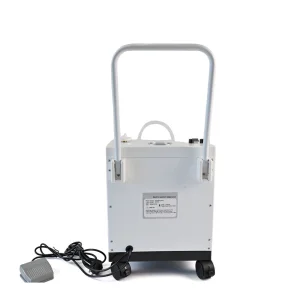
Portable Medical Vacuum Suction Apparatus
OEM Portable Medical Vacuum Suction Apparatus Sputum Aspirator Phlegm Suction Machine Manufacturer, Factories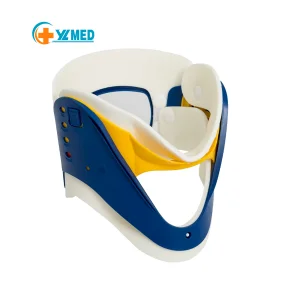
4-in-1 Emergency Cervical Collar
China 4-in-1 Emergency Cervical Collar – Adjustable Adult Neck Brace for First Aid, Outdoor Rescue, Camping & Hiking (1, 24 * 8”) Factory, Pricelist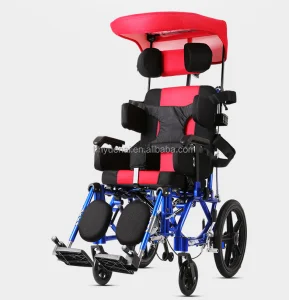
Children Aluminum Lightweight Wheelchair
OEM Cerebral Palsy Children Aluminum Lightweight Wheelchair Detachable Elevating Footrest Rehabilitation Therapy Supplies Manufacturers, Factories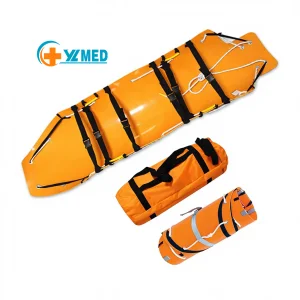
Portable Folding Stretcher, Aluminum Alloy
China Portable Folding Stretcher Aluminum Alloy Lightweight Foldable Design for Emergency Rescue and Ambulance Patient Transfer CE/ISO Manufacturer, Quotes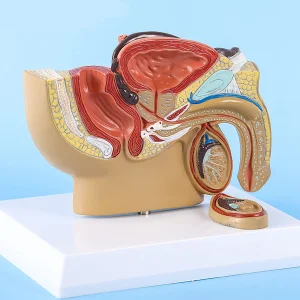
Zoology, Botany and Microbiology Slide Sets
China Wooden or plastic box sets common zoology, botany, microscopes, microbiology, preparing slides for medical education Factory, Factories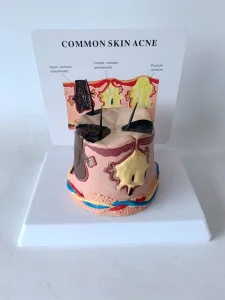
Anatomical Human Structure Skin Model
Wholesale Best Selling Anatomical Human Structure Skin Model for Teaching Model Quotes, Service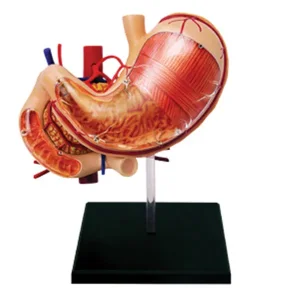
Human Stomach Organ Anatomical Model
ODM Medical teaching model DIY popular science educational equipment human stomach organ anatomical model Manufacturer, Service