
Factory-direct medical teaching and training references
This first product block gives buyers eight concrete reference items from Henan Yulin Edu. Project Co., Ltd. — a manufacturer established in 1958, ISO 9001 certified since 2008, and based in Xinxiang, Henan, China. Each product image and product URL below is preserved for comparison, catalog review and quote requests.
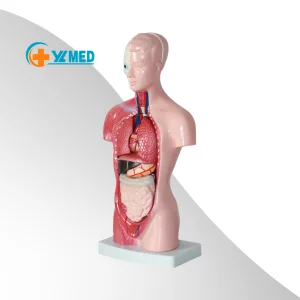
China Human body 28cm medical trunk model Anatomy doll 15 detachable parts Education organs Teaching learning class student model Factories, Service
View product & quote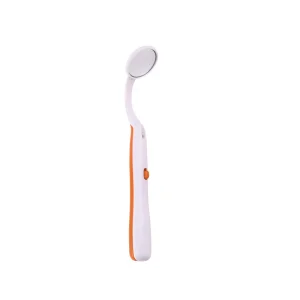
China Hospital LED dental surgery scope Manufacturers, Factory
View product & quote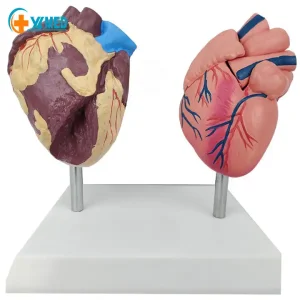
ODM Human Anatomy Heart Model 2parts PVC teaching models Heart health and sick compare heart model Factory, Pricelist
View product & quote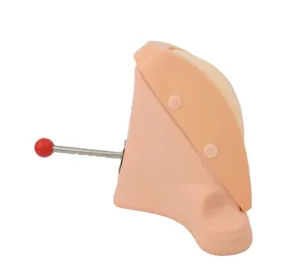
Wholesale Factory Supply High Quality and Best Price Episiotomy Incision and Suture Skills Training and Teaching Models Medical Science Manufacturers, Pricelist
View product & quote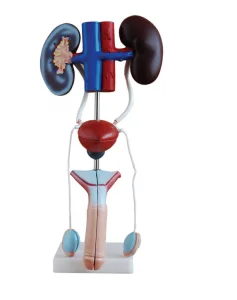
China An anatomical model of the male urogenital system Manufacturers, Factories
View product & quote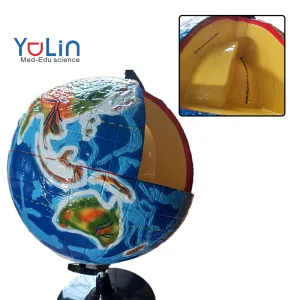
ODM Tectonico Placa Terrestre Modelo Globo Educativo Globo Tierra De Plastico Geographical Earth Internal Structure Globe Model Pricelist, Quotes
View product & quote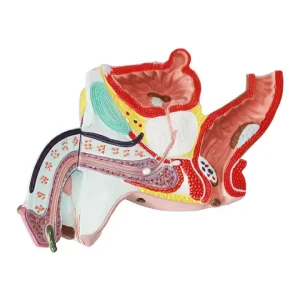
China Medical teaching students physiological learning model advanced male reproductive organs teaching model Manufacturers, Factory
View product & quote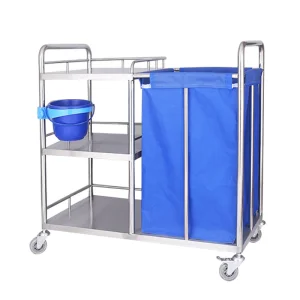
OEM Modern Stainless Steel Medical Trolley Mobile Hospital Furniture for Waste Collection and Commercial Use Factories, Quotes
View product & quoteBuyer tip: compare product scope, spare parts, packaging, documentation and lead time before comparing unit price. A low unit price with weak local support is usually the most expensive quote over a three-year training cycle.
What wholesale CPR training dummy buyers are really asking for
The search phrase “Wholesale Cpr And First Aid Training Dummy Factories & Quotes” is not a consumer query. It combines three commercial intents: wholesale volume, factory qualification and quote comparison. A distributor typing this phrase wants evidence of production control, MOQ logic, product realism, documentation, packaging capability, lead-time reliability and after-sales support.
That distinction matters for SEO and for procurement. A page that only lists products satisfies surface-level intent, but it does not answer the deeper questions that decide whether a buyer sends an RFQ. The stronger content strategy is to explain how a factory proves capability, how quotes should be normalized, how local training scenarios change specifications, and how compliance documentation is handled without overclaiming regulatory approval.
Henan Yulin Edu. Project Co., Ltd. — trading as Yulin Medical — is a useful reference point for this discussion. The company was founded in 1958, has been ISO 9001 certified since 2008, operates from Xinxiang, Henan, China, and reports more than 200 professional staff with registered capital of RMB 120 million. Its product scope covers 10 product lines, including anatomy models, medical nursing models, CPR and first aid training equipment, skeleton models, suture pads, dental tools, hospital furniture and biology prepared slides. For overseas buyers, that breadth matters because mixed-category orders can be consolidated with one point of contact.
From keyword to procurement specification
Semantic search rewards pages that satisfy the whole decision journey. For this category, the intent map moves from “what is a training dummy?” to “which factory can supply a repeatable, locally suitable training programme?”
Factory verification
Buyers look for factory history, ownership, staff size, production lines, quality-management certification, inspection process and export experience. Claims should be specific and verifiable, not decorative badges.
Quote normalization
A useful quote separates unit price, MOQ, tooling, packaging, consumables, spare parts, freight, warranty and documentation. Without normalization, the cheapest quotation can hide the highest total cost of ownership.
Training outcome evidence
Instructors care about compression depth feedback, rate feedback, ventilation volume, airway realism, AED trainer integration and durability under repeated class use. These features must match the learner group and course level.
Localization and compliance
Language, local resuscitation guidelines, climate, storage conditions, spare-parts availability and tender documentation often decide whether a technically good product is actually usable in-market.
Information gain is created when a supplier explains the trade-offs behind a quote — not when it repeats “high quality, best price” without evidence.
One training dummy does not fit every market
Localization is not only translation. It includes learner age, course protocol, instructor ratio, storage environment, cleaning routine, replacement consumables, service distance and the evidence required by local buyers.
Schools and community CPR drives
High-turnover classes need lightweight torsos, low-cost face shields, simple cleaning routines and feedback that is easy for non-clinical instructors to explain. Local-language labels and durable carry bags improve programme efficiency.
Hospitals and EMS teams
Advanced teams need adult, child and neonatal configurations, airway management realism, AED trainer integration and team-based scenarios. Materials must withstand repeated disinfection and heavy weekly use.
Universities and nursing colleges
Simulation labs often prefer modular manikins, replaceable parts, assessment feedback and curriculum alignment. Procurement teams also need consistent batches so that skills assessment remains comparable across student cohorts.
Workplaces and industrial sites
Factories, mines, utilities and construction sites need first aid training that reflects remote response, AED availability, burns, trauma and evacuation. Rugged packaging and simple refresher kits reduce programme downtime.
Elderly care and home care
Caregivers need choking response, fall management, CPR fundamentals and gentle compression feedback. Manikins should be easy to move, clean and store in smaller care homes or mobile training units.
Retail, hospitality and public access AED
Public-facing programmes often run short refresher sessions. Lightweight trainers, clear AED trainer prompts and low consumable costs matter more than advanced clinical features that the learner group will never use.
Government, NGO and tender programmes
Tenders require predictable specifications, batch documentation, packaging marks, spare-parts lists and train-the-trainer support. Suppliers should provide product-specific documents on request for tender and import registration workflows.
Remote and low-resource settings
Where power, internet and service access are limited, non-electronic models, repair kits and simplified logistics can outperform advanced feedback devices. The correct specification is the one the local team can sustain.
From realistic torso to measurable training system
The next generation of CPR and first aid training dummies will be judged less as passive models and more as measurement instruments that help instructors improve learner performance. The roadmap below is a buyer-facing framework for evaluating future supplier claims.
Sensor-rich feedback
Compression depth, rate, recoil and ventilation volume should be measurable, visible and consistent across units. Future buyers will ask for calibration evidence, not only a feature list.
Connected learning records
Bluetooth, mobile apps and instructor dashboards can reduce manual scoring. The serious question is data ownership, privacy, software licensing and long-term compatibility.
AI-assisted coaching
Computer vision and AI feedback may help large classes, but claims must be validated against current resuscitation standards. AI should support instructors, not replace protocol-based assessment.
Modular and sustainable design
Replaceable lungs, faces, springs and electronic modules improve lifecycle value. Recyclable materials and lower packaging waste will become more important in public tenders.
Hybrid scenario realism
First aid training increasingly combines CPR with AED use, choking, bleeding control and team communication. Modular scenario kits will create more value than a single static manikin.
For future procurement, ask four questions: Is the feedback independently verifiable? Can the device be repaired locally? Is the software usable without a subscription trap? Does the supplier provide clear documentation for the claimed standard?
Why factory clusters still matter in a “de-risking” market
The competitive advantage of Chinese medical training equipment factories is not simply cost. It is the co-location of moulds, plastics, silicone or PVC processing, electronics, metal fabrication, printing, packaging, inspection and export consolidation within a mature supplier cluster.
Integrated manufacturing cluster
Xinxiang and the wider Henan industrial base support the practical inputs behind anatomy models, CPR manikins, hospital furniture and teaching aids. Shorter distances between tooling, components and assembly reduce coordination friction.
Mixed-category consolidation
A distributor may need CPR trainers, anatomy models, suture pads, dental equipment and hospital furniture in one order. A manufacturer with 10 product lines can consolidate categories, reduce supplier management load and simplify shipping.
ISO 9001 process control
ISO 9001 certification since 2008 gives buyers a framework for incoming materials, production checks, final inspection and corrective action. It is not a product approval, but it is a useful quality-management signal.
Export packaging and lead-time planning
Protective export packing, private-label design, mixed SKU planning and proactive communication are as important as production capacity. Predictable lead times protect distributor stock and tender delivery commitments.
Supply-chain resilience should be tested with real buyer scenarios: a repeat order with altered packaging, a tender requiring documentation, a mixed-category shipment, and a spare-parts request twelve months later.
Demand is rising, but requirements are diverging
Across markets, demand is driven by workplace safety rules, healthcare workforce training, public-access defibrillation, school programmes, insurance requirements and an ageing population. The commercial opportunity is global; the specification is local.
North America
Training providers and distributors often expect AHA-aligned course materials, instructor-friendly feedback, strong after-sales support and clear replacement-part availability. Workplace safety and community programmes sustain steady volume.
Europe
Buyers typically require local-language documentation, careful claims, sustainability considerations and alignment with local resuscitation council practice. Tender teams pay close attention to traceability and packaging waste.
Middle East
Hospital expansion, workforce training and public safety investment create demand for durable training equipment. High-temperature storage, dust resistance and reliable spare-parts logistics can affect product selection.
Asia-Pacific
Large school programmes, factory safety training and healthcare growth create volume opportunities. Buyers often balance price-performance, local service and the ability to customize packaging or language.
Africa and Latin America
NGO, government and private training providers often prioritize durability, basic-model reliability, repair kits and transparent logistics. Simpler products can be more sustainable when service access is limited.
Documentation, language and service are part of the product
For B2B buyers, compliance is not a badge on a website. It is a pack of documents, labels, instructions, declarations and service commitments that must match the destination market and the procurement process.
Documentation pack
ISO 9001 certification has been held since 2008. Product-specific documentation can be provided on request for tenders and import registration. Buyers should verify the standard and approval route required in their own country.
Language and local protocols
Private-label packaging, instruction languages and local training protocols can be discussed during quotation. Suppliers should never imply that a generic manual replaces local resuscitation guidance.
Spare parts and service
Face shields, lungs, airway components, springs, electronics and repair guides should be quoted with the initial order. A spare-parts list is often more valuable than a vague warranty promise.
Tender and traceability support
Batch records, packing marks, inspection photos, product labels and consolidated shipping documents help distributors respond to tenders and import queries with fewer delays.
Compliance caution: ISO 9001 is a quality-management system certification, not a substitute for destination-market product approval. Ask every supplier for documents, not slogans.
How to compare CPR training dummy quotes properly
A factory quote should be comparable across suppliers. Without a common structure, buyers compare a headline price against a landed programme cost and make avoidable decisions.
Scope and MOQ
Confirm what is included: manikin, face shields, lungs, carry bag, AED trainer, feedback module, manual and packaging. Check MOQ tiers and private-label thresholds.
Feedback and consumables
Ask how compression depth, rate and ventilation are indicated, and calculate consumable cost per learner. A durable consumable strategy can matter more than the first order price.
Landed cost
Add freight, insurance, duties, port charges, inland delivery and packaging volume. Product dimensions and carton efficiency directly affect the landed cost of wholesale training equipment.
Compliance and tender fit
Request the documents needed by your market and tender. Verify labels, warnings, language, traceability and whether the supplier can support repeat orders with consistent specifications.
Lead time and after-sales
Ask for production lead time, inspection milestones, warranty terms, spare-parts lead time and the named contact responsible for after-sales. Response speed is part of supply reliability.
Illustrative evaluation model only. Adjust the weighting to your market, tender rules and training programme. The point is to compare quotes on the same evidence base.
Six decades, ten product lines, one accountable supplier
For overseas buyers, a long history is only useful when it is connected to current capability. Yulin Medical’s profile combines manufacturing heritage, a documented quality system and broad category coverage for distributors, schools and hospitals.
Henan Yulin Edu. Project Co., Ltd.
Founded in 1958, Henan Yulin Edu. Project Co., Ltd. has grown into an educational and medical equipment manufacturer that integrates research, production and sales. The company operates from No. 8, Daoqing Road, Industry Park, Hongqi District, Xinxiang, Henan, China, with more than 200 professional employees and registered capital of RMB 120 million.
Its quality management system has been ISO 9001 certified since 2008. The product scope includes anatomy models, biology prepared slides and accessories, dental tools and equipment, general teaching models, hospital furniture and equipment, hospital machines and tools, medical apparatus and instruments, medical nursing models, skeleton models and suture pads and kits.
The stated motto is simple: quality first, service first. For buyers, the practical translation is factory-direct supply, private-label packaging support, mixed-category order consolidation, export packing and a responsive export team. The company reports that its team is online 7 days a week and typically replies within 24 hours with catalogs, specifications and shipping options.
Direct factory channels
Factory base: No. 8, Daoqing Road, Industry Park, Hongqi District, Xinxiang, Henan, China
Phone: 0086-13503800666
Email: [email protected]
Best for: distributors, medical universities, nursing colleges, hospitals, training centres, tender buyers and private-label programmes.
24/7 responsive service
The export team is online 24 hours a day, 7 days a week, with detailed answers typically provided within 24 hours across time zones.
Design and packaging team
In-house specialists support professional product presentation and private-label packaging to strengthen distributor brands and improve resale value.
Professional expertise
Decades of category knowledge, ISO 9001 process control and a broad product portfolio support one-stop sourcing for education and clinical training.
60+ years of supply stability
A long factory history and a deeply integrated partner supply chain help meet one-stop demands and keep repeat-order lead times predictable.
One accountable manufacturer for mixed sourcing
These category links belong to the original product architecture and help buyers navigate from this CPR and first aid training dummy guide into adjacent medical education and hospital equipment categories.
A transparent five-step process for overseas buyers
From first conversation to delivery, every stage should have a named contact and clear documentation so that stock planning, tenders and training schedules can be managed with confidence.
Share requirements
Send product types, quantities, target market, learner group and any tender or certification needs.
Catalog and proposal
Receive matched models, specifications, packaging options and shipping suggestions.
Sample evaluation
Test samples with your instructors or clinicians before confirming bulk production.
Production and QC
Manufacturing and inspection follow the ISO 9001 quality-management system.
Export and support
Protective export packing, delivery coordination and responsive after-sales service.
From the factory floor to the training room
Experienced buyers value information that helps them use products better after delivery. These short insights reflect the kind of practical guidance that supports distributor training and end-user confidence.
Do you really know how to observe biological prepared slides?
Proper handling, focusing and storage help students see clearer cell structures and extend the life of slide sets. Practical guidance is a useful value-add for distributors selling into biology laboratories.
Henan Provincial Educational Equipment Expo
Education equipment events show how digital tools, simulation models and lab equipment are converging. Buyers can use such events to compare product realism, packaging and supplier responsiveness.
Inside the product showroom
Factory visits let buyers inspect anatomy models, training manikins and hospital equipment in person. For remote buyers, detailed photos, specification sheets and sample evaluation remain essential.
Need a buyer guide, product comparison or tender checklist? Read more sourcing insights and practical articles in the Yulin Medical blog.
Visit hot blogFrequently asked questions from importers
Direct answers to the questions procurement managers ask most before placing a first order for CPR and first aid training dummies.
Is Yulin Medical a manufacturer or a trading company?
Yulin Medical is a manufacturer. Henan Yulin Edu. Project Co., Ltd. was founded in 1958 and operates its own factory in Xinxiang, Henan, China, with more than 200 professional staff. For one-stop orders, the company also coordinates a stable network of long-term partner factories.
What quality certification does Yulin Medical hold?
The quality management system has been ISO 9001 certified since 2008. Product-specific documentation can be provided on request to support tenders and import registration. Buyers should still confirm the exact regulatory route required in their destination market.
Do you support OEM, private label and custom packaging?
Yes. An in-house design team develops private-label packaging and product presentation for distributors, helping increase shelf appeal and resale value. Custom language, instruction and packaging requirements should be discussed at quotation stage.
How do I choose the right CPR training manikin?
Start with the learner group: adult, child or neonatal. Confirm that feedback covers compression depth, rate and ventilation; align the model with current local resuscitation guidelines; and decide whether AED trainer integration is required. For advanced life-support programmes, an ACLS simulator with embedded scenarios offers more assessment value than a basic torso.
How quickly will I receive a reply?
The export team is online 7 days a week and typically replies within 24 hours with catalogs, specifications and shipping options. For urgent tenders, include quantities, delivery deadline and document requirements in the first message.
How should I request a wholesale quote?
Send the product references, target quantity, destination country, learner group, packaging language, required documentation, delivery timeline and whether you need private label. A structured RFQ produces a more comparable quote and reduces back-and-forth clarification.
Need specifications, a price list or a tender package?
Tell us your target market, quantities, learner group and certification requirements. Product specialists can recommend suitable models, share detailed specifications and propose an economical shipping plan for your order.
Direct export channels
Email: [email protected] · Phone: 0086-13503800666
Factory profile: Henan Yulin Edu. Project Co., Ltd., No. 8, Daoqing Road, Industry Park, Hongqi District, Xinxiang, Henan, China. Established 1958. ISO 9001 certified since 2008.
Eight more factory references for wholesale buyers
The second product block completes the set of original product references. Use these images and product URLs to compare specifications, request quotations or build a mixed-category sourcing list with anatomy, dental, rehabilitation and teaching models.
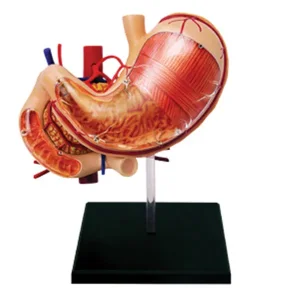
ODM Medical teaching model DIY popular science educational equipment human stomach organ anatomical model Manufacturer, Service
View product & quote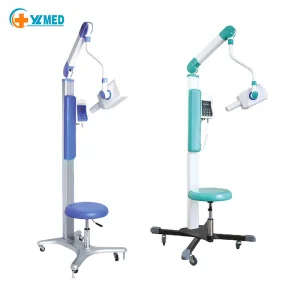
ODM Dental mobile X-ray machine dental radiography machine dental equipment Magnolia officinalis vertical X-ray machine Manufacturers, Factories
View product & quote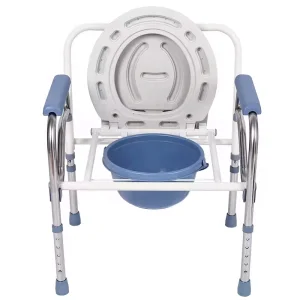
ODM High Quality Elderly Disabled Mobile Toilet Commode Chair Folding Stainless Steel 120kg Capacity Rehabilitation Therapy Supplies Manufacturers, Pricelist
View product & quote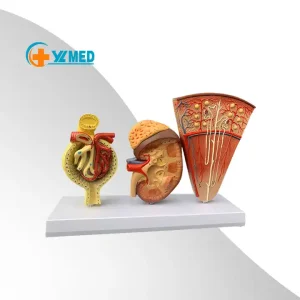
ODM Medical nephron glomerulus enlarged kidney anatomy Human kidney model urinary system endocrine analysis Medical model Pricelist, Service
View product & quote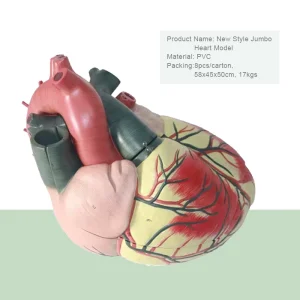
OEM Medical science Advanced Medical Supplies Human Teaching resources educational Heart Anatomical Model For Medical School Factories, Pricelist
View product & quote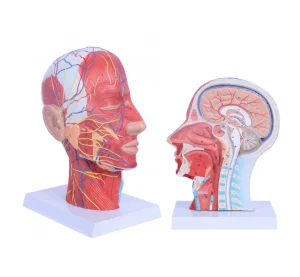
Wholesale Brain Model Human Half Head Superficial Neurovascular Model with Musculature, Life Size Anatomical Head Model Skull and Brain for Medical Teaching Learning Manufacturers, Quotes
View product & quote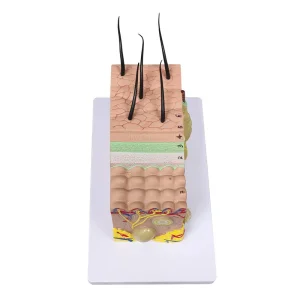
China 35X enlarged human anatomical skin model Manufacturers, Pricelist
View product & quote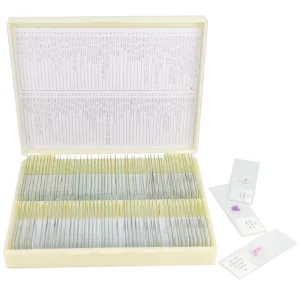
ODM Medical science human pathology microscope prepared slides for teaching and learning Manufacturer, Service
View product & quoteAll original product images and product URLs from the supplied content are retained in the two product blocks above. For a consolidated quotation, send the selected references, destination country, expected quantities and required documentation to [email protected].