
Wholesale Cardiac Pacemaker Manufacturer & Pricelist
A white-paper level procurement guide for distributors, hospitals, electrophysiology labs and simulation centres comparing cardiac pacemaker supply chains, pricelist variables and complementary medical education equipment.
8 Source-Verified Medical Education & Hospital Products
The product cards below retain their original images and destination URLs. They are not implantable cardiac pacemakers; they are the original Yulin Medical education, diagnostic, rehabilitation and hospital equipment range that supports pacing programmes, clinical training and hospital procurement alongside pacemaker sourcing.
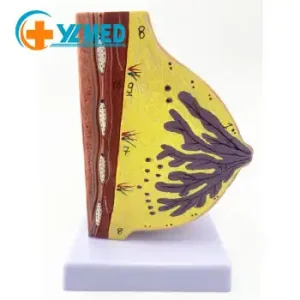
China Medical training model Female breast care anatomical half milk anatomical model lactation and rest half milk model Pricelist, Quotes
Anatomy and lactation model for maternal-care teaching, patient education and distributor showroom demonstrations.
View Product & Request Pricelist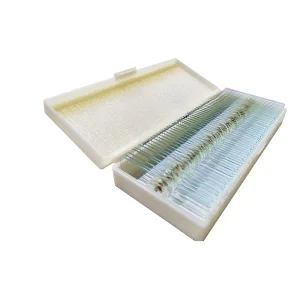
OEM 100 Kinds medical science microscope human tissue prepared slides human histology slides for Education Teaching Lab Supplies Manufacturer, Factories
Histology slide set for biology labs, medical schools and education equipment tenders.
View Product & Request Pricelist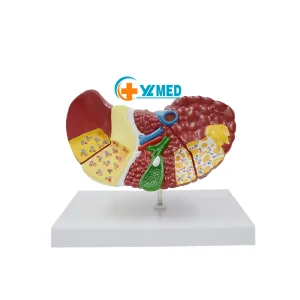
ODM Medical science experiment liver anatomy model with base doctor-patient communication model, human physical model Factory, Pricelist
Liver anatomy model with base for doctor-patient communication and classroom demonstration.
View Product & Request Pricelist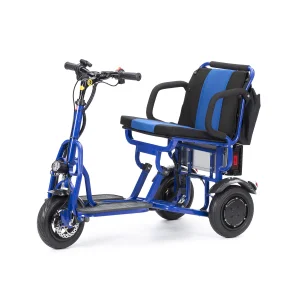
OEM Stacked Foldable 3 Wheels Electric Mobility Scooter for Elderly and Disabled Manufacturers, Service
Foldable mobility scooter for elderly and disabled users; wholesale OEM service available.
View Product & Request Pricelist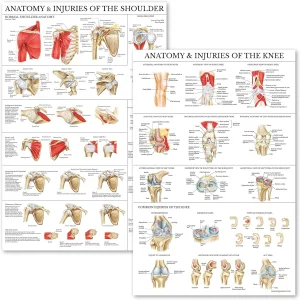
Wholesale Palace Learning 2 Pack - Anatomy and Injuries of The Knee & Shoulder Poster Set - Anatomical Chart Set - Laminated Manufacturers, Factory
Laminated knee and shoulder anatomy poster set for clinics, schools and rehabilitation centres.
View Product & Request Pricelist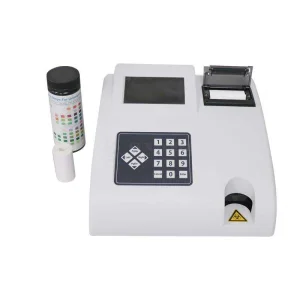
Wholesale Clinical Whole LCD Display Blood Serium Urine Laboratory Clinic Urine Analysis Medical Equipment Chemistry Analyzer Factories, Quotes
Clinical urine analyzer with LCD display for laboratory and clinic workflows.
View Product & Request Pricelist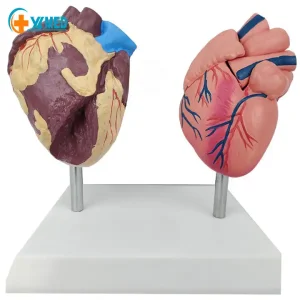
ODM Human Anatomy Heart Model 2parts PVC teaching models Heart health and sick compare heart model Factory, Pricelist
Two-part heart model comparing healthy and diseased anatomy for cardiology education.
View Product & Request Pricelist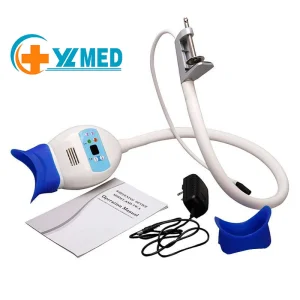
China cold light whitening instrument LED blue card in the column clamp table whitening lamp cosmetic dental beauty instrument Manufacturer, Quotes
LED cold-light whitening instrument for dental and beauty clinics.
View Product & Request PricelistWhat Wholesale Pacemaker Buyers Must Verify Before Comparing Price Lists
Cardiac pacemakers sit at the highest end of medical-device risk. A wholesale price list is not a commodity catalogue; it is a commercial and regulatory snapshot that must be read together with product registration, lead configuration, MRI conditionality, programmer availability, warranty, cybersecurity and clinical support. Buyers who compare only unit price often discover hidden cost in registration delays, incompatible leads, missing programmers, service gaps or unusable stock after a product transition.
The purpose of this guide is to give distributors, hospitals and tender teams a structured way to evaluate a wholesale cardiac pacemaker manufacturer and pricelist while also sourcing the training and hospital equipment that supports safe adoption.
Regulatory Dossier First
Verify ISO 13485, CE MDR status, FDA approval or clearance where applicable, local registration and post-market surveillance. A pricelist without a legal registration pathway is not a reliable procurement document.
Clinical Configuration & Compatibility
Check pacing mode, lead compatibility, MRI conditional labelling, battery longevity, telemetry, remote monitoring and programmer part numbers. A generator quotation without leads and programmer access is incomplete.
Total Cost of Ownership
Compare device, lead, programmer, training, service contract, replacement interval and software support. A lower generator price can be outweighed by long-term programmer licences and limited service coverage.
Supply Resilience & Traceability
Use Factory 4.0 evidence: batch records, serialisation, automated inspection, change notification and recall procedures. Dual-source critical accessories and agree buffer stock for tenders.
Scope, editorial transparency and E-E-A-T note: The product cards on this page are from Yulin Medical’s original medical education and hospital equipment portfolio. They are not implantable cardiac pacemakers. For pacemaker tenders, buyers must verify ISO 13485, CE MDR, FDA approval or clearance where applicable, and local registration. The same due-diligence principles apply to both implantable devices and supporting clinical equipment.
Cardiac Pacemaker Industry Trends Reshaping Wholesale Demand in 2025
Six shifts are changing what wholesale buyers put into a pacemaker RFQ and pricelist comparison. These trends matter to distributors because they influence stock mix, training, service contracts and local registration workload.
Leadless and Miniaturised Systems
Leadless pacemakers and smaller transcatheter platforms change inventory planning because they can reduce lead-related complications but require new deployment kits, training and reimbursement checks. Distributors should separate generator and lead SKUs in demand forecasting.
MRI-Conditional Compatibility
MRI conditional labelling is now a core sales question. A wholesale quotation should state scan conditions, eligible lead combinations, patient monitoring requirements and the exact conditions attached to the certification.
Remote Monitoring and Digital Workflows
Remote monitoring reduces follow-up burden but raises interoperability questions. Buyers need cybersecurity documentation, data residency clarity, clinician portal training and integration with hospital EHR systems where possible.
Battery Longevity and Sustainable Procurement
Longer battery life and improved energy management influence total cost. Procurement scorecards should compare expected replacement intervals, software upgrade policy and end-of-life notification.
Cybersecurity and Software Lifecycle
Pacemaker systems are connected medical devices. A manufacturer pricelist should disclose security update cadence, vulnerability response, end-of-support dates and secure programmer servicing arrangements.
Localised Manufacturing and Tender Compliance
Emerging markets increasingly require local registration, local service presence, language support and training. A China Factory 4.0 supplier can combine scale with documentation, but local regulatory partners remain essential.
Information gain for buyers: ask for a pacemaker pricelist data sheet that includes regulatory jurisdiction, device family, lead compatibility, MRI status, programmer part number, warranty, battery estimate, cybersecurity statement and training package. This single document makes side-by-side comparison faster and reduces post-award disputes.
Global Procurement Demand: How Hospitals and Distributors Are Buying in 2025
Demand is driven by ageing populations, expanded access to cardiac rhythm management, replacement procedures and the rise of same-day diagnostics. Purchasing behaviour, however, differs sharply by market and buyer type.
Public Tenders and Framework Agreements
Tenders require dossier completeness, local registration, delivery schedules, service level agreements and training. Price is only one scoring line; clinical support and spare parts availability often decide the award.
Distributor-Led Emerging Markets
Distributors need mixed-category shipments, private label, spare parts and marketing content. They value a supplier that can consolidate pacemaker accessories with hospital equipment and training models.
Hospital Replacement and Upgrade Cycles
Replacement purchases are triggered by battery depletion, recalls, software upgrades and new MRI labelling. Hospitals need guaranteed exchange stock, transparent service pricing and clear end-of-support dates.
Simulation and Clinician Training Demand
As new pacemaker models enter a market, hospitals invest in EP lab training, CPR refresher courses, anatomy demonstration and patient education. This creates parallel demand for heart models, CPR manikins, prepared slides and hospital equipment.
China Factory 4.0: Supply Chain Resilience and Efficiency Advantages
China’s medical-device supply chain is no longer just a low-cost manufacturing base. Key clusters combine mould making, precision injection, electronics, packaging, sterilisation services and export logistics. Factory 4.0 practices — ERP/MES integration, automated inspection, digital batch records, laser marking and rapid tooling — improve consistency and shorten changeover for OEM and private-label orders.
For overseas buyers, the practical advantages are faster sampling, better documentation and more predictable lead times. Yulin Medical, the publisher of this guide, operates an ISO 9001 system certified since 2008, with more than 200 professional staff, RMB 120 million registered capital and 10 product lines. That operating base supports mixed-category consolidation, private-label packaging and export documentation for distributors and institutions.
Traceability and Documentation
Digital batch records, inspection reports and serial tracking reduce audit risk. Buyers should request sample documentation before placing tender stock orders.
Automated Precision and QC
Automated injection moulding, laser marking and digital inspection improve cosmetic consistency and dimensional accuracy across repeat orders.
Flexible OEM and Private Label
Custom packaging, manuals, product data and brand presentation help distributors increase shelf appeal and resale value without managing multiple factories.
Export Consolidation and Response
One container can combine anatomy models, prepared slides, mobility aids, diagnostic equipment and hospital furniture, reducing freight complexity and supplier management load.
Global Commercial and Industrial Status: A High-Barrier Market with Consolidation Pressure
Implantable pacemaker manufacturing is concentrated among a small number of global medtech groups because the barriers are high: long clinical trials, post-market surveillance, sterilisation validation, software lifecycle management and global regulatory affairs. In contrast, the downstream market is fragmented across distributors, service partners, hospital groups and training providers.
This creates an opportunity for specialised suppliers that can provide documentation, clinical education and mixed-category logistics, but it also raises the risk of counterfeit or unapproved products. Buyers should treat a manufacturer pricelist as a legal and clinical document, not a promotional PDF.
High R&D Intensity
Pacemaker platforms require long-cycle investment in electronics, battery chemistry, leads and clinical evidence. Buyers should expect detailed technical files rather than generic catalogue claims.
Regulatory Consolidation
Global approval pathways are tightening. A supplier that cannot show local registration milestones and post-market reporting capability should not be shortlisted for hospital tenders.
Service Network Differentiation
Programmer availability, clinical training, repair turnaround and remote technical support often determine whether a distributor can win repeat orders.
Price Transparency Pressure
Hospitals are demanding clearer total-cost comparisons. Pricelists that separate device, lead, service, training and warranty costs are easier to evaluate and less likely to create post-award disputes.
Localised Application Scenarios: Where Pacemaker Supply and Medical Education Intersect
Pacemaker procurement does not happen in isolation. Hospitals, distributors and training centres need supporting products for clinician education, patient communication, diagnostics and rehabilitation.
Cardiology and EP Labs
Device checks, remote monitoring, MRI workflows and staff training. Heart models and patient-education materials support informed consent and shared decision-making.
Medical Universities and Simulation Centres
Heart models, CPR manikins, prepared histology slides and torso models create hands-on training for students, residents and nursing teams.
Hospital Procurement and Tenders
Bundle training equipment, diagnostic analysers, hospital furniture and rehabilitation aids into a single procurement programme with clear documentation.
Emergency and First-Aid Training
CPR and AED training equipment, emergency splints and patient-transfer devices support first-response teams and community programmes.
Veterinary and Comparative Anatomy
Cat and canine anatomy models, pathology models and prepared slides support veterinary schools, research labs and science education.
Dental, Beauty and Outpatient Clinics
Cold-light whitening instruments, examination beds and clinic equipment support private clinics seeking reliable wholesale supply.
Wholesale Pricelist and RFQ Playbook: Compare Offers Without Hidden Risk
A pacemaker pricelist is not a single number. It is a structured package of device, accessories, service, training and regulatory commitments. Use the following playbook to compare offers consistently.
Step 1: Define Clinical and Regulatory Scope
State the target country, hospital tier, procedure volume, pacing indications, MRI requirements and local registration status. This prevents suppliers from quoting devices that cannot be legally imported or reimbursed.
Step 2: Separate Device, Lead, Programmer and Service Costs
Ask for a line-item pricelist that separates generator, lead, programmer, software licence, training, warranty, spare parts and service contract. Bundled prices are harder to compare and can hide renewal costs.
Step 3: Validate Supply Chain and Traceability
Request batch records, serialisation policy, recall procedure, change-notification process and buffer-stock commitment. For supporting medical education products, verify that images, specifications and packaging match the quotation.
Step 4: Lock Commercial Terms
Confirm MOQ, lead time, Incoterms, quote validity, payment terms and packaging. A clear quotation reduces delays at customs, tender clarification and hospital acceptance.
RFQ and Pricelist Checklist
- Manufacturer registration, ISO 13485, ISO 9001 and applicable local licences
- CE MDR, FDA approval or clearance and local registration status
- Model, lead and programmer part numbers with compatibility matrix
- MRI conditionality, battery estimate, warranty and expected replacement interval
- Cybersecurity statement, software update cadence and end-of-support date
- MOQ, lead time, Incoterms, quote validity and payment terms
- Packaging, labels, language, sterilisation and shelf-life information
- Training, service, spare parts, complaint handling and recall procedure
Publisher information: Henan Yulin Edu. Project Co., Ltd. has been manufacturing medical education and hospital equipment since 1958 and has held ISO 9001 certification since 2008. Address: No. 8, Daoqing Road, Industry Park, Hongqi District, Xinxiang, Henan, China. Email: [email protected]. Phone: 0086-13503800666.
Frequently Asked Questions: Wholesale Cardiac Pacemaker & Medical Equipment Sourcing
Straight answers for distributors, hospitals and procurement teams evaluating price lists, manufacturers and supporting clinical equipment.
QIs Yulin Medical a manufacturer or a trading company?
Yulin Medical is a manufacturer. Henan Yulin Edu. Project Co., Ltd. was founded in 1958 and operates its own factory in Xinxiang, Henan, China, with more than 200 professional staff, registered capital of RMB 120 million and ISO 9001 certification since 2008. For one-stop orders, the company also coordinates a stable network of long-term partner factories.
QDoes Yulin Medical manufacture implantable cardiac pacemakers?
No. The product portfolio shown on this page is medical education and hospital equipment, not implantable pacemakers. For implantable pacemaker sourcing, buyers should verify ISO 13485, CE MDR, FDA approval or clearance where applicable and local registration. This guide is published to help buyers apply the same rigorous due-diligence framework to pacemaker supply chains and supporting medical equipment.
QWhat should be included in a wholesale cardiac pacemaker pricelist?
A useful pricelist should include the device family, model and part number, lead compatibility, MRI conditionality, programmer availability, battery estimate, warranty, software support, training package, spare parts, MOQ, lead time, Incoterms, quote validity and local registration status. It should also state whether service and cybersecurity updates are included or priced separately.
QWhich certifications matter for cardiac pacemaker manufacturers?
For implantable pacemakers, verify ISO 13485, CE MDR status, FDA approval or clearance where applicable, local registration and post-market surveillance. Supporting standards often include ISO 14971 for risk management and IEC 62304 for medical device software. For medical education and hospital equipment, ISO 9001 is a baseline quality signal, with product-specific documentation provided on request.
QHow can distributors reduce supply-chain risk?
Use dual sourcing for critical accessories, agree buffer stock for tender periods, confirm registration milestones, train service engineers early and require written change-notification procedures. For mixed orders, consolidate medical education products and hospital equipment with one accountable supplier to reduce freight and communication risk.
QDo you support OEM, private label and custom packaging?
Yes. The in-house design team develops private-label packaging and product presentation for distributors. OEM support can include packaging, manuals, product data and brand presentation to increase shelf appeal and resale value in your market.
QHow quickly will I receive a reply and quotation?
The export team is online 7 days a week and typically replies within 24 hours with catalogues, specifications, shipping options and pricelist details. For tender programmes, provide target market, quantities, delivery schedule and certification requirements so the reply can address the full RFQ.
QCan the shown products support pacemaker training and hospital programmes?
Yes. Heart models, CPR and nursing manikins, prepared histology slides, anatomy torsos, diagnostic analysers, hospital furniture and rehabilitation aids can support clinician training, patient education and hospital procurement. They are complementary to pacemaker programmes, not substitutes for implantable cardiac devices.
8 More Wholesale Medical Education & Hospital Products
These eight additional products complete the original 16-item portfolio. Every image and product URL is retained; use the button on any card to request the current pricelist, MOQ, lead time and packaging options.
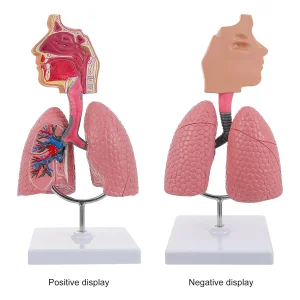
Wholesale Human Nasal Cavity Throat Anatomy Model Human Lung Model Respiratory System Lung Model Teaching Tool for Students Study Display Manufacturers, Factories
Nasal cavity, throat and lung model for respiratory-system teaching and student study display.
View Product & Request Pricelist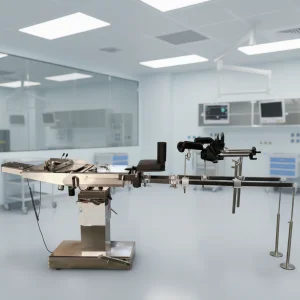
Wholesale Medical Equipment Stable Surgical-grade High-strength Ergonomic Stainless Steel Carbon-fiber Orthopedic Traction Device Manufacturers, Factory
Surgical-grade orthopedic traction device with stainless steel and carbon-fibre construction.
View Product & Request Pricelist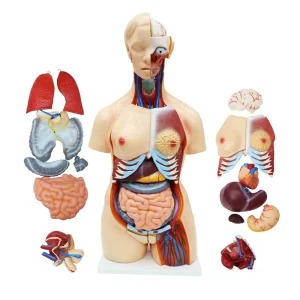
ODM Anatomical Medical Torso Model 23 Parts, 85cm Life Size Model with Removable Organs for Class, Students, Teaching Supplies Manufacturer, Manufacturers
23-part life-size torso model with removable organs for classroom teaching.
View Product & Request Pricelist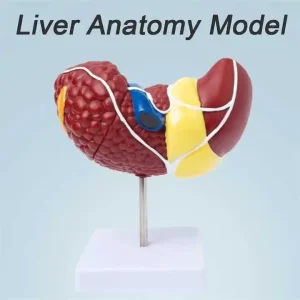
Wholesale Human Pathological Liver Model Anatomical Model Pathological Liver Features for Medical School Study and Research Factory, Pricelist
Pathological liver model for medical school study and research.
View Product & Request Pricelist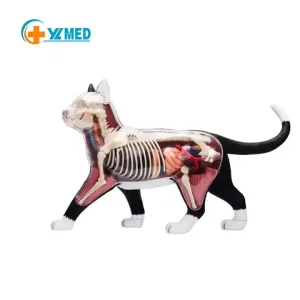
OEM Anatomical cat anatomy model for medical learning with prompt delivery medical science cat anatomy model for kids learning Factory, Quotes
Cat anatomy model for veterinary learning and science education with prompt delivery.
View Product & Request Pricelist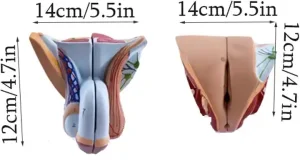
Wholesale Durable Educational Model Professional Version Male and Female Reproductive Structure Model Detachable Human Organ Anatomy Model Manufacturer, Factory
Male and female reproductive anatomy model with detachable organs for professional education.
View Product & Request Pricelist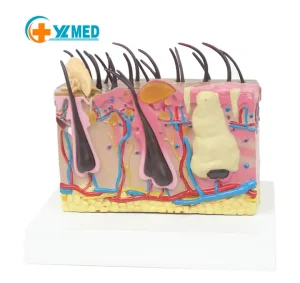
OEM Hot selling Animal skin anatomical model Canine skin insect bite pathological model for anatomy Manufacturers, Service
Canine skin and insect-bite pathology model for veterinary anatomy and teaching.
View Product & Request Pricelist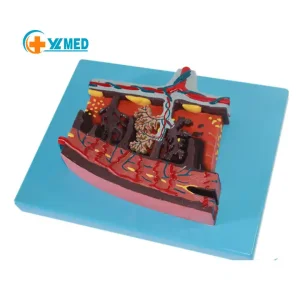
Wholesale exquisite workmanship Placental tissue Simulation model medical Pelvis Placenta Model Quotes, Service
Pelvis and placenta simulation model for obstetrics, midwifery and clinical training.
View Product & Request Pricelist