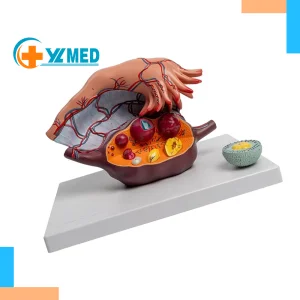
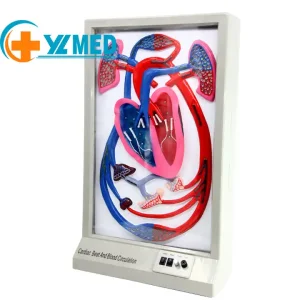
Featured Medical, Laboratory & Teaching Products for Wholesale Buyers
These products sit alongside blood centrifuge sourcing in the broader medical education, laboratory, and hospital equipment portfolio. Each image and product URL below is retained for direct buyer reference.
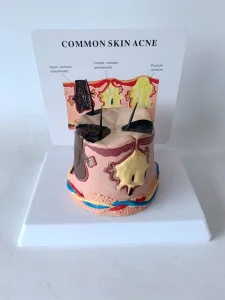
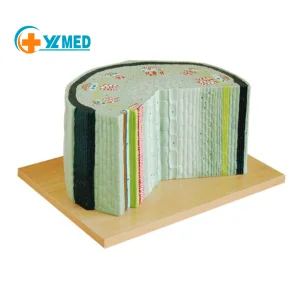
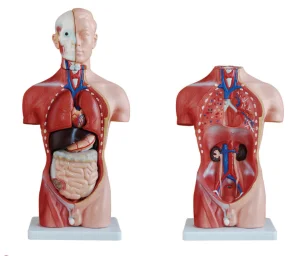
Wholesale Best Selling Anatomical Human Structure Skin Model for Teaching Model Quotes, Service

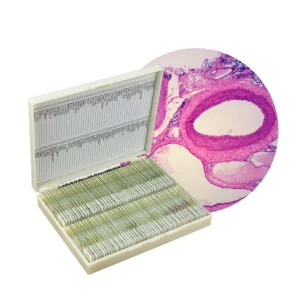
China Teaching advanced human histopathology slides wholesale, university standard, factory direct sales Factory, Service
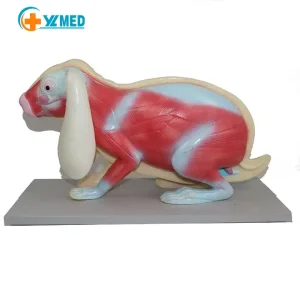
Wholesale Medical anatomy teaching advanced PVC rabbit model Rabbit anatomical model Factories, Quotes
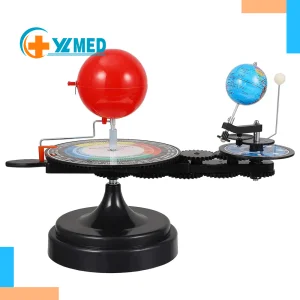
Wholesale Sun Earth Moon Orbital Model Kits Solar System Model Astronomical Science Educational Kits Solar System Model Kit Manufacturer, Quotes
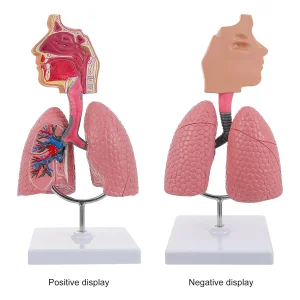
Wholesale Blood Centrifuge Pricelist & Service: What Serious Buyers Should Verify
Blood centrifugation is a small step in the laboratory workflow but a high-consequence one. A centrifuge that separates plasma poorly, drifts in temperature, or stops because of an unbalanced tube can invalidate a batch, delay a transfusion decision, or interrupt a PRP procedure. That is why the search for a wholesale blood centrifuge pricelist should not end with the lowest unit price. The better question is: what configuration, validation evidence, local service coverage, and lifecycle cost sit behind that number?
For distributors, the buying intent is usually commercial: landed cost, margin protection, catalog differentiation, spare-parts availability, and documentation that supports tender submission. For hospitals and blood banks, the intent is operational: repeatable separation, temperature stability, operator safety, traceability, and uptime. For PRP and regenerative-medicine clinics, the intent is protocol-driven: consistent platelet concentration, short cycle times, low noise, and simple staff training. A useful pricelist must answer all three intents without hiding the differences in rotor design, control electronics, refrigeration, and service level.
Henan Yulin Edu. Project Co., Ltd. has built educational and medical equipment in Xinxiang, Henan, China since 1958. Its ISO 9001 quality management system has been in place since 2008, and the company operates with more than 200 professional staff, RMB 120 million in registered capital, and ten product lines. That manufacturing background matters for wholesale centrifuge buyers because the same disciplines that govern anatomical models, nursing simulators, laboratory slides, and hospital equipment also govern documentation control, packaging, inspection, and repeat-order consistency.
- Configuration-based price list instead of a one-size-fits-all unit price
- Model-specific electrical, safety, and performance documents for tender review
- Localized voltage, plug, language, and operating manual requirements
- Service kits, rotor care guidance, and response commitments after shipment
Fast Buying Snapshot
Use these four numbers when you screen a wholesale supplier for laboratory centrifugation and related medical equipment.
How a Wholesale Blood Centrifuge Price List Is Built
Most of the price gap between apparently similar centrifuges comes from four engineering and commercial variables. A transparent supplier should explain each one before quoting.
Rotor, Capacity & Adapters
Fixed-angle versus swing-out rotors, tube sizes, sealed cups, aerosol containment, and the number of adapters all change both manufacturing cost and clinical usefulness.
Refrigeration & Temperature Control
Blood bank and clinical laboratories often require stable refrigerated operation. Compressor quality, insulation, airflow design, and temperature calibration are not cosmetic upgrades.
Safety & Control Electronics
Imbalance detection, lid interlock, overspeed protection, brushless motor control, error codes, and intuitive displays determine operator safety and daily reliability.
Compliance, Packing & Service
Voltage configuration, manuals, test records, export packing, spare-parts kits, training support, and warranty terms are part of the real delivered cost.
Localized Blood Centrifuge Application Scenarios
Centrifuge selection changes with the local clinical workflow, ambient environment, electrical infrastructure, and operator training model. The same product family may need different configurations in different markets.
Hospital Transfusion Medicine
Blood banks need repeatable separation of whole blood components, clear tube identification, and temperature control that supports traceability. Buyers should confirm rotor capacity, sealed accessories, and emergency service access.
Blood Donation & Mobile Collection
Mobile units often prioritize compact footprints, low noise, secure lid locks, and 12V or stable 220V/110V options. Packaging and transport protection matter as much as bench performance.
PRP & Regenerative Clinics
PRP workflows depend on protocol-specific spin times, rotor geometry, and consistent tube handling. Clinics should ask for procedure-based validation support rather than a generic laboratory brochure.
Diagnostic Laboratories
High-throughput labs value quick rotor exchange, clear error codes, low heat output, and compatibility with common tube sizes. Service kits and preventive maintenance reduce downtime.
Research, Teaching & Simulation
Medical universities and training centers may combine blood circulation simulators, anatomy models, prepared slides, and basic laboratory centrifuges in one procurement package to simplify tendering.
Veterinary & Field Laboratories
Veterinary clinics and field labs require rugged units, simple controls, and stable operation under variable power. Local plug, language, and manual requirements should be confirmed before production.
Technical Roadmap & Future Outlook for Blood Centrifuge Platforms
The next buying cycle will reward suppliers who can connect mechanical reliability with digital serviceability, energy efficiency, and local compliance support.
Smarter Rotor & Imbalance Protection
Rotor recognition, imbalance sensors, lid interlocks, overspeed protection, and brushless motor diagnostics become baseline expectations rather than premium features.
Connected Laboratory Workflow
USB and network data export, LIS/EMR-friendly logs, audit trails, and remote diagnostic support help distributors provide higher-value service contracts.
Efficient Refrigeration & Low Noise
Variable-speed compressors, improved insulation, natural-refrigerant evaluation, and lower heat output reduce energy cost and improve operator comfort.
Modular Service & Regional Autonomy
Modular subassemblies, regional spare-parts kits, and AI-assisted preventive-maintenance guidance will let local partners resolve more issues without returning units to the factory.
China Factory Supply Chain Resilience & Efficiency
China remains a deep manufacturing base for laboratory and medical equipment because component ecosystems, tooling capabilities, and export logistics are concentrated rather than fragmented. For wholesale buyers, however, the advantage is not simply “made in China.” The advantage is whether the factory can control change, trace critical parts, keep lead times predictable, and ship a complete configuration.
Yulin Medical operates from Xinxiang, Henan, at No. 8 Daoqing Road, Industry Park, Hongqi District. Founded in 1958 and ISO 9001 certified since 2008, the company combines long-term manufacturing experience with an in-house design and packaging team. Its registered capital is RMB 120 million, and its 200+ professional staff support more than ten product lines, from anatomy models and nursing simulators to biology prepared slides and hospital equipment. For distributors, this breadth creates a practical advantage: mixed-category orders can be consolidated, documented, and shipped with one point of contact.
- Modular production planning allows mixed-category orders to be consolidated for export
- Incoming-material inspection, assembly checks, final testing, and packing verification follow a documented quality path
- Private-label packaging and product presentation support distributor brand building
- Long-term partner-factory coordination helps meet one-stop tender requirements



Global Commercial & Industrial Status of Blood Centrifuge Sourcing
Demand is shifting from simple equipment replacement toward validated workflows, serviceability, and total cost of ownership. Buyers in different regions express that shift differently.
Blood Safety & Traceability
Hospitals and blood banks increasingly expect documented operating parameters, calibration evidence, and batch traceability. Suppliers that treat documents as an afterthought create tender risk.
Decentralized Diagnostics
Clinics, satellite laboratories, and mobile collection units need compact, rugged centrifuges with clear controls and low maintenance. Local voltage and plug options become decisive.
PRP & Regenerative Medicine
Growing interest in platelet-rich plasma supports demand for protocol-specific centrifugation. Buyers need rotor guidance, training material, and consistent tube compatibility.
Tenderization & TCO
Public tenders and group purchasing organizations compare total cost of ownership, not just unit price. Spare parts, warranty, training, and response time must be priced transparently.
Service Network Pressure
Distributors that can offer installation, preventive maintenance, and fast parts replacement protect their margin and customer relationships. Factory serviceability is a sales asset.
Sustainability & Efficiency
Lower energy use, quieter operation, and reduced heat load are becoming practical procurement criteria, especially where laboratories operate centrifuges continuously.
Localized Support & Compliance Assurance
A generic certificate is not a substitute for model-specific compliance. The correct approach is to map the exact model, intended use, destination market, and tender requirement before shipment.
Voltage, Plug & Frequency
Confirm 110V or 220V, 50Hz or 60Hz, plug type, fuse rating, and local electrical safety requirements before production. Labeling should match the delivered configuration.
Language & Manuals
English manuals are common, but tender buyers may require local-language quick guides, labels, and warning statements. These should be agreed before packaging.
Installation & Training
Remote guidance, video-based training, or distributor train-the-trainer programs can reduce installation risk. Rotor care and imbalance prevention should be part of handover.
Spare Parts & Service Kits
Ask for recommended spare parts, consumable adapters, rotor inspection guidance, and warranty terms. Serviceability should be checked before the first order, not after failure.
Regulatory Documentation
ISO 9001 supports process confidence, but market approval depends on the product and country. CE marking, FDA listing, or local registration must match the exact model and intended use.
Traceability & QC Records
Model, serial number, rotor configuration, test result, packing list, and export documents should align. This protects distributors during audits and after-sales investigations.
Compliance note: buyers should verify IEC 61010-1, IEC 61010-2-020, EMC, local electrical safety, and any market-specific registration requirements for the exact centrifuge model. Yulin Medical supports documentation review and model-specific declaration discussion; no generic certificate should be treated as automatic market approval.
A Five-Step Wholesale Service Workflow
Clear stages reduce rework and keep distributors, hospitals, and tender teams aligned from inquiry to after-sales support.
Application Mapping
Share the intended use, sample type, tube sizes, throughput, voltage, and destination market.
Configuration & Pricelist
Receive model matching, accessory list, packaging options, and a transparent quotation structure.
Sample & Validation
Evaluate a sample or reference unit with your clinicians, laboratory staff, or distribution team.
Production & QC
Manufacturing, inspection, labeling, and packing follow the agreed configuration and quality path.
Export & Support
Protective packing, shipping coordination, documentation, and responsive after-sales communication.
Frequently Asked Questions About Wholesale Blood Centrifuges
Practical answers for distributors, procurement managers, laboratory directors, and tender teams.
What should a wholesale blood centrifuge pricelist include?+
Is Yulin Medical a manufacturer or a trading company?+
What quality certification does the company hold?+
Can you supply 110V/220V versions and local plug types?+
Do you support OEM, private label, and custom packaging?+
What is the usual MOQ and lead time?+
How are centrifuges protected during export shipping?+
How do you handle installation, training, and spare parts?+
How do I choose between a blood bank centrifuge and a PRP centrifuge?+
Do you also supply related medical teaching and laboratory products?+
Need a Wholesale Blood Centrifuge Pricelist or Tender Support Package?
Send your target market, application, sample type, tube size, required capacity, voltage, certification expectations, and annual volume. Our export team will reply with suitable configurations, accessory options, packing guidance, and a transparent quotation structure.
More Wholesale Medical, Laboratory & Rehabilitation Products
Additional products from the given portfolio are retained below with their original images and product URLs for direct sourcing reference.