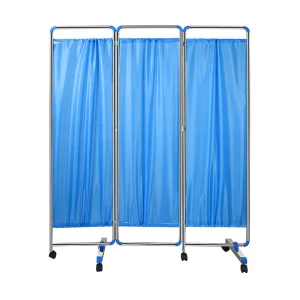
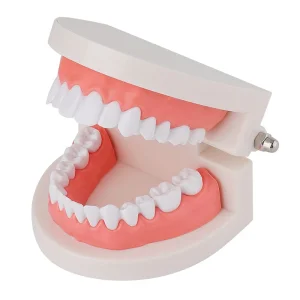
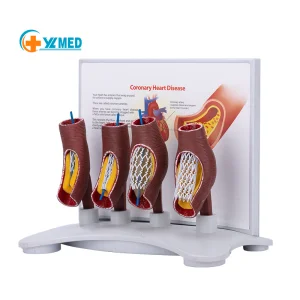
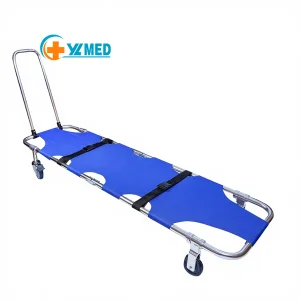
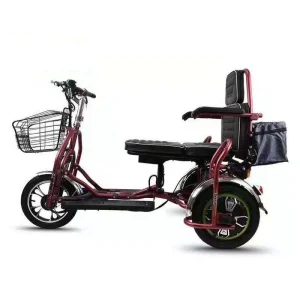
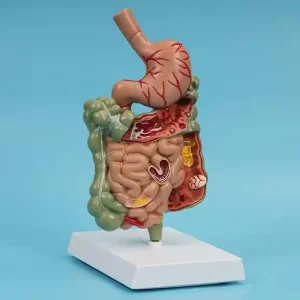
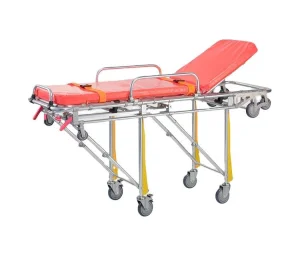
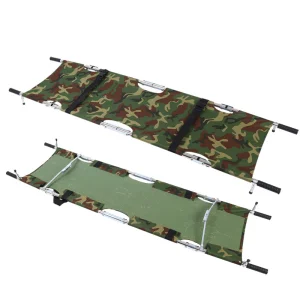
Eight Products Available Alongside Our Airway Management Programme
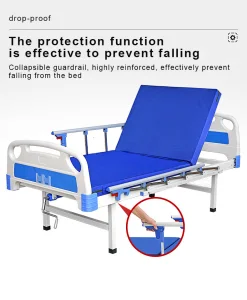
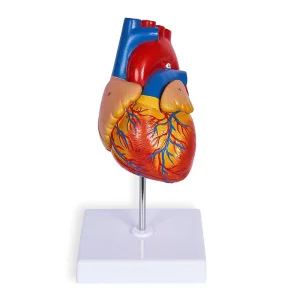
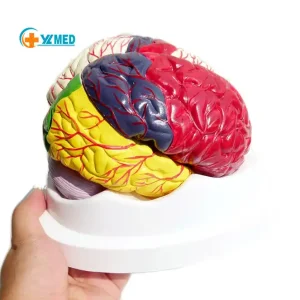
The original product set remains fully linked below with its original images and URLs. These eight products illustrate the wider medical education, hospital furniture, emergency and rehabilitation ecosystem that lets buyers consolidate more of their catalogue with one accountable supplier.
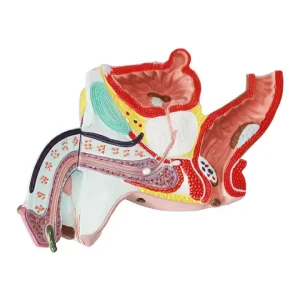
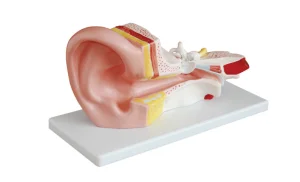
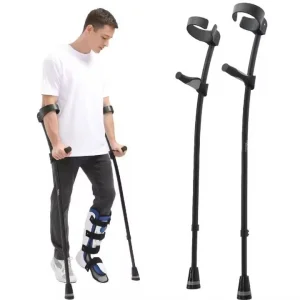
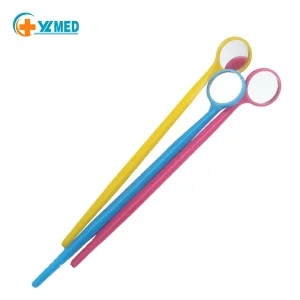
Airway Management Is Now a Supply-Chain, Training and Compliance Decision
A wholesale pricelist is only useful when it helps clinical and procurement teams reduce risk. That means understanding the device mix, the documentation burden and the service model behind the unit price.
Airway management is one of the highest-consequence categories in acute care. It ranges from basic bag-valve-mask ventilation and oropharyngeal airways to video laryngoscopy, supraglottic rescue devices, endotracheal tubes, capnography, suction and securement. For distributors and hospital groups, the commercial challenge is not finding product photos or the lowest possible unit price. It is building a repeatable programme that puts the right device in front of the right clinician, with the right documentation, training and buffer stock.
The category has also become more operationally complex. Infection-prevention teams ask about single-use design and reprocessing controls. Anaesthesia and ICU departments ask about compatibility with existing circuits, connectors and monitors. Procurement teams ask for total landed cost, shelf life, lot traceability and a clear escalation path when a shipment is delayed. Medical schools ask for realistic training models that reflect the equipment used in clinical practice. A credible wholesale partner therefore needs more than a catalogue: it needs a structured pricelist, a service wrapper and a documented quality system.
Yulin Medical approaches this through a combined model: a manufacturing heritage dating to 1958, ISO 9001 quality management since 2008, more than 200 professional staff, registered capital of RMB 120 million and a broad hospital and education portfolio. For specialised airway devices, our team coordinates qualified partner factories where required, while maintaining one point of accountability for specifications, packaging, documentation and shipment consolidation. The purpose of this white paper is to show what a better wholesale pricelist and service package should contain, and how to compare suppliers without trading away reliability.
Information gain for buyers: the real product is not a single laryngoscope or tube. It is the repeatable combination of device performance, regulatory documentation, training support and delivery reliability. A supplier that cannot explain this combination in writing is a transactional vendor, not a strategic partner.
What Belongs in a Wholesale Airway Management Equipment Pricelist
A pricelist that lists only SKUs creates hidden cost. A procurement-ready pricelist should be structured around clinical use, regulatory status, consumable replacement cycles and training support.
Oxygenation & Ventilation
Bag-valve-mask resuscitators, oxygen masks, nasal cannulae, reservoir bags, PEEP valves, filters and circuit accessories. Confirm connector standards, dead space, squeeze volume and adult or paediatric options.
Intubation & Airway Access
Direct and video laryngoscopes, Macintosh and Miller blades, stylets, bougies, endotracheal tubes, tube exchangers, bite blocks and fixation. Ask for a blade-size matrix, light-source details, battery specifications and cleaning instructions.
Supraglottic & Rescue Airway
Laryngeal mask airways, second-generation supraglottic devices, cricothyrotomy kits and rescue airway sets. Check inflation volume, cuff material, insertion technique, MRI compatibility and single-use status.
Monitoring, Suction & Consumables
Capnography accessories, suction units, catheters, yankauer handles, closed suction systems, securement and lubricants. Confirm compatibility with monitors and wall suction, plus sterility and shelf-life.
The pricelist should state whether each item is single-use, reusable, sterile or non-sterile, latex-free, MRI conditional, compatible with specified connectors and available with a certificate of analysis or release documentation. These fields reduce back-and-forth, shorten tender preparation and make like-for-like comparison possible.
How to Read and Compare an Airway Management Equipment Price List
Unit price is only one line in the purchasing decision. A better quotation separates device cost, packaging, documentation, training and freight so the total landed cost is visible before approval.
Essential Airway Tier
BVM, oropharyngeal and nasopharyngeal airways, oxygen masks, nasal cannulae, suction catheters and basic securement. This tier is typically volume-driven and should be quoted with clear MOQ and shelf-life information.
Advanced Intubation Tier
Video laryngoscope options, blades, stylets, endotracheal tubes, supraglottic devices and difficult-airway accessories. Ask for reusable versus single-use life-cycle cost, not just the purchase price.
Critical Care & Monitoring Tier
Capnography accessories, closed suction, humidification, securement and infection-control consumables. Compatibility with installed monitors and wall systems should be documented before quotation approval.
Education & Readiness Tier
Airway trainers, CPR manikins, anatomy models, replacement parts and scenario consumables. This tier supports ongoing competency assessment and links clinical purchases to measurable training outcomes.
Technical Roadmap & Future Outlook: From Durable Devices to Connected Airway Care
The next procurement cycle will reward suppliers who can explain where the technology is going without overpromising. Buyers should separate proven clinical value from early-stage innovation.
Single-Use and Reprocessing-Safe Design
Infection-prevention pressure continues to shift demand toward single-use blades, stylets, supraglottic devices and suction consumables. Reusable devices must provide clear cleaning, disinfection and sterilisation instructions, plus material compatibility evidence.
Video Laryngoscopy and AI Decision Support
Better camera modules, anti-fog surfaces, longer battery life and shared visual workflow are making video laryngoscopy more accessible. AI should be positioned as decision support and documentation assistance, not as autonomous intubation.
Connected Documentation and Capnography
Hospitals increasingly want device data to flow into electronic anaesthesia or ICU records. Consumable traceability, lot capture and waveform documentation can reduce manual work and support quality review.
Sustainable Materials and Resilient Logistics
Reduced PVC content, recyclable packaging, lower cube weight and shelf-life optimisation are becoming part of tender evaluation. A realistic roadmap links sustainability claims to verifiable documentation and stable clinical performance.
A practical adoption path: months 0–12 standardise core devices and documentation; years 1–3 add digital training and lot traceability; years 3–5 pilot connected devices and localised packaging. Each stage should have a measurable procurement and clinical owner.
Right Airway Kit for Each Care Setting
A single catalogue cannot optimise every environment. The strongest wholesale programmes map devices to care pathways, staff skill mix and storage conditions.
Hospital Operating Room & Anaesthesia
Standardised adult and paediatric carts, video laryngoscopy, stylets, endotracheal tubes, filters, supraglottic rescue and difficult-airway backup. Procurement should agree blade sizes, circuit connectors and monitor compatibility before annual volume is committed.
EMS & Prehospital Care
Rugged, portable and temperature-tolerant kits for ambulances, helicopter transfer and field response. Colour-coded airway bags, portable suction, oxygen delivery, extrication equipment and tracer consumables improve speed under stress.
ICU & Critical Care
Closed suction, capnography accessories, humidification, securement and infection-prevention consumables. Since patients often remain intubated for days, shelf-life planning and reliable replacement schedules matter as much as device performance.
Medical Schools & Simulation Centres
Airway trainers, CPR manikins, ACLS simulators, anatomy models and replacement consumables. Simulation products should reflect institutional protocols so learners transfer skills directly to clinical equipment.
Localised Support and Compliance Assurance for Global Markets
Regulatory classification, labelling and documentation differ by market. A responsible supplier helps the buyer prepare a complete dossier without overstating approvals.
Regulatory Dossier Support
Technical files, test reports, declarations, sterilisation information and manufacturing documentation can be prepared for review. Final market authorisation and import registration remain with the local license holder and must be confirmed for each product and destination.
Labelling and Instructions for Use
Language versions, symbols, shelf life, storage conditions, single-use warnings and lot marking should be agreed before production. Clear IFU design reduces training friction and complaint risk after arrival.
Technical Localisation
Voltage, plug type, tubing connectors, colour codes, carton dimensions and pallet configuration can be adapted where feasible. Early confirmation prevents rework and protects tender deadlines.
After-Sales and Spare Parts
Warranty terms, spare-parts lists, replacement schedules and complaint escalation should be written into the service proposal. Training videos, quick-reference guides and inspection checklists improve field readiness.
Compliance note: Yulin Medical has held ISO 9001 certification since 2008. Product-specific certification, registration or market approval depends on the device, intended use and destination country. Buyers should request current documents and validate the route with their local regulatory advisor before tender submission.
China Factory 4.0: Supply-Chain Resilience and Efficiency Advantages
Yulin Medical's manufacturing base in Xinxiang, Henan, combines a long factory history with a modern quality mindset: documented processes, flexible order consolidation and a partner network that can absorb category complexity.
Founded in 1958, Henan Yulin Edu. Project Co., Ltd. has grown into an educational and medical equipment supplier integrating research, production and sales. With registered capital of RMB 120 million and more than 200 professional employees, the company manages product development, manufacturing, inspection and export from its base at No. 8 Daoqing Road, Industry Park, Hongqi District, Xinxiang. The ISO 9001 quality management system, certified since 2008, provides the process backbone for repeat orders.
Digital Quality Control
Inspection checkpoints, pre-shipment verification and lot-level traceability reduce variability on repeat orders. For airway programmes, these controls should extend to partner factories through agreed specifications and incoming inspection.
Supplier Risk and Dual Sourcing
A stable network of long-term partner factories helps manage component shortages and category gaps. Buyers should ask which components are dual-sourced, how changes are notified and what happens when a lead time slips.
Mixed-SKU Consolidation
One shipment can combine anatomy models, hospital furniture, emergency stretchers, training manikins and airway consumables. Consolidation lowers freight complexity and reduces the administrative burden of managing multiple suppliers.
Rapid Sampling and Export Documents
Sampling, packaging checks and export documentation should run in parallel, not sequentially. Clear owners and deadlines shorten the path from sample approval to container booking.
Global Enterprise Procurement Requirements: What the Best Tenders Ask For
Large buyers rarely select an airway supplier on unit price alone. They want lower total risk, fewer stock-outs, clear documentation and a predictable service experience across markets.
Total Landed Cost
Freight, duties, packaging, inspection, inventory carrying cost and replacement rates can change the winning bid. A detailed quotation should separate product, packing, documentation and logistics assumptions.
Documentation and Tender Readiness
Bid teams need accurate specifications, certificates, IFUs and packaging artwork before deadlines. A supplier that can respond to document requests quickly reduces tender risk.
Lead Time and Continuity
Annual framework agreements should include buffer-stock options, production slots and escalation rules. For airway consumables, stock-outs can affect clinical readiness, not just procurement KPIs.
ESG, Traceability and Ethics
More buyers ask about material restrictions, packaging waste, labour standards and traceability. Clear answers and consistent documentation protect brand reputation and simplify supplier audits.
Yulin Medical Since 1958: A Broader Medical and Education Supply Base
The company facts below are retained from the original introduction and remain central to our E-E-A-T position: long manufacturing experience, documented quality management and a broad product ecosystem.
Henan Yulin Edu. Project Co., Ltd. has built educational and medical training equipment in Xinxiang, China, for more than six decades. The quality management system has been ISO 9001 certified since 2008, and the operating motto is simple: quality first, service first. Every order is produced and inspected so that distributors, medical universities, nursing colleges and hospitals receive consistent, well-documented products on every batch.
The company integrates scientific research, production and sales, with registered capital of RMB 120 million and more than 200 professional employees. Product development, manufacturing, inspection and export are managed from No. 8 Daoqing Road, Industry Park, Hongqi District, Xinxiang. A deeply integrated partner supply chain supports one-stop demands and predictable lead times on repeat orders.



Complete Sourcing for Medical Education and Clinical Use
Ten specialised product lines let procurement teams source simulation, laboratory and hospital equipment from one accountable manufacturer instead of managing multiple suppliers.
Anatomy Models
Torso, organ, heart, brain and muscle models with numbered structures for lectures and patient education.
View range →Biology Prepared Slides and Accessories
Histology, botany and zoology prepared slides plus storage and microscope accessories for biology labs.
View range →Dental Tools and Equipment
Dental teaching models, clinic lights, LED whitening units and endodontic instruments for training and practice.
View range →General Teaching Models
Science demonstration models for primary schools, secondary schools and education equipment tenders.
View range →Hospital Furniture and Equipments
Stainless steel examination couches, stretchers, walkers and shower chairs built for daily clinical use.
View range →Hospital Machine and Tools
Diagnosis and treatment devices and practical tools for wards, clinics and emergency departments.
View range →Medical Apparatus and Instruments
Emergency splints, extrication devices, cervical traction and rehabilitation instruments.
View range →Medical Nursing Model
Adult, child and neonatal CPR manikins, ACLS simulators and AED trainers for skills assessment.
View range →Skeleton Models
Life-size and desktop skeletons, skulls, spines and joint models for osteology teaching.
View range →Suture Pads and Kits
Realistic skin suture pads and complete instrument kits for surgical and wound-closure practice.
View range →Why Distributors and Institutions Partner with Yulin Medical
Four strengths overseas buyers consistently cite when they move long-term orders to our factory, now applied to the broader medical, emergency and airway sourcing programme.
24/7 Responsive Service
The team is online 24 hours a day, 7 days a week. Whatever your time zone, you receive a detailed answer as quickly as possible, typically within 24 hours.
Design and Packaging Team
In-house specialists deliver professional product design and private-label packaging that strengthens your brand and increases the added value of every unit you sell.
Professional Expertise
The vision is to provide professional educational and medical training products from mainland China, built under ISO 9001 process control and decades of category knowledge.
60+ Years of Supply Stability
A factory with more than 60 years of history and a deeply integrated partner supply chain helps meet one-stop demands and keep lead times predictable on repeat orders.
A Transparent 5-Step Process for Overseas Buyers
From first conversation to delivery, every stage has a named contact and clear documentation so you can plan stock, tenders and training schedules with confidence.
Share Requirements
Send product types, quantities, target market and any tender or certification needs. For airway devices, include adult or paediatric mix, connector standards and monitor compatibility.
Catalog and Proposal
Receive matched models, specifications, packaging options and shipping suggestions. Device cost, documentation and optional training are separated for clarity.
Sample Evaluation
Test samples with your instructors or clinicians before confirming bulk production. Review usability, cleaning, packaging and instructions for use.
Production and QC
Manufacturing and inspection follow the ISO 9001 quality management system. Lot traceability, checklists and pre-shipment inspection can be arranged.
Export and Support
Protective export packing, delivery coordination and responsive after-sales service, including spare parts and replacement planning.
News and Practical Insights from Our Specialists
Exhibition updates and hands-on guidance written by the team that designs, sources and supports our products.

Do You Really Know How to Observe Biological Prepared Slides?
Many plant and animal cell structures can only be studied under a microscope, which makes prepared biological slides essential in every biology lab. Our specialists explain how to handle, focus and store slides correctly so students see clearer detail and slide sets last for years.

The 5th Henan Provincial Educational Equipment Expo Concludes Successfully
Themed “Digital Leading Innovation and Development”, the expo reached a record 50,000 m² with 600+ brands and 10,000+ products on display, showcasing the latest educational equipment.

Inside Our Product Showroom
A look at the medical teaching models and training equipment buyers can inspect in person when visiting the Xinxiang facility.
Frequently Asked Questions from Importers
Straight answers to the questions procurement managers ask most before placing a first order for airway management equipment or the wider medical education portfolio.
Is Yulin Medical a manufacturer or a trading company?+
What quality certification does Yulin Medical hold?+
Do you support OEM, private label and custom packaging?+
How do I choose the right CPR training manikin?+
What should be included in an airway management equipment pricelist?+
How do you support local regulatory compliance?+
How are lead times and shipping handled?+
How quickly will I receive a reply?+
Request the Wholesale Airway Management Equipment Pricelist and Service Proposal
Tell us your target market, product mix, annual volume and certification requirements. Our team will recommend suitable models, clarify documentation availability and propose a practical shipping and consolidation plan. For tender projects, include the deadline and required document list so the response can be prioritised.
Eight Additional Products Completing the Original 16-Item Set
This final product panel preserves the remaining original images and product URLs. Together with the first panel, all 16 products from the source list remain accessible for distributors comparing a wider range of hospital, education, emergency and rehabilitation items.