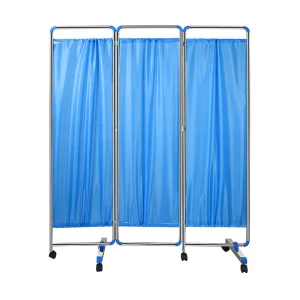
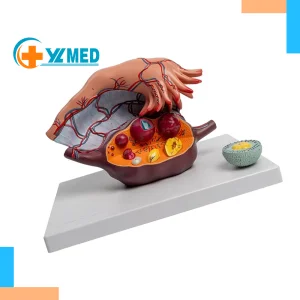
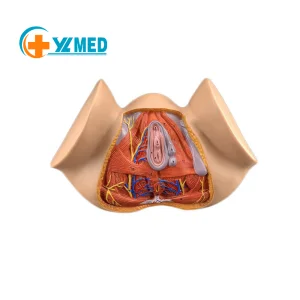
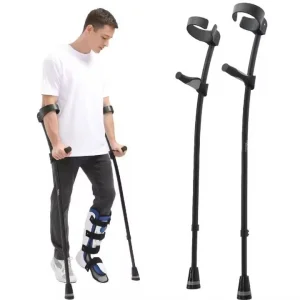
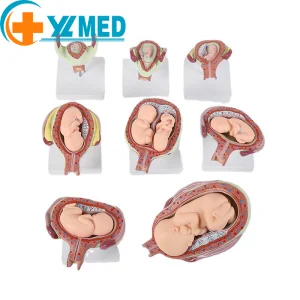
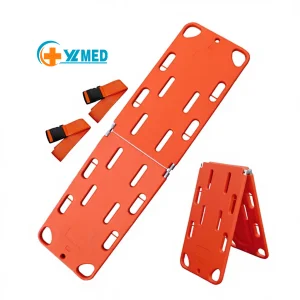
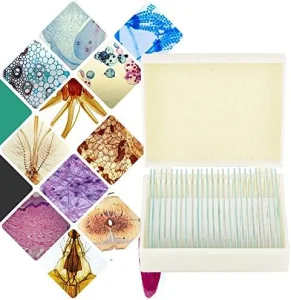
Banner Product Reference
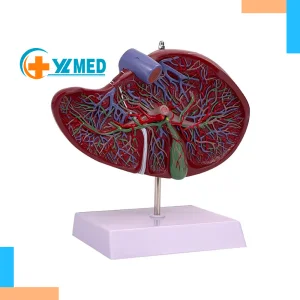
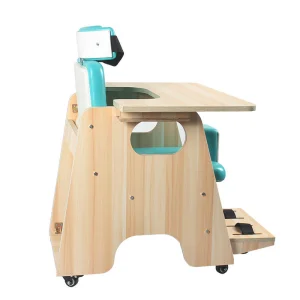
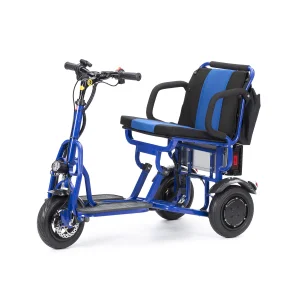
8 OEM Medical Products from the Yulin Medical Ecosystem
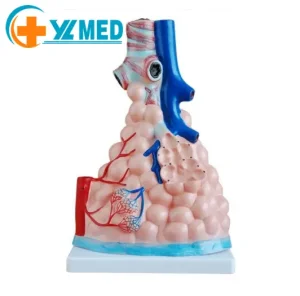
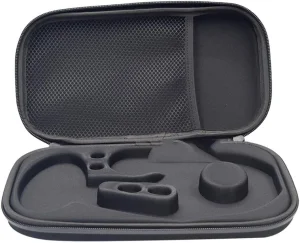
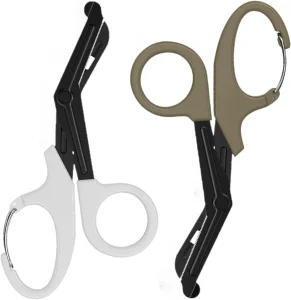
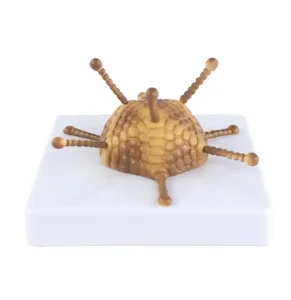
The products below are retained from the original Yulin Medical product reference. They demonstrate the existing manufacturing, sourcing and export discipline that supports mixed-category OEM programs, including neonatal transport equipment projects where qualified production partners and documented quality controls are required.
Executive Summary
OEM Transport Infant Incubator Manufacturing: A Buyer’s Executive Summary
A transport infant incubator is a mobile life-support environment, not a simple heated box. It combines servo-controlled warming, humidity management, oxygen delivery, battery power, alarm escalation, vibration protection, ambulance or aircraft fixation, cleanable materials and a regulatory dossier. Buyers who search for an OEM transport infant incubator manufacturer and manufacturers are usually not only comparing prices. They are comparing manufacturing discipline, documentation depth, customization flexibility, export experience and after-sales reliability.
Distributors and Private-Label Buyers
Distributors want differentiated products, stable margins and packaging that carries their own brand. The OEM partner must support product configuration, private-label manuals, carton design, spare-parts planning and repeatable batch quality.
Hospitals, EMS and Air Ambulance Teams
Clinical buyers focus on thermal stability, battery runtime, alarm clarity, fixation safety and service response. They need evidence that the device will perform during inter-facility transport, not only in a showroom.
Tender and Public Procurement Teams
Tender teams need traceable specifications, test reports, labeling, packaging data, delivery commitments and local registration support. A responsible OEM partner provides documents, not just verbal promises.
E-E-A-T note: Certification claims must be verified for each model, production site and destination market. A credible manufacturer will provide model-specific test reports, risk-management files and regulatory support rather than generic certificates that do not match the device being purchased.
Global Procurement Demand
Why Global Buyers Need Transport Infant Incubator Manufacturers
Global demand is shaped by clinical need, regionalized perinatal care, ambulance coverage, air retrieval, disaster preparedness, hospital replacement cycles and public-health procurement. WHO estimates that about 1 in 10 babies is born preterm. That single fact explains why neonatal transport equipment is a strategic category for hospitals, ministries of health, NGOs and distributors serving emerging and mature markets.
Hospital-to-Hospital NICU Transfer
Level II and Level III neonatal units need reliable transfer equipment when infants require higher-level care, surgery, imaging or specialist consultation. Thermal stability and monitoring continuity are essential during every minute of transfer.
Emergency Medical Services and Ambulance Fleets
EMS providers require fast mounting, secure fixation, readable alarms, long battery runtime and cleaning protocols suitable for high-turnover ambulance operations.
Air Ambulance and Remote Retrieval
Air transport introduces vibration, pressure changes, electromagnetic interference and limited power access. OEM programs must address EMC, fixation, battery safety and altitude-related performance.
Disaster Preparedness and Defense
Mobile field hospitals and emergency response units need ruggedized equipment with simple training, low maintenance and documentation that supports rapid deployment.
Private-Label Distributors
Distributors want a factory partner that can customize branding, manuals, packaging, accessories and spare-parts kits while protecting product consistency across repeat orders.
Public Health Tenders and Donor Programs
International tenders often require documentation for customs, registration, warranty, training and spare-parts coverage. The OEM manufacturer’s documentation quality directly affects bid success.
Macro Industry Solutions
Integrated Solutions for Hospitals, EMS and Distribution Partners
Buyers increasingly want a complete neonatal transport solution rather than a single device. A strong OEM transport infant incubator program connects device design with fleet integration, training, spare parts, local registration and lifecycle service.
Turnkey Neonatal Transport Program
Device selection, battery strategy, ambulance bracket planning, staff training, warranty structure and spare-parts stocking are planned as one program. This reduces downtime and avoids mismatched accessories.
Distributor OEM and Private-Label Program
Product configuration, logo application, multilingual instructions, packaging, model naming and sales support are aligned to the distributor’s market position and regulatory responsibilities.
Hospital Group Fleet Standardization
Multi-site hospital groups benefit from standardized controls, accessories, alarm logic and training. A common platform simplifies procurement, maintenance and clinical staff rotation.
EMS and Air Ambulance Integration
Fixation systems, power connectors, vibration protection, transport bags and rapid-deployment workflows must match the vehicle and retrieval team. Integration should be validated before fleet rollout.
NGO and Donor-Funded Programs
Donor programs require durable design, simple maintenance, training materials and long-term spare-parts planning. Local service capability should be designed at the beginning, not added later.
Replacement Parts and Service Coverage
Batteries, sensors, fans, filters, power cords, brackets and soft goods are lifecycle items. A good OEM partner offers a recommended spare-parts list and predictable replenishment.
Technology Roadmap
Technical Route Map for OEM Transport Infant Incubator Projects
A credible development roadmap moves from clinical requirements to verification and local registration. The most common failure point is not the heater itself, but incomplete planning for power, alarms, fixation, EMC, cleaning, training and documentation.
Requirement Mapping
Define target markets, clinical use cases, regulatory classification, tender specifications, language needs and expected annual volume before selecting components.
Thermal and Gas Control
Plan servo-controlled skin or air temperature, humidity management, oxygen delivery, airflow and alarm thresholds. Verify performance across ambient temperatures and transport conditions.
Power and Battery Strategy
Choose battery chemistry, charger architecture, runtime targets, hot-swap options and UN 38.3 transport documentation. Battery safety is a procurement and logistics issue, not only an engineering issue.
Transport Integration
Validate fixation for ambulance trolleys, incubator brackets and aircraft. Address vibration, shock, EMC, cleaning agents and access to the infant during transfer.
Verification and Documentation
Complete risk management, verification and validation, human-factors review, labeling, IFU, packaging validation and registration support files for the target market.
Connected Telemetry
Future transport incubators will exchange temperature, battery, alarm and location data with hospital and EMS systems, enabling better handover and fleet readiness.
AI-Assisted Monitoring
Decision support may help clinicians prioritize alarms and trends, but it must remain transparent, validated and subordinate to clinical judgment.
Lightweight Modular Design
Composite structures, modular batteries and quick-change accessories can reduce lifting load while improving serviceability in ambulances and aircraft.
Sustainable Lifecycle
Longer battery life, replaceable modules, recyclable packaging and documented end-of-life planning are becoming part of hospital ESG and tender evaluation.
Manufacturing E-E-A-T
Yulin Medical: Six Decades of Manufacturing Experience
Experience matters in medical equipment OEM because it shapes how risks are identified, how documentation is controlled and how export orders are managed. Henan Yulin Edu. Project Co., Ltd. (Yulin Medical) has built educational and medical training equipment in Xinxiang, China, for more than six decades. The company’s quality management system has been ISO 9001 certified since 2008, and its operating motto is simple: quality first, service first. Every order is produced and inspected so that distributors, medical universities, nursing colleges and hospitals receive consistent, well-documented products on every batch.
Founded in 1958, Henan Yulin Edu. Project Co., Ltd. has grown into a well-known educational and medical equipment supplier that integrates scientific research, production and sales. With registered capital of RMB 120 million and more than 200 professional employees, the company manages product development, manufacturing, inspection and export from its base at No. 8 Daoqing Road, Hongqi District, Xinxiang.
For OEM transport infant incubator programs, this operating foundation is directly relevant. The same disciplines used for anatomy models, CPR manikins, hospital furniture, prepared slides and rehabilitation equipment — supplier qualification, incoming inspection, process control, final inspection, packaging review and export documentation — are applied to neonatal transport equipment projects coordinated with qualified manufacturing partners.
- Factory-direct supply across 10 product lines, from anatomy models to hospital furniture
- Private-label packaging and product design that raises your resale value
- Mixed-category orders consolidated into one shipment with one point of contact
What this means for buyers: one accountable manufacturer and export team for multi-category medical sourcing — consolidated into a single shipment and backed by an ISO 9001 quality system, with documentation support for tenders and import registration.
Factory Facts Buyers Can Verify
Yulin Medical operates from Xinxiang, Henan, China, with a team of more than 200 professionals and registered capital of RMB 120 million. Its export team supports distributors, schools, hospitals and tender buyers with catalogs, specifications, packaging options and shipping coordination.
- Founded in 1958
- ISO 9001 certified since 2008
- More than 200 professional staff
- 10 product lines for mixed sourcing
- 24-hour typical response commitment
Why Distributors and Institutions Partner with Yulin Medical
Four strengths overseas buyers consistently cite when they move long-term orders to the factory.
24/7 Responsive Service
The export team is online 24 hours a day, 7 days a week. Whatever the time zone, buyers receive a detailed answer as quickly as possible — typically within 24 hours.
Design & Packaging Team
In-house specialists deliver professional product design and private-label packaging that strengthens the brand and increases the added value of every unit sold.
Professional Expertise
The company vision is to provide professional educational and medical training products from mainland China, built under ISO 9001 process control and decades of category knowledge.
60+ Years of Supply Stability
A factory with more than 60 years of history and a deeply integrated partner supply chain helps meet one-stop demands and keep lead times predictable on repeat orders.
A Transparent 5-Step Process for Overseas Buyers
From first conversation to delivery, every stage has a named contact and clear documentation so buyers can plan stock, tenders and training schedules with confidence.
Share Requirements
Send product types, quantities, target market and any tender or certification needs.
Catalog & Proposal
Receive matched models, specifications, packaging options and shipping suggestions.
Sample Evaluation
Test samples with instructors or clinicians before confirming bulk production.
Production & QC
Manufacturing and inspection follow the ISO 9001 quality management system.
Export & Support
Protective export packing, delivery coordination and responsive after-sales service.
Global Commercial Status
Global Business and Industrial Status for Neonatal Transport Equipment
The global market for transport infant incubators is shaped by regulatory fragmentation, supply-chain resilience, tender pressure and the quality of local after-sales support. Buyers should not treat low unit price as the main indicator of value.
Regulatory Fragmentation
A product may require a different registration route in each target market. CE, FDA 510(k), Health Canada, TGA and national registrations all demand traceable technical files. Local registration should be mapped before tooling begins.
Supply-Chain Resilience
Batteries, sensors, blowers, controllers and medical-grade plastics can face lead-time volatility. A responsible OEM program identifies critical components, alternative suppliers and change-control rules.
Tender and Price Pressure
Public tenders often combine equipment, accessories, training and warranty in one package. Real cost should include spare parts, battery replacement, freight, duties and service downtime.
After-Sales and Training
Neonatal transport equipment is used under time pressure. Training materials, troubleshooting guides, remote support and spare-parts availability are not optional add-ons; they are part of product safety.
Industrial reality: Asia remains a deep manufacturing ecosystem for medical equipment, but buyers are increasingly diversifying suppliers and requesting country-of-origin transparency. A good OEM partner should provide a realistic production schedule, component traceability where required, and clear documentation of which legal manufacturer or importer is responsible for each market.
Localization and Compliance
Localization Support and Compliance Assurance
Localization is not just translation. It covers labeling, instructions for use, packaging, electrical configuration, language, training, spare-parts strategy, import responsibilities and post-market feedback. Compliance assurance is evidence-based and model-specific.
Regulatory Dossier
Model-specific technical files, risk-management documentation, test reports, labeling artwork and declarations are prepared for the target market and importer.
Labels and IFU
Multilingual labels, symbols, warnings and instructions must match the approved registration file. Buyer-authored translations should be controlled before printing.
Battery Transport Safety
Lithium batteries require UN 38.3 test summaries, MSDS, proper packaging and shipping documentation. Air transport restrictions must be checked before quotation.
Packaging and Cleaning
Export packaging must protect the device and accessories during multimodal transport. Cleanability and compatible disinfectants should be documented for clinical use.
Spares and Training
Recommended spare-parts lists, battery replacement intervals, service guides and user training help distributors support hospitals after delivery.
Relevant standards to discuss with the OEM partner: ISO 13485 quality management, ISO 14971 risk management, IEC 60601-1 general electrical safety, IEC 60601-2-20 for infant transport incubators, EMC standards, ISO 10993 biocompatibility where applicable, IEC 62304 for medical software where applicable, and UN 38.3 for lithium batteries. Market-specific requirements may also include CE MDR, FDA, Health Canada, TGA or national registration.
Sourcing Checklist
How to Evaluate an OEM Transport Infant Incubator Manufacturer
Search results for “manufacturer and manufacturers” often mix trading companies, contract manufacturers, component suppliers and brand owners. Use the checklist below to separate a real OEM program from a catalog reseller.
1. Audit the Quality System
Ask for the ISO 13485 or ISO 9001 certificate, scope, issuing body and validity. Confirm which site manufactures the device and which site handles final inspection and packaging.
2. Verify Clinical Claims
Request thermal performance data, alarm verification, battery runtime, warm-up time, noise levels and cleaning validation. Claims should reference test methods and acceptance criteria.
3. Review Transport Safety
Confirm fixation compatibility with ambulance trolleys, brackets and aircraft. Ask for vibration, shock and EMC evidence relevant to the intended transport environment.
4. Confirm Battery and Logistics
Check battery chemistry, cycle life, replacement cost, UN 38.3 documentation, charger compatibility and air-freight restrictions before signing the purchase order.
5. Check Alarms and Monitoring
Alarm hierarchy, silence behavior, sensor failure detection and power-loss alerts should be clear to clinicians. Training and labeling must match the alarm design.
6. Quantify Lifecycle Support
Request a spare-parts list, recommended stock, warranty terms, response times, service manuals and training options. The lowest price can become the highest cost if support is missing.
RFQ checklist: target market, regulatory route, expected annual volume, incubator configuration, battery runtime, fixation method, language requirements, packaging branding, spare-parts kit, training needs, warranty terms, lead time, Incoterms and required documentation.
Original Product Categories
Yulin Medical Product Categories for Mixed Sourcing
The original product categories are retained so buyers can combine neonatal transport equipment with anatomy models, training manikins, hospital furniture, prepared slides and rehabilitation products in one sourcing program.
Anatomy Models
Torso, organ, heart, brain and muscle models with numbered structures for lectures and patient education.
View range → 02Biology Prepared Slides and Accessories
Histology, botany and zoology prepared slides plus storage and microscope accessories for biology labs.
View range → 03Dental Tools and Equipment
Dental teaching models, clinic lights, LED whitening units and endodontic instruments for training and practice.
View range → 04General Teaching Models
Science demonstration models for primary schools, secondary schools and education equipment tenders.
View range → 05Hospital Furniture and Equipments
Stainless steel examination couches, stretchers, walkers and shower chairs built for daily clinical use.
View range → 06Hospital Machine and Tools
Diagnosis and treatment devices and practical tools for wards, clinics and emergency departments.
View range → 07Medical Apparatus and Instruments
Emergency splints, extrication devices, cervical traction and rehabilitation instruments.
View range → 08Medical Nursing Model
Adult, child and neonatal CPR manikins, ACLS simulators and AED trainers for skills assessment.
View range → 09Skeleton Models
Life-size and desktop skeletons, skulls, spines and joint models for osteology teaching.
View range → 10Suture Pads and Kits
Realistic skin suture pads and complete instrument kits for surgical and wound-closure practice.
View range →More Products
Featured CPR, Emergency & Rehabilitation Equipment
Best-selling simulation manikins, first-aid devices and mobility aids requested by training centres, ambulance services and healthcare distributors. These original products show the breadth of the Yulin Medical sourcing ecosystem.












Factory & Event Gallery
Visual Evidence from Yulin Medical
Original images are retained to support buyer due diligence. The gallery includes company banners, product displays, factory views, export packing, exhibition images and news visuals.
 Medical Teaching & Training Banner
 Anatomy & Skeleton Models
 CPR & Nursing Simulation
 Hospital Furniture & Equipment
 Global Export Service
 Anatomy Model Collection
 Clinical Skills Training
 Hospital Equipment
 Global Service Background
 Headquarters & Factory
 Production Workshop
 Bulk Export Packing
 Biology Prepared Slides
 Educational Equipment Expo
 Product Showroom
Company News
News & Practical Insights from Our Specialists
Exhibition updates and hands-on guidance written by the team that designs and builds the products.
Do You Really Know How to Observe Biological Prepared Slides?
Many plant and animal cell structures can only be studied under a microscope, which makes prepared biological slides essential in every biology lab. Yet many users never get the full value from them. Our specialists explain how to handle, focus and store slides correctly so students see clearer detail and your slide sets last for years.
The 5th Henan Provincial Educational Equipment Expo Concludes Successfully
Themed “Digital Leading Innovation and Development”, the expo reached a record 50,000 m² with 600+ brands and 10,000+ products on display, showcasing the latest educational equipment.
Inside Our Product Showroom
A look at the medical teaching models and training equipment buyers can inspect in person when visiting our Xinxiang facility.
Buyer FAQ
Frequently Asked Questions from Importers
Straight answers to questions procurement managers ask most before placing a first order or preparing a tender response.
Is Yulin Medical a manufacturer or a trading company?
What quality certification do you hold?
Do you support OEM, private label and custom packaging?
How do I choose the right CPR training manikin?
How quickly will I receive a reply?
Can Yulin Medical support an OEM transport infant incubator program?
Which standards should buyers discuss for a transport infant incubator?
What is the minimum order quantity for OEM projects?
How do you protect lithium battery transport and shipping?
Do you support local registration and tender documentation?
Global Service Directory
Contact Yulin Medical and Access Original Resources
Original contact channels, company information, product categories, social profiles and buyer resources are retained here for due diligence and direct communication.
Henan Yulin Edu. Project Co., Ltd.
Medical & Educational Equipment Manufacturer Since 1958
- Address: No. 8, Daoqing Road, Industry Park, Hongqi District, Xinxiang, Henan, China
- Phone: 0086-13503800666
- Email: [email protected]
- WhatsApp: +86 135 0380 0666
Quick Links and Buyer Resources
Use the catalog and contact links to request specifications, price lists, tender packages, sample evaluation and shipping options for OEM transport infant incubator programs or mixed-category medical equipment orders.
Original Product Category Links
Original category descriptions and URLs are retained for search continuity and buyer reference.
Bottom Product Reference
8 Additional OEM Products from the Yulin Medical Catalog
The second set of 8 original product references completes the catalog showcase. These products support hospitals, training centres, distributors and tender buyers who require multiple medical product categories from one accountable export team.