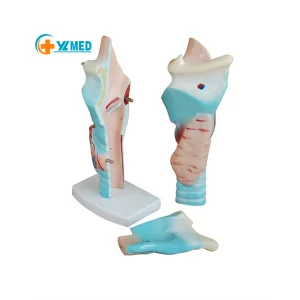
Factory-Direct Product Showcase — 8 Models for Immediate OEM Quotation
These eight products illustrate the breadth of Yulin Medical’s medical education and hospital equipment range. Each product image is preserved, each original product URL is retained as a button, and each item can be included in a mixed-category quotation.
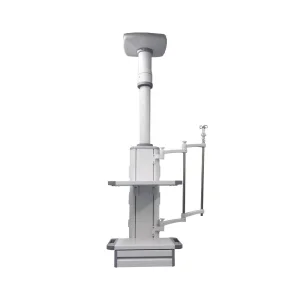
China Medical Equipment Hospital Room Pendant Electric Surgical Gas Tower Quotes, Service
Request OEM Quote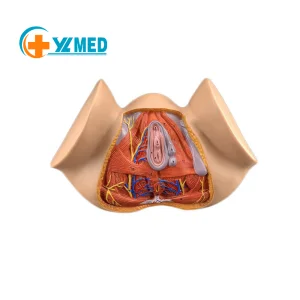
Wholesale Factory Price Human Anatomical Model for Uterus Medical Science Torso Model Educational Female Perineum Model Manufacturer, Service
Request OEM Quote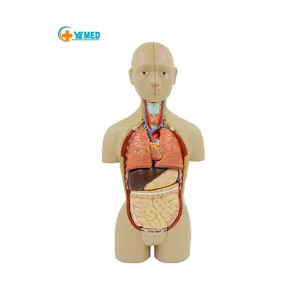
ODM 16 Part Torso Anatomical Model of Human Organs Assembled Trunk Model of Human Visceral Structure Human Torso Body Anatomy Model Factories, Service
Request OEM Quote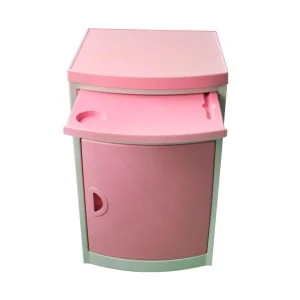
OEM On Sale Hospital Furniture ABS Beside Cabinet Locker Bedside Table With Casters in Stock Manufacturer, Service
Request OEM Quote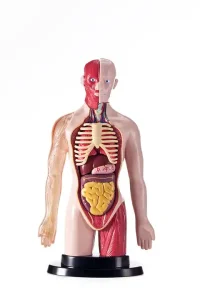
OEM Plastic assembled anatomical model children's toys education human anatomy science experiment human toys for kids Manufacturers, Quotes
Request OEM Quote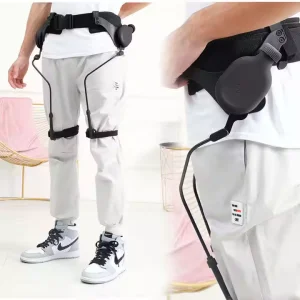
OEM Leg Walker Stroke Hemiplegic Walking Aid Lower Limb Rehabilitation Exoskeleton Aluminum Alloy Frame Foldable Portable Manufacturer, Pricelist
Request OEM Quote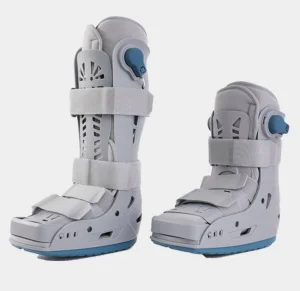
China Adjustable Orthotic Walking Boot-Medical Grade Support for Foot and Ankle Injuries Breathable Mesh Cloth Manufacturer, Manufacturers
Request OEM Quote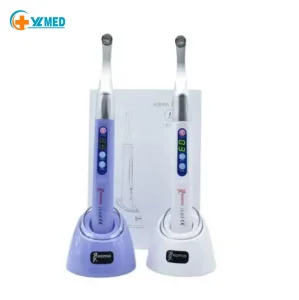
China Dental light curing equipment woodpecker one second light curing machine wide spectrum high intensity LED light curing machine Pricelist, Service
Request OEM QuoteWhy This Search Query Signals a Serious B2B Purchase
The phrase “OEM The Female Uterine Palpation Model Pricelist & Quotes” is not a casual consumer query. It combines product specificity, manufacturing intent, commercial pricing and quotation-stage urgency.
Buyer Intent Is Procurement-Driven
A distributor, medical university, midwifery school, hospital group or tender agent is usually comparing factories, not simply looking for a single product page. They need a model that supports skills training, a clear quotation structure and documentation that can survive internal review.
Clinical Fidelity Must Be Defensible
Uterine palpation training requires credible anatomy, realistic tissue response, repeatable positioning and clear teaching points. The simulator should help learners understand bimanual palpation, uterine tone, fundal height, involution and communication—not just look anatomically correct in a catalog.
Information Gain Wins the Inquiry
Professional buyers compare suppliers on materials, MOQ, tooling, packaging, customs documentation, warranty and after-sales support. A useful pricelist explains how the price is built, what is included, what changes with customization and what evidence supports quality consistency.
Yulin Medical approaches this keyword from a manufacturer’s perspective. As Henan Yulin Edu. Project Co., Ltd., the company has produced educational and medical training equipment since 1958, has held ISO 9001 certification since 2008, and operates from Xinxiang, Henan, China with more than 200 professional staff. That industrial context matters because a uterine palpation model quote is ultimately a commitment to repeatable production, packaging, export coordination and after-sales support.
Anatomy, Learning Objectives & Clinical Value of the Female Uterine Palpation Model
A well-designed uterine palpation model supports competency-based education in obstetrics, midwifery, nursing and primary care. It helps bridge the gap between textbook anatomy and supervised patient contact.
Bimanual Palpation Technique
Trainees learn hand placement, pressure control, abdominal positioning and systematic assessment. Repeated practice on a consistent model helps reduce hesitation before clinical placement and supports structured feedback from instructors.
Fundal Height & Uterine Size
Models can be configured to demonstrate abdominal landmarks and uterine size relationships. This supports teaching around pregnancy assessment, documentation and escalation when findings fall outside expected ranges.
Uterine Involution Simulation
Postpartum assessment training benefits from models that help learners discuss uterine tone, position and involution. The educational value increases when the model is paired with checklists, scenarios and instructor debriefing.
Anatomical Orientation
Clear anatomical relationships help learners connect the uterus, cervix, ovaries and surrounding structures. This is especially useful for midwifery, gynecology and nursing programs that need consistent terminology across cohorts.
Patient Communication
Simulation should include consent, explanation, comfort and professional communication. These soft skills are often assessed in OSCEs and are essential for respectful pelvic and obstetric care.
OSCE & Competency Assessment
Standardized models support fair station design, repeatable marking criteria and objective feedback. Schools can align the model with local curriculum outcomes, language requirements and examination protocols.
OEM Pricelist & Quotes: How a Factory Builds a Transparent Offer
There is no single universal price for a female uterine palpation model because configuration, materials, branding, documentation and order volume all change the production plan. A professional quote should show the commercial assumptions clearly.
Product Configuration
Size, anatomical detail, detachable modules, pelvic structure, abdominal cover, storage base and optional teaching accessories affect tooling and labor.
Material & Durability
Soft-touch polymers, reinforced cores, skin-like surface finishes and color stability determine how the model performs in repeated classroom use.
OEM & Private Label
Logo placement, manual design, retail box, barcode, language versions and product photography can be quoted as separate customization items.
Teaching Documentation
Instructor guides, student checklists, labeling, anatomy keys and local-language inserts add value for distributors selling into schools.
Quality Inspection Level
Sampling plans, appearance checks, assembly verification, packaging validation and pre-shipment inspection should be defined before production.
Packaging & Export Loading
Inner protection, carton strength, palletization, mixed-carton planning and container utilization can materially affect landed cost.
Incoterms & Freight
EXW, FOB, CIF, DAP and door-to-door options create different risk and cost profiles. Buyers should compare quotations on the same Incoterm basis.
Order Volume & Repeatability
MOQ, forecast volume, annual framework agreements and repeat order potential influence pricing stability and production scheduling.
A good RFQ should state learner group, target course, required anatomical features, language, packaging format, estimated annual volume, destination port, tender deadline and any documentation requirements. With those inputs, a factory can prepare a configuration-based pricelist instead of a vague “price range.”
Localized Support & Compliance Assurance for Global Healthcare Buyers
Localization is not only translation. It includes curriculum alignment, terminology, labeling, documentation, packaging and after-sales readiness for the destination market.
Language & Terminology
Manual text, anatomy labels, student worksheets and packaging can be prepared for the buyer’s target language. Terminology should match local clinical and educational usage.
Curriculum Alignment
Model features can be mapped to midwifery, nursing, medical school or OSCE outcomes. This helps distributors explain value to academic committees and tender evaluators.
Labeling & Private Packaging
Private-label cartons, product codes, barcodes, warning statements and importer details can be designed around commercial and regulatory requirements.
Tender & Import Documentation
Commercial invoices, packing lists, certificate of origin, product specifications, material descriptions and quality documents can support tender submissions and import registration.
Quality System Evidence
ISO 9001 certification since 2008 supports process consistency. Product-specific documentation and regulatory pathway discussions should always be based on the destination country and actual product configuration.
Spare Parts & Service
Warranty terms, replacement components, repair guidance and RMA workflows can be agreed before shipment so distributors can serve local schools and hospitals confidently.
Compliance note: Yulin Medical can provide product-specific documents on request for tenders and import registration. Regulatory status, labeling claims and market access remain dependent on the destination country, product classification and importer requirements. Buyers should verify final regulatory claims against actual product documentation before publication or tender submission.
China Factory Supply Chain Advantages: Why Integrated Manufacturing Reduces Risk
For global buyers, the value of a Chinese factory is not simply cost. It is production depth, category breadth, export experience and the ability to consolidate mixed orders into one reliable shipment.
Deep Category Integration
Anatomy models, nursing simulators, hospital furniture, dental equipment and teaching resources can be coordinated through one export workflow, reducing supplier fragmentation for distributors and project buyers.
Material & Process Control
Repeat production benefits from defined materials, molding processes, assembly checks and packaging standards. Consistency matters when a university orders additional models for a second campus or new semester.
Export Consolidation
Mixed-category orders can be planned around carton dimensions, pallet requirements and container loading efficiency. One point of contact and one shipment plan simplify procurement administration.

Headquarters and factory in Xinxiang, Henan

Production workshop for teaching models

Bulk export preparation and packing
Global Enterprise Procurement Requirements: What Buyers Compare
Distributors, universities, hospitals and tender agents evaluate the same product differently. A quotation should therefore be structured around the buyer’s decision process, not only the unit price.
Distributors & Resellers
Need private label, stable margins, sellable packaging, product photos, training material and responsive replenishment. They value suppliers who can support a catalog rather than one isolated SKU.
Universities & Schools
Focus on learning outcomes, anatomical clarity, instructor guides, assessment alignment, durability and replacement components. Procurement may also require curriculum-specific documentation.
Hospitals & Simulation Centers
Look for practical setup, cleaning instructions, staff orientation, service support and consistent availability across departments, especially when the model supports mandatory training.
Tender & Project Buyers
Require specification matching, delivery schedules, documentation, packaging marks, terms of payment and clear responsibility for inspection. The quotation must be easy to compare line by line.
For enterprise buyers, a factory that can combine uterine palpation models with anatomy torsos, CPR manikins, hospital furniture and teaching accessories may reduce the number of suppliers in a project. This consolidation can lower administrative burden, improve shipment visibility and create a more coherent after-sales relationship across product categories.
Industry Trends Shaping Female Uterine Palpation Models and Medical Simulation
The simulation market is moving toward competency-based training, modular products and documentation-rich sourcing. Buyers increasingly ask suppliers to demonstrate educational value, not only product appearance.
Competency-Based Education
Programs are shifting from lecture-only teaching to observable skills, checklists and objective assessment. Models must fit into station design and repeatable evaluation.
Higher-Fidelity Materials
Buyers look for realistic tactile response, durable surfaces and stable coloring. Material quality directly affects how often the model can be used and how consistently it performs.
Modular Training Systems
Replaceable modules and clear accessory planning help institutions extend product life and adapt training scenarios without replacing the entire model.
Private-Label Growth
Distributors want branded packaging, manuals and images to build local market presence. OEM support is becoming a standard part of medical education sourcing.
Traceability & Documentation
Tenders and import processes reward suppliers who can supply clear specifications, batch records, packing lists and product-level documentation.
Blended Learning Support
Institutions value digital photos, instruction sheets and demonstration videos that can support pre-class learning or instructor refresher training.
Localized Application Scenarios: Where the Model Works Best
One product can support multiple educational and clinical training scenarios when it is configured, documented and packaged for the local teaching context.
Midwifery Schools
Practice bimanual assessment, fundal height discussion, postpartum checks and professional communication. Localized checklists help align training with national midwifery competencies.
Medical Universities
Support obstetrics and gynecology teaching with standardized anatomy and repeatable scenarios. Models can complement lectures, small-group tutorials and clinical skills labs.
Nursing Colleges
Help nursing students build confidence in abdominal assessment and postpartum observation. Debriefing prompts can reinforce escalation and documentation.
Hospital OB Departments
Use for staff orientation, refresher training and competency review. Departments may value spare parts and repeat-order availability more than one-time product novelty.
OSCE Centers
Create standardized examination stations with consistent anatomy, timing and marking criteria. Local language labels and student instructions improve examination efficiency.
Community Health Training
Support primary care and community health programs that need accessible simulation for maternal health education, referral training and respectful care communication.
Quality Assurance, E-E-A-T and Information Gain for Buyer Confidence
E-E-A-T signals are not badges pasted onto a page. They come from verifiable company history, practical manufacturing experience, transparent processes and clear limits on what the evidence supports.
Requirement Review
Confirm learner group, anatomy features, language, quantity and destination requirements.
Sample & Specification
Review model details, material expectations, packaging and documentation before finalizing.
Quotation & Approval
Clarify configuration, MOQ, lead time, Incoterms and payment terms line by line.
Production
Manufacturing follows the approved specification and internal quality management processes.
Inspection & Packing
Appearance, assembly, labels, carton protection and packing quantities are checked before shipment.
Export & Support
Shipment documents, packing list, loader feedback and after-sales communication are coordinated.
Henan Yulin Edu. Project Co., Ltd. was founded in 1958 and has more than 200 professional staff. Its ISO 9001 quality management system has been certified since 2008. The company’s location at No. 8, Daoqing Road, Industry Park, Hongqi District, Xinxiang, Henan, China, supports integrated production, inspection and export coordination for medical education and hospital equipment buyers.
A Practical Procurement Checklist for OEM Uterine Palpation Model Buyers
Before requesting a final quotation, align internal stakeholders on the educational objective, commercial terms and documentation package.
Define the Learning Outcome
State whether the model is for bimanual palpation, postpartum assessment, OSCE stations, demonstration or patient education.
Verify Anatomical Features
Confirm what structures are represented, whether parts are detachable and how the model should be positioned during training.
Request a Sample or Detail Pack
Review close-up photos, material descriptions, dimensions, weight, packaging dimensions and available accessories before bulk approval.
Plan Localization
Confirm language, terminology, manual format, labels, barcodes and any curriculum-specific inserts required by your market.
Confirm Compliance Documents
List the documents required for tender or import review and verify that the final product configuration matches the claimed documents.
Agree Spares & Warranty
Plan consumables, replacement parts, inspection responsibilities, warranty terms and communication channels for after-sales cases.
Need a tender-ready quotation package?
Send your model requirements, destination market, quantity and documentation checklist. The export team can prepare a configuration-based proposal.
Ten Specialized Product Lines for Medical & Educational Sourcing
Yulin Medical supports distributors and institutions across multiple categories, allowing mixed orders to be consolidated into one export plan.
Anatomy Models
View range → 🔬Biology Prepared Slides and Accessories
View range → 🦷Dental Tools and Equipment
View range → 🧪General Teaching Models
View range → 🛏️Hospital Furniture and Equipments
View range → ⚙️Hospital Machine and Tools
View range → 🧰Medical Apparatus and Instruments
View range → 🫁Medical Nursing Model
View range → 🦴Skeleton Models
View range → 🪡Suture Pads and Kits
View range →Factory, Showroom & Global Export Capability Gallery
Original visual assets from Yulin Medical’s product showcase and global service presentation are retained below to support transparency and buyer confidence.

Medical teaching models and training equipment

Anatomy and skeleton models for education

CPR manikins and nursing simulation

Hospital furniture and equipment

Global export service for distributors

Showroom model collection

Clinical skills training models

Hospital equipment and instruments
Related Training & Hospital Equipment from the Yulin Medical Range
These supporting products are frequently requested in the same procurement cycle as anatomy and palpation models.












Training Insights, Exhibitions & Showroom Notes
Practical notes from the Yulin Medical team help buyers understand product use, educational equipment trends and factory capabilities.



Q&A: OEM Female Uterine Palpation Model Pricelist & Quotes
These answers address the most common procurement, localization and documentation questions from international buyers.
What is a female uterine palpation model used for?
It is a teaching and simulation tool used to help learners practice abdominal and pelvic assessment concepts, including bimanual palpation, uterine positioning, fundal height discussion and postpartum observation. It is most valuable when integrated into structured teaching with checklists and instructor feedback.
Is this product available for OEM and private label?
Yes. OEM and private-label discussions can include logo placement, packaging, manuals, labels, product codes, images and language versions. The exact scope should be defined in the quotation so that tooling, setup and minimum order requirements are transparent.
How is the pricelist structured?
A quotation is usually built from the product configuration, material expectations, custom branding, packaging, documentation, inspection level, order quantity and shipping terms. For that reason, final pricing should be requested with your target specification and destination market rather than treated as a fixed catalog price.
Can the model be localized for my market?
Yes, localization can include language, anatomy labels, instructions, packaging text, curriculum notes and other market-specific presentation requirements. Buyers should provide the target language, terminology preferences and intended learner group.
What documentation can support tenders and import registration?
Available documents can include specifications, packing lists, commercial invoices, certificate of origin, quality-system information and product-specific documents on request. Regulatory status should always be verified against the destination country and actual configuration before submission.
How are samples, MOQ and lead times handled?
Sample evaluation is recommended before bulk production. MOQ and lead time depend on the product configuration, customization scope, packaging and order volume. A clear RFQ helps the factory propose a realistic schedule and avoid hidden assumptions.
What quality assurance steps apply?
Production should follow the approved specification and internal ISO 9001 quality management processes. Appearance, assembly, labeling, packaging protection and shipment quantity should be checked before export. For repeat orders, retaining an approved sample and specification helps maintain consistency.
What after-sales support is available?
After-sales discussions can cover warranty terms, replacement parts, inspection feedback, packaging issues and communication procedures. Distributors should confirm their local service model and spare-parts plan before placing a high-volume order.
Request a Pricelist, Sample or Tender-Ready Quotation
Share your required uterine palpation model configuration, target learner group, language, volume, destination and documentation checklist. The export team can respond with a tailored quotation and recommended next steps.

Henan Yulin Edu. Project Co., Ltd. — ISO 9001 certified manufacturer of medical teaching models, simulation manikins and hospital equipment since 1958.
Eight More Factory-Direct Models for Your OEM Pricelist & Quote Request
The final showcase retains the remaining original product images and product URLs, allowing buyers to submit a multi-category RFQ from one page.
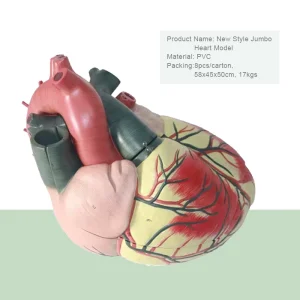
OEM Medical science Advanced Medical Supplies Human Teaching resources educational Heart Anatomical Model For Medical School Factories, Pricelist
Request OEM Quote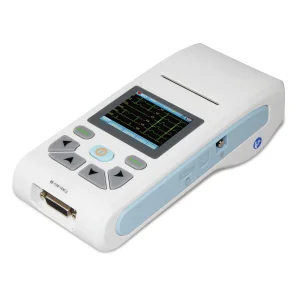
Wholesale New Handheld 2.8'' Display 3/6/12 Lead Electrocardiograph ECG90A ECG Machine Manufacturer, Pricelist
Request OEM Quote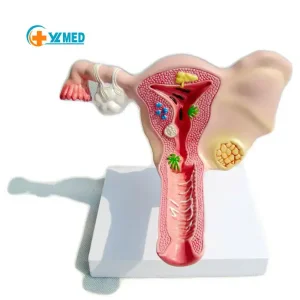
OEM Factory Manufacture Medical Gynaecology Female Ovarian Reproductive Structure Ovarian Uterus Model Manufacturers, Factory
Request OEM Quote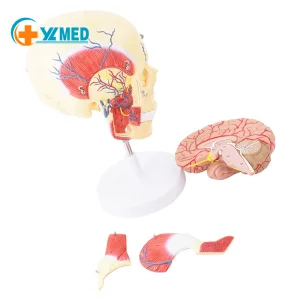
OEM Human anatomical model of the maxillofacial anatomy of masticatory muscles Masseter temporalis trigeminal nerve Manufacturer, Factory
Request OEM Quote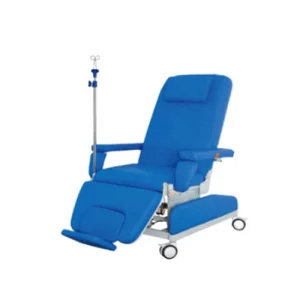
Wholesale Hospital Furniture Multifunctional Adjustable Medical Blood Donation Collection Electric Dialysis Chair Infusion Chair Factory, Service
Request OEM Quote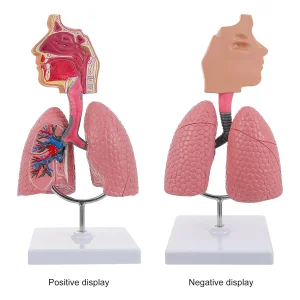
Wholesale Human Nasal Cavity Throat Anatomy Model Human Lung Model Respiratory System Lung Model Teaching Tool for Students Study Display Manufacturers, Factories
Request OEM Quote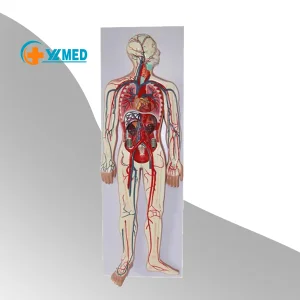
ODM Blood Circulation Model Anatomical Circulatory System Model Heart Visceral Organ Anatomical Model Medical Teaching Aids Quotes, Service
Request OEM Quote