OEM Stainless Steel Autoclave Pricelist & Quotes
A procurement-grade guide to 304/316L steam sterilizers, pressure-vessel specifications, validation documentation and regional compliance for distributors, hospitals, laboratories and tender teams.
Mixed-Tender Fast Quote Directory for OEM Distributors
Autoclave RFQs rarely travel alone. Distributors and hospital groups often consolidate sterilization equipment with anatomy models, dental devices, laboratory instruments and clinical furniture in a single tender. The following 8 existing product links are retained from the Yulin Medical catalogue so buyers can request a combined quotation.
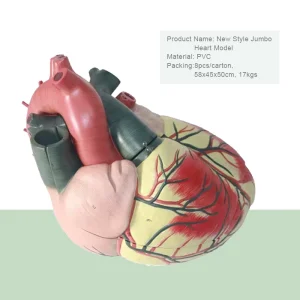
OEM Medical science Advanced Medical Supplies Human Teaching resources educational Heart Anatomical Model For Medical School Factories, Pricelist
View Product & Request Quote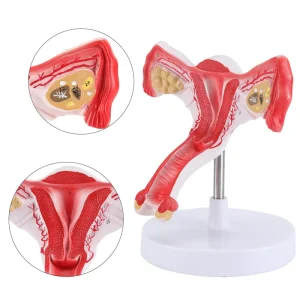
China Anatomical model of female uterus with ovary Manufacturer, Quotes
View Product & Request Quote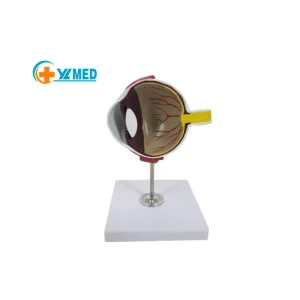
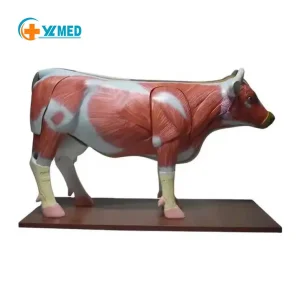
China Biology Science Education Equipment Veterinary Medical Simulation Animal Dog Anatomy Model Canine Eye Model Manufacturer, Manufacturers
View Product & Request Quote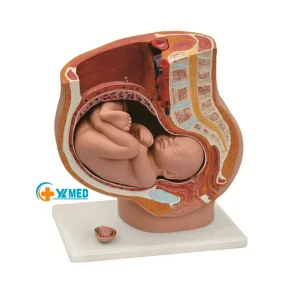
ODM Human Female Pelvic Section Pregnancy Anatomical Model Nine Months Baby Fetus Model Life Size with Removable Organs 4-Parts Manufacturer, Manufacturers
View Product & Request Quote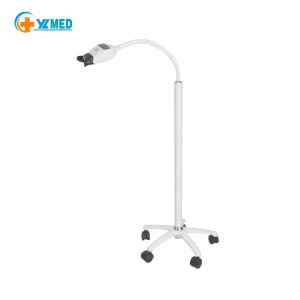
OEM Dental tooth whitening instrument dental clinic tooth beauty whitening machine cold LED tricolor lamp Manufacturers, Pricelist
View Product & Request Quote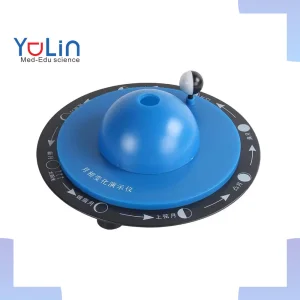
ODM Diameter 25cm Moon Phase Change Demonstration Instrument Environmental protection PVC Material Moon Phase Change Causes Manufacturer, Manufacturers
View Product & Request Quote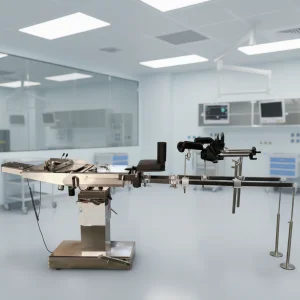
Wholesale Medical Equipment Stable Surgical-grade High-strength Ergonomic Stainless Steel Carbon-fiber Orthopedic Traction Device Manufacturers, Factory
View Product & Request Quote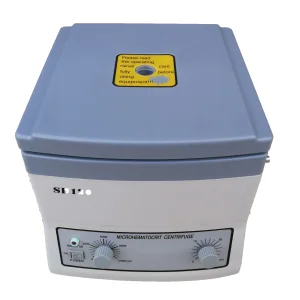
OEM Hot Sale Good Quality Laboratory Normal Speed Centrifugal Fans Centrifuge Machine Manufacturer, Quotes
View Product & Request QuoteHow to Read an OEM Stainless Steel Autoclave Pricelist
A stainless steel autoclave is not a commodity box with a heater. In 2025, the difference between a low initial quote and a genuinely competitive OEM quote is the validated sterilization lifecycle: chamber geometry, pressure-vessel design, control redundancy, utility compatibility, documentation, installation, training and spare-parts continuity.
Buyers searching for an OEM stainless steel autoclave pricelist usually want a benchmark before they release a tender. The most useful pricelist is therefore not a single number. It is a structured quote architecture that allows procurement teams to compare chamber volume, material grade, vacuum class, control platform, certification package, freight terms and after-sales support on the same basis. A 50-litre benchtop unit and a 1,000-litre horizontal pass-through sterilizer should never be compared as if they were the same product.
This white paper is written for distributors, hospital CSSD managers, laboratory planners and tender consultants who need to defend a purchasing decision. It combines Yulin Medical’s manufacturer experience with a practical framework for information gain: how to turn a vague request for “best price” into a documented, comparable and validation-ready RFQ. Project-specific compliance must always be confirmed in the final technical agreement and contract.
Why Stainless Steel Autoclaves Remain a Strategic Procurement Category
Steam sterilization remains the backbone of infection prevention, laboratory reproducibility and pharmaceutical aseptic processing. The global commercial landscape is shaped less by a single “autoclave market” than by several connected demand pools: hospital central sterile services departments, dental chains, university laboratories, veterinary clinics, biotech start-ups, pharmaceutical contract manufacturers, food-testing laboratories and public-health programmes. Each pool has different tolerances for lead time, documentation and lifecycle cost.
Three structural shifts are visible. First, buyers are moving from isolated equipment purchases to validated sterilization workflows, especially where accreditation and audit trails are required. Second, procurement teams are rebalancing lowest-price sourcing with supply continuity, spare-parts availability and remote technical support. Third, OEM and private-label demand is rising among distributors who want localized branding, voltage variants, language interfaces and tender-specific packaging. This is where a manufacturer’s documentation discipline becomes as important as its welding quality.
Asia-Pacific
Hospital new builds, dental chains and laboratory expansion drive demand for compact and mid-size units with export packaging, 220–240V options and fast spare-parts supply.
Europe
Procurement emphasizes pressure-equipment compliance, traceability, energy efficiency, pass-through configurations and full documentation packs for audits.
North America
ASME expectations, electrical-code alignment, validation support and service response often outweigh a small price difference in the final award.
Middle East
High ambient temperature, water hardness and dust control require robust utility planning, corrosion-conscious materials and clearly written maintenance schedules.
Africa & Latin America
Voltage stability, operator training, long-distance installation support and modular utility packages are central to lifetime value.
From “Pricelist” to a Validated RFQ: Five Buyer Intent Layers
Semantic search success depends on answering what the buyer means, not only what the buyer types. A query for “OEM stainless steel autoclave price” can hide five different commercial intentions.
1. Price Benchmark
“What should a 100L or 300L autoclave cost?” The real answer is a range tied to material, vacuum, controls and certification.
2. Technical Fit
“Do I need vertical, horizontal, benchtop, Class B, pre-vacuum or pass-through?” Load pattern and validation goals decide.
3. Compliance Proof
“Can you support PED, CE, ASME, ISO 13485 or local registration?” Documentation scope must be quoted, not assumed.
4. OEM Commercial Terms
“Can you private-label, customize voltage, packaging and manuals?” OEM depth determines distributor resale value.
5. Lifecycle Cost
“What happens after installation?” Energy, water, spare parts, calibration and training decide the true cost of ownership.
Eight Variables That Change an OEM Stainless Steel Autoclave Quote
Two suppliers can both quote “300L stainless steel autoclave” and still be separated by a wide margin. Compare the following eight variables line by line before awarding a contract.
1. Chamber Volume & Load Pattern
Useful volume, basket configuration, shelf count, trolley compatibility and door clearance all affect engineering effort and price.
2. 304 vs 316L Stainless Steel
304 is common for general steam sterilization; 316L is often specified for corrosive environments, pharmaceutical duty or stricter cleanability requirements.
3. Pressure Vessel & Jacket Design
Design pressure, welding method, relief protection, insulation and jacket performance are safety-critical and should be documented.
4. Control & Validation Level
PLC, HMI, recipe management, cycle records, user access, alarm history and IQ/OQ/PQ support can materially change the quotation.
5. Vacuum, Drying & Water Recovery
Pre-vacuum, post-vacuum, vacuum pump selection, drying performance and water-reuse options influence utilities and cycle time.
6. Certification & Documentation
Material certificates, pressure-test reports, calibration records, electrical drawings, risk assessment and packing lists must be quoted explicitly.
7. OEM, MOQ & Incoterms
Private-label manuals, packaging, voltage variants, mixed-container loading, FOB/CIF/DDP terms and MOQ all affect the landed cost.
8. Service, Spares & Training
Remote diagnostics, consumables, door gaskets, pumps, filters, installation supervision and operator training protect uptime.
A defensible OEM quote should identify what is included, what is optional, what is excluded and which document is issued at which project milestone. Vague “all certification included” claims create avoidable risk in tenders and import registration.
From Manual Sterilization to Connected, Low-Carbon Sterilization Cells
The autoclave is evolving from a standalone pressure vessel into a data-producing part of the hospital or laboratory workflow. The roadmap below is a practical way to discuss future readiness with suppliers.
Manual & Benchtop Base
Simple controls, smaller chambers and basic safety features serve clinics, dental rooms and teaching laboratories with limited utilities.
Automatic Horizontal Platform
Programmable cycles, automatic door options, improved insulation and larger baskets support higher throughput in CSSD environments.
Pre/Post-Vacuum & Drying
Vacuum-assisted air removal, post-vacuum drying and validated load patterns improve performance for wrapped instruments and hollow loads.
Pass-Through & Clean-Zone Design
Dual-door configurations support clean/dirty separation in hospitals, pharmaceutical suites and high-containment laboratories.
Digital Traceability
Cycle records, user permissions, audit trails, remote diagnostics and calibration reminders create a stronger validation and maintenance ecosystem.
Low-Carbon & Predictive Service
Heat recovery, water reuse, energy monitoring and condition-based maintenance will increasingly shape total cost of ownership.
Future-facing features should be purchased only when they solve a documented workflow problem. A connected autoclave without trained operators and reliable utilities is not a digital transformation; it is a maintenance risk.
Engineering for Real-World Sterilization Scenarios
Hospital CSSD
High-throughput wrapped loads, traceability, pass-through planning, trolley logistics and validated training for sterile-processing staff.
Dental Clinics & Chains
Compact Class B-style workflows, fast turnaround, easy-to-read cycles, water-quality planning and private-label packaging for distributors.
Research & University Labs
Media preparation, glassware, waste decontamination, small-batch flexibility and space-efficient benchtop or vertical options.
Pharmaceutical & Biotech
Validation evidence, cleanability, material traceability, load mapping, utilities redundancy and documentation discipline.
Veterinary & Public Health
Durable daily cycles, simple maintenance, training support and voltage/water flexibility in field or regional facilities.
Food & Environmental Testing
Reliable media and waste sterilization, audit-friendly records and robust operation in humid or high-dust environments.
From First RFQ to a Validated Sterilization Cell
A strong supplier sells a workflow, not a product photograph. Use this five-stage process to keep technical, commercial and quality teams aligned.
Share Requirements
Send product types, quantities, target market and any tender or certification needs.
Catalog & Proposal
Receive matched models, specifications, packaging options and shipping suggestions.
Sample Evaluation
Test samples with your instructors or clinicians before confirming bulk production.
Production & QC
Manufacturing and inspection follow our ISO 9001 quality management system.
Export & Support
Protective export packing, delivery coordination and responsive after-sales service.
Validation deliverables to request
- Material certificates for chamber and critical wetted parts
- Pressure-test and inspection records
- Electrical drawings, utility requirements and installation plan
- Calibration certificates for temperature and pressure instruments
- IQ/OQ/PQ support scope, cycle development evidence and training records
- Spare-parts list with lead times and recommended critical spares
Utility & site readiness checklist
- Steam, compressed air, water quality and drain capacity
- Voltage, phase, frequency, breaker sizing and earthing
- Floor loading, door clearance, service access and ventilation
- Ambient temperature, humidity, dust and corrosion exposure
- Loading trolleys, baskets, wrapping method and throughput target
- Operator training, maintenance plan and remote-support readiness
OEM Stainless Steel Autoclave RFQ Checklist
Use these eight specification blocks to normalize quotations from different manufacturers.
Capacity & Load
State usable chamber volume, number of shelves, basket type, trolley height and maximum load weight. Do not quote only by external dimensions.
Chamber Material
Specify 304 or 316L, surface finish, insulation, jacket design and documentation requirements for traceability.
Door & Safety
Clarify manual or automatic door, safety interlock, relief protection, emergency operation and maintenance access.
Vacuum & Class
Define gravity displacement, pre-vacuum, post-vacuum, drying depth and load type so that the offer matches the clinical or laboratory workflow.
Control Platform
Request HMI language, recipe storage, cycle records, user levels, alarm log and data export format for audits.
Utility Envelope
Provide actual site data for steam, water, air, power, drain and ambient conditions. This prevents late-stage change orders.
Documentation
List every required certificate, drawing, manual and validation document in the RFQ, including language and legalization needs.
Service Model
Ask for installation scope, warranty terms, response process, spare-parts lead time and remote-diagnostics capability.
A Six-Decade Manufacturer Trusted by Educators and Clinicians
Henan Yulin Edu. Project Co., Ltd. (Yulin Medical) has built educational and medical training equipment in Xinxiang, China, for more than six decades. Our quality management system has been ISO 9001 certified since 2008, and our motto is simple: quality first, service first. Every order is produced and inspected so that distributors, medical universities, nursing colleges and hospitals receive consistent, well-documented products on every batch.
Founded in 1958, Henan Yulin Edu. Project Co., Ltd. has grown into a well-known educational and medical equipment supplier that integrates scientific research, production and sales. With registered capital of RMB 120 million and more than 200 professional employees, we manage product development, manufacturing, inspection and export from our base at No. 8 Daoqing Road, Hongqi District, Xinxiang.
Our goal is to fully satisfy every customer through dependable quality and attentive service, while continuously developing the skills of our team so that each project is handled by experienced people. For autoclave-related OEM projects, this same documentation-minded approach is applied to technical review, packaging coordination, inspection evidence and export communication.



Factory, Product & Export Media
Original Yulin Medical media assets retained for transparency and buyer verification.
 Medical teaching & training equipment
 Anatomy & skeleton models
 CPR & nursing simulation
 Hospital furniture & equipment
 Global export service
 Anatomy model collection
 Clinical skills training
 Hospital equipment range
Why Distributors and Institutions Partner with Yulin Medical
Four strengths overseas buyers consistently cite when they move long-term orders to our factory.
24/7 Responsive Service
Our team is online 24 hours a day, 7 days a week. Whatever your time zone, you receive a detailed answer as quickly as possible — typically within 24 hours.
Design & Packaging Team
In-house specialists deliver professional product design and private-label packaging that strengthens your brand and increases the added value of every unit you sell.
Professional Expertise
Our vision is to provide the most professional educational and medical training products from mainland China, built under ISO 9001 process control and decades of category knowledge.
60+ Years of Supply Stability
A factory with over 60 years of history and a deeply integrated partner supply chain lets us meet one-stop demands and keep lead times predictable on repeat orders.
Complete Sourcing for Medical Education & Clinical Use
Ten specialised product lines let procurement teams source simulation, lab and hospital equipment from one accountable manufacturer instead of managing multiple suppliers.
Anatomy Models
Torso, organ, heart, brain and muscle models with numbered structures for lectures and patient education.
View range → 02Biology Prepared Slides and Accessories
Histology, botany and zoology prepared slides plus storage and microscope accessories for biology labs.
View range → 03Dental Tools and Equipment
Dental teaching models, clinic lights, LED whitening units and endodontic instruments for training and practice.
View range → 04General Teaching Models
Science demonstration models for primary schools, secondary schools and education equipment tenders.
View range → 05Hospital Furniture and Equipments
Stainless steel examination couches, stretchers, walkers and shower chairs built for daily clinical use.
View range → 06Hospital Machine and Tools
Diagnosis and treatment devices and practical tools for wards, clinics and emergency departments.
View range → 07Medical Apparatus and Instruments
Emergency splints, extrication devices, cervical traction and rehabilitation instruments.
View range → 08Medical Nursing Model
Adult, child and neonatal CPR manikins, ACLS simulators and AED trainers for skills assessment.
View range → 09Skeleton Models
Life-size and desktop skeletons, skulls, spines and joint models for osteology teaching.
View range → 10Suture Pads and Kits
Realistic skin suture pads and complete instrument kits for surgical and wound-closure practice.
View range →Featured CPR, Emergency & Rehabilitation Equipment
Best-selling simulation manikins, first-aid devices and mobility aids requested by training centres, ambulance services and healthcare distributors.

Advanced Full-Body CPR Training Manikin with 8" Color Feedback Display



Neonatal ACLS Training Manikin Aligned with AHA 2020 Guidelines








News & Practical Insights from Our Specialists
Exhibition updates and hands-on guidance written by the team that designs and builds our products.

Do You Really Know How to Observe Biological Prepared Slides?
Many plant and animal cell structures can only be studied under a microscope, which makes prepared biological slides essential in every biology lab. Yet many users never get the full value from them. Our specialists explain how to handle, focus and store slides correctly so students see clearer detail and your slide sets last for years.

The 5th Henan Provincial Educational Equipment Expo Concludes Successfully
Themed “Digital Leading Innovation and Development”, the expo reached a record 50,000 m² with 600+ brands and 10,000+ products on display, showcasing the latest educational equipment.

Inside Our Product Showroom
A look at the medical teaching models and training equipment buyers can inspect in person when visiting our Xinxiang facility.
OEM Stainless Steel Autoclave & Yulin Medical FAQ
Direct answers to the questions procurement managers ask before releasing an RFQ or placing a first order.
Is Yulin Medical a manufacturer or a trading company?
What quality certification does Yulin Medical hold?
Do you support OEM, private label and custom packaging?
How do I choose the right CPR training manikin?
How quickly will I receive a reply?
Can you provide a formal OEM stainless steel autoclave pricelist?
What information is needed for an accurate autoclave quotation?
Should I choose 304 or 316L stainless steel?
How should I compare autoclave quotes from different suppliers?
Can Yulin Medical support mixed containers with other product lines?
Need Specifications, a Price List or a Tender Package? We Reply Within 24 Hours.
Tell us your target market, quantities and certification requirements. Our product specialists will recommend suitable models, share detailed specifications and propose the most economical shipping plan for your order.
Direct Channels
Additional OEM Product Links for Combined Quotation Requests
These 8 retained product links complete the original Yulin Medical catalogue excerpt for buyers consolidating mixed medical, education and hospital-equipment orders.
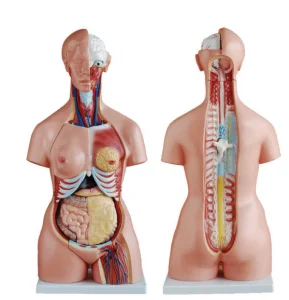
OEM 21 models of 85CM three-sex trunk Manufacturer, Manufacturers
View Product & Request Quote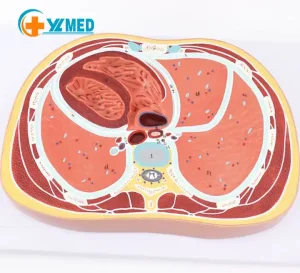
ODM Human thoracic cavity section model Factories, Quotes
View Product & Request Quote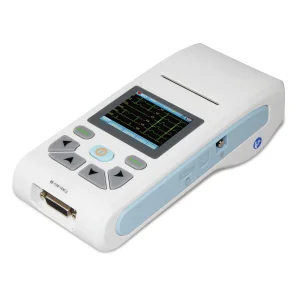
Wholesale New Handheld 2.8'' Display 3/6/12 Lead Electrocardiograph ECG90A ECG Machine Manufacturer, Pricelist
View Product & Request Quote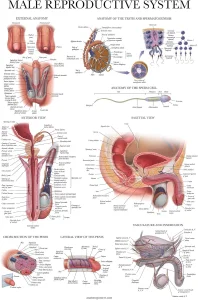
ODM Palace Learning Ligaments of the Joints Anatomical Poster - LAMINATED - Ligament Anatomy Chart Manufacturers, Pricelist
View Product & Request Quote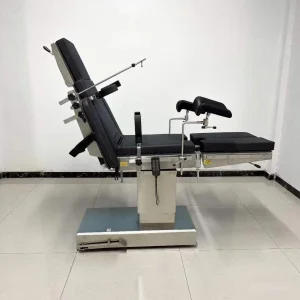
ODM Factory Outlet Medical Equipment Steel Material Manual Power Source Electric Operating Table Manufacturer, Quotes
View Product & Request Quote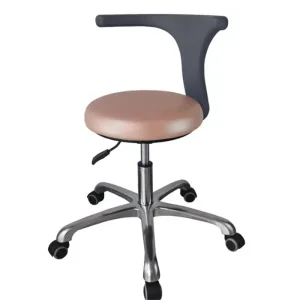
Wholesale Medical Hospital Adjustable Dental Stool Assistant Dentist Doctor Chair Factory, Pricelist
View Product & Request Quote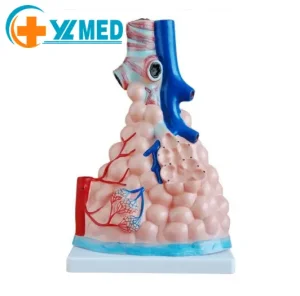
OEM Manufacturer Direct Medical Science Human Anatomical Model Enlarged Alveolus Pulmonis Model Picture High Quality PVC Material Manufacturer, Quotes
View Product & Request Quote