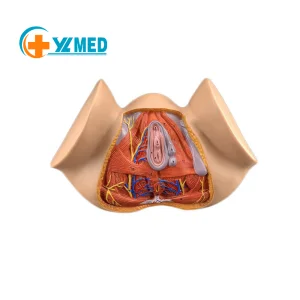
OEM Silicon Hand For Mehendi Manufacturers & Pricelist
A buyer-focused guide to silicone mehndi practice hands, private-label manufacturing, factory price structure and global procurement — with an industrial reference from Henan Yulin Edu. Project Co., Ltd.
Factory Product Reference — First 8
These current factory product references illustrate silicone, anatomical hand, training-pad and export-packaging capabilities that OEM silicon hand for mehendi buyers should evaluate when comparing manufacturers and pricelists.
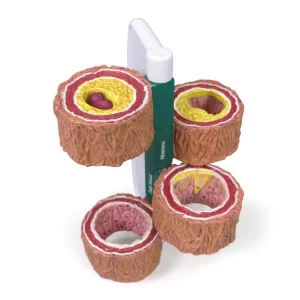
China Anatomicals - 4-Piece Artery Model, Replica of an Artery with Plaque for Human Anatomy and Physiology Education, Anatomy Model for Doctor's Offices and Classrooms, Medical Learning Resources Factory, Quotes
View Product & Request Price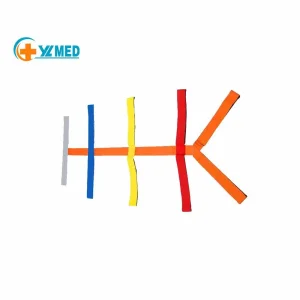
OEM Cross-Mirror Exclusive Spinal Board Emergency Bead Strap Binding Manual Power Source Special Safety Strap for Medical Training Manufacturers, Service
View Product & Request Price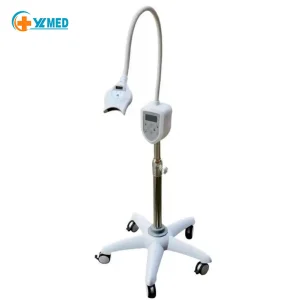
Wholesale Dental medical equipment tooth whitening instrument digital display panel laser tooth whitening equipment Manufacturers, Factories
View Product & Request Price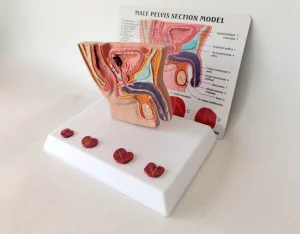
OEM Human Male Pelvis Cavity Sagittal Disease Anatomy 4 Stages Pelvic Cavity Medical Science Anatomical Model Factory, Quotes
View Product & Request Price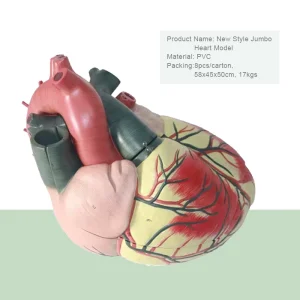
OEM Medical science Advanced Medical Supplies Human Teaching resources educational Heart Anatomical Model For Medical School Factories, Pricelist
View Product & Request Price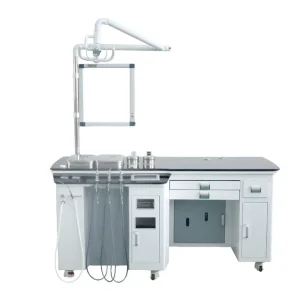
China Medical Equipment High Quality Hospital Medical Surgical ENT Instruments Operating Workstation Unit Manufacturers, Factories
View Product & Request Price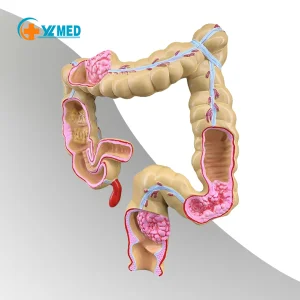
China Large intestine rectum pathology medical anatomical model Medical teaching used human pathological colon model Manufacturer, Factory
View Product & Request Price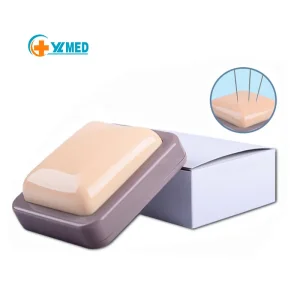
China Medical Student Exercises Beginner Acupuncture Training Model Simulation Human Skin Silicone Training Pad Manufacturer, Factories
View Product & Request PriceSearch Intent Snapshot: What Buyers Really Need
Buyers searching for OEM silicon hand for mehendi manufacturers & pricelist usually have one of four jobs: finding a factory for a private-label practice hand, validating a price list before a tender, comparing silicone quality for henna training, or consolidating beauty-training products for distribution. A useful page must answer those jobs with evidence, not only a catalog.
Commercial investigation
Buyers compare factory capability, MOQ, lead time, sample quality and packaging before they trust a public price list.
Private-label growth
Distributors need logo printing, retail boxes, barcodes, market-specific skin tones and consistent repeat batches.
Pricelist validation
Target price depends on mold cost, silicone grade, hand construction, painting detail, order volume and shipping terms.
Application fit
Henna stain behavior, finger flexibility, realism, cleaning method and durability matter more than a generic “silicone hand” label.
Global Commercial & Industrial Status
Silicone practice hands sit at the intersection of beauty education, henna art and OEM silicone manufacturing. Demand is not a single global market. In the Middle East and South Asia, practice hands support bridal mehndi and festival training. In Europe and North America, buyers emphasise hygiene, skin-safe materials and retail-ready kits. In Southeast Asia, Africa and Latin America, distributors prioritise affordable MOQ and durable training surfaces. China remains a major sourcing cluster because it combines mold-making, silicone compounding, hand painting and export packaging in one supply chain.
Buyer priority index based on common RFQ patterns in beauty-training OEM projects. Use it for procurement planning, not as a statistical survey.
China Factory Efficiency Advantage
China’s advantage is not simply low labour cost. For silicone mehendi hands, efficiency comes from mold reuse, material discipline, multi-cavity tooling, local packaging and mature export documentation. A factory that already produces silicone anatomical hands and silicone skin training pads can transfer critical skills: skin texture, palm and finger detail, colour matching, demolding control and batch-to-batch consistency.
Mold & tooling speed
In-house or clustered mold shops shorten design iterations. Stock molds reduce initial cost; custom molds support brand-differentiating hand shapes.
Silicone material control
Platinum-cured and food-grade silicone options are available. Buyers should specify hardness, tear strength, odour, colour fastness and stain resistance.
Flexible line efficiency
Small-batch manual painting can run beside larger injection or compression lines, enabling both academy orders and distributor volumes.
QC discipline
ISO 9001 process control, 100% visual inspection, leak and tear checks, colour matching under daylight and packaging verification reduce returns.
Private-label export
Logo, retail box, barcode, instructions, carton marks and consolidated shipments help distributors sell under their own brand.
Factory reference: Henan Yulin Edu. Project Co., Ltd. was founded in 1958, has been ISO 9001 certified since 2008, operates with 200+ professional staff and RMB 120 million registered capital, and manages 10 product lines with a 24-hour reply commitment. Its silicone hand and training-pad experience is relevant when buyers evaluate OEM mehendi hand manufacturing disciplines.
Localised Application Scenarios
A single silicone hand specification rarely fits every market. Localised applications affect skin tone, hand size, finger pose, packaging language and price band.
Middle East & North Africa
Bridal mehndi, Eid and Ramadan demand realistic hands that show fine lines and stain contrast. Right-hand and left-hand variations, full-hand and forearm practice sets are common.
South Asia
Wedding-season training requires durable finger control for intricate patterns. Academies prefer flexible fingers, washable surfaces and class-pack pricing.
Europe & North America
Hygiene-conscious salons ask for skin-safe silicone, easy cleaning and retail-ready starter kits with instructions and QR tutorials.
Southeast Asia, Africa & Latin America
Distributors prioritise affordable MOQ, durable training surfaces, fast replenishment and packaging that suits local e-commerce and beauty supply chains.
Industry Development Trends
The next buying cycle will favour manufacturers who can document materials, customise quickly and support retail packaging, not only mold a generic hand.
Life-cast realism
3D scanning, skin pores, knuckle creases and palm lines create practice hands that behave more like real skin under henna.
Articulated fingers & wrist
Flexible joints support natural grip and flowing mehndi lines, improving training value for certification courses.
Anti-stain & easy-clean surfaces
Quick cleaning between students reduces colour transfer and extends service life in high-volume academies.
Skin-safe & sustainable silicone
Low-odour, phthalate-free and recyclable material claims require supporting test reports and clear labelling.
Retail-ready starter kits
Practice hand, henna cones, aftercare, instructions and QR tutorials turn a generic OEM item into a branded kit.
Global Enterprise Procurement Demand
Distributors & wholesalers
Need consistent quality, private label, 500–2,000 pcs per SKU, mixed-category consolidation and predictable repeat lead times.
Beauty academies & training centres
Need realistic hands, durability under repeated cleaning, class packs and replacement parts that keep courses running.
Salon chains & e-commerce brands
Need packaging, barcode, social-media-ready realism, fast replenishment and differentiation from generic marketplace sellers.
RFQ data checklist
- Application: academy, salon, retail kit or distributor pack
- Material grade, hardness, colour tone and stain requirement
- Hand type: single-side, dual-side, articulated finger or flexible wrist
- MOQ, packaging, logo, barcode, instruction language and target price
- Certification, test report, destination port and Incoterm
Quote comparison framework
Compare ex-works price, mold cost, sample fee, packaging cost, carton size, gross weight, lead time, inspection report and after-sales terms. The lowest unit price is not always the lowest landed cost.
Ask every “manufacturer” for factory evidence: workshop photos, process video, sample traceability and a named QC contact.
Indicative OEM Pricelist & Cost Drivers
The price bands below are indicative 2025 ex-works reference ranges for planning. Final quotations depend on material grade, hand construction, painting detail, mold ownership, packaging and order volume.
Pricelist note: ask for a quotation with material certificate, sample policy, carton dimensions and lead-time validity. A responsible manufacturer will separate mold cost from piece price and state whether freight, tax and packaging are included.
Factory Reference: Henan Yulin Edu. Project Co., Ltd.

Founded in 1958, Henan Yulin Edu. Project Co., Ltd. has grown into a manufacturer of educational and medical training equipment integrating scientific research, production and sales. Registered capital is RMB 120 million, with more than 200 professional employees. The quality management system has been ISO 9001 certified since 2008. The factory is located at No. 8, Daoqing Road, Industry Park, Hongqi District, Xinxiang, Henan, China. Its motto is quality first, service first.
For mehendi-hand buyers, Yulin’s silicone hand anatomical models and silicone skin training pads show relevant capabilities in skin-texture molding, hand anatomy, colour matching and batch inspection. Buyers should still validate henna compatibility, stain resistance, material certificates and retail packaging against their own market requirements.
Original Product Categories Preserved from the Factory Reference
Anatomy Models
Torso, organ, heart, brain and muscle models with numbered structures for lectures and patient education.
Biology Prepared Slides and Accessories
Histology, botany and zoology prepared slides plus storage and microscope accessories for biology labs.
Dental Tools and Equipment
Dental teaching models, clinic lights, LED whitening units and endodontic instruments for training and practice.
General Teaching Models
Science demonstration models for primary schools, secondary schools and education equipment tenders.
Hospital Furniture and Equipments
Stainless steel examination couches, stretchers, walkers and shower chairs built for daily clinical use.
Hospital Machine and Tools
Diagnosis and treatment devices and practical tools for wards, clinics and emergency departments.
Medical Apparatus and Instruments
Emergency splints, extrication devices, cervical traction and rehabilitation instruments.
Medical Nursing Model
Adult, child and neonatal CPR manikins, ACLS simulators and AED trainers for skills assessment.
Skeleton Models
Life-size and desktop skeletons, skulls, spines and joint models for osteology teaching.
Suture Pads and Kits
Realistic skin suture pads and complete instrument kits for surgical and wound-closure practice.
Why Distributors and Institutions Partner with the Factory
24/7 Responsive Service
The export team is online 24 hours a day, 7 days a week. Whatever the time zone, buyers receive a detailed answer as quickly as possible — typically within 24 hours.
Design & Packaging Team
In-house specialists deliver product design and private-label packaging that strengthens brand presentation and increases the resale value of every unit.
Professional Expertise
The vision is to provide professional educational and medical training products from mainland China, built under ISO 9001 process control and decades of category knowledge.
60+ Years of Supply Stability
A factory with over 60 years of history and a deeply integrated partner supply chain helps meet one-stop demands and keep lead times predictable on repeat orders.
A Transparent 5-Step Process for Overseas Buyers
Share Requirements
Send product types, quantities, target market and any tender or certification needs.
Catalog & Proposal
Receive matched models, specifications, packaging options and shipping suggestions.
Sample Evaluation
Test samples with instructors or clinicians before confirming bulk production.
Production & QC
Manufacturing and inspection follow the ISO 9001 quality management system.
Export & Support
Protective export packing, delivery coordination and responsive after-sales service.
Original Factory Buyer FAQ
Is Yulin Medical a manufacturer or a trading company?
We are a manufacturer. Henan Yulin Edu. Project Co., Ltd. was founded in 1958 and operates its own factory in Xinxiang, Henan, China, with more than 200 professional staff. For one-stop orders, we also coordinate a stable network of long-term partner factories.
What quality certification do you hold?
The quality management system has been ISO 9001 certified since 2008. Product-specific documentation can be provided on request to support tenders and import registration.
Do you support OEM, private label and custom packaging?
Yes. The in-house design team develops private-label packaging and product presentation for distributors, helping increase shelf appeal and resale value in the target market.
How quickly will I receive a reply?
The export team is online 7 days a week and typically replies within 24 hours with catalogs, specifications and shipping options.
OEM Silicon Hand for Mehendi: Buyer Q&A
These answers address the questions most often raised by distributors, academies, salon chains and e-commerce brands before they place a first OEM order.
What is an OEM silicone hand for mehendi?
It is a silicone practice hand manufactured to a buyer’s specification for henna training. OEM scope can include hand size, skin tone, finger pose, palm detail, hardness, logo, retail box, barcode and instruction language. The best suppliers separate “stock sculpt” from “custom sculpt” because tooling cost and lead time differ significantly.
Which silicone is best for henna practice?
Platinum-cured silicone is often preferred for low odour and stable colour, while food-grade or skin-safe silicone may be specified for consumer-facing kits. Buyers should test henna stain behavior, cleaning, tear strength and colour fastness under their actual usage conditions. Ask for material documentation rather than accepting a generic “food-grade” claim.
What MOQ and sample lead time should I expect?
For stock molds, many factories quote 500–1,000 pieces per colour or packaging variant. Custom molds often require higher volume or a separate mold fee. Sampling typically takes 7–15 days for stock molds and longer for fully custom sculpts. Bulk production commonly falls in the 18–30 day range after sample approval and deposit.
Can you print our logo and produce custom packaging?
Yes, private-label packaging is a standard OEM request. Confirm logo method, retail box material, barcode, warning labels, instruction language and carton marks before production. For distributor brands, a packaging mock-up and pre-production sample reduce the risk of costly reprints.
How should buyers compare OEM pricelists?
Compare the ex-works piece price with mold cost, sample fee, packaging, carton size, gross weight, lead time, certification and inspection terms. A low unit price with weak packaging or inconsistent colour can produce a higher landed cost after returns and reorders. Ask whether the quoted lead time is for stock molds or custom tooling.
How do I verify quality before a bulk order?
Request a pre-production sample, check surface texture, finger flexibility, skull and wrist stability, colour uniformity, odour and stain behavior. Ask for an inspection plan and confirm the AQL level. For academy orders, run a short classroom trial before scaling to a full distributor order.
More Factory Product References — Remaining 8
Additional factory product references preserved from the original source, shown with their original images and product URLs.
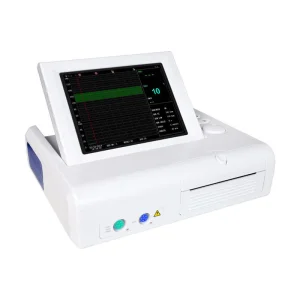
China aby Heart Fetal Monitor Price Hospital Pregnancy Doppler Fetal Monitor Manufacturers, Factory
View Product & Request Price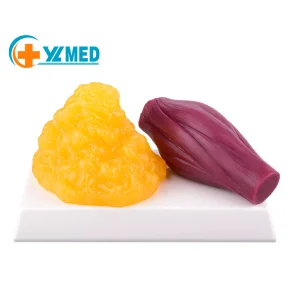
China Fat Replica 1 lb & Muscle Replica 1lb with Display Base, Great Motivator and Reminder for Fitness, Demonstration Model for Nutritionist, Anatomical Model Manufacturers, Pricelist
View Product & Request Price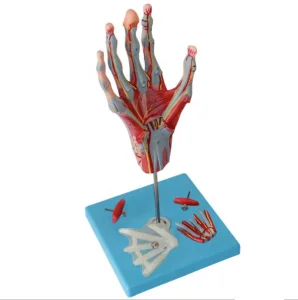
OEM Human Hand Anatomical Model with Muscles & Blood Vessels, Medical Teaching Equipment Manufacturer, Manufacturers
View Product & Request Price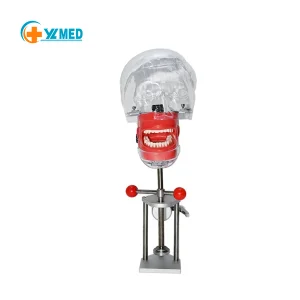
OEM Dental Phantom Head Model Manikin Resin Transparent Dental Training Model Dental School Student Practice Class Course Lab CE/ISO Manufacturers, Factories
View Product & Request Price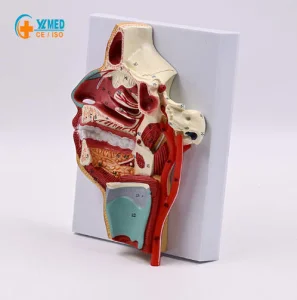
Wholesale Medical Science Human Oral Nasopharyngeal and Laryngeal Vascular and Nerve Model Teaching Resource Laboratory Manufacturers, Quotes
View Product & Request Price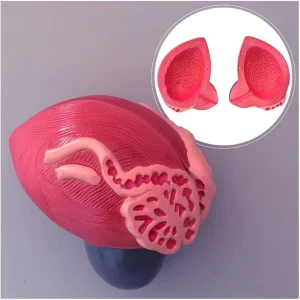
ODM Enlarging human bladder model for medical teaching Quotes, Service
View Product & Request Price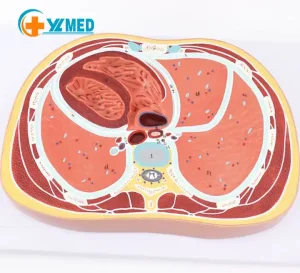
ODM Human thoracic cavity section model Factories, Quotes
View Product & Request Price