
Featured Medical Equipment for Distributors and Training Teams
Explore selected medical education, anatomical, dental, emergency, and clinical support products. Every item can be discussed as part of a mixed-category sourcing plan, private-label project, or tender package.
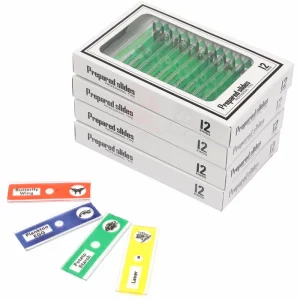
China 12pcs/set Plastic Prepared Microscope Slides Animals Insects Plants Flowers Sample Microscope Slides with Specimens for Kids Learning Pricelist, Service
View Product & Request Quote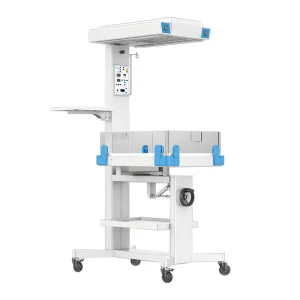
ODM Medical Neonatal Heat Radiant Warmer Baby Emergency Equipments Infant Radiant Warmer Manufacturers, Service
View Product & Request Quote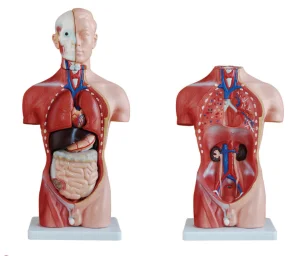
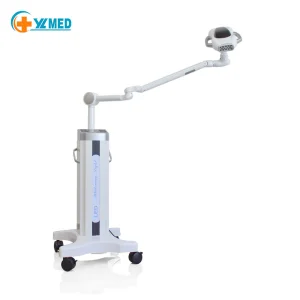
China Cold-light tooth whitening instrument for dentistry oral clinic beauty salon blue LED cold-light whitening instrument Manufacturer, Manufacturers
View Product & Request Quote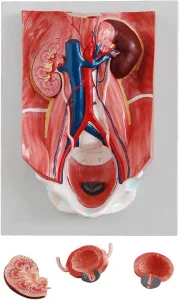
ODM Human Urinary System Model - Human Vesicoureteral Vascular Teaching Model - Kidney Organs Structure Anatomy Model for Medical Education and Learning Manufacturer, Factory
View Product & Request Quote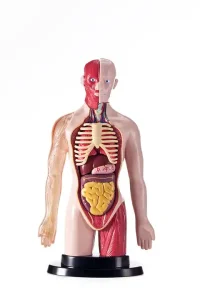
OEM Plastic assembled anatomical model children's toys education human anatomy science experiment human toys for kids Manufacturers, Quotes
View Product & Request Quote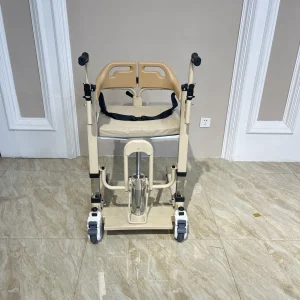
OEM Hydraulic Adjustable Patient Lifting and Transfer Chair with 200kg Capacity Foldable Design for Disabled Person Moving Quotes, Service
View Product & Request Quote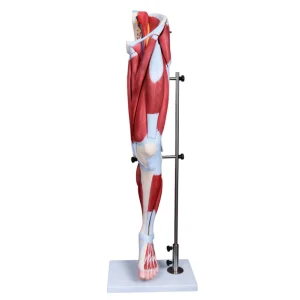
China High Quality Medical Science Human anatomy Lower limb muscle anatomical model Detachable lower limb muscle anatomical model Factories, Pricelist
View Product & Request QuoteProduct availability, lead time, customization options, and regulatory documents vary by model and destination market. Confirm specifications in writing before ordering.
OEM Portable Syringe Pump Sourcing with Clinical-Grade Discipline
An OEM portable syringe pump programme is not a simple hardware purchase. Distributors, hospital groups, home-infusion providers, and public-health buyers need a factory that can translate clinical workflow into stable infusion performance, documentation, and local service.
For syringe pump projects, Yulin Medical applies the same factory-direct project discipline used across its medical education and hospital equipment range: clear technical specifications, design-for-manufacturing feedback, sample validation, batch traceability, private-label packaging, and one accountable contact from quotation to shipment. Where a project requires specialist infusion-pump tooling or regulatory registration, we structure the programme with vetted manufacturing partners and product-specific documentation so buyers can assess the full compliance path before committing.
Where Portable Syringe Pumps Create Clinical and Commercial Value
Portable syringe pumps are moving beyond the ICU into distributed care settings. The strongest OEM programmes start with the intended use environment, because battery strategy, alarm logic, mounting options, tubing compatibility, and user interface differ sharply between hospital, transport, and home care.
Hospital-at-Home & Palliative Care
Compact syringe pumps support continuous analgesia, antibiotics, hydration, and specialized therapies in home settings. Buyers increasingly request quiet operation, long battery runtime, simple caregiver interfaces, and remote support documentation for community nurses.
EMS & Inter-Facility Transport
Ambulance and transfer teams need secure pole or rail mounting, anti-bolus behavior, occlusion alarms, and resistance to vibration. Localized requirements may include high-visibility displays, glove-friendly controls, and rapid prime functions for urgent deployment.
NICU, PICU & Pediatric Infusion
Neonatal and pediatric care places a premium on low-flow accuracy, small-volume delivery, fine occlusion sensitivity, and clear dose-limit safeguards. A localized OEM pump may need weight-based drug libraries, language-specific alarms, and color-coded accessories.
ICU, OR & Infusion Suites
In high-acuity departments, portability complements volumetric pumps for precise, small-volume infusions. Procurement teams evaluate drug-library governance, event logs, battery swap workflows, EMR integration, and cybersecurity review before hospital-wide adoption.
From Precision Drive to Connected Infusion Ecosystem
A credible OEM portable syringe pump factory should be able to discuss the technical route, not only the price. The route map below reflects the capabilities distributors and clinical engineering teams commonly evaluate during product selection.
1. Precision Drive & Safety Architecture
Stepper or brushless motor control, lead-screw stability, syringe-clamp sensing, occlusion detection, anti-free-flow design, and calibrated flow accuracy form the mechanical core. The best OEM specifications define accuracy tolerance, bolus behavior, and alarm escalation clearly for each clinical use case.
2. Battery, Portability & Thermal Control
Portable use drives demand for hot-swappable batteries, fast charging, low-power displays, and thermal management that remains stable during transport. Market-specific power cords, chargers, and docking stations can be developed for local infrastructure and ambulance fleets.
3. Usability, Alarms & Drug Library
Human-factors engineering reduces use error: clear status messages, configurable alarm limits, dose-error-reduction systems, and intuitive loading instructions. For private-label projects, display graphics, alarm phrases, and quick-reference cards can be localized without changing the core platform.
4. Connectivity, Data & Cybersecurity
Modern buyers ask about Wi-Fi, Bluetooth, barcode scanning, EMR connectivity, HL7/FHIR data exchange, audit logs, and firmware update governance. Cybersecurity documentation, secure boot, access control, and post-market vulnerability handling are becoming tender-level requirements.
Resilience and Efficiency Without Sacrificing Traceability
China’s medical-device supply chain is attractive not simply because of cost, but because of component depth, engineering speed, and the ability to coordinate tooling, electronics, plastics, packaging, and documentation in one manufacturing ecosystem. For portable syringe pumps, that ecosystem matters because the device combines precision mechanics, motor control, sensors, batteries, firmware, user interface, and disposable compatibility.
A factory ecosystem that can move from sample to repeat order
Henan Yulin Edu. Project Co., Ltd. was founded in 1958 and operates from Xinxiang, Henan, with more than 200 professional staff and registered capital of RMB 120 million. Our ISO 9001 quality management system has been certified since 2008. We support distributors, medical universities, nursing colleges, hospitals, and procurement teams with factory-direct supply across ten product lines.
For OEM portable syringe pump programmes, this experience translates into disciplined project coordination: specification review, supplier qualification, incoming inspection, pilot builds, packaging validation, export consolidation, and after-sales spare-parts planning. Where specialized infusion-pump expertise is required, we work with qualified manufacturing partners and define responsibilities for design, testing, documentation, and change control before mass production.

Component Depth
Access to motors, sensors, displays, batteries, medical-grade plastics, tubing, connectors, and packaging suppliers helps shorten development cycles and reduce single-source risk.
Quality Process
ISO 9001 process control, incoming inspection, in-process checks, and final batch review create a documented quality trail for distributors and tender reviewers.
Pilot-to-Scale Efficiency
Prototype, validation batch, and mass production can be planned as one flow, with agreed tooling, fixtures, packaging, and sampling criteria to support a smooth scale-up.
Export Consolidation
Mixed-category orders, protective packaging, labeling, and one point of contact reduce administrative load for importers sourcing syringe pumps alongside other medical equipment.
What Distributors and Procurement Teams Should Watch
The global infusion-device market is being reshaped by aging populations, hospital-at-home programmes, nursing shortages, emergency preparedness, and the need to move care closer to patients. Price remains important, but total cost of ownership, serviceability, cybersecurity, and regulatory readiness increasingly decide long-term success.
Home-Care Expansion
Home infusion and palliative care create demand for lightweight pumps, caregiver-friendly training, remote troubleshooting, and robust rental or loaner programmes.
Hospital Modernization
ICUs, ORs, and infusion centers seek fleet consistency, EMR integration, drug-library management, and service contracts that reduce downtime and clinical variation.
Supply-Chain Diversification
Buyers are qualifying secondary suppliers and requesting documented change control. A factory with stable partners and clear escalation paths can reduce supply interruptions.
Tender & Reimbursement Pressure
Public tenders increasingly require training plans, spare-parts availability, warranty terms, traceability, and localized documentation, not only product specifications.
For an OEM programme, this means the factory and the distributor should decide early who owns product registration, clinical validation, post-market surveillance, field safety corrective actions, spare-parts stocking, and service training. A transparent division of responsibilities is a sign of maturity and helps protect both the brand owner and the end user.
Support That Reaches the Point of Care
Portable syringe pumps are medical devices with direct clinical consequences. Compliance cannot be treated as a last-minute document pack. Buyers need a supplier who can discuss regulatory pathways, technical files, labeling, training, and post-market obligations in practical terms.
Regulatory Dossier Planning
Define the intended market, device classification, essential requirements, test reports, risk-management file, software documentation, and labeling needs before tooling is finalized.
Labeling & IFU Localization
Language-specific labels, alarm terminology, symbols, units, packaging inserts, and training materials help ensure safe use and reduce support calls after delivery.
Service Training & Spare Parts
Distributor engineers need maintenance procedures, calibration guidance, troubleshooting trees, and recommended spare-parts lists to support uptime and local service levels.
Post-Market Readiness
Complaint handling, traceability, change notification, field safety corrective action procedures, and periodic quality review should be agreed before first shipment.
How to Evaluate an OEM Portable Syringe Pump Factory
Use this practical evaluation framework to compare suppliers beyond the quotation sheet. The questions are designed for distributors, hospital engineers, tender managers, and private-label brand owners who need a defensible sourcing decision.
1. Clinical Fit
Ask for intended-use validation, flow accuracy data, battery runtime under load, alarm logic, syringe compatibility, and human-factors evidence. Confirm whether the pump is designed for transport, home care, or high-acuity hospital use.
2. Documentation Depth
Review the technical file structure, risk management plan, software lifecycle evidence, EMC and safety reports, labeling controls, and change-notification process. Documentation should be current, controlled, and traceable to the exact model.
3. Supply & Service Model
Clarify MOQ, tooling ownership, lead time, inspection criteria, spare-parts investment, warranty, and training. A clear service model often matters more than a small price difference over a multi-year product life cycle.
Need Specifications, a Private-Label Proposal, or a Tender Package?
Tell us your target market, expected volumes, clinical use environment, and certification requirements. Our team will help match suitable models, clarify customization options, and propose a practical shipping and documentation plan.
Frequently Asked Questions About OEM Portable Syringe Pumps
Direct answers to the questions distributors and clinical procurement teams ask most often before starting an OEM project.
Are you a portable syringe pump manufacturer or a trading company?
Henan Yulin Edu. Project Co., Ltd. is a manufacturer with a factory in Xinxiang, Henan, China, founded in 1958 and ISO 9001 certified since 2008. For portable syringe pump programmes, we coordinate in-house capabilities and qualified manufacturing partners according to the required tooling, certifications, and target market.
Can you support OEM, ODM, and private-label packaging?
Yes. We support brand-specific packaging, labels, manuals, accessory kits, and product presentation. The scope depends on the model, order quantity, and regulatory requirements in your market. Early involvement helps avoid rework later in the project.
Which certifications should a portable syringe pump have?
Depending on the destination market and device classification, buyers may need ISO 13485, IEC 60601-1, IEC 60601-1-2, IEC 60601-2-24, IEC 62304, and local registration. We provide a model-specific document list and confirm what is available before purchase.
How do you handle localization for different countries?
Localization can cover language-specific IFU and labels, plug and voltage requirements, alarm phrases, units, drug-library settings, service manuals, and packaging. We recommend confirming these requirements during sample evaluation so they are included in the production plan.
What is the typical minimum order and lead time?
MOQ and lead time depend on the product configuration, customization level, documentation requirements, and whether tooling is involved. Share your target quantity and market so the team can provide a realistic schedule rather than a generic estimate.
How quickly will I receive a reply?
Our export team is online seven days a week and typically replies within 24 hours with product information, specifications, and shipping options. For urgent tender deadlines, include the closing date and required documents in your first message.
Additional Medical Training and Clinical Equipment
These products can be combined with your OEM sourcing plan to consolidate categories, reduce supplier administration, and build a more complete medical education or clinical equipment catalogue.
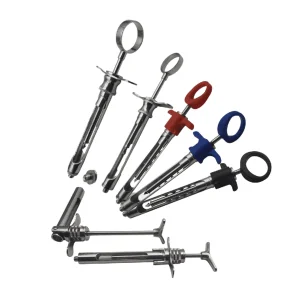
ODM Dental Anasesthesia syringe Dental Aspirating Syringe Factory, Quotes
View Product & Request Quote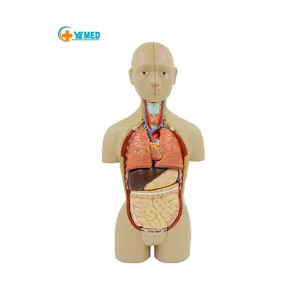
ODM 16 Part Torso Anatomical Model of Human Organs Assembled Trunk Model of Human Visceral Structure Human Torso Body Anatomy Model Factories, Service
View Product & Request Quote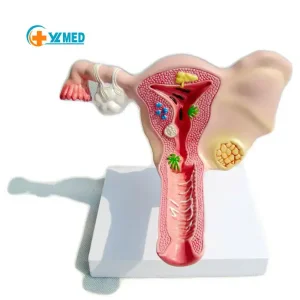
OEM Factory Manufacture Medical Gynaecology Female Ovarian Reproductive Structure Ovarian Uterus Model Manufacturers, Factory
View Product & Request Quote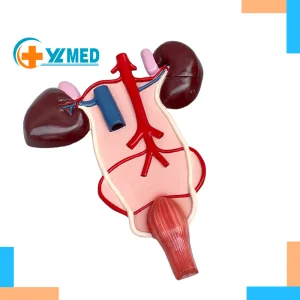
OEM Model of Horse Kidney and Urine Anatomy Teaching Aids Model of Horse Kidney Urinary Structure Model Factory, Pricelist
View Product & Request Quote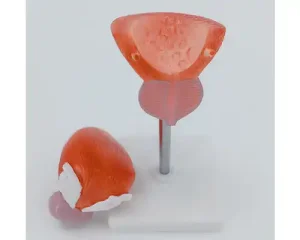
OEM Medical science Human bladder model Natural large prostate model genitourinary system anatomical model Manufacturer, Manufacturers
View Product & Request Quote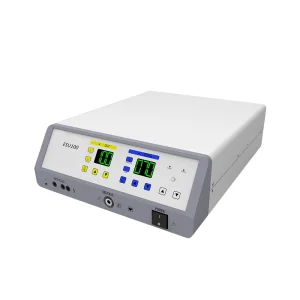
China High Frequency Bipolar Seven Functions Monopolar Radiofrequency Electrosurgical Unit With Neurological Surgery Manufacturer, Factories
View Product & Request Quote
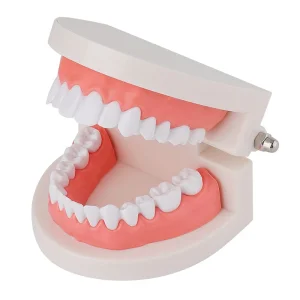
Wholesale Standard tooth brushing model Display demonstration tooth model Factories, Quotes
View Product & Request QuoteHenan Yulin Edu. Project Co., Ltd. · No. 8, Daoqing Road, Industry Park, Hongqi District, Xinxiang, Henan, China · ISO 9001 certified since 2008 · Export team reply typically within 24 hours.