OEM / ODM • Transport Thermoregulation • Global Tender Support

OEM Portable Neonatal Incubator Factories & Quotes

An evidence-led sourcing guide for distributors, neonatal units and tender teams comparing transport incubator factories, compliance readiness, localized service and total lifecycle cost.

ISO 9001 since 2008 60+ years manufacturing 24h export response OEM packaging & documentation
Original Catalog Product Programs

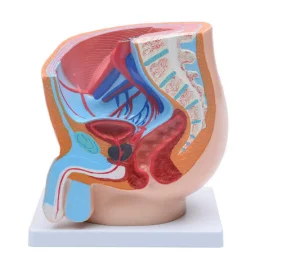
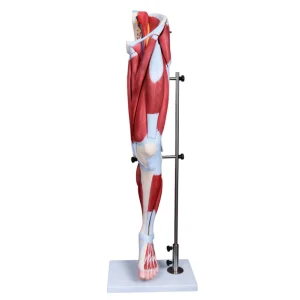
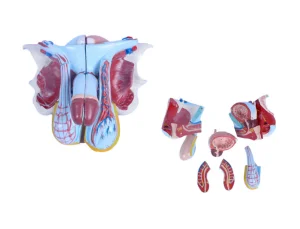
Factory-Listed Medical Teaching & Hospital Equipment Programs

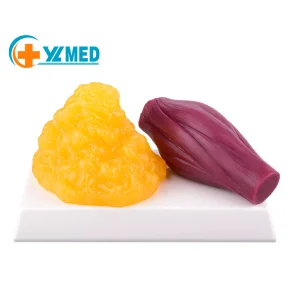
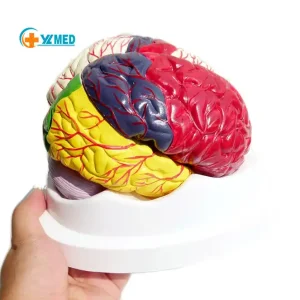
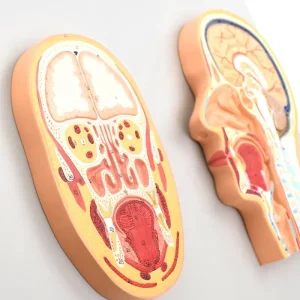
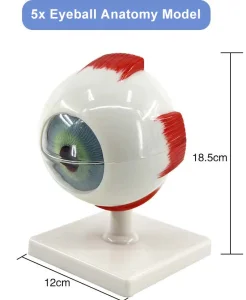
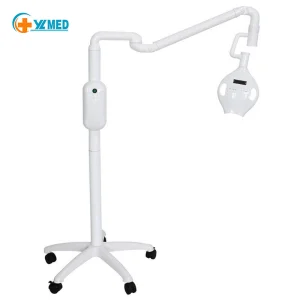
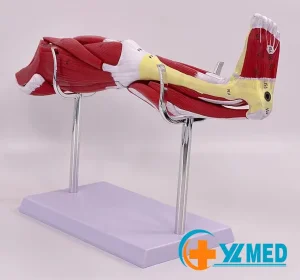
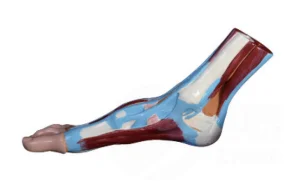
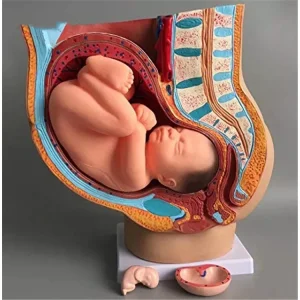
The product cards below preserve the original Yulin Medical catalog images and product URLs. For portable neonatal incubator OEM/ODM development, request a project-specific quotation with your target market, power configuration, documentation language and tender requirements.

Information-gain note: the original catalog programs above are useful for distributors building mixed medical and educational orders. A portable neonatal incubator RFQ should be handled as a regulated medical-device project with its own technical file, risk analysis, verification reports and market-specific registration evidence.

Executive Summary

Why a Portable Neonatal Incubator Quote Is a System Decision

A transport incubator is not simply a heated box. It is a controlled neonatal environment that must remain trustworthy while moving between buildings, ambulances, aircraft, clinics and referral hospitals.

Portable neonatal incubators are used to maintain a thermally neutral environment for preterm or low-birth-weight infants during inter-facility transfer, emergency evacuation, imaging, procedure transport or short-term ward overflow. A credible OEM program must coordinate infant compartment geometry, convective heating, skin and air temperature probes, humidity, oxygen/air mixing, alarm hierarchy, battery and DC power, cleaning, electromagnetic compatibility, transport shock resistance, spare parts and user training.

For distributors, ministries of health and public tender teams, the factory price is only one part of the decision. Registration files, after-sales responsiveness, localized manuals, calibration support and lifecycle availability often determine whether a unit can actually be deployed. A low unit price with weak documentation can become a high-cost project after import clearance, clinical training and maintenance begin.

Yulin Medical, operated by Henan Yulin Edu. Project Co., Ltd., has manufactured educational and medical equipment in Xinxiang, China, since 1958 and has held ISO 9001 certification since 2008. Its original strengths—factory-direct supply across ten product lines, private-label design, mixed-category consolidation, a 24-hour response commitment and a deeply integrated supply chain—are relevant to the commercial side of an incubator sourcing program. The device itself should be executed by a manufacturing partner with medical-device engineering and a project-specific regulatory evidence pack.

Search intent insight: buyers searching for “OEM portable neonatal incubator factories and quotes” usually need one of three outcomes: a verified manufacturing partner, a tender-ready quotation with technical annexes, or a private-label product for a regional distribution portfolio. The content below addresses all three.
60+Years of manufacturing history
200+Professional staff
¥120MRegistered capital RMB
2008ISO 9001 certified since
10Product lines for mixed sourcing
24hTypical export reply commitment
Search Intent Mining

Three Buyer Groups Behind the Same Incubator Keyword

Semantic search success depends on answering the job behind the query, not only repeating “portable neonatal incubator factory.”

Distributors Building a Portfolio

They need OEM branding, English and local-language manuals, stable packaging, mixed-category consolidation with other hospital or teaching products, spare-part kits and a quotation structure that supports resale margins. The best factory partner provides marketing images, specification sheets and regulatory support without forcing the distributor to manage five suppliers.

Tender and Procurement Teams

They search for concrete evidence: battery run time, temperature stability, alarm logic, ambulance voltage compatibility, test reports, warranty terms, training plans and delivery schedules. A generic quotation is rarely enough. The factory should provide a compliance matrix, technical datasheet and deviation list aligned to the tender specification.

Clinical and NGO Program Leaders

They focus on deployment reality: local power quality, dust and humidity, ambulance vibration, staff turnover, training time, spare-part availability and infection-control cleaning. They value factories that can adapt labeling, packaging, training videos and preventive-maintenance schedules to the actual use environment.

Macro Industry Solutions

Where Portable Neonatal Incubators Create Clinical Value

The strongest OEM programs begin with the referral pathway, not the product photo. Each use case changes the required battery, alarm, mounting and service design.

Inter-Hospital Neonatal Referral

District hospitals often need to stabilize and transfer premature infants to a higher-level NICU. A portable incubator must hold temperature during ambulance loading, road vibration, doorway transitions and handover. Quick-release mounting, clear alarm visibility and secure battery locking are as important as the heater itself.

Rural and Low-Resource Clinics

In locations with unstable mains power, a transport incubator may double as temporary thermal support during power interruption or ward overflow. Buyers should request low-voltage protection, battery cycle data, easy surface cleaning, replaceable fuses and a preventive-maintenance schedule written for biomedical technicians with limited incubator experience.

Emergency and Disaster Response

Humanitarian programs need field-ready equipment that can be stored, transported and operated by rotating teams. Labels, quick-start cards, tool-free battery replacement and ruggedized packaging reduce deployment errors. Local-language training materials and remote troubleshooting support can be more valuable than an extra accessory.

In-Hospital Procedure Transport

Neonates may need safe thermal support during imaging, surgery preparation or movement between wards. A compact portable incubator can reduce heat loss during transfer, but infection-control teams will ask about smooth surfaces, removable mattresses, cleaning validation and compatibility with disinfectants used locally.

Military, Peacekeeping and Field Hospitals

Field medical teams require equipment that tolerates transport, dust, temperature extremes and limited maintenance access. For these projects, the RFQ should specify storage conditions, vibration and drop testing, spare-part kits, battery transport documentation and a training package that can be delivered before deployment.

Training and Simulation Integration

Yulin Medical’s original medical teaching and nursing simulation portfolio supports a broader training ecosystem. Hospitals purchasing transport incubators should plan hands-on drills for neonatal resuscitation, thermoregulation, alarm response and handover. Combining equipment supply with teaching models and refresher training improves readiness.

Global Commercial & Industrial Status

What Changes When the Incubator Leaves the Factory

Global demand is shaped by neonatal referral networks, ambulance modernization, hospital tenders and donor-funded maternal-child health programs. The winning supplier is the one that reduces deployment risk.

The global medical-device supply chain for portable neonatal incubators is diverse. Mature markets expect a complete quality system, design history file, risk management file, software and usability evidence, electromagnetic compatibility testing, biocompatibility data for patient-contact materials and post-market surveillance processes. Emerging markets often prioritize ruggedness, battery autonomy, simple maintenance, voltage compatibility and affordable spare parts. A factory that serves only one region may not understand the documentation expectations of another.

China remains a deep industrial base for patient-warming devices, medical electronics, sensors, power supplies, injection-molded enclosures and battery packs. However, component availability does not automatically create a compliant incubator. Buyers should distinguish between an assembly workshop, a general medical-electronics factory and a specialist neonatal thermoregulation program. The right partner can explain how design inputs are traced to verification outputs, how alarms are independently tested and how change control prevents undocumented substitutions.

Industrial status also affects pricing. Quotations can vary significantly based on servo-control architecture, dual temperature probes, oxygen blending, humidity, battery chemistry, charger design, ambulance mounting, alarm language, packaging and documentation. When comparing quotes, normalize every line item. A quote that appears 15% cheaper may exclude the battery, transport bracket, calibration kit, spare mattress or regulatory file translation. Conversely, a higher quote may include a stronger service package that protects the distributor’s reputation.

Sourcing DimensionWhat Sophisticated Buyers AskInformation Gain for the RFQ
ThermoregulationIs control based on air temperature, skin temperature or both? Are independent over-temperature protections tested? How is mattress temperature uniformity verified?Request a verification protocol, not only a marketing specification. Ask for the test environment, sensor positions and acceptance criteria.
Power & BatteryDoes the unit accept AC mains, ambulance DC and an external battery? What is the battery cycle life, charge time and replacement procedure?Normalize battery capacity in Wh, not vague hours. Request low-voltage and reverse-polarity protection evidence.
ComplianceWhich IEC 60601 series reports are available? Is the manufacturing system ISO 13485 scoped for this device? Is UN 38.3 battery transport testing completed?Ask for certificate scope pages and report dates. Certificates without scope or product coverage are weak tender evidence.
LocalizationCan labels, manuals, packaging, alarm text and training materials be localized? Can the factory support registration questions after shipment?Define language, units, plug type, voltage, alarm terminology and service contact information before tooling approval.
LifecycleWhat spare parts are recommended for five years? What is the repair philosophy—module replacement or component-level repair?Request a recommended spare-parts list, calibration interval, warranty exclusions and average response process.
Localized Support & Compliance Assurance

Build Compliance Into the Quote, Not After the Order

Portable neonatal incubators sit in a high-risk clinical category. Documentation and service are not optional add-ons; they are part of the product.

Registration Documentation

Provide the target country, classification and tender date. A capable OEM partner should state which technical file sections are available, which tests are missing and what the importer must complete locally.

Voltage, Climate & Language

Specify 110V/220V, 50/60Hz, ambulance 12V/24V, plug type, operating humidity, storage temperature and required language. Alarm text should be reviewed by clinicians, not translated word-for-word.

Service Training & Spares

Ask for preventive-maintenance checklists, calibration instructions, error-code tables, recommended spare parts and a training plan for biomedical engineers. Remote video support can reduce downtime in export markets.

Traceability & Change Control

Serial numbers, component batch records, software versions, calibration records and change notifications protect both the importer and the hospital. Ask how critical-component substitutions are approved and documented.

Standards to Discuss During Technical Review

Depending on the target market and regulatory pathway, the technical file may reference IEC 60601-1 for basic safety and essential performance, IEC 60601-1-2 for electromagnetic compatibility, IEC 60601-2-19 for incubator particular requirements, ISO 13485 for medical-device quality management, ISO 14971 for risk management, IEC 62304 for medical-device software lifecycle processes, IEC 62366 for usability engineering, ISO 10993 for biocompatibility evaluation of patient-contact materials and UN 38.3 for lithium-battery transport testing. These references are a discussion checklist, not a claim that every certificate is automatically available. Certificates must match the actual model, manufacturing site and scope.

Yulin Medical’s ISO 9001 certification since 2008 demonstrates long-standing process discipline in education and medical equipment manufacturing. For a portable neonatal incubator project, buyers should still require a device-specific ISO 13485 quality system at the manufacturing site, product-specific test reports and a clear allocation of regulatory responsibilities between factory and importer. This is where information gain becomes commercial value: the buyer who asks the right questions avoids a non-compliant shipment.

Localized Application Scenarios

From Tender Specification to the First Neonatal Transfer

Localization is not only language. It is the fit between the device and the workflow, power, climate, maintenance culture and clinical protocol of the buyer.

Ambulance Integration

Mounting brackets, restraint systems, DC cables and alarm visibility must be verified with the actual ambulance configuration. A factory quote should state whether the bracket is included and whether the unit has been tested for vibration and electromagnetic compatibility in the intended environment.

High-Humidity Markets

In tropical or coastal regions, buyers should request corrosion-resistant hardware, moisture protection for electronics, mold-resistant packaging and clear cleaning instructions. Humidity-control performance and condensation management should be evaluated during verification.

Dusty or Remote Sites

For field hospitals and remote clinics, prioritize sealed connectors, simple air-path cleaning, replaceable fan filters where applicable and a battery strategy that does not depend on specialized tools. Include a quick-start laminate and a troubleshooting card in the local language.

NICU Overflow & Ward Transfer

If the device is used inside a hospital, wheelbase, turning radius, door width and brake ergonomics matter. The unit should support safe handover between nurses and biomedical staff without loose accessories or ambiguous alarm states.

Donor-Funded Programs

Donor programs require transparent bills of materials, spare parts lists, training records and measurable performance indicators. A well-structured OEM quote can include installation support, user training, a maintenance kit and a quarterly spare-parts plan.

Teaching Hospital Validation

Teaching hospitals may want to validate the incubator in simulation scenarios before tender award. Link the evaluation to clinical drills: temperature probe placement, alarm response, battery swap, cleaning and handover. The original Yulin Medical nursing and teaching model range can support broader skills-lab programs.

Technical Roadmap & Future Outlook

Where Portable Neonatal Incubator Technology Is Moving

Future differentiation will come from safer thermoregulation, smarter power management, better serviceability and evidence that the device performs in real transport conditions.

Closed-Loop Thermoregulation

Dual-sensor control, faster response algorithms, independent over-temperature cut-outs and clearer alarm prioritization will become baseline expectations. Verification should demonstrate performance across mattress loading, ambient changes and door access.

Battery & Power Intelligence

Lithium battery management, fuel gauges, hot-swap modules and ambulance charging coordination can improve uptime. Buyers should ask for cycle-life test data, storage recommendations, transport documentation and a replacement strategy.

Connectivity & Remote Support

Optional data logging, USB export, service diagnostics and remote firmware management can help distributors support equipment across regions. Cybersecurity and software lifecycle controls must be designed in, not added after launch.

Modularity & Cleanability

Tool-free mattress removal, smooth enclosures, sealed connectors and replaceable electronics modules support infection control and lower lifecycle cost. Sustainability will favor longer service life, repairable assemblies and efficient packaging.

Design AreaTypical RFQ Discussion PointWhy It Matters Commercially
Temperature stabilitySet-point accuracy, mattress uniformity, warm-up time and alarm response. Confirm the test method and environmental conditions.Hospital evaluation committees increasingly ask for verification evidence, not only a specification table.
Battery autonomyTransport time target, battery chemistry, charge time, cycle life and replacement access. Consider cold-weather performance if relevant.Battery failure is a deployment risk. A serviceable battery strategy protects uptime and spare-part revenue.
Alarm hierarchyPower failure, over-temperature, sensor failure, low battery, fan failure and door-open events. Define audible and visual priorities.Clear alarms reduce user error and support clinical training, especially in noisy transport environments.
Oxygen optionalityAir/oxygen mixing, cylinder or wall-source connection, flow control and oxygen sensor maintenance.Oxygen features change price, training and regulatory scope. Clarify whether they are required for the target tender.
ServiceabilityError codes, module replacement, calibration procedure, spare-parts list and expected mean time to repair.Distributors need predictable after-sales cost and a credible answer when hospitals request maintenance.

The technical points above are procurement discussion targets, not a final specification for any model. Confirm actual performance, certification and labeling with the manufacturing partner and your regulatory advisor.

Quote Variables & Procurement Checklist

How to Compare OEM Portable Neonatal Incubator Quotes

Use a normalized RFQ so that every factory quotes the same scope. This is the fastest way to reveal hidden exclusions.

Put These Items in the RFQ

  • Target market, regulatory classification and expected annual volume.
  • Use environment: ambulance, fixed wing aircraft, ward transfer, clinic or disaster response.
  • Power inputs: 100–240V AC, 12V/24V DC, plug type, battery autonomy target and charger behavior.
  • Thermal performance: set-point range, stability target, warm-up time and alarm conditions.
  • Accessories: mattress, humidity module, oxygen/air mixer, IV pole, mounting bracket, travel bag and spare battery.
  • Documentation: user manual, service manual, alarm flowchart, spare-parts list, test reports and certificate scope pages.
  • OEM branding: logo position, model name, packaging artwork, label content and language.
  • Delivery: sample date, production lead time, inspection method, warranty start point and export packaging.
  • Training: onsite or remote, language, records, trainer qualification and refresher options.
  • Commercial terms: Incoterm, payment schedule, spare-parts kit, warranty exclusions and after-sales response process.

A Professional Quote Should Disclose

  • Exact model, configuration, software version and country of manufacture.
  • Included and excluded accessories, clearly separated from the base unit.
  • Battery specification in voltage, capacity, chemistry and expected cycle life.
  • Compliance list with certificate numbers, issuing body, validity date and product scope.
  • Packaging dimensions, gross weight, battery shipping documentation and container loading plan.
  • Warranty terms by component, response time, spare-parts lead time and repair escalation path.
  • Training scope, language, participant limit and whether training records are provided.
  • Change-control notification process for critical components or software.
  • Recommended five-year spare-parts kit and calibration interval.
  • Project timeline from design freeze and tooling to sample approval, production and shipment.
Yulin Medical Platform

A 60+ Year Manufacturing Base for Mixed Medical Sourcing

Founded in 1958, Henan Yulin Edu. Project Co., Ltd. integrates scientific research, production and sales for educational and medical equipment. ISO 9001 certified since 2008, the company operates from No. 8 Daoqing Road, Industry Park, Hongqi District, Xinxiang, Henan, China.

With registered capital of RMB 120 million and more than 200 professional employees, Yulin Medical manages product development, manufacturing, inspection and export from its Xinxiang base. The original catalog spans anatomy models, biology prepared slides and accessories, dental tools and equipment, general teaching models, hospital furniture and equipment, hospital machines and tools, medical apparatus and instruments, medical nursing models, skeleton models, suture pads and kits.

For an OEM portable neonatal incubator project, this platform is valuable for consolidated procurement: training manikins, hospital furniture, nursing models and educational equipment can be coordinated with the incubator program so distributors can build a complete maternal-child and emergency-care portfolio. The factory-direct model, private-label packaging team, mixed-category shipment consolidation and 24-hour response commitment remain relevant commercial advantages.

Original buyer promise retained: quality first, service first. Factory-direct supply across ten product lines; private-label packaging and product presentation that raises resale value; mixed-category orders consolidated into one shipment with one point of contact.

Original Ten Product Lines for One-Stop Sourcing

Service Commitments & Process

Original Service Strengths Applied to a Regulated Device Program

Experience matters most when a project becomes complex. These original commitments help structure an incubator sourcing program without losing responsiveness.

24/7 Responsive Service

The export team is online 7 days a week and typically replies within 24 hours with catalogs, specifications and shipping options. Incubator projects should use the same discipline for technical questions, document requests and after-sales escalation.

Design & Packaging Team

In-house specialists develop private-label packaging and product presentation that strengthens distributor brands. For neonatal equipment, packaging documentation must also support correct storage, transport and identification.

Professional Expertise

The vision is to provide professional educational and medical training products from mainland China under ISO 9001 process control. A regulated incubator program should add device-specific technical and regulatory review.

60+ Years of Supply Stability

A factory with more than six decades of history and an integrated partner supply chain helps meet one-stop demands and keep repeat-order lead times predictable. For incubator programs, stability also means spare-part planning.

01

Share Requirements

Send device target, quantities, market, certification needs and tender dates.

02

Catalog & Proposal

Receive matched models, specifications, packaging options and shipping suggestions.

03

Sample Evaluation

Test samples with instructors, clinicians and biomedical engineers before bulk production.

04

Production & QC

Manufacturing and inspection follow the agreed quality plan and documentation package.

05

Export & Support

Protective export packing, delivery coordination and responsive after-sales service.

Knowledge & Industry Insight

Original Insights That Support Clinical Readiness

Equipment alone does not improve outcomes. Training, observation skills and product familiarity strengthen the entire neonatal and maternal-child care pathway.

Observing biology prepared slides under a microscope
Lab Guide

Do You Really Know How to Observe Biological Prepared Slides?

Many plant and animal cell structures can only be studied under a microscope, which makes prepared slides essential in biology labs. Correct handling, focusing and storage help students see clearer detail and extend slide-set life.

Yulin Medical at the 5th Henan Provincial Educational Equipment Expo
Exhibition

The 5th Henan Provincial Educational Equipment Expo Concludes Successfully

Themed “Digital Leading Innovation and Development,” the expo reached a record 50,000 m² with 600+ brands and 10,000+ products on display, showcasing the latest educational equipment.

Yulin Medical product showcase of training models
Showcase

Inside Our Product Showroom

A look at the medical teaching models and training equipment buyers can inspect in person when visiting the Xinxiang facility. Hands-on review helps distributors compare materials, scale and packaging quality.

Buyer Q&A

Frequently Asked Questions About OEM Portable Neonatal Incubators

Direct answers for distributors, biomedical engineers and tender teams evaluating a factory quotation.

Is Yulin Medical a manufacturer or a trading company?

Yulin Medical is the brand of Henan Yulin Edu. Project Co., Ltd., a manufacturer founded in 1958 with a factory in Xinxiang, Henan, China, and more than 200 professional staff. For one-stop orders, the company also coordinates a stable network of long-term partner factories. An OEM portable neonatal incubator project should be reviewed with the factory’s device-specific quality system, technical file and certification scope.

What quality certification does the company hold?

The quality management system has been ISO 9001 certified since 2008. Product-specific documentation can be provided on request for tenders and import registration. For neonatal incubators, buyers should also request ISO 13485 scope, IEC 60601 series test reports, risk-management evidence and battery transport documentation where applicable.

Do you support OEM, private label and custom packaging?

Yes. The in-house design team develops private-label packaging and product presentation for distributors to increase shelf appeal and resale value. Incubator projects can add model naming, label text, manual localization, accessory kits and tender-specific packaging.

How do I choose the right CPR training manikin?

Match the manikin to the learner group: adult, child or neonatal. Check that real-time feedback covers compression depth, rate and ventilation, confirm alignment with current resuscitation guidelines, and decide whether AED trainer integration is required. For advanced life-support programs, an ACLS simulator with embedded scenarios offers more assessment value than a basic torso. This same training logic applies to neonatal transport teams using portable incubators.

How quickly will I receive a reply?

The export team is online 7 days a week and typically replies within 24 hours with catalogs, specifications and shipping options. For an incubator RFQ, include target market, quantity, power requirements and required certifications to receive a more complete response.

What should be included in a portable neonatal incubator quote?

A proper quote should identify the model and configuration, included accessories, battery specification, mounting system, packaging, warranty, documentation, training, spare-parts kit and Incoterm. It should separate optional items such as oxygen/air mixing, humidity module, extra battery, transport bracket and local-language manuals.

Which standards apply to portable neonatal incubators?

Depending on the market, relevant references may include IEC 60601-1, IEC 60601-1-2, IEC 60601-2-19, ISO 13485, ISO 14971, IEC 62304, IEC 62366, ISO 10993 and UN 38.3 for lithium batteries. Always verify that certificates and reports cover the exact model, manufacturing site and intended use.

Can the incubator be customized for ambulance voltage and local language?

Customization may include 12V/24V DC input, ambulance charging behavior, plug type, alarm text, manual language, label content and packaging. These changes should be controlled through a formal design and verification process because they can affect safety, usability and regulatory documentation.

How should a distributor plan spare parts and battery replacement?

Request a recommended five-year spare-parts list, battery cycle-life data, calibration intervals and module replacement instructions. For export markets, plan an initial kit for fuses, sensors, power accessories, mattress covers and batteries based on the number of units deployed and the local service model.

What is a practical OEM process for a first incubator order?

A practical path is: define market and regulatory pathway; agree technical specification; review compliance evidence; approve samples; freeze labels and packaging; run production and inspection; prepare export documentation; train the distributor; and schedule post-market feedback. The process should be documented with named responsibilities for factory, importer and clinical user.

Talk to Our Export Team

Need Specifications, a Price List or a Tender Package?

Tell us your target market, quantities and certification requirements. Our product specialists will recommend suitable models, share detailed specifications and propose the most economical shipping plan for your order.

Address: No. 8, Daoqing Road, Industry Park, Hongqi District, Xinxiang, Henan, China. Export response: typically within 24 hours, 7 days a week.