
Medical Equipment & Teaching Model Product References
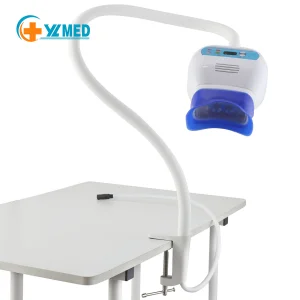
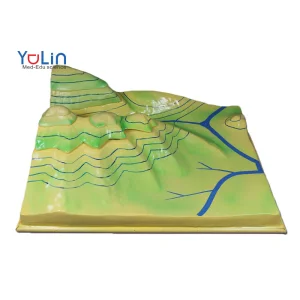
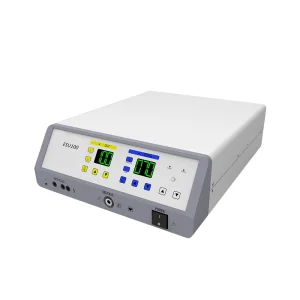
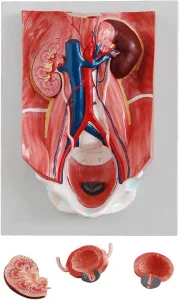
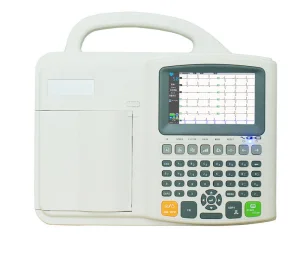
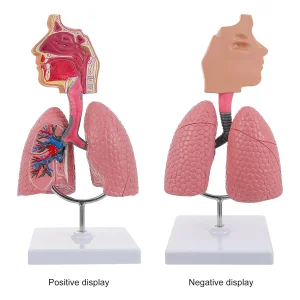
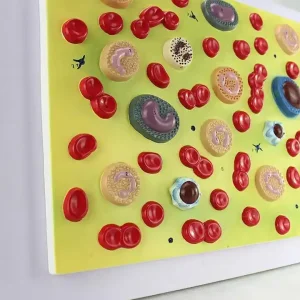
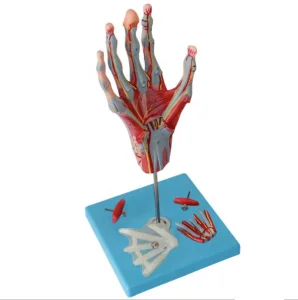
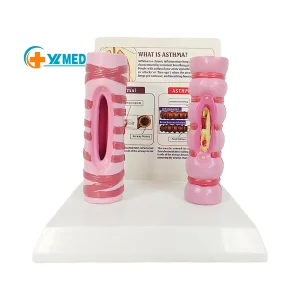
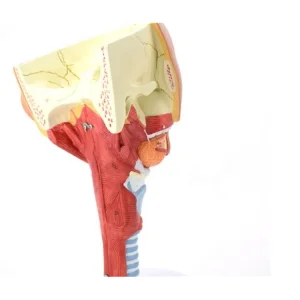
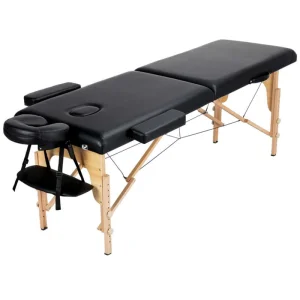
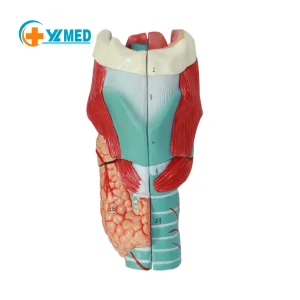
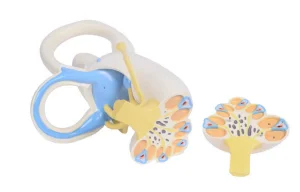
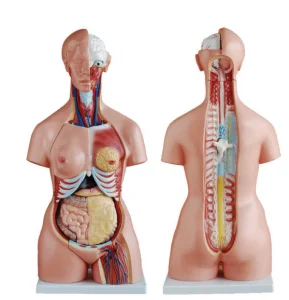
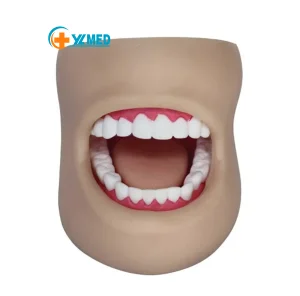
The eight products below are representative OEM/ODM references from Yulin Medical’s broader medical and educational equipment ecosystem. For phlegm suction machine projects, the same factory disciplines apply: documented specifications, incoming inspection, process control, final testing, export packing, and lifecycle support. Original product images and destination URLs are retained for traceability.
OEM Phlegm Suction Machine Manufacturing: A Procurement Whitepaper
Buyers searching for OEM phlegm suction machine manufacturers are not simply looking for a pump. They are evaluating a manufacturing partner that can translate clinical requirements into a repeatable product, provide a defensible compliance dossier, protect brand quality, and keep lead times stable across multiple purchase orders.
Yulin Medical is the trading and manufacturing identity of Henan Yulin Edu. Project Co., Ltd., founded in 1958 in Xinxiang, Henan, China. The company has operated an ISO 9001 quality management system since 2008, employs more than 200 professional staff, and holds registered capital of RMB 120 million. Its product ecosystem covers ten lines, from anatomy models and CPR manikins to hospital furniture, hospital machines and tools, and medical apparatus and instruments. That breadth is useful for distributors that want to consolidate mixed-category orders, but the same engineering discipline is what matters when a private-label suction machine project moves from a catalog discussion to a validated product.
A phlegm suction machine—also described as a medical suction unit, sputum suction device, airway clearance pump, or negative-pressure aspirator—is used to remove secretions, blood, and other fluids from the oral cavity, pharynx, and airway. In hospital and EMS settings, performance under load matters. In homecare, noise, portability, and ease of cleaning matter. In private-label distribution, packaging, documentation, spare-part availability, and warranty handling matter just as much as the motor.
A suction machine’s clinical usability is a system-level outcome. Vacuum hold, free-air flow, canister geometry, filter resistance, tubing inner diameter, battery runtime, and noise must be evaluated together. A headline vacuum number without a flow curve is not a specification; it is a marketing claim. Serious OEM buyers ask for a performance envelope at the patient port, not a single laboratory value.
- Clinical performance: vacuum, flow, anti-overflow protection, filter compatibility, and canister sealing.
- Compliance dossier: risk analysis, test reports, labeling, IFU, traceability, and change control.
- Supply chain resilience: dual sourcing for motors, canisters, filters, PCBs, batteries, and packaging.
- Localization: voltage, plug, language, packaging, spare parts, and after-sales support for your market.
Factory Snapshot
Henan Yulin Edu. Project Co., Ltd. has built educational and medical training equipment in Xinxiang, China, for more than six decades. The company motto is simple: quality first, service first.
- Founded in 1958; 60+ years of manufacturing history
- ISO 9001 certified since 2008
- 200+ professional staff; RMB 120 million registered capital
- 10 product lines for mixed-category sourcing
- No. 8, Daoqing Road, Industry Park, Hongqi District, Xinxiang, Henan, China
- 0086-13503800666 · [email protected]
One Factory Network Across Ten Medical and Educational Product Lines
Our OEM/ODM capabilities sit inside a broader manufacturing ecosystem. Distributors and tender teams can consolidate mixed-category orders through one accountable point of contact, while phlegm suction machine projects benefit from the same quality-management discipline, supplier network, and export documentation experience.
The Next Generation of Medical Suction Systems
The phlegm suction machine category is moving from simple negative-pressure hardware toward integrated airway-clearance platforms. OEM buyers who understand this roadmap can specify products that remain competitive after the first purchase order, while distributors can build a private-label range with clearer differentiation.
01 · Closed-Loop Vacuum & Airway-Responsive Control
Next-generation units use pressure sensors and flow feedback to stabilise vacuum at the patient port as canisters fill or filters load. Closed-loop control improves comfort in homecare, supports consistent secretion removal in ICU and EMS use, and enables anti-overflow logic that protects the pump from liquid ingress.
02 · Brushless DC & Oil-Free Pump Architecture
Brushless DC motors and oil-free piston or diaphragm pumps reduce maintenance, improve service life, and lower noise. For OEM programs, the engineering trade-off is between maximum vacuum, free-air flow, duty cycle, weight, and acoustic performance. A well-matched pump is more valuable than an oversized motor.
03 · Battery Platforms & EMS-Ready Power
Ambulance, field-rescue, and homecare products increasingly require lithium-ion battery packs with battery-management systems, fast charging, and DC input. Buyers should request runtime under load, charge-cycle data, UN38.3 transport documentation where applicable, and clear replacement-part availability.
04 · Infection Control by Design
Disposable canisters, hydrophobic filters, backflow prevention, smooth cleanable surfaces, and autoclavable or replaceable components reduce cross-contamination risk. The canister-to-filter interface is a critical design detail: a low-cost filter that loads too quickly can reduce flow and increase clinical frustration.
05 · Connectivity, Diagnostics & Serviceability
Bluetooth, NFC, error logs, and remote diagnostics are moving into professional suction devices. For OEM brands, the value is not “smart for the sake of smart”; it is faster troubleshooting, preventive maintenance, consumable tracking, and service documentation that reduces downtime for hospitals and distributors.
06 · Regulatory Harmonization & Lifecycle Documentation
Electrical safety, EMC, suction performance, biocompatibility, labeling, and traceability must be planned early. OEM projects should map the target market to a documentation matrix that supports IEC 60601-1, ISO 10079-1/3, ISO 13485, CE MDR, FDA, or local registration pathways as applicable. Certificate scope must be confirmed for each project.
We expect future differentiation to come from four areas: adaptive suction profiles that respond to secretion characteristics; smart canisters that warn before overflow; quieter homecare platforms for night-time use; and service ecosystems that combine spare parts, consumables, training, and digital maintenance records. OEM buyers should lock in a modular architecture now so that these upgrades can be introduced without redesigning the entire device.
Suction Systems Across the Care Continuum
Different care settings impose different requirements on a phlegm suction machine. A hospital ICU unit prioritises continuous performance and infection-control workflows; an ambulance unit prioritises battery resilience and ruggedness; a homecare unit prioritises quiet operation and simple cleaning. OEM programs should be segmented by use environment, not treated as one universal SKU.
Hospital ICU & Operating Room
High-duty suction for airway management, surgical drainage, and bedside care. Buyers should specify vacuum and flow at the patient port, canister capacity, overflow protection, filter compatibility, and accessories for wall-mounted or trolley-mounted use. Documentation and staff training support are critical in tender environments.
Emergency Medical Services & Ambulance
Portable, battery-powered suction with fast deployment, rugged housing, and clear controls. EMS buyers typically require runtime data, charging strategy, vibration resistance, and secure mounting options. A suction unit that performs well in a hospital may fail field use if the battery, tubing, or canister latch is not designed for motion and rapid turnover.
Homecare & Community Nursing
Quiet operation, low weight, simple cleaning, and intuitive controls matter for caregivers and family members. OEM brands should consider language localisation, clear IFU illustrations, replacement canister and filter availability, and a service model that works outside hospital biomedical departments.
Dental, Oral & ENT Procedures
Smaller suction units support oral procedures, ENT examination, and minor surgery. Key details include smooth suction control, low-noise operation, compact canister design, and compatibility with disposable suction tips and tubing. Private-label dental distributors often need a coordinated range of models, consumables, and packaging.
Veterinary & Laboratory
Veterinary clinics and laboratories require robust suction for fluids and sample handling. OEM buyers may need different canister sizes, chemical-resistant tubing, and simpler control interfaces. The product family should be designed so that one platform can serve multiple end markets without compromising safety.
Pandemic & Public Health Preparedness
Respiratory outbreaks increase demand for airway suction, oxygen therapy accessories, and infection-control consumables. Distributors need predictable lead times, scalable packaging, and documentation readiness. An OEM partner with a resilient supply chain and mixed-category consolidation can support surge orders more effectively than a single-product trader.
Build for Your Market, Not Just for the Factory Floor
Localization is more than translating a manual. It includes voltage and plug configuration, labelling, language, packaging, spare-parts strategy, regulatory pathway, and after-sales workflow. For OEM phlegm suction machine projects, these details determine whether a product can be sold smoothly and supported profitably in the target market.
Local Language IFU & Labeling
Instructions for use, warnings, symbols, and packaging text should match the destination market’s language and regulatory expectations. Provide final artwork and claim language early so that labels, IFU, and packaging are reviewed together.
Voltage, Plug & Packaging Localization
Confirm input voltage, plug type, tubing length, canister size, and retail or tender packaging. Export packaging should be tested for the intended shipping mode, and private-label cartons should protect the product while supporting distributor branding.
Regulatory Pathway & Dossier Support
Map the product to the target market’s requirements before tooling is finalised. The dossier may include risk analysis, electrical safety and EMC reports, performance data, biocompatibility evidence, labeling, and traceability. The applicable certificate scope must be confirmed for each project.
Spare Parts, Service & Training
Distributors need a serviceable product, not a sealed box. Define spare-part kits, filter and canister consumables, warranty terms, troubleshooting guides, and training materials so that local technicians can support the installed base.
| Documentation Area | What Buyers Should Request | Why It Matters |
|---|---|---|
| Electrical safety | Test report and critical-component list aligned with the target market | Supports registration and hospital tender review |
| EMC | Emissions and immunity evidence for the final configuration | Reduces interference risk in clinical environments |
| Suction performance | Vacuum, flow, duty-cycle, and noise data at defined test points | Allows apples-to-apples comparison between suppliers |
| Biocompatibility | Material statement for patient-contact tubing and canisters | Supports infection-control and safety review |
| Packaging & transport | Drop, vibration, and stacking test evidence where required | Protects units during export and distributor handling |
| Traceability & UDI | Batch records, serial-number logic, and label artwork | Improves recalls, warranty, and inventory control |
Supply Chain Resilience & Efficiency Advantages
China’s medical-device supply chain is no longer a simple low-cost equation. The competitive advantage now comes from component depth, engineering responsiveness, quality-system discipline, and the ability to coordinate complex mixed-category orders. Yulin Medical’s 60+ year manufacturing history and ISO 9001 system since 2008 provide a stable platform for OEM buyers who need repeatability rather than one-off sourcing.
Resilient Component Sourcing
Long-term partner factories and dual-sourcing strategies reduce dependence on a single component source. For suction devices, critical components include motors, pump assemblies, PCBs, pressure sensors, canisters, filters, tubing, batteries, chargers, and packaging. A resilient bill of materials is a commercial advantage, not just a purchasing detail.
Quality Gates from Incoming to Final
Incoming inspection, in-process checks, final functional testing, and export packing checks create a documented quality trail. For OEM buyers, the practical question is not whether a factory has a certificate on the wall, but whether the inspection criteria are written into the work instructions and retained in batch records.
Digital Production Visibility
Batch planning, component traceability, inspection records, and export documentation can be coordinated through a single project view. This reduces the risk of specification drift when a buyer has multiple SKUs, packaging versions, and destination markets.
Scalable OEM/ODM & Mixed-Category Consolidation
Distributors often buy suction machines together with teaching models, hospital furniture, and emergency equipment. Consolidating mixed-category orders into one shipment reduces freight complexity and supplier-management cost. Yulin Medical’s ten product lines support this one-stop sourcing model.
Operating Capability Focus Areas
Illustrative capability focus areas for OEM project planning; they are not third-party audit scores or certificates.
What to Specify Before You Buy an OEM Phlegm Suction Machine
Strong procurement specifications reduce sample cycles, avoid regulatory surprises, and make supplier comparison more objective. The following framework is written for distributors, hospital groups, tender teams, and private-label brands that need a repeatable OEM suction machine program.
Define the Clinical Intent
Clarify whether the product is for ICU, OR, EMS, dental, homecare, or veterinary use. State the expected duty cycle, target patient population, canister capacity, mobility requirement, and cleaning workflow. Clinical intent drives nearly every engineering trade-off.
Specify System Performance
Request vacuum and flow at the patient port, not only at the pump outlet. Include filter type, tubing length and inner diameter, canister size, anti-overflow mechanism, noise limit, duty cycle, warm-up time, and performance tolerance. Ask for a test method and sample size.
Confirm Regulatory Scope
List the target countries, device classification, required certificates, language, and registration responsibilities. Confirm which documents the factory will provide and which documents your local agent or regulatory consultant must prepare. Do not assume that a general quality certificate covers every product configuration.
Validate Samples & Packaging
Test samples with your clinical advisors and technical team. Check suction response, canister sealing, filter fit, noise, portability, and cleaning. Then validate packaging for your sales channel: retail box, tender carton, private-label artwork, and shipping marks.
Agree Commercial & Quality Terms
Write down MOQ, lead time, inspection method, AQL, warranty, spare-part availability, change-control notification, and packaging approval. For long-term OEM relationships, change control is essential: a silent component substitution can invalidate local registration or clinical validation.
Calculate Total Cost of Ownership
Compare price together with filter and canister consumables, spare parts, warranty handling, freight, packaging, and regulatory support. A lower unit price can become expensive if the filter loads quickly, the battery is not field-replaceable, or documentation is missing for tender submission.
| Procurement Item | Why It Matters | Evidence to Request |
|---|---|---|
| Vacuum and flow at the patient port | Defines actual clinical suction performance | Test report with tubing, filter, and canister configuration |
| Canister and filter compatibility | Affects infection control, flow degradation, and consumable cost | Interface drawing, filter pressure-drop data, and cleaning validation |
| Battery runtime and charging | Determines EMS and homecare usability | Runtime under load, charge-cycle data, and transport documentation where applicable |
| Noise and vibration | Impacts patient comfort and homecare acceptance | Acoustic test data at defined distance and operating mode |
| Documentation and traceability | Supports registration, tenders, and recalls | Risk file, labeling, IFU, batch records, UDI, and change-control procedure |
A Transparent Process from Brief to Export
Every OEM phlegm suction machine project should have named responsibilities, review points, and documented outputs. The process below is designed to keep technical, quality, regulatory, and commercial requirements aligned from the first conversation to the first repeat order.
Requirement Alignment
Share target market, clinical use, volumes, packaging, certification needs, and target price. Our team returns a specification brief and schedule.
Design & Engineering
Review pump, canister, filter, battery, controls, housing, and labeling. Define the bill of materials and critical-to-quality characteristics.
Prototype & Validation
Evaluate samples against the agreed performance envelope. Validate packaging, IFU, and user-interface assumptions with your clinical advisors.
Production & QC
Incoming inspection, in-process checks, final functional testing, and export packing follow the approved quality plan and batch records.
Export & Lifecycle Support
Documentation, shipping coordination, spare-parts planning, warranty workflow, and change-control communication support the installed base.
OEM Phlegm Suction Machine FAQ
Direct answers to the questions global distributors, tender teams, and private-label brands ask most often when evaluating an OEM suction machine manufacturer.
What is an OEM phlegm suction machine, and how is it different from a standard catalog model?
An OEM phlegm suction machine is a medical suction device manufactured for your brand, market, and specification. The difference is not only the logo on the housing. OEM projects can define vacuum and flow targets, canister size, filter type, battery runtime, control interface, packaging, IFU language, spare-part kits, and documentation. A catalog model is fixed; an OEM model is controlled by an approved specification and change-control process.
Which technical specifications should buyers confirm before placing an OEM order?
Confirm vacuum and flow at the patient port, test tubing length and filter configuration, canister capacity, anti-overflow protection, duty cycle, noise, warm-up time, power input, battery runtime, charging time, weight, dimensions, housing material, cleaning method, and accessory list. Also agree on the test method, sample size, acceptance criteria, and packaging validation. A specification without a test method is difficult to enforce.
What certifications and documentation can be provided for medical suction devices?
Project-specific documentation can be prepared for tenders and import registration. Depending on the target market, buyers may require evidence aligned with IEC 60601-1, ISO 10079-1/3, ISO 13485, CE MDR, FDA, or local registration requirements. Yulin Medical’s quality management system has been ISO 9001 certified since 2008, and the applicable certificate scope and product-specific documentation must be confirmed during technical review.
How do you protect infection control and cross-contamination in suction machine design?
Infection-control design includes disposable or cleanable canisters, hydrophobic filters, backflow prevention, smooth surfaces, separable patient-contact accessories, clear cleaning instructions, and compatibility with your local disinfection workflow. For OEM projects, we recommend defining which parts are single-use, which parts are reusable, and which cleaning validation evidence your market expects.
What customization options are available for private-label brands?
Typical options include housing color, logo, control-panel graphics, packaging design, IFU language, tubing and canister configuration, accessory kit content, retail carton or tender carton, barcode and label artwork, and spare-part kits. Engineering customization may also cover battery configuration, suction control profile, and filter interface, subject to validation and tooling requirements.
How does Yulin Medical support regulatory submission and local market entry?
Our team supports the documentation that a manufacturer can reasonably provide: product descriptions, critical-component lists, test reports where available, labeling and IFU drafts, batch records, and change-control information. The importer or local agent remains responsible for market-specific registration. Early planning is important because registration requirements can affect labeling, claims, packaging, and even component selection.
What is the typical lead time and MOQ for an OEM suction machine project?
Lead time and MOQ depend on whether the project uses an existing platform with private-label packaging or requires new tooling, electronics, and validation. A private-label project is usually faster; a new injection mold, battery pack, or control board can add significant time. Provide your target quantities, destination market, packaging format, and certification requirements so the factory can quote a realistic schedule rather than an optimistic one.
Why choose a Chinese factory such as Yulin Medical for OEM phlegm suction machines?
Buyers choose China for component depth, engineering responsiveness, and scalable production. Yulin Medical adds a long manufacturing history since 1958, ISO 9001 quality management since 2008, 200+ professional staff, RMB 120 million registered capital, ten product lines, and a 24-hour reply commitment. For distributors, the practical advantage is one accountable partner for mixed-category orders, documentation coordination, and export support.
Additional Medical and Teaching Product References
The final eight product references complete the gallery. All original product images and destination URLs are retained below. For suction-machine-specific samples, specifications, private-label packaging, or tender documentation, contact the Yulin Medical OEM team directly.
Need Specifications, a Price List, or a Tender Package?
Tell us your target market, quantities, certification requirements, and packaging preferences. Our product specialists will recommend suitable models, share detailed specifications, and propose an economical shipping plan for your order. We typically reply within 24 hours.

Yulin Medical · Henan Yulin Edu. Project Co., Ltd. · No. 8, Daoqing Road, Industry Park, Hongqi District, Xinxiang, Henan, China · Products, OEM/ODM support, global service, and buyer resources are available through the links above.