
Eight Product References Beneath the Banner
The original product references below are retained with their images and URLs. They illustrate the wider OEM/ODM medical, training, and hospital equipment supply capability that buyers can combine with pediatric laryngoscope sourcing, private-label kits, and mixed-category purchase orders.
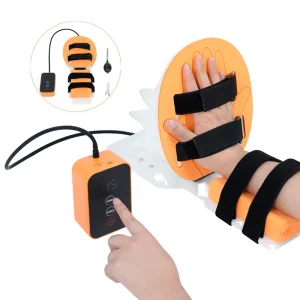
Wholesale New Stroke Rehabilitation Robotic Wrist Joint Trainer Hand Joint Hemiplegia Recovery Device for Rehabilitation Therapy Supplies Factory, Quotes
View Product & Request Quote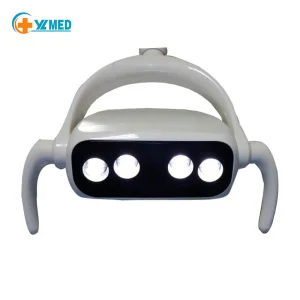
OEM Dental clinic light LED induction light Dental chair light Cold light Dental chair accessories Dental materials Manufacturers, Factory
View Product & Request Quote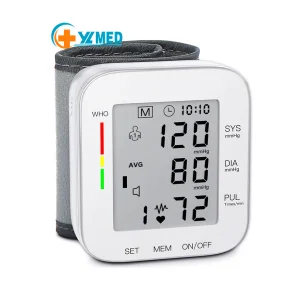
OEM Wrist Blood pressure monitor Blood pressure monitor Large LCD sphygmomanometer Adjustable wrist strap 5.31-7.68 inches Manufacturer, Factories
View Product & Request Quote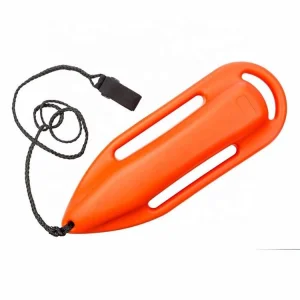
ODM Cheap Water Lifesaving Floating Rescue Freedive Float Rescue Tube Can Swimming Life Safety Buoy Manufacturers, Pricelist
View Product & Request Quote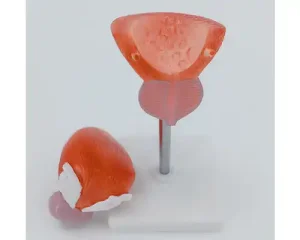
OEM Medical science Human bladder model Natural large prostate model genitourinary system anatomical model Manufacturer, Manufacturers
View Product & Request Quote
Pediatric Laryngoscope OEM Sourcing: What Serious Buyers Actually Need
High-intent searches such as “OEM pediatric laryngoscope manufacturer”, “pediatric laryngoscope quotes”, “disposable pediatric laryngoscope supplier”, and “video laryngoscope OEM” usually come from four buying groups. Each group needs different evidence before requesting a quotation.
Clinical Buyers
Anesthesia, ENT, NICU, PICU, and emergency teams ask whether a pediatric blade will support visualization with reduced force, whether the light output is consistent, and whether the handle is comfortable during prolonged procedures. They need a clear size matrix, intended patient population, and instructions for use — not a generic adult device scaled down.
Distributors
Distributors compare total landed cost, private-label packaging, minimum order quantities, lead time, spare-part support, and documentation readiness. They often want a single supplier that can combine laryngoscopes with airway accessories, training models, hospital furniture, and teaching equipment in one shipment.
Tender & Procurement Teams
Procurement officers need product descriptions, packaging specifications, traceability, and certificates that match the tender language. A quote that omits regulatory route, labeling language, or sterilization method may be commercially attractive but operationally incomplete.
Training Institutions
Medical schools and simulation centres look for durable training devices, replaceable parts, and realistic pediatric anatomy. They may also request complementary anatomical models or nursing simulators so that airway training can be taught alongside anatomy and emergency response modules.
A pediatric laryngoscope is not simply a smaller adult laryngoscope. The device sits inside a demanding clinical workflow: smaller anatomy, different blade geometries, tighter tolerance for pressure, and a higher expectation for rapid visual confirmation. The commercial consequence is that an OEM inquiry should be treated as an engineering and documentation project, not as a catalogue selection exercise.
For search visitors, the most useful information gain is practical specificity. A serious supplier should explain which blade types can be discussed, which materials can be evaluated, how light output and battery performance are checked, how single-use and reusable versions differ in sterilization and reprocessing, and what evidence can be supplied for the destination market. This is also the standard we apply when preparing a pediatric laryngoscope quotation for global distributors.
This guide is a procurement and engineering reference, not a clinical protocol. Clinical selection always remains the responsibility of qualified anesthesia, ENT, neonatal, paediatric, and emergency clinicians. A manufacturer should support that decision with transparent specifications, samples, and documentation — never with unsupported medical claims.
From Airway Device to Complete Clinical System
A competitive OEM pediatric laryngoscope program connects five subsystems: blade geometry, illumination, handle power, sterilization strategy, and post-sale support. Weakness in any one area creates avoidable friction for distributors and clinicians.
Blade Geometry
Straight Miller-type blades, curved Macintosh-type blades, and video configurations each create different visualization and lifting mechanics. A credible OEM discussion starts with intended patient population, preferred blade type, size range, and clinician feedback.
Illumination
Fiber-optic and LED illumination require consistent optical alignment, colour temperature, and light output. For pediatric use, a clear view with controlled intensity and reliable performance is more important than a headline lumen figure that cannot be verified.
Handle & Power
Reusable handles, disposable handles, battery type, contact design, and switch reliability all affect user experience. Export buyers should confirm battery specifications, shelf life, spare-parts availability, and packaging for transport.
Single-Use or Reusable
Single-use blades can reduce reprocessing burden but require validated sterile packaging and consistent quality control. Reusable blades require cleaning, disinfection, and sterilization instructions that match hospital protocols. The quotation must state the strategy clearly.
Training & After-Sales
IFUs, labelling, replacement components, complaint handling, and responsive technical communication are part of the product. A distributor who cannot answer a clinician’s question quickly loses trust long before the next tender cycle.
The Global Supply Chain Behind Pediatric Laryngoscope Programs
Demand is shaped by hospital procurement cycles, distributor portfolio expansion, infection-control policies, and the gradual adoption of video-assisted airway management. The strongest suppliers are not simply factories with a product list; they are coordination platforms for materials, documentation, packaging, and export logistics.
Manufacturing Depth
Henan Yulin Edu. Project Co., Ltd. has operated from Xinxiang, Henan, China since 1958, with more than 200 professional staff and RMB 120 million registered capital. Its ISO 9001 quality management system has been certified since 2008, providing a stable base for mixed-category medical and educational equipment orders.
Mixed-Category Sourcing
Distributors increasingly prefer fewer suppliers. A pediatric laryngoscope enquiry may sit beside demand for anatomical models, CPR manikins, hospital trolleys, diagnostic devices, dental accessories, and training materials. Consolidated sourcing reduces administrative load and shipping complexity.
Regulatory Fragmentation
Market access requirements differ across the EU, UK, US, Middle East, Africa, Latin America, and Asia-Pacific. A responsible manufacturer asks for the destination market at quotation stage, then confirms which certificates, test reports, labels, and language versions can be supplied.
Lead-Time Pressure
Hospitals and tenders often operate on fixed dates. Production planning, sterile packaging, inspection, and export documentation must be mapped backwards from the delivery deadline. A realistic lead time is more valuable than an optimistic promise that cannot be fulfilled.
Qualitative Quote-Evaluation Model
This is a qualitative procurement model, not a market statistic. It helps buyers compare quotes consistently.
What this means for OEM buyers
A low unit price is only one line in the decision. The real comparison should include sample performance, documentation, packaging validation, warranty, replacement-part strategy, and the supplier’s ability to answer technical questions in the buyer’s language.
For distributors building a private-label portfolio, the strongest commercial advantage is not simply access to a device. It is access to a repeatable process: confirmed specifications, controlled quality, stable packaging, clear labels, and predictable export support.
Assurance That Travels With the Product
E-E-A-T in medical device sourcing is earned through verifiable process, not adjectives. Yulin Medical’s ISO 9001 certification since 2008 is a foundation; product-specific medical device certification, test evidence, and labelling must be confirmed for the exact pediatric laryngoscope configuration and destination market.
ISO 9001 Quality Foundation
Documented process control supports incoming material checks, production inspection, final testing, packaging control, and complaint handling. Buyers should request the current certificate, scope, and expiry date before adding a product to a tender file.
Market-Specific Medical Device QMS
For many regulated markets, a medical device quality management system such as ISO 13485 may be expected in addition to ISO 9001. Availability depends on the product and factory. Confirm this early — do not assume that one certificate covers every market.
Technical File & Test Evidence
Depending on the design and market, evidence may include electrical safety, biocompatibility, sterilization validation, packaging validation, shelf-life data, and performance testing. A transparent supplier will define what exists, what must be generated, and who bears the cost.
Labelling & Language Control
Private-label artwork, model numbers, manufacturer identification, symbols, warnings, and IFU language must be controlled before mass production. Buyers should approve final artwork and translation, not only a product photo.
Sterile Barrier & Packaging
For single-use configurations, packaging is part of the device. Seal integrity, sterile barrier performance, shelf-life claims, and transport validation should be addressed in the quotation and technical file.
Traceability & UDI Readiness
Batch or lot identification, manufacturing records, and UDI requirements may apply in the target market. Distributors should confirm how records are retained and how field complaints or returns are handled.
Where Pediatric Laryngoscopes Create Real Operational Value
Different departments evaluate the same device against different priorities. A successful OEM program provides configurations and support that match the local care setting, not just a single generic SKU.
NICU & PICU
Neonatal and paediatric intensive care teams require predictable visualization in small anatomy, clear size identification, and protocols that reduce delay during urgent airway management. Training, labelling, and rapid access to replacement devices matter as much as the handle itself.
Operating Room & Anesthesia
Anesthesia teams value ergonomic balance, consistent illumination, and a blade selection that supports routine and difficult airway plans. Video-assisted options may support teaching and supervision, but must be validated for the intended use.
EMS & Transport
Pre-hospital and transport services prioritize ruggedness, simple power management, compact packaging, and resistance to environmental stress. Disposable or easily controlled reusable configurations may be preferred depending on local infection-control policy.
Medical Schools & Simulation
Training institutions need durable devices, clear anatomy, and repeatable practice. Paediatric airway training is often combined with anatomical models, CPR manikins, and emergency simulation, creating an opportunity for consolidated educational equipment sourcing.
What the Next Generation of Pediatric Airway Devices Will Demand
The direction of travel is clear: more visualization, more single-use convenience, better ergonomics, and stronger digital documentation. Each trend creates both opportunity and validation burden for OEM manufacturers.
Video-Assisted Visualization
Miniature cameras and displays can support supervision, teaching, and difficult airway review. The commercial challenge is to balance image quality, latency, battery life, cleaning protocol, and cost while keeping the device intuitive under pressure.
Single-Use Expansion
Single-use configurations continue to attract interest where reprocessing capacity is limited or infection-control requirements are strict. Success depends on sterile packaging validation, consistent moulding quality, and a realistic price point for routine use.
LED & Optical Efficiency
Improved LEDs and optical pathways can deliver stable illumination with lower power demand. Buyers should request comparable test data rather than accepting generic brightness claims, especially for paediatric sizes where the view is sensitive to alignment.
Smart Training & Data Capture
Simulation feedback, procedure logs, and image capture are emerging in training environments. AI-assisted landmark recognition is a promising research area, but clinical claims must be supported by evidence and appropriate regulatory clearance before adoption.
Future outlook: the winning OEM supplier will be the one that can evolve from product assembly to clinical workflow support. That means faster sample iterations, clearer documentation, better packaging, and a reliable feedback loop between distributor, clinician, and factory. Sustainability will also matter: recyclable packaging, reduced material waste, longer service life for reusable components, and responsible battery disposal are becoming part of distributor questionnaires.
For Yulin Medical’s international partners, the practical roadmap is sequential: confirm the clinical use case, select the blade and handle architecture, validate the sample, lock the labelling and packaging, then scale production under controlled inspection. This sequence protects both the buyer’s brand and the clinician’s trust.
How to Evaluate OEM Pediatric Laryngoscope Quotes
A strong RFQ reduces ambiguity and gives the factory enough information to quote accurately. The most efficient buyers use a five-step evaluation process and compare every supplier against the same criteria.
Define the RFQ
State patient population, blade type, size range, reusable or single-use preference, light source, handle requirement, estimated annual volume, destination country, and required documentation.
Request Samples
Evaluate feel, visibility, switch response, battery access, packaging, and labelling. Ask clinicians to compare the sample against their current device rather than judging it in isolation.
Check Documentation
Verify QMS certificate scope, test reports, IFU language, labelling artwork, and any product-specific regulatory evidence required by the target market.
Validate Packaging
Confirm sterile barrier or protective packaging, shelf-life claim, transport testing, private-label artwork, and the process for handling damaged cartons.
Compare Landed Cost
Add tooling, sampling, sterilization, packaging, documentation, freight, duty, and spare parts to the unit price. Confirm lead time and repeat-order stability.
Why Global Buyers Work With Yulin Medical
Henan Yulin Edu. Project Co., Ltd. — trading as Yulin Medical — combines a long manufacturing history with an export-oriented service model for distributors, medical schools, hospitals, and procurement agents.
Our address is No. 8, Daoqing Road, Industry Park, Hongqi District, Xinxiang, Henan, China. The company states a clear operating principle: quality first, service first. For overseas buyers, that principle is tested in the details — whether the sample matches the specification, whether the packaging survives transit, whether the labels are correct, and whether someone answers the phone when a tender deadline moves.
Yulin Medical’s product environment includes anatomy and skeleton models, CPR and nursing simulators, dental tools, biology prepared slides, hospital furniture, medical apparatus, and teaching equipment. That breadth is useful when a distributor wants to build a complete catalogue around pediatric airway training, emergency care, and clinical education rather than sourcing every category from a different supplier.
Frequently Asked Questions About OEM Pediatric Laryngoscopes
Direct answers for distributors, procurement teams, and clinical buyers preparing a first inquiry or comparing quotations.
Is Yulin Medical a manufacturer or a trading company?
Yulin Medical is the trading name of Henan Yulin Edu. Project Co., Ltd., a manufacturer founded in 1958 and based in Xinxiang, Henan, China. The company operates its own factory and reports more than 200 professional staff. For one-stop orders, it also coordinates a network of long-term partner factories so that mixed-category projects can be consolidated.
Can you support OEM or private-label pediatric laryngoscope projects?
OEM and private-label discussions can be started with a clear specification: target patient population, blade type and size range, reusable or single-use preference, handle and battery requirements, packaging, destination market, and expected volume. The factory can then confirm which elements are feasible, what tooling or artwork is required, and which documents can be supplied. Product-specific regulatory status must be verified for the exact configuration and market before launch.
What should I include in a pediatric laryngoscope RFQ?
Include the intended age group, straight or curved blade preference, video or direct visualization, reusable or disposable strategy, light source, handle power, packaging, sterilization requirement, labelling language, target country, certificates expected, sample quantity, first-order volume, annual forecast, and required delivery date. The more precise the RFQ, the more reliable the quotation.
How do I compare single-use and reusable configurations?
Compare the complete workflow, not just the unit price. Single-use devices require validated sterile packaging, shelf-life control, storage planning, and waste management. Reusable devices require cleaning, disinfection, and sterilization instructions, plus reprocessing time and risk of damage. The right choice depends on local infection-control policy, procedure volume, reprocessing capacity, and total cost of ownership.
What regulatory documentation can be discussed?
Yulin Medical’s ISO 9001 quality management system has been certified since 2008. For a pediatric laryngoscope project, buyers should request the current QMS certificate, scope, product test reports, labelling information, and any market-specific evidence that applies. Where a market requires ISO 13485, CE marking, FDA clearance, UKCA, or another approval, confirm availability for the exact product and manufacturing site before relying on it in a tender.
How quickly will I receive a reply and quotation?
The export team aims to reply within 24 hours and operates across time zones. A detailed quotation depends on the completeness of the RFQ and whether samples, custom packaging, or regulatory documents must be reviewed. For urgent tender deadlines, state the submission date at the start of the inquiry so that the team can prioritise the response.
Request a Pediatric Laryngoscope OEM Quote
Send your target market, blade preference, reusable or single-use strategy, packaging requirements, estimated volume, and required certificates. Our team will reply with suitable options, specification questions, and next steps for sampling.
Eight Additional Product References From the OEM Portfolio
The remaining original catalogue references are preserved below with their images and product URLs. Together with the first eight products, they show the breadth of medical teaching, diagnostic, dental, emergency, and hospital equipment that can support a distributor’s wider catalogue.
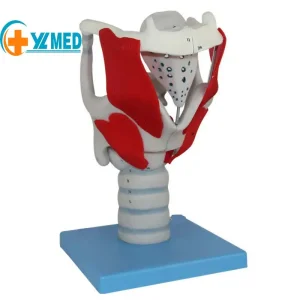
China Human organ education model anatomy discipline human larynx enlarged size anatomical model Factory, Service
View Product & Request Quote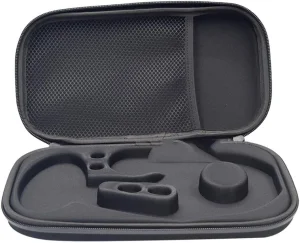
Wholesale Hard Stethoscope Case, Stethoscope Storage Box, Multi-Function Carry Storage Organizer Box with Extra Mesh Pockets for Small Accessories, Device NOT Included(Black) Manufacturers, Service
View Product & Request Quote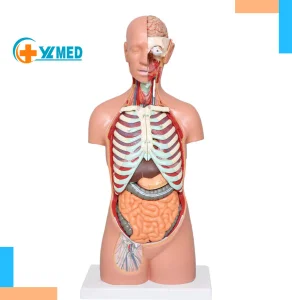
ODM Medical Torso Human Body Model Anatomy Doll 17 Removable Parts Sexless Anatomical Torso Model Education Organs Model Teaching Factory, Factories
View Product & Request Quote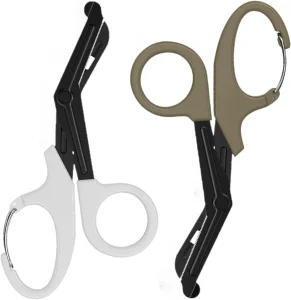
China Trauma Shears Medical Scissors with Carabiner Nursing Bandage Scissors Stainless Steel Surgical Scissors for Nurses Doctors Manufacturers, Service
View Product & Request Quote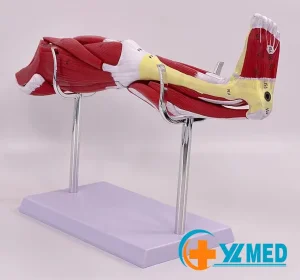
OEM New design Artificial Muscle leg Anatomy model for medical teaching use with 13parts Model Manufacturers, Factory
View Product & Request Quote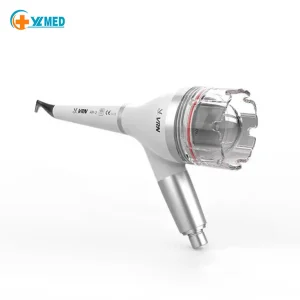
OEM Dental sandblasting gun DP-10 sandblasting tooth cleaning mobile phone does not block sand whitening teeth sandblasting gun Manufacturers, Factories
View Product & Request Quote
All product images, product names, and product URLs from the original content are retained above. For pediatric laryngoscope OEM enquiries, please contact the export team with your target market and technical requirements.