Medical Display
Factory-direct paediatric CPR manikins, child and neonatal emergency simulators, and medical teaching equipment from an ISO 9001 certified Chinese manufacturer since 1958. Compare OEM options, clinical configurations, compliance documents, MOQ, lead times and total landed cost.
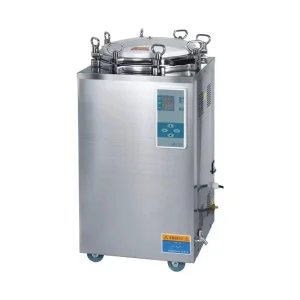
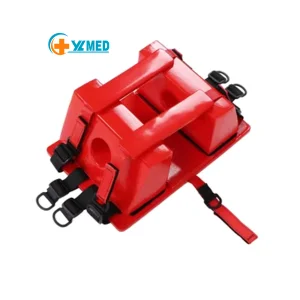
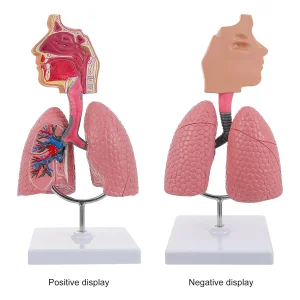
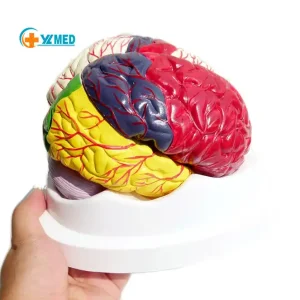
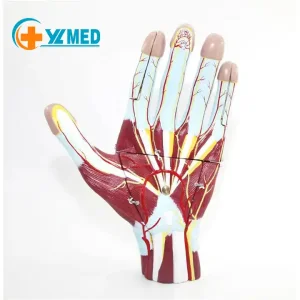
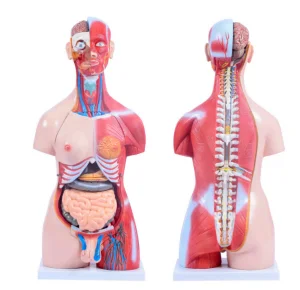
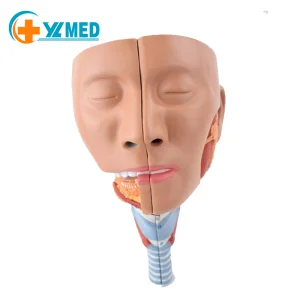
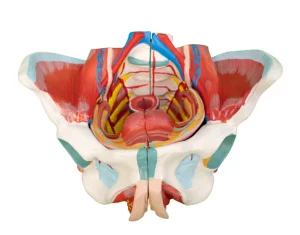
Distributors, medical schools, hospitals and emergency training centres often combine paediatric CPR manikins with anatomy models, nursing simulators, emergency devices and hospital equipment. The eight products below retain their original product URLs and images so procurement teams can move directly to specifications and quote requests.
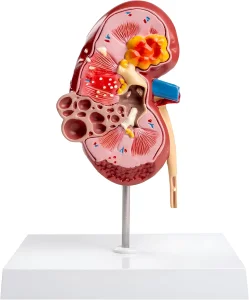
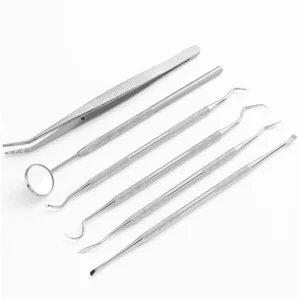
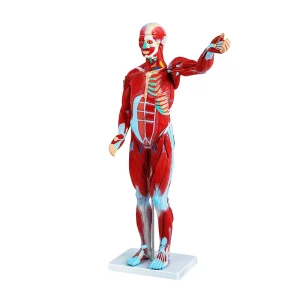
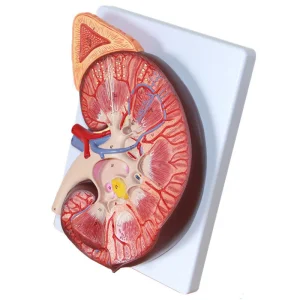
The phrase “OEM Paediatric CPR Factory & Quotes” combines three buying intentions: verified manufacturing capability, child-specific clinical realism, and a documented commercial quotation. A serious supplier should answer all three with evidence, not only a price list.
An OEM paediatric CPR factory is not simply a supplier of a child-sized torso. For distributors, medical schools, nursing colleges, hospitals and emergency training organisations, a quotation reflects material selection, airway design, sensor package, feedback software, replacement parts, private-label packaging, documentation, testing and shipping. The lowest unit price can become the most expensive choice when consumables, repair rates, training disruption and tender documentation are considered.
Henan Yulin Edu. Project Co., Ltd. (Yulin Medical) has built educational and medical training equipment in Xinxiang, China, for more than six decades. Our quality management system has been ISO 9001 certified since 2008, and our motto is simple: quality first, service first. Every order is produced and inspected so that distributors, medical universities, nursing colleges and hospitals receive consistent, well-documented products on every batch.
Founded in 1958, the company has registered capital of RMB 120 million and more than 200 professional employees. We manage product development, manufacturing, inspection and export from our base at No. 8 Daoqing Road, Industry Park, Hongqi District, Xinxiang, Henan. For one-stop orders, we also coordinate a stable network of long-term partner factories.
Paediatric CPR training requires different anatomy, compression techniques, ventilation volumes, equipment sizing and scenario design. A manufacturer that understands these differences can help you build a coherent curriculum instead of a collection of unrelated models.
Child manikins should support realistic chest recoil, age-appropriate compression feedback, ventilation practice and AED pad placement. Buyers often request models for primary schools, paediatric wards, ambulance services and community first-aid programmes.
Confirm whether the feedback covers compression depth, compression rate, full recoil and effective ventilation. A scenario-ready model with airway management options adds value for advanced teams.
Infant training usually involves smaller face and airway structures, two-finger or two-thumb compression techniques, and careful ventilation practice. Daycare staff, paediatric nurses, EMS teams and first-aid instructors need a model that feels credible during skills assessment.
Ask about replaceable lungs, face pieces and airway components, because high-frequency training programmes need predictable consumable costs.
Neonatal resuscitation is a specialist pathway involving initial steps, thermal care, positive pressure ventilation, oxygen considerations, chest compressions and team communication. Simulation quality matters because small deviations can affect training outcomes.
For neonatal programmes, specify the local protocol and assessment requirements. Product configurations should be reviewed against the resuscitation guidelines used in your market, such as AHA, ERC or ILCOR-aligned national protocols.
Request a configuration matrix rather than a single price. The matrix should show age group, airway type, feedback functions, AED training compatibility, replacement parts, warranty, packaging, manual language and available documentation. For tenders, ask whether the factory can provide product-specific data sheets, packing information and declaration documents where applicable.
Training institutions should also test instructor workflow: how quickly can a face piece be changed, how clear is the feedback display, how many learners can one unit support per day, and what happens when a sensor or lung bag reaches end of life. These operational questions often matter more than a short-term discount.
Ask the factory to demonstrate five things before you approve a private-label order: sensor calibration method, airway replacement procedure, material and surface-cleanliness guidance, packaging drop-test approach, and batch traceability. A supplier that can explain these processes is more likely to support you after the invoice is paid.
Also request a sample evaluation form for your instructors. Score realism, feedback accuracy, setup time, cleaning time, spare-part access and manual clarity. That data gives your team an objective basis for approving a tender specification or repeat order.
The next generation of paediatric CPR training is moving from static anatomy to measurable, connected and scenario-driven learning. The roadmap below reflects the direction of medical simulation and the practical questions distributors should ask when planning future product ranges.
Future models will combine compression depth, rate, recoil, hand position and ventilation data into a single learner view. The commercial advantage is not more data alone, but clearer coaching that helps instructors correct performance in real time.
AI-assisted scoring can reduce instructor variability, highlight recurring cohort weaknesses and generate post-session reports. For schools and hospitals, integration with learning management systems and exportable performance records will become a procurement consideration.
VR and AR can add environmental context, family communication and team coordination without replacing hands-on skills practice. Hybrid programmes will pair physical paediatric manikins with digital scenarios for higher realism and repeatable assessment.
Design for serviceability is a major differentiator. Replaceable airways, lungs, face pieces, skins and electronic modules reduce downtime and total cost of ownership, especially for training centres that run weekly courses.
Easy-clean surfaces, removable face pieces and durable construction will remain essential. Material choices should be reviewed against cleaning protocols, storage conditions and the expected number of learner interactions per year.
Exporters need to support different national protocols and language requirements. Future product documentation should make it easier to configure training feedback, manuals and packaging for local resuscitation guidelines and tender specifications.
Different buyers evaluate paediatric CPR equipment against different outcomes. A distributor cares about resale value and supply stability; a hospital cares about clinical realism and service; a school cares about durability, safety and curriculum fit.
Build multi-age training sets for child, infant and neonatal modules. Request instructor guides, replacement-part lists and storage recommendations so laboratories can plan semester schedules without unexpected downtime.
Choose models that support team-based scenarios, airway practice and AED training. For procurement, request product-specific documentation and a maintenance plan for consumables and electronic modules.
Portability, ruggedness and realistic feedback matter in field-oriented training. Consider models with simple setup, durable carrying options and replacement parts that can be stocked locally.
Private-label packaging, catalog images, product descriptions and mixed-category consolidation help distributors build a complete medical education range without managing many unrelated suppliers.
Compliance is not a logo on a website. It is a chain of product data, labeling, inspection, packaging and after-sales evidence that supports your tender submission, import review and training programme.
Our quality management system has been ISO 9001 certified since 2008. Product-specific documentation can be provided on request to support tenders and import registration. Ask for the documents required by your market before you finalize the quotation.
Private-label artwork, English manuals, localized labels, lot or serial marking and packaging text can be discussed for qualified orders. Language and regulatory review should be confirmed before mass production.
Import registration and market approval generally remain the importer’s responsibility unless otherwise agreed. Our export team can supply product data, images, packing information and available declarations to help your local process.
Spare parts, replacement lungs, face pieces, airway components and remote technical guidance help keep training centres running. For repeat orders, agree on consumable quantities and maintenance intervals in advance.
Localization insight: The most successful paediatric CPR projects define one master specification, then localize packaging, manual language and tender documents without changing the core clinical configuration. This protects training consistency across regions while meeting local procurement requirements.
Factory 4.0 is not a marketing label. For a medical training manufacturer, it means digital discipline across design, tooling, production, inspection, packing and supplier coordination so that export orders arrive consistently and predictably.
Our factory history began in 1958, and the company has grown into a well-known educational and medical equipment supplier that integrates scientific research, production and sales. With registered capital of RMB 120 million and more than 200 professional employees, we manage product development, manufacturing, inspection and export from Xinxiang, Henan.
Supply chain resilience comes from several practical capabilities: long-term supplier relationships, standardized components, modular production, incoming material checks, in-process inspection, final product verification and protective export packing. For one-stop orders, we also coordinate a stable network of long-term partner factories, allowing distributors to consolidate multiple product lines into one shipment and one point of contact.
Efficiency is not only speed. It is the ability to reproduce the same specification on repeat orders, document changes, control packing quality and protect lead times when demand fluctuates. For paediatric CPR programmes, this means consistent feedback calibration, stable replacement-part supply and reliable packaging for sensitive training equipment.
International procurement teams need more than a product photo. They need a quote that can be compared, a sample that can be evaluated and a supply plan that can survive audits, tenders and repeat orders.
Specify model, age group, feedback type, language, packaging, certifications, quantities, destination port and Incoterms. A clear quote reduces back-and-forth and helps your team compare suppliers on the same basis.
Our in-house design team supports private-label packaging and product presentation for distributors. Customization is subject to MOQ, artwork approval and compliance review for the target market.
Combine anatomy models, CPR manikins, dental tools, prepared slides, hospital furniture and emergency devices into a single order. Consolidation can reduce freight complexity and supplier management cost.
Compare spare parts, warranty terms, training materials and reorder lead times—not only the initial unit price. A predictable consumable plan is essential for schools and hospitals running frequent courses.
Quote request checklist: target market, age group, required feedback functions, AED integration, manual language, packaging design, estimated annual volume, sample deadline, tender documents, destination port and preferred Incoterms. Sending these details with your first inquiry usually reduces quotation time and improves configuration accuracy.
Ten specialised product lines let procurement teams source simulation, laboratory and hospital equipment from one accountable manufacturer instead of managing multiple suppliers.
The original product images and links below are retained for complete sourcing. These best-selling simulation manikins, first-aid devices and mobility aids are frequently requested by training centres, ambulance services and healthcare distributors.












A factory with more than 60 years of history and a deeply integrated partner supply chain can meet one-stop demands and keep lead times predictable on repeat orders.

Founded in 1958, Henan Yulin Edu. Project Co., Ltd. has grown into a well-known educational and medical equipment supplier that integrates scientific research, production and sales. With registered capital of RMB 120 million and more than 200 professional employees, we manage product development, manufacturing, inspection and export from our base at No. 8 Daoqing Road, Industry Park, Hongqi District, Xinxiang.
Our goal is to fully satisfy every customer through dependable quality and attentive service, while continuously developing the skills of our team so that each project is handled by experienced people. Our quality management system has been ISO 9001 certified since 2008.
For one-stop orders, we coordinate a stable network of long-term partner factories. This helps distributors, schools and hospitals source anatomy models, nursing simulators, dental tools, prepared slides, hospital furniture and emergency equipment without losing accountability.
Our team is online 24 hours a day, 7 days a week. Whatever your time zone, you receive a detailed answer as quickly as possible—typically within 24 hours.
In-house specialists deliver professional product design and private-label packaging that strengthens your brand and increases the added value of every unit you sell.
Our vision is to provide the most professional educational and medical training products from mainland China, built under ISO 9001 process control and decades of category knowledge.
A factory with over 60 years of history and a deeply integrated partner supply chain lets us meet one-stop demands and keep lead times predictable on repeat orders.
From first conversation to delivery, every stage has a named contact and clear documentation, so you can plan stock, tenders and training schedules with confidence.
Send product types, quantities, target market and any tender or certification needs.
Receive matched models, specifications, packaging options and shipping suggestions.
Test samples with your instructors or clinicians before confirming bulk production.
Manufacturing and inspection follow our ISO 9001 quality management system.
Protective export packing, delivery coordination and responsive after-sales service.
Original site images are retained here for visual reference. Images are displayed with preserved aspect ratio so buyers can review factory, showroom, packaging and product presentation context.















Exhibition updates and hands-on guidance written by the team that designs and builds our products.
Many plant and animal cell structures can only be studied under a microscope, which makes prepared biological slides essential in every biology lab. Our specialists explain how to handle, focus and store slides correctly so students see clearer detail and your slide sets last for years.
Themed “Digital Leading Innovation and Development”, the expo reached a record 50,000 m² with 600+ brands and 10,000+ products on display, showcasing the latest educational equipment.
A look at the medical teaching models and training equipment buyers can inspect in person when visiting our Xinxiang facility. Use the showroom visit to compare materials, feedback functions, packaging options and replacement-part access.
Visit Hot BlogStraight answers to the questions procurement managers ask most before placing a first order.
The final eight original product links below complete the shortlist. Each button keeps the original product URL for specifications, factory quote requests and mixed-category consolidation.
Tell us your target market, quantities and certification requirements. Our product specialists will recommend suitable models, share detailed specifications and propose the most economical shipping plan for your order.