
OEM Nursing Manikin & Clinical Training Product Showcase
Selected models from Yulin Medical’s integrated portfolio for nursing, anatomy, rehabilitation, emergency care and science education. Product names, images and destination URLs are retained for procurement review and distributor comparison.
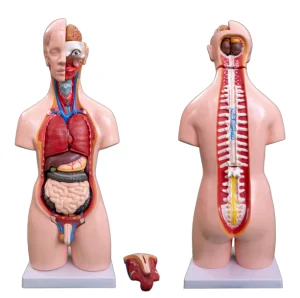
China A total of 20 55CM male and female torso models were made Factories, Service
View product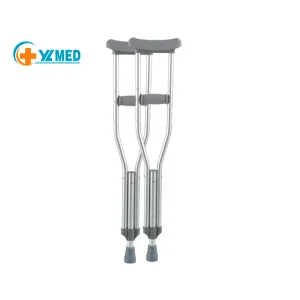
ODM Medical Rehabilitation Adult Crutch Medium Weight Light Height Adjustable 300 Pounds Capacity Light Comfortable Cane for Easy Manufacturer, Manufacturers
View product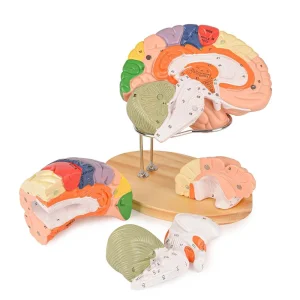
China Human Brain Model for Neuroscience, Brain Model Labeled with Study Guide, for Science Education Study Display Manufacturer, Factory
View product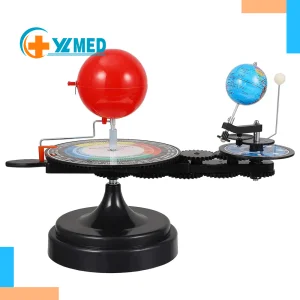
Wholesale Sun Earth Moon Orbital Model Kits Solar System Model Astronomical Science Educational Kits Solar System Model Kit Manufacturer, Quotes
View product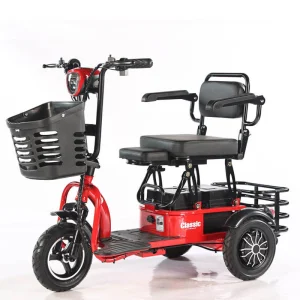
OEM Elderly Disabled Folding Adults Electric Scooter for Handicapped 20mph 130KG Capacity Factories, Pricelist
View product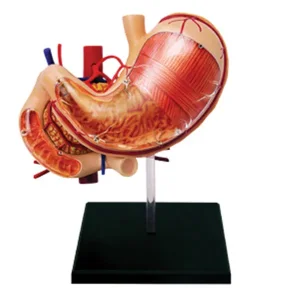
ODM Medical teaching model DIY popular science educational equipment human stomach organ anatomical model Manufacturer, Service
View product
A Six-Decade OEM Manufacturing Base for Nursing Simulation
Yulin Medical is the export-facing brand of Henan Yulin Edu. Project Co., Ltd., a manufacturer founded in 1958 in Xinxiang, Henan, China. The company operates its factory at No. 8, Daoqing Road, Industry Park, Hongqi District, and has grown into a supplier that integrates scientific research, production and sales. Registered capital is RMB 120 million, and more than 200 professional staff support product development, manufacturing, inspection and export. The quality management system has been ISO 9001 certified since 2008.
OEM nursing manikins are not purchased like generic consumer goods. They are used in assessed clinical education, so buyers need repeatable airway performance, chest compliance, skin durability, sensor calibration, cleanability, spare-part availability and documentation. Our factory approach is built around these variables: controlled incoming materials, documented assembly, in-process inspection, final functional checks and protective export packing. The company motto is simple: quality first, service first.
- Factory-direct supply across 10 product lines, from anatomy models to hospital equipment.
- In-house design and packaging support for private-label distributors.
- Mixed-category orders consolidated into one shipment with one point of contact.
- Export team online 7 days a week with a typical reply within 24 hours.

How Nursing Manikins Fit the Wider Healthcare Training Economy
Simulation has moved from an optional lab purchase to core infrastructure for workforce readiness. Health systems use manikins to standardise basic life support, advanced life support, airway management, infection control, moving and handling, and patient communication. A nursing manikin can be a task trainer, a full-body simulator or a modular platform; the right architecture depends on curriculum, learner volume, cleaning workflow and assessment data.
Curriculum & Competency Alignment
Schools need manikins that map to measurable outcomes: compression depth and rate, ventilation volume, airway placement, infection-control steps and team communication. OEM programs should start with the assessment blueprint, not the catalogue photo.
Patient Safety & Team Training
Hospitals use in-situ simulation to rehearse resuscitation, escalation and handover. Durable adult, child and neonatal platforms allow repeated drills without excessive consumable cost, while feedback data supports debriefing and quality improvement.
Lab Throughput & Operations
High-volume nursing labs need fast reset, easy cleaning, replaceable lungs and airways, and clear spare-part labelling. A slightly higher unit price can be offset quickly when instructors spend less time repairing and more time teaching.
Pre-Hospital & Emergency Care
EMS and emergency departments require realistic extrication, splinting, CPR and AED workflows. Our wider portfolio includes scoop stretchers, Kendrick-style extrication devices, emergency splints and airway instruments that support scenario design.
Elderly Care & Community Health
Community and home-care training increasingly covers fall prevention, safe mobility, pressure-injury awareness and assisted daily living. Mobility aids, shower chairs, anatomical models and task trainers can be bundled for local training centres.
Distributor Private-Label Programs
Distributors need a supplier who can support packaging, manuals, spare kits and product photography without diluting brand consistency. OEM production allows local brands to compete on service and documentation rather than price alone.
Global Commercial & Industrial Status for Nursing Simulation
The commercial landscape is not a single market. Demand in North America and Europe is shaped by accreditation, documentation and outcome data. Buyers ask for technical files, material declarations, calibration records and service plans. In the Middle East, large simulation centres and ministry tenders favour complete lab packages, bilingual labelling and on-site training. In Asia-Pacific, nursing college expansion and vocational reform create volume demand for durable mid-range manikins. Latin America and Africa are often distributor-led; price, spare parts and lead time matter.
Supply-chain consolidation is another visible trend. Distributors want one factory for multiple categories to reduce shipping, documentation and after-sales complexity. OEM programs need predictable MOQ, private-label packaging and component-level serviceability. Tariff changes and freight volatility push buyers toward modular products that can be shipped efficiently and repaired locally rather than replaced entirely.
For procurement teams, the winning strategy is to separate training value from commercial value. Training value comes from realism, feedback and curriculum fit. Commercial value comes from durability, repairability, packaging, lead time and documentation. A supplier that can evidence both is more useful than a catalogue with the lowest headline price.
North America
Accreditation-driven demand for documented performance, instructor training and feedback data. Buyers value serviceability and long product lifecycles.
Europe
Technical files, material declarations, UDI and traceability are central. Tenders often reward suppliers who can support local registration and replacement-part planning.
Middle East & Africa
Large simulation centres and ministry projects favour complete lab packages, bilingual manuals, on-site commissioning and long-term spare-part support.
Asia-Pacific & Latin America
Volume growth in nursing and vocational education rewards durable mid-range products, distributor training, local warehousing and affordable consumables.
From Brief to Batch: A Transparent OEM & Service Workflow
OEM does not mean simply printing a logo on a carton. It means designing a product and service package to fit a target market, a learner group and a commercial model. Our workflow keeps the buyer close to the decisions that affect quality, lead time and total cost.
Use-Case Brief
Define learner level, curriculum, assessment, cleaning workflow, storage, annual volume and target price.
Design & DFM
Select skin, airway, joints, electronics, feedback modules, packaging and documentation for manufacturing.
Sample & Validation
Review samples with instructors, test cleanability, check feedback, and confirm spare-part access before bulk release.
Production & QC
Batch control, functional checks and final inspection under the ISO 9001 quality management system.
Localization & Support
Labels, manuals, private packaging, spare kits, training videos, export packing and after-sales coordination.
Localized Support & Compliance Assurance
International buyers rarely need a generic English-only product. They need a product that can pass internal procurement review, support local registration and be maintained by local technicians. Our role is to supply clear technical information and consistent manufacturing, while the importer or local legal manufacturer of record remains responsible for market-specific registration.
Documentation & Regulatory Pathway Support
ISO 9001 certification since 2008; product-specific technical data, material declarations and inspection records can be prepared on request for tenders and import review. We support CE, UKCA, FDA, TGA, Health Canada or local registration pathways where applicable, but do not replace local regulatory responsibility.
Language, Labeling & Packaging
Instruction manuals, labels and cartons can be localised for target markets. Private-label packaging is developed for distributors who need shelf appeal without losing essential warnings, model identification or traceability information.
Power, Materials & Climate Adaptation
Where products include electronics, voltage, plug type and charger safety can be configured for the destination. Material choices can address cleaning agents, humidity, storage temperature and latex-free requirements.
Spare Parts, Consumables & Service Training
Long product life depends on local access to airways, lungs, skin protectors, joint parts, cables and sensors. We can provide replacement-part lists, maintenance instructions and basic service videos to support distributor technicians.
Where OEM Nursing Manikins Create Training Value
The same product platform can serve very different buyers. Localisation is therefore not just language translation; it is aligning the training scenario, maintenance model and procurement documentation with the way the product will actually be used.
University Nursing Skills Labs
Adult, child and neonatal trainers support BLS, airway, IV access, catheterisation, wound care and OSCE-style assessment. Modularity helps labs share scarce bench space while covering multiple year groups.
Hospital Simulation Centres
In-situ drills for ACLS, paediatric emergencies and obstetric scenarios benefit from realistic anatomy, fast reset and debriefing-friendly feedback. Durability under high learner throughput is a decisive factor.
Community & Primary Care
Training for vaccination, triage, health screening and patient education requires clear anatomy models and approachable task trainers that can be cleaned quickly between learners.
Elderly Care & Home Health
Fall prevention, safe mobility, bed bathing, pressure-injury awareness and assisted daily living can be supported with mobility aids, shower chairs, anatomical models and task trainers.
EMS & Emergency Services
Extrication, splinting, CPR, AED use and team communication can be combined with scoop stretchers, emergency splints and airway instruments to create realistic pre-hospital scenarios.
Vocational & STEM Education
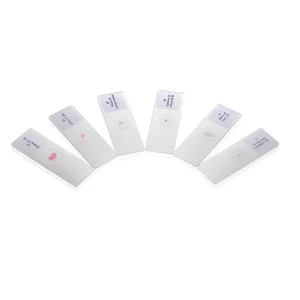
Anatomy models, brain and kidney models, frog assembly toys and prepared slides create a pathway from secondary science to health-care vocational training and early nursing exposure.
Technology Roadmap & Future Outlook for Nursing Simulation
Simulation technology is moving toward objective feedback, modular serviceability and data-connected training. For an OEM manufacturer, the practical question is not which emerging technology sounds most advanced, but which technology can be manufactured consistently, supported locally and validated for the buyer’s curriculum.
Sensorized Feedback
Compression depth, rate, recoil, ventilation volume and airway placement can be measured and displayed. The next step is calibration stability and simpler field service.
Modular, Repairable Design
Replaceable airway, chest, joints, skin and electronics reduce downtime. Design for repair is a commercial advantage in markets where shipping a full manikin back to the factory is impractical.
Cloud LMS & Scenario Authoring
Instructors increasingly expect multilingual dashboards, scenario templates, learner records and exportable results. Interoperability with common learning platforms will matter more than proprietary features.
Sustainable Materials & Circular Service
Latex-free skin, recyclable packaging, replaceable components and take-back programs are becoming part of tender evaluation. Longevity is the most credible sustainability strategy.
Three-Horizon Roadmap
Reliability First
Improve airway sealing, chest compliance consistency, latex-free skin options, alcohol-cleanable surfaces, QR-linked service guides and replaceable consumable kits. The goal is lower downtime and more predictable assessment.
Connected Training
Add cloud dashboards, multilingual scenario authoring, SCORM/xAPI-style exports, hybrid simulation workflows and mixed-reality overlays for anatomy and procedure guidance where the training value is proven.
Adaptive Simulation
Explore AI-assisted debriefing, digital twins for lab utilisation, predictive maintenance, 3D-printed patient-specific anatomy and circular material streams. These are directional themes; availability will depend on product and market validation.
Why Distributors and Institutions Choose Yulin Medical
Buyers compare suppliers on responsiveness, documentation, product consistency and the ability to consolidate categories. Our manufacturing history and in-house design capability are supported by an export team that understands tender packages and distributor expectations.
24/7 Responsive Service
The export team is online 7 days a week. Whatever the time zone, buyers receive a detailed answer as quickly as possible, typically within 24 hours.
Design & Packaging Team
In-house specialists support product presentation and private-label packaging that strengthens distributor brands and improves resale value.
Professional Expertise
Decades of category knowledge are applied under ISO 9001 process control, with product development, manufacturing and inspection handled by experienced teams.
60+ Years of Supply Stability
A factory with more than 60 years of history and a stable partner supply network supports one-stop orders and predictable lead times on repeat business.
Complete OEM Product Ecosystem
More OEM Models for Nursing, Anatomy & Hospital Training
Additional models from the Yulin Medical portfolio support anatomy teaching, patient education, rehabilitation, mobility and biology laboratory work. These products also demonstrate the breadth available for consolidated OEM and distributor orders.
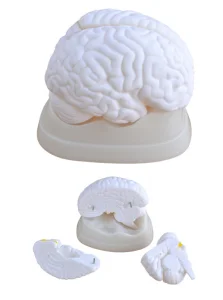
ODM White human brain anatomy model for medical teaching Factory, Service
View product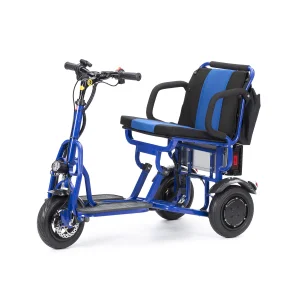
China Cheap Price Folding Electric Mobility Scooters 3 Wheel for Elderly and Disabled Use Manufacturer, Service
View product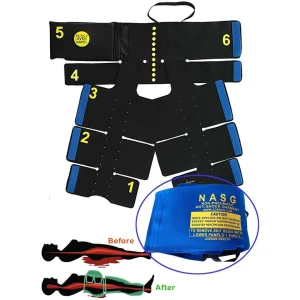
OEM Elastic resistance band with tension strap, non-pneumatic shock-absorbing splint, emergency splint, anti-shock support device Manufacturer, Manufacturers
View product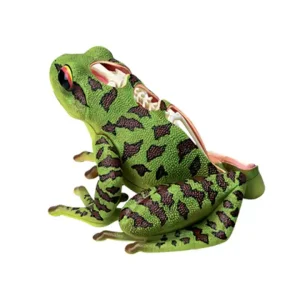
Wholesale Frog three-dimensional assembly toy animal anatomy frog structure primary and secondary school science education toy Factories, Pricelist
View product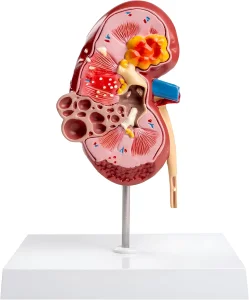
China Kidney Model for Teaching with 2 Detachable Parts & Anatomical Position Instructions for Understanding The Structure of The Human Kidney Manufacturers, Pricelist
View product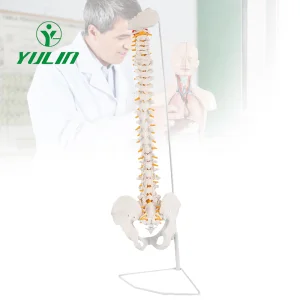
Wholesale Flexible Spine Model, 34.6'' Life Size Human Spinal Cord Anatomical Model with Stand, for Science Study or Patient Education Manufacturer, Manufacturers
View product
Frequently Asked Questions from Importers and Training Institutions
Direct answers to the questions procurement teams ask most before placing a first OEM order.
Is Yulin Medical a manufacturer or a trading company?
What quality certification does Yulin Medical hold?
Do you support OEM, private label and custom packaging?
How do I choose the right CPR training manikin?
Can you support tenders and import registration documentation?
How quickly will I receive a reply?
Need Specifications, OEM Packaging or a Tender Package?
Tell us your target market, quantities, learner group and certification requirements. Our product specialists will recommend suitable nursing manikins, anatomy models or emergency equipment, share detailed specifications and propose an economical shipping plan.