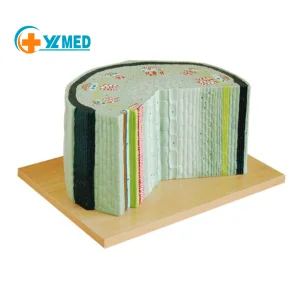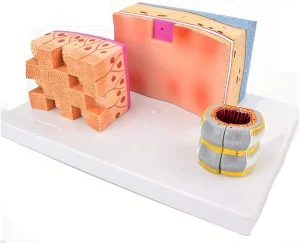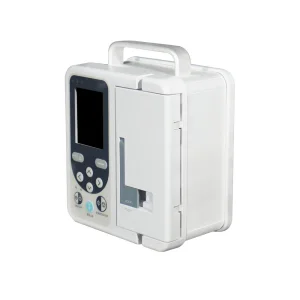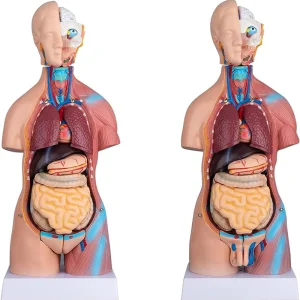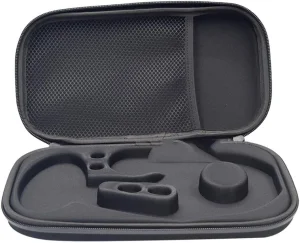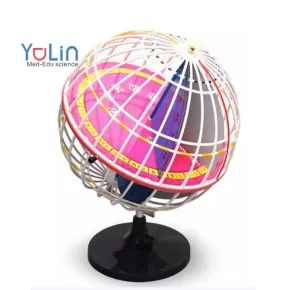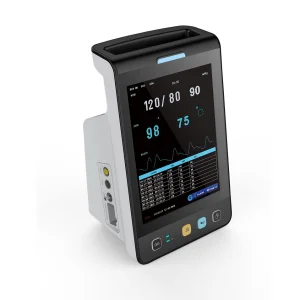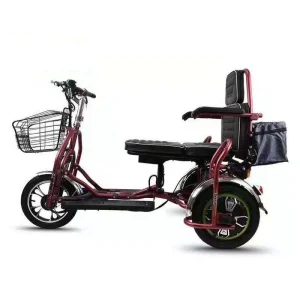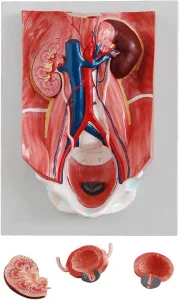
Product Selection 1–8
OEM Anatomical Models & Medical Teaching Products — First 8 Product Matches
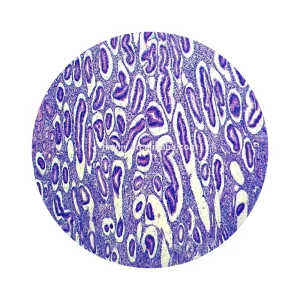
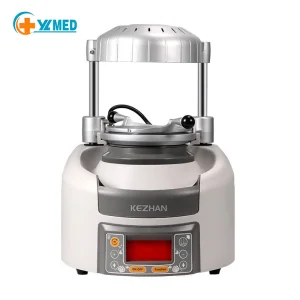
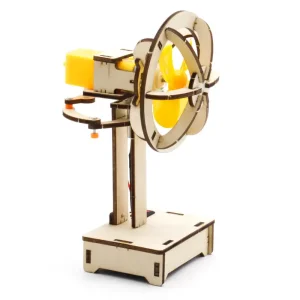
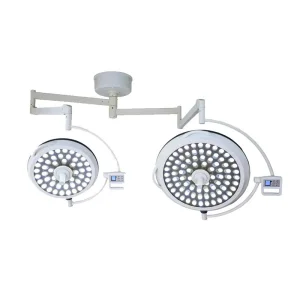
Start with available product configurations. Each item below preserves its original product image, product URL and purchaser-facing description. Use these matches to benchmark specifications, packaging needs and quotation requirements before requesting your OEM pricelist.
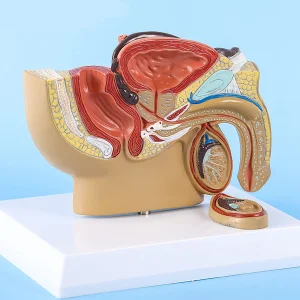
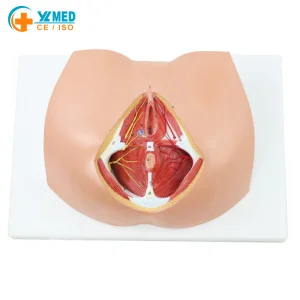
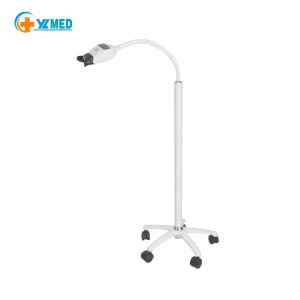
Complete Sourcing Portfolio
One Manufacturer, Ten Product Lines, One Accountable Supply Chain
OEM anatomical model buyers often combine anatomy, prepared slides, nursing simulation, dental equipment and hospital products in one purchase order. The categories below preserve Yulin Medical’s existing product routes and give procurement teams a single starting point for mixed-category sourcing.
Anatomy Models
Torso, organ, heart, brain, muscle, urinary, airway and specialty anatomical teaching models for lectures, labs and patient education.
Biology Prepared Slides and Accessories
Histology, botany and zoology prepared slides plus storage and microscope accessories for school and university laboratories.
Dental Tools and Equipment
Dental teaching models, LED whitening units, clinic lights, vacuum forming and practical dental training instruments.
General Teaching Models
Science demonstration kits and classroom models for primary, secondary and STEM education equipment projects.
Hospital Furniture and Equipments
Examination furniture, stretchers, ward equipment and practical clinical furniture for hospitals and clinics.
Hospital Machine and Tools
Diagnosis, treatment and workflow devices for wards, clinics, emergency departments and training facilities.
Medical Apparatus and Instruments
Emergency splints, extrication devices, cervical traction and rehabilitation instruments for pre-hospital and clinical care.
Medical Nursing Model
CPR manikins, ACLS simulators, neonatal trainers and nursing skill models for simulation-based curricula.
Skeleton Models
Life-size and desktop skeletons, skulls, spines and joint models for osteology, anatomy and physical therapy teaching.
Suture Pads and Kits
Realistic skin suture pads and complete instrument kits for surgical skills, wound closure and clinical practice.
Commercial Definition
OEM Models Anatomical: Definition, Buying Intent and Procurement Standards
Search demand for OEM models anatomical is rarely a single-product request. A distributor may need a urinary system model, a laryngeal-tracheal-bronchial anatomy model and prepared histology slides under one purchase order; a medical university may require replaceable organ parts, English labelling and durable bases; a hospital may need patient-education models that survive daily handling.
The phrase “OEM models anatomical” therefore covers four connected buying intents: private-label product development, curriculum-matched model selection, pricelist-led sourcing and documentation-supported tender supply. For SEO and procurement teams, the useful question is not only “Who sells anatomical models?” but “Which manufacturer can supply the right configuration, packaging, labelling and documentation without creating hidden training costs?”
Yulin Medical’s approach is to separate each model into its teaching purpose, anatomical fidelity, material, removable parts, labelling language, packaging and documentation. That structure lets buyers compare offers beyond unit price. A low-cost torso with fragile hinges, unclear numbering or inconsistent colour coding can cost more over a three-year programme than a slightly higher-priced model with replaceable parts and stable production.
Because Henan Yulin Edu. Project Co., Ltd. was founded in 1958 and has held ISO 9001 certification since 2008, we support both catalogue products and OEM runs. Our Xinxiang factory manages product development, manufacturing, inspection and export coordination with more than 200 professional staff. For one-stop orders, we also coordinate a stable network of long-term partner factories, which matters when a buyer wants ten product lines consolidated into one shipment and one point of contact.
1958Company founded
2008ISO 9001 certified
200+Professional staff
10Product lines
¥120MRegistered capital (RMB)
24hTypical reply target
60+Years of manufacturing history
1Accountable export contact
What a useful OEM anatomical model pricelist should contain
A pricelist is only useful when it matches the way the product will be used. For anatomy models, that means part count, removable organs, numbering system, base type, material, finish, labelling language, replacement-part availability and packaging. For a distributor, private-label packaging, barcodes, model codes and market-specific instructions may matter as much as the model itself.
- Model code, anatomy coverage, dimensions and part count for specification comparison.
- OEM options for label language, packaging, logo, manual and SKU structure.
- Order quantity, mixed-category consolidation and export packing expectations.
- Documentation available on request for tenders, import registration and buyer due diligence.
OEM readiness snapshot
Use this visual checklist to brief a supplier before asking for a quotation. The percentages are project emphasis indicators, not market statistics.
Global Industry Status
Why Anatomical Models Are Moving from Catalogue Items to Curriculum Infrastructure
Across medical education, nursing training, hospital patient communication and veterinary education, physical anatomical models are being re-evaluated as durable teaching infrastructure rather than disposable classroom aids. The commercial opportunity is strongest where a supplier can combine product breadth, OEM flexibility and documented quality.
Simulation-first curricula
Anatomy is increasingly taught alongside case-based and simulation-based learning. Physical models help learners understand spatial relationships, organ position and procedural landmarks before they enter clinical environments.
Procurement consolidation
Universities and distributors prefer fewer suppliers. A manufacturer that can combine anatomical models, prepared slides, nursing simulators and hospital equipment reduces administrative cost and shipment complexity.
OEM and private-label growth
Distributors increasingly want their own brand, market-specific instructions, barcodes and packaging. OEM anatomical models allow local suppliers to build catalogue identity without owning a factory.
Material and hygiene upgrades
PVC, ABS, resin, metal hinges and cleanable finishes are being selected for durability and repeated handling. Buyers now ask about surface cleaning, colour stability and replaceable components.
Modular anatomy and repair economics
Removable organs, numbered structures and replaceable modules improve teaching flexibility. They also lower lifecycle cost because one damaged part does not necessarily retire the whole model.
Tender documentation readiness
Public tenders and institutional purchasing teams need clear specifications, packing lists, model codes and quality documentation. Suppliers that prepare these consistently become easier to retain.
Veterinary and interdisciplinary demand
Veterinary clinics, agriculture programmes, STEM classrooms and patient-education departments are adapting human-anatomy formats for new audiences. This broadens the market beyond medical schools.
Supply chain resilience
Mixed-category factories and long-term partner networks help buyers protect delivery schedules when demand shifts between anatomy models, clinical equipment and training consumables.
Localized Applications
Local Application Scenarios: How Different Markets Use Anatomical Models
The same anatomical model can serve very different local use cases. Matching the model to the buying organisation improves product selection, reduce returns and creates stronger resale potential for distributors.
Medical universities and teaching hospitals
Gross anatomy, physical diagnosis and OSCE preparation require numbered structures, removable organs and clear relationships between vascular, nervous and organ systems.
Nursing and allied health colleges
Urinary system, torso and airway models support practical demonstrations for catheterisation, airway management, patient assessment and clinical skill laboratories.
Hospitals and patient education
Clinicians use anatomical models for informed consent, pre-operative explanation and family communication. Durable finishes and simple structures are more important than classroom part counts.
Dental and oral-health training
Dental teaching models, whitening units and vacuum-forming equipment serve dental schools, clinics and distributors building a practical dental-training catalogue.
Veterinary and agriculture programmes
Veterinary infusion pumps and adapted anatomy models support pet clinics, agricultural colleges and field-training programmes where equipment must be practical and easy to maintain.
K-12 STEM and science centres
Hand-assembled experiments, globes, torso models and general science aids help schools make abstract concepts visible. Age grading, safety and packaging presentation are key.
Emergency and pre-hospital training
Airway, CPR, monitor and immobilisation products support ambulance services, first-aid trainers and hospital emergency departments building realistic skill stations.
Distributors and private-label brands
Importers need stable model codes, market-specific labels, retail-ready packaging and pricelist structures that allow them to position products under their own brand.
Technical Roadmap
Technical Roadmap and Future Outlook for OEM Anatomical Models
Future competitiveness will come from models that are more modular, easier to maintain and better connected to teaching resources. The roadmap below reflects practical product directions buyers can discuss with a manufacturer during OEM planning.
01
Near Term
Anatomical accuracy and modularity
High-resolution moulds, clearer numbering, removable organs and replaceable components will remain the foundation of credible anatomical teaching models.
02
Next Stage
Smart labels and hybrid learning
Models can be paired with multilingual labels, QR-linked instruction content or digital teaching support, connecting physical structures to curriculum resources without reducing tactile learning.
03
Mid Term
Material and packaging sustainability
Buyers are asking for durable, cleanable materials, efficient packaging, reduced damage in transit and better replacement-part availability to extend product life.
04
Long Term
Data-driven OEM platforms
SKU mapping, regional labelling, predictable repeat-order specifications and documented model libraries will help distributors scale private-label anatomical ranges across markets.
Macro Solutions
Macro Industry Solutions: From a Single Model to a Complete Training Ecosystem
Large buyers do not purchase isolated products; they build training ecosystems. A macro solution combines model selection, OEM branding, quality documentation, export packing and repeatable supply.
One-stop OEM programme
Select anatomy, slides, dental, nursing and hospital products from one supplier. Consolidate specifications, packaging and inspection requirements into a single order plan.
Quality documentation
ISO 9001 management has supported production since 2008. Product-specific documentation and specifications can be provided on request for tenders and import registration.
Mixed-category shipment
Combine models, slides, dental items and hospital equipment into one export plan. This reduces supplier management time and helps distributors build complete catalogue launches.
Private-label localization
Our in-house design team supports private-label packaging and product presentation, helping distributors improve shelf appeal and resale value in their local market.
Manufacturer Credibility
E-E-A-T Evidence for OEM Anatomical Model Buyers
Trust in medical education supply should be supported by verifiable company facts, factory experience, quality-system history and clear product documentation. Henan Yulin Edu. Project Co., Ltd. publishes these details so procurement teams can evaluate us on evidence rather than slogans.

Headquarters & factory, Xinxiang, Henan

Production workshop for medical teaching products

Bulk export orders prepared for shipment
Founded in 1958, Henan Yulin Edu. Project Co., Ltd. has grown into an educational and medical equipment manufacturer integrating product research, production and sales. The company is based at No. 8, Daoqing Road, Industry Park, Hongqi District, Xinxiang, Henan, China, with registered capital of RMB 120 million and more than 200 professional employees. Our quality management system has been ISO 9001 certified since 2008.
For OEM buyers, the practical meaning is straightforward: a factory-based manufacturer can discuss model configuration before pricing, recommend packaging and label options, coordinate mixed-category orders and communicate with one export team from quotation to shipment. Yulin Medical’s export team is online seven days a week and typically replies within 24 hours with catalogues, specifications and shipping options.
- Manufacturer with 60+ years of company history and an ISO 9001 certified quality system since 2008.
- In-house design and packaging support for private-label distributors and tender-focused suppliers.
- Broad product coverage across anatomy, biology slides, dental, nursing, hospital furniture and instruments.
- Verified contact channels, factory address and export communication for due-diligence review.
Pricelist Guide
OEM Anatomical Models Pricelist and Procurement Guide
A meaningful OEM pricelist is configuration-based. A generic unit price is less useful than a quotation that identifies the model, part count, labelling, packaging, order quantity, inspection requirement and shipping plan.
| Product family | Typical buyer intent | OEM options to discuss | Pricelist trigger |
|---|---|---|---|
| Anatomy and torso models | Medical schools, nursing colleges, distributors, patient education | Label language, base type, removable parts, model code, packaging | Part count, model size, quantity and packaging artwork |
| Airway, urinary and specialty anatomy | Clinical skills labs, hospital departments, specialist training | Numbering system, colour coding, replacement modules, carry case | Anatomical coverage, material, accessories and documentation |
| Prepared slides and lab sets | Biology labs, universities, school suppliers | Set composition, box type, slide labels, catalogue insert | Number of slides, specimen list, packaging and quantity |
| Dental tools and equipment | Dental clinics, dental schools, distributors | Voltage, plug type, language, private-label housing, manual | Configuration, target-market compliance and order volume |
| Nursing and CPR simulation | Training centres, hospitals, emergency educators | Feedback features, language, consumables, carry bag | Simulation level, accessories, spare parts and quantity |
| Hospital furniture and instruments | Hospitals, clinics, tender suppliers | Dimensions, material finish, labelling, packing method | Specification, tender documents, freight volume and quantity |
Anatomy complexity and part count
Models with removable organs, numbered structures and multiple teaching layers require more tooling, assembly and inspection than single-piece demonstration models.
Material and finish
PVC, ABS, resin, metal joints and painted details influence durability, cleaning behaviour and appearance. Buyers should specify the handling environment.
Label language and manual
English, bilingual or local-language labels affect print setup, quality checks and packaging. A private-label manual can help distributors localise the product.
Packaging and brand presentation
Retail boxes, barcodes, inserts, foam protection and carton marks are part of the product. Packaging decisions should be made before final quotation.
Order quantity and mixed categories
Mixed-category orders can improve container utilisation but may require coordinated production schedules. Share the full target list early to avoid later consolidation costs.
Documentation, testing and shipping
Product-specific documentation, inspection records, packing lists and freight plans should be confirmed in writing. These details support tenders and importer due diligence.
Buyer Q&A
Frequently Asked Questions for OEM Anatomical Model Buyers
These answers address the questions distributors, medical schools, hospitals and tender teams ask most often before requesting quotations or samples.
Is Yulin Medical a manufacturer or a trading company?
We are a manufacturer. Henan Yulin Edu. Project Co., Ltd. was founded in 1958 and operates its own factory in Xinxiang, Henan, China, with more than 200 professional staff. For one-stop orders, we also coordinate a stable network of long-term partner factories so buyers can source multiple product categories through one contact.
What quality certification does Yulin Medical hold?
Our quality management system has been ISO 9001 certified since 2008. Product-specific documentation can be provided on request to support tenders, import registration and buyer due diligence. Buyers should always confirm the exact documents required for their destination market before order confirmation.
Do you support OEM, private label and custom packaging?
Yes. Our in-house design team develops private-label packaging and product presentation for distributors. Typical OEM discussions include logo, label language, manual, barcode, model code, packaging artwork, carton marks and market-specific product presentation. Share your target market and artwork requirements so the quotation can include the correct setup costs.
How do I choose the right anatomical model for my programme?
Start with the learning objective: gross anatomy, organ structure, airway management, urinary system teaching, patient education or examination practice. Then confirm the required anatomical coverage, number of removable parts, labelling language, base type, material, cleaning method and replacement-part availability. For distributors, also consider packaging, catalogue presentation and model-code consistency across repeat orders.
How do I choose the right CPR training manikin?
Match the manikin to the learner group (adult, child or neonatal), check that real-time feedback covers compression depth, rate and ventilation, confirm alignment with current AHA resuscitation guidelines, and decide whether AED training integration is required. For advanced life-support programmes, an ACLS simulator with embedded scenarios offers more assessment value than a basic torso.
How is an OEM anatomical model pricelist calculated?
A pricelist is configuration-based. Key factors include model complexity, part count, material, label language, packaging, order quantity, accessory set, inspection requirements and shipping method. For mixed-category orders, the total carton volume and production schedule also affect the commercial proposal. Send a target quantity and destination country to receive a practical quotation.
Can you supply mixed-category orders in one shipment?
Yes. Yulin Medical supports mixed-category orders across anatomy models, biology prepared slides, dental tools, nursing models, hospital furniture and clinical instruments. Consolidating categories can reduce supplier-management time, but it requires early planning so production, inspection and export packing are coordinated correctly.
How quickly will I receive a reply and can I evaluate samples?
Our export team is online seven days a week and typically replies within 24 hours with catalogues, specifications and shipping options. Samples can be discussed before bulk production so your instructors, clinicians or distributors can evaluate anatomical fidelity, finish, packaging and documentation requirements against the intended use.
Need an OEM Anatomical Model Manufacturer and a Project Pricelist?
Send your target market, product list, quantity, label language, packaging requirements and any tender documentation needs. Our team will recommend suitable models, confirm specifications and prepare a quotation within the stated reply target.
Product Selection 9–16
More OEM Models Anatomical & Medical Teaching Products — Second 8 Product Matches
Continue your comparison with the final eight product matches. Each product link and image remains available for procurement review, catalogue planning and quotation requests.