
Eight OEM Anatomy & Clinical Training Models for Global Buyers
The products below are part of the original Yulin Medical model range. Each card preserves the supplied product image and destination URL, with a button-style inquiry link for faster sourcing decisions.
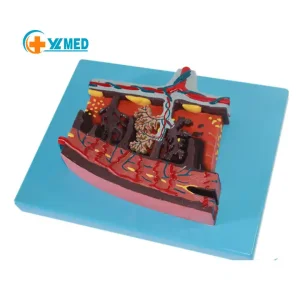
Wholesale exquisite workmanship Placental tissue Simulation model medical Pelvis Placenta Model Quotes, Service
View product & request quote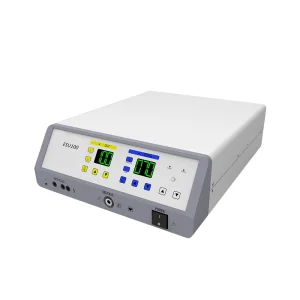
China High Frequency Bipolar Seven Functions Monopolar Radiofrequency Electrosurgical Unit With Neurological Surgery Manufacturer, Factories
View product & request quote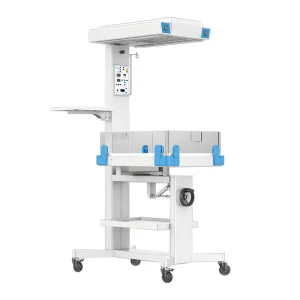
ODM Medical Neonatal Heat Radiant Warmer Baby Emergency Equipments Infant Radiant Warmer Manufacturers, Service
View product & request quote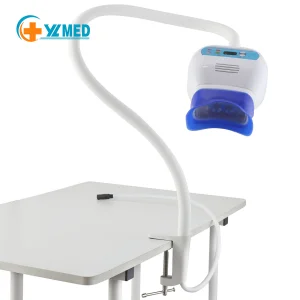
ODM Dental chair whitening instrument LED cold light single blue light beauty salon dental cold light tooth whitening instrument Manufacturers, Quotes
View product & request quote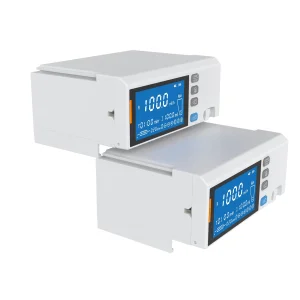
ODM Portable Automatic Volumetric Infusion Pump With LCD Touch Screen Clinic Portable IV Fluid Infusion Pump for Emergency & Clinics Manufacturer, Quotes
View product & request quote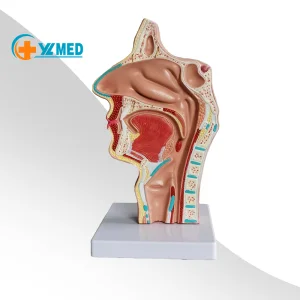
ODM Medical Science Human nose and throat anatomy medical model human anatomy throat model medical mannequins Factories, Service
View product & request quote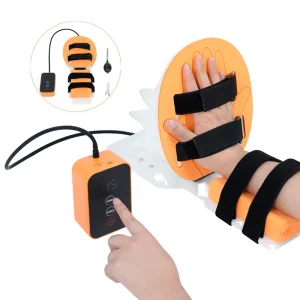
Wholesale New Stroke Rehabilitation Robotic Wrist Joint Trainer Hand Joint Hemiplegia Recovery Device for Rehabilitation Therapy Supplies Factory, Quotes
View product & request quote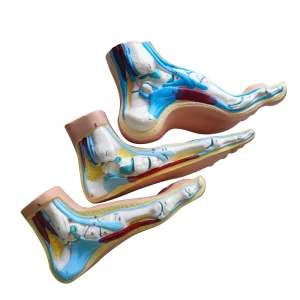
ODM PVC flat foot and arch model foot structure teaching display model for medical science education Factories, Pricelist
View product & request quoteWhy an OEM Model Anatomy Factory Is Now a Strategic Supply-Chain Decision
Anatomy models are no longer simple catalog items. They are curriculum-linked teaching assets, patient-education tools and simulation components that must arrive with consistent color, accurate anatomy, durable joints, replaceable parts and documentation that supports tenders and import registration.
Henan Yulin Edu. Project Co., Ltd. (Yulin Medical) has manufactured educational and medical training equipment in Xinxiang, China, since 1958. Its quality management system has been ISO 9001 certified since 2008, and the company employs more than 200 professional staff with registered capital of RMB 120 million. The operating motto is simple: quality first, service first.
This white paper is written for distributors, medical universities, nursing colleges, hospital procurement teams and tender suppliers who need to compare OEM anatomy model factories with genuine operational evidence rather than brochure claims. It examines the anatomy of a modern factory, the difference between OEM, ODM, private label and trading-company supply, the technical roadmap for anatomical models, macro industry solutions, localization and compliance support, China Factory 4.0 supply-chain resilience, global enterprise procurement requirements and the practical questions buyers ask before placing a first order.
The central argument is straightforward: the best OEM anatomy model factory is not the one that promises the lowest unit price, but the one that can reproduce the same anatomical accuracy, packaging quality and documentation across repeat batches while consolidating mixed-category orders into one accountable shipment. That combination reduces total landed cost, protects tender compliance and lowers the risk of after-sales disputes.
Experience
More than six decades of manufacturing history in Xinxiang, Henan, with production, inspection and export operations managed from the same industrial base.
Expertise
Ten specialized product lines covering anatomy models, nursing simulation, skeleton models, dental equipment, biology slides, hospital furniture and clinical training devices.
Trust
ISO 9001 certification since 2008, product-specific documentation on request, private-label design support and a 24-hour reply commitment for overseas buyers.
OEM, ODM, Private Label and Trading Companies: Definitions Matter
In the anatomy model market, the words “factory” and “OEM” are often used loosely. A genuine OEM anatomy model factory should control or clearly manage the core elements of production: master-model development, mold maintenance, material selection, color matching, component assembly, final inspection and export packing. An ODM supplier may offer a mature design that you brand for your market. A private-label program may combine existing models with custom packaging, manuals and product presentation. A trading company may coordinate several factories, which can be useful for one-stop sourcing, but it must be transparent about where each product is actually made.
For buyers, the practical question is not whether a supplier calls itself a factory. The question is: who owns the process knowledge, who signs the inspection record, and who is accountable when a batch arrives with color variation, incomplete parts or packaging that fails a tender requirement? That is why factory audits, sample evaluation and documentation review should happen before a purchase order is confirmed.
Yulin Medical operates its own factory and also coordinates a stable network of long-term partner factories for one-stop orders. This model is valuable for distributors that need anatomy models, nursing manikins, dental teaching products and hospital equipment in a single shipment. The key is to keep the quality system and communication channel unified. One contact, one specification sheet and one inspection standard reduce the risk that different categories arrive with inconsistent labeling, packing or documentation.
Inside a Modern Model Anatomy Factory: Design, Molding, Finishing and Quality Control
A high-quality anatomical model is a hybrid product: part educational instrument, part precision casting, part hand-finished visual aid. The factory must manage both engineering discipline and craft skill.
1. Anatomical Design & 3D Modeling
Reference anatomy is translated into digital masters, part breakdowns and teaching logic. Numbered structures, removable organs, magnets, hinges and display stands are planned before tooling begins.
2. Material Selection & Molding
PVC, silicone, resin, ABS and mixed materials are selected according to durability, tactile realism, paint adhesion and cost targets. Mold maintenance directly affects surface finish and dimensional consistency.
3. Hand Finishing & Color Accuracy
Anatomical color is a teaching feature, not decoration. Factory painters follow color standards for arteries, veins, nerves, organs and pathological areas so that every batch remains recognizable in the classroom.
4. Assembly, QC & Export Packing
Final inspection checks fit, joint strength, part completeness, printed labels, carton protection and documentation. Export packing must survive multi-leg transport and mixed-container consolidation.
The strongest factories use a bill of materials and an inspection plan for each model family. Dimensional checks confirm that removable parts seat correctly. Color checks protect anatomical clarity. Joint and magnet tests simulate repeated classroom use. Carton drop and vibration planning protect the product during sea freight, air freight and final-mile delivery. For OEM programs, packaging artwork, manuals, language labels and barcode requirements should be frozen before mass production, not added after inspection.
Quality control in an anatomy model factory is also a documentation function. A buyer may need a product specification sheet, packing list, carton dimensions, gross weight, material declaration, certificate of origin or tender-ready compliance statement. Information gain comes from providing the right document at the right stage: early enough for tender submission, specific enough for customs clearance and consistent enough for repeat orders.
Ten Sourcing Categories Under One Quality System
A complete medical education and clinical procurement program rarely stops at one product family. The ability to source ten categories from one accountable manufacturer reduces supplier management cost and improves shipment consolidation.
Anatomy Models
Torso, organ, heart, brain and muscle models with numbered structures for lectures and patient education.
View range → 02Biology Prepared Slides and Accessories
Histology, botany and zoology prepared slides plus storage and microscope accessories for biology labs.
View range → 03Dental Tools and Equipment
Dental teaching models, clinic lights, LED whitening units and endodontic instruments for training and practice.
View range → 04General Teaching Models
Science demonstration models for primary schools, secondary schools and education equipment tenders.
View range → 05Hospital Furniture and Equipments
Stainless steel examination couches, stretchers, walkers and shower chairs built for daily clinical use.
View range → 06Hospital Machine and Tools
Diagnosis and treatment devices and practical tools for wards, clinics and emergency departments.
View range → 07Medical Apparatus and Instruments
Emergency splints, extrication devices, cervical traction and rehabilitation instruments.
View range → 08Medical Nursing Model
Adult, child and neonatal CPR manikins, ACLS simulators and AED trainers for skills assessment.
View range → 09Skeleton Models
Life-size and desktop skeletons, skulls, spines and joint models for osteology teaching.
View range → 10Suture Pads and Kits
Realistic skin suture pads and complete instrument kits for surgical and wound-closure practice.
View range →Featured CPR, Emergency & Rehabilitation Equipment
These products originally support the CPR, emergency, hospital furniture and rehabilitation ranges. They show how a single manufacturing conversation can expand into a broader clinical training and patient-care order.












Model Anatomy Technology Roadmap and Future Outlook
The next generation of anatomical models will combine physical accuracy with digital instruction, modular serviceability and measurable learning outcomes. The roadmap below is practical rather than speculative: each direction must still pass material, cost and classroom-durability tests.
Modular, Magnet-Linked Anatomy
More organ systems will be designed as replaceable modules. Magnets, keyed connectors and standardized stands allow schools to repair one part instead of replacing an entire torso, reducing lifecycle cost and improving inventory flexibility.
QR-Linked Digital Content
Printed labels and QR codes can connect a physical model to quizzes, 3D views, pronunciation guides and curriculum notes. For distributors, this becomes a private-label content opportunity rather than a commodity accessory.
Patient-Specific 3D-Printed Models
Hospitals and specialist training centers increasingly request pathology-specific models for surgical planning and informed consent. The factory challenge is to combine small-batch 3D printing with repeatable finishing standards.
Smart Simulation Feedback
CPR and nursing simulators can report compression depth, rate, ventilation volume and AED sequencing. Future models will integrate richer sensor data while remaining easy for instructors to set up, clean and store.
Sustainable Materials & Packaging
Low-VOC coatings, recyclable cartons and reduced plastic inserts are becoming procurement requirements. Material changes must be validated for paint adhesion and dimensional stability before they enter a catalog.
AI-Assisted Training Support
AI will increasingly support post-session analysis, multilingual instruction and remote assessment. The durable value for OEM partners is a consistent data structure across models, not a temporary app interface.
A responsible technical roadmap separates near-term improvements from long-term experiments. In the next 12 to 24 months, buyers should expect better modularity, clearer labeling, digital instruction and more durable finishes. Over two to four years, sensor-enabled simulation and patient-specific pathology models will move from premium niches into broader catalog programs. Over four years and beyond, AI-assisted assessment and mixed-reality training may become standard in high-fidelity simulation centers, but the physical model will remain the core reference object. The factories that win will be those that can integrate digital features without compromising anatomical accuracy, repairability or export documentation.
Macro Industry Solutions: From Medical Schools to Emergency Response
Different buyer groups evaluate anatomy models against different outcomes. A university may prioritize curriculum alignment; a hospital may prioritize patient education; a distributor may prioritize packaging and resale value. The same factory platform can support all three if the configuration and documentation are correct.
Medical Universities & Anatomy Labs
Life-size torsos, regional anatomy, skeleton models, heart and brain models, and pathology models with numbered structures for lectures, practical exams and lab demonstrations.
Nursing & Allied Health Simulation
CPR manikins, nursing models, injection pads, suture kits and clinical-skills trainers that align with course levels and assessment checklists.
Dental Schools & Aesthetic Clinics
Dental anatomy models, practice teeth, whitening instruments and clinic lights for student practice, patient consultation and professional training.
Hospitals & Patient Education
Anatomical models and charts for informed consent, pre-operative explanation, rehabilitation guidance and health-awareness programs.
Emergency Medicine & CPR Programs
Adult, child and neonatal CPR/ACLS trainers, AED trainers, emergency splints and extrication devices for first-responder and hospital teams.
Rehabilitation & Orthopedics
Wrist-joint trainers, mobility aids, cervical traction devices, walkers and daily-care equipment for recovery and long-term support.
Science Centers & K-12 STEM
General teaching models, biology prepared slides, demonstration kits and popular-science educational equipment for hands-on learning.
Government Tenders & Distributors
Consolidated multi-category supply, private-label packaging, specification sheets, packing data and responsive communication for tender deadlines.
Localization Support and Compliance Assurance for Global Markets
A model that is technically excellent can still fail procurement if its documentation, labeling or packaging does not match the destination market. Localization should be designed into the OEM process from the first quotation.
Tender & Import Documentation
Product specifications, packing lists, carton data, material descriptions and product-specific documents can be prepared on request. Final import registration remains the importer’s responsibility, but the factory can supply the evidence needed to support it.
Language, Labeling & Packaging
Private-label packaging, multilingual manuals, barcode labels, warning statements and market-specific presentation can be developed by the in-house design team for distributors.
Quality Records & Standards Alignment
ISO 9001 certification since 2008 provides the quality-management foundation. Product-specific test reports, inspection records or compliance statements can be discussed according to destination and tender requirements.
After-Sales, Spare Parts & Training
Replaceable components, usage guidance, inspection support and responsive communication help distributors and institutions protect uptime and reduce rejection risk.
Localization is more than translation. It includes carton size optimization for local warehousing, protection against humidity during sea freight, instruction clarity for non-native speakers, spare-part labeling and consistency between the product label and the tender specification. For OEM buyers, the strongest factory partner is one that can hold these details stable across repeat orders. That is how compliance becomes a repeatable process rather than a last-minute document scramble.
Supply-Chain Resilience and Efficiency Advantages
Factory 4.0 is often presented as a marketing label. In medical training equipment, it has a more practical meaning: digital planning, disciplined process control, traceable inspection and export packing that reduces variability across mixed-category orders.
Vertical Process Knowledge
From master-model development and mold maintenance to painting, assembly and final inspection, process knowledge stays inside the manufacturing system. This reduces the communication loss that occurs when design, production and quality are split among unrelated suppliers.
Flexible Production Planning
Mixed-category orders require coordinated material planning, subassembly scheduling and carton consolidation. A factory that already manages anatomy models, nursing simulation, dental products and hospital furniture can plan the shipment as one export project rather than several disconnected purchases.
Quality System Discipline
ISO 9001 certification since 2008 is backed by inspection routines, process ownership and corrective-action thinking. The goal is not a certificate on the wall; it is fewer surprises in color, fit, packing and documentation on every repeat order.
Export Packing & Consolidation
Protective export packing, carton marking, mixed-container loading and one point of contact help distributors reduce freight complexity. Consolidated shipments lower handling risk and simplify customs communication.
Supply-chain resilience also comes from a stable network of long-term partner factories. For a one-stop order, Yulin Medical can coordinate multiple categories while keeping the buyer’s communication and quality expectations unified. This is especially important for government tenders, where a missing manual, inconsistent label or mismatched packing list can delay an entire shipment. The efficiency advantage is not simply faster production. It is fewer handoffs, clearer accountability and a more predictable path from purchase order to delivery.
Global Enterprise Procurement Demand: What Buyers Are Asking For
Across markets, procurement teams are moving toward fewer, more capable suppliers. They still compare price, but they also score documentation, customization, communication, compliance and continuity.
The most common enterprise requests are consistent: private-label packaging, product presentation that raises resale value, mixed-category consolidation, tender-ready specifications, responsive multilingual communication and a single accountable contact. Price remains important, but the cheapest quotation can become the most expensive order if it creates rework, delayed clearance or classroom downtime.
For distributors, the winning proposition is not simply “more models.” It is a factory partner that can help select the right models for a target market, configure packaging for local shelves, prepare documents for tender submission and keep repeat batches stable. For hospitals and universities, the priority shifts toward training outcomes, repairability, spare parts and clear instructions. A factory with broad category experience can translate these different buyer intents into one production plan without losing quality control.
Why Yulin Medical: A Six-Decade Manufacturer Trusted by Educators and Clinicians
Experience, expertise, authority and trust are not abstract SEO terms in this category. They are visible in factory history, quality certification, product breadth, documentation discipline and the ability to answer buyer questions with operational detail.
 Headquarters & factory, Xinxiang, Henan
 Production workshop for medical teaching models
 Bulk export orders prepared for shipment
Founded in 1958, Henan Yulin Edu. Project Co., Ltd. has grown into a well-known educational and medical equipment supplier that integrates scientific research, production and sales. With registered capital of RMB 120 million and more than 200 professional employees, the company manages product development, manufacturing, inspection and export from its base at No. 8 Daoqing Road, Industry Park, Hongqi District, Xinxiang, Henan, China.
The company’s goal is to fully satisfy every customer through dependable quality and attentive service, while continuously developing the skills of its team so that each project is handled by experienced people. For buyers, this means one accountable manufacturer for anatomy models, nursing simulators, lab slides and hospital equipment, consolidated into a single shipment and backed by an ISO 9001 quality system certified since 2008.
24/7 Responsive Service
The team is online 24 hours a day, 7 days a week. Whatever your time zone, you receive a detailed answer as quickly as possible, typically within 24 hours.
Design & Packaging Team
In-house specialists deliver professional product design and private-label packaging that strengthens your brand and increases the added value of every unit you sell.
Professional Expertise
The vision is to provide the most professional educational and medical training products from mainland China, built under ISO 9001 process control and decades of category knowledge.
60+ Years of Supply Stability
A factory with more than 60 years of history and a deeply integrated partner supply chain helps meet one-stop demands and keep lead times predictable on repeat orders.
A Transparent Five-Step Process for Overseas Buyers
From the first conversation to delivery, every stage should have a named contact and clear documentation so you can plan stock, tenders and training schedules with confidence.
Share Requirements
Send product types, quantities, target market and any tender or certification needs.
Catalog & Proposal
Receive matched models, specifications, packaging options and shipping suggestions.
Sample Evaluation
Test samples with your instructors or clinicians before confirming bulk production.
Production & QC
Manufacturing and inspection follow the ISO 9001 quality management system.
Export & Support
Protective export packing, delivery coordination and responsive after-sales service.
News and Practical Insights from Our Specialists
Exhibition updates and hands-on guidance written by the team that designs, builds and exports medical training products.

Do You Really Know How to Observe Biological Prepared Slides?
Many plant and animal cell structures can only be studied under a microscope, which makes prepared biological slides essential in every biology lab. Our specialists explain how to handle, focus and store slides correctly so students see clearer detail and slide sets last for years.

The 5th Henan Provincial Educational Equipment Expo Concludes Successfully
Themed “Digital Leading Innovation and Development”, the expo reached a record 50,000 m² with 600+ brands and 10,000+ products on display, showcasing the latest educational equipment.

Inside Our Product Showroom
A look at the medical teaching models and training equipment buyers can inspect in person when visiting our Xinxiang facility.
Frequently Asked Questions from Importers and Procurement Teams
Straight answers to the questions buyers ask most before placing a first OEM or mixed-category order.
Is Yulin Medical a manufacturer or a trading company?
What quality certification do you hold?
Do you support OEM, private label and custom packaging?
How do I choose the right CPR training manikin?
How quickly will I receive a reply?
How do you support tenders and import registration?
Can you consolidate mixed-category orders?
How do you control quality and batch consistency?
More OEM Anatomy, Dental and Clinical Training Models
The second product group preserves the remaining supplied product images and URLs, giving buyers a complete view of the original model anatomy range before contacting the export team.
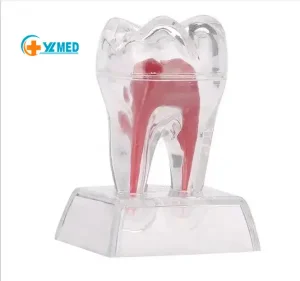
OEM Tooth Dental Model for Student Practice Medical Science Anatomical Model Carton Box Standard Teeth Artificial Enlarged Natural Quotes, Service
View product & request quote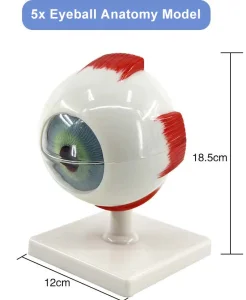
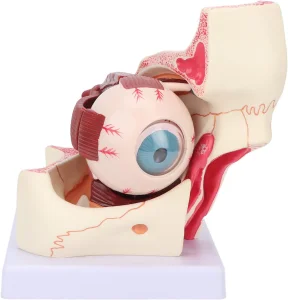
ODM Medical Science Human Anatomical Simulation Eyeball Structural eye anatomical model 3 times larger 6 part eye anatomy model Manufacturer, Factories
View product & request quote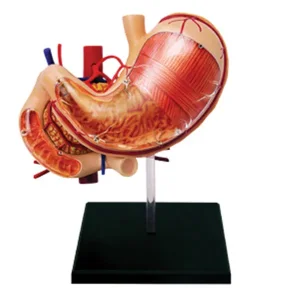
ODM Medical teaching model DIY popular science educational equipment human stomach organ anatomical model Manufacturer, Service
View product & request quote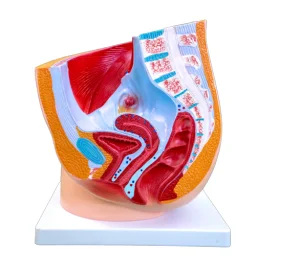
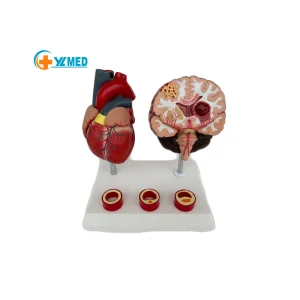
China Human Anatomy Heart Vessels and Brain Pathological Structure Cerebral Vascular Disease Model YL2-30082 Size 3 Non-Electric Manufacturer, Service
View product & request quote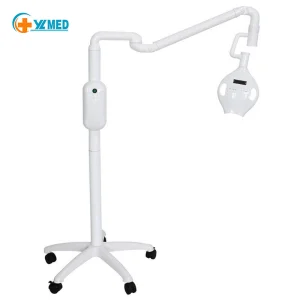
OEM Dental LED cold light whitening instrument beauty salon tooth beauty instrument professional oral care tooth beauty lamp Manufacturers, Factories
View product & request quote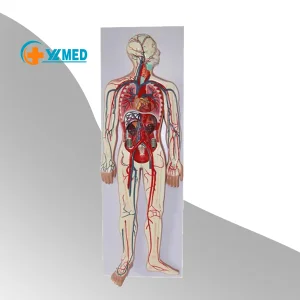
ODM Blood Circulation Model Anatomical Circulatory System Model Heart Visceral Organ Anatomical Model Medical Teaching Aids Quotes, Service
View product & request quoteNeed Specifications, a Price List or a Tender Package?
Tell us your target market, quantities and certification requirements. The product specialists will recommend suitable models, share detailed specifications and propose an economical shipping plan for your order.
Direct Channels
Factory address: No. 8, Daoqing Road, Industry Park, Hongqi District, Xinxiang, Henan, China.