
OEM Medical Mannequin Training Factory & Quotes
Factory-direct OEM medical mannequin training models, CPR and nursing simulators, anatomy models, dental and laboratory teaching equipment, and hospital training accessories from Henan Yulin Edu. Project Co., Ltd. — manufacturing in Xinxiang, China since 1958 and ISO 9001 certified since 2008.
OEM Medical Mannequin Training Products — First 8 Product Links
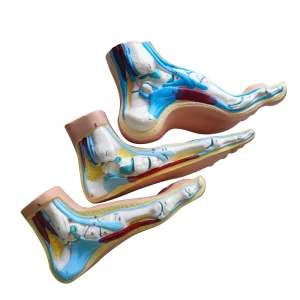
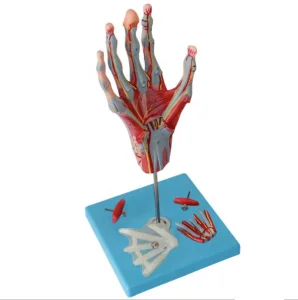
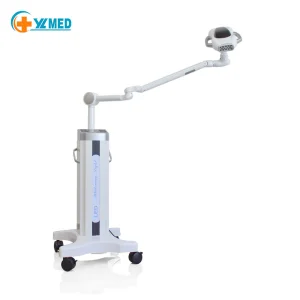
Use these factory product links to request specifications, MOQ guidance, packaging options and quotations. The images, product URLs and titles are preserved for direct sourcing reference.
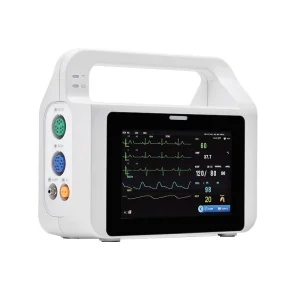
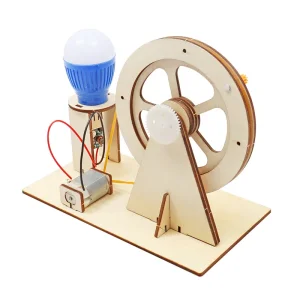
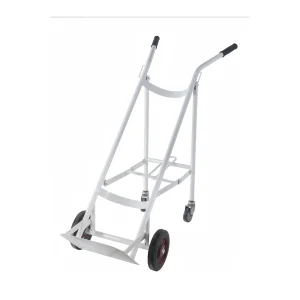
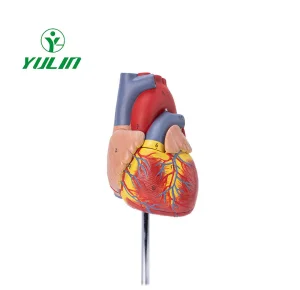
Need a mixed container? Our export team can consolidate multiple product families into one shipment with one point of contact and one documentation package.
OEM Medical Mannequin Training Factory & Quotes: What Serious Buyers Need to Verify
A search for OEM medical mannequin training factory is rarely a consumer query. It usually signals a distributor, medical university, nursing college, hospital skills laboratory, emergency-training centre or tender buyer looking for factory evidence, model configuration, private-label capability, documentation, delivery reliability and a quotation that can be compared fairly. The buyer is not only asking “how much is one mannequin?” — they are asking whether the supplier can support repeat orders, local-language packaging, spare parts and a long-term training programme.
Henan Yulin Edu. Project Co., Ltd. — trading as Yulin Medical — has been manufacturing educational and medical training equipment in Xinxiang, Henan, China since 1958. Our quality management system has been ISO 9001 certified since 2008, and our registered capital is RMB 120 million with more than 200 professional staff. We operate across ten product lines: anatomy models, biology prepared slides and accessories, dental tools and equipment, general teaching models, hospital furniture and equipment, hospital machines and tools, medical apparatus and instruments, medical nursing models, skeleton models, and suture pads and kits. For one-stop orders, we also coordinate a stable network of long-term partner factories.
For maximum information gain, this guide explains the application scenarios, technical roadmap, future outlook, China supply-chain resilience, global commercial context, localization support, compliance boundaries and quotation structure behind medical mannequin training sourcing. It is written to help procurement teams distinguish a catalogue reseller from a factory that can control materials, moulding, assembly, inspection, packaging and after-sales support.
- Factory-direct supply across ten product lines, from anatomy and CPR training models to dental, laboratory and hospital equipment.
- OEM and private-label support: branding, packaging, manuals, accessory kits, carton marks and product presentation.
- Mixed-category consolidation into one shipment, with one contact and one export documentation flow.
- Quote transparency: model, material, sensor configuration, MOQ, packaging, compliance documents, Incoterms and lead time.
Yulin Medical at a Glance
Founded in 1958. ISO 9001 certified since 2008. Located at No. 8, Daoqing Road, Industry Park, Hongqi District, Xinxiang, Henan, China. The company integrates scientific research, production and sales, with a motto of “quality first, service first.”
For overseas buyers, this means a factory history long enough to understand repeat-order behaviour, a product range broad enough to consolidate mixed tenders, and a design team able to support private-label packaging and product presentation.
Four Questions Behind Almost Every Medical Mannequin RFQ
A useful factory quotation answers the commercial question and the operational question at the same time.
Can the trainer match the curriculum?
Adult, child and neonatal CPR require different anatomy and feedback. Nursing, ACLS, auscultation, catheterization, injection, suture and dental training each need a different configuration. A credible quote should define the learning objective before pricing the model.
Can the factory customise without losing quality?
OEM may mean a logo, private-label carton, language manual, colour reference, accessory set or fully new model. The quote should separate standard configuration, tooling and custom work so buyers can see what is reusable on repeat orders.
Are documents sufficient for tenders and import?
Procurement teams often need product specifications, packing lists, photographs, material descriptions, use-and-care instructions and quality-management evidence. The factory should clarify what is available and what the buyer must verify locally.
Is the total landed cost predictable?
Unit price is only one line. Packaging size, gross weight, spare parts, sample charges, mixed-order consolidation, Incoterms and after-sales support can change the real cost. Ask for a quote that exposes these variables clearly.
Where Medical Mannequin Training Creates Measurable Value Locally
The same factory capability can support very different buyers. The best quotation depends on where the trainer will be used, who will assess the learner and how often the unit will be serviced.
Medical universities and anatomy laboratories
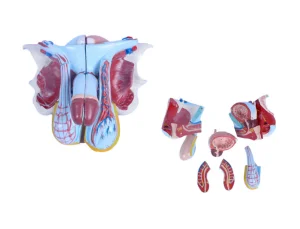
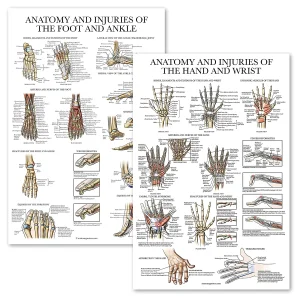
Anatomy models, skeleton models, heart and hand models, human fat models and anatomy posters support lectures, self-study and practical examinations. Local value comes from durable structures, numbered parts, removable components and multilingual labels for large student cohorts.
Nursing colleges and simulation centres
Full-body CPR trainers, nursing manikins, injection arms, catheterization trainers and suture pads allow repetitive practice before students enter clinical placement. Simulation centres need replaceable consumables and predictable lead times so courses are not interrupted.
Hospital clinical skills and OSCE stations
Hospitals use mannequin training for resuscitation drills, ward induction, OSCE assessment and emergency-team rehearsal. Real-time compression feedback, adult and paediatric configurations, and easy cleaning are often more valuable than a larger catalogue.
EMS, fire services and community first-aid programmes
Pre-hospital teams need rugged trainers, AED trainer units, airway management models and scenario-based refresher courses. Local distributors benefit from compact packaging, spare face shields or lungs, and simple manuals that reduce instructor setup time.
Dental clinics, oral-health training and beauty-salon education
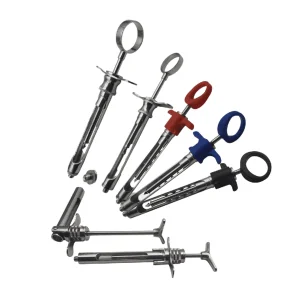
Dental aspirating syringes, cold-light whitening instruments, dental teaching models and tooth-related training aids support hands-on practice. Buyers should request appropriate product documentation and verify local electrical, hygiene and import requirements before placing bulk orders.
Biology laboratories and distributor showrooms
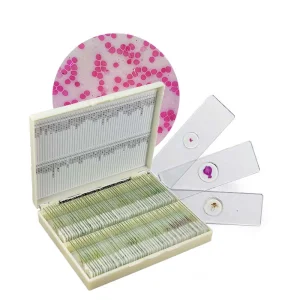
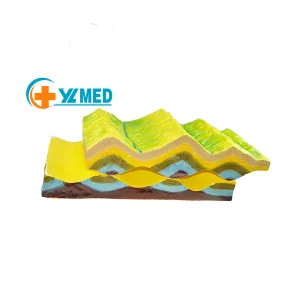
Prepared microscope slides, slide box sets, molecular models and geology teaching models give distributors a broader education-equipment offer. Showroom demonstration units, high-quality product photography and private-label catalogues help local sales teams explain the range faster.
From Anatomical Model to Connected Hybrid Trainer: A Practical Route
A factory-grade medical mannequin is not a single moulded shell. It is a controlled sequence of design, materials, mechanics, sensors, software, validation and lifecycle support.
Anatomical and curriculum brief
Define learner level, anatomical structures, size, disassembly, colour coding, materials and language. Decide whether the unit is a demonstration model, task trainer or full simulation manikin.
Tooling, moulding and materials
Select PVC, silicone, rubber or composite materials for skin feel, durability and cleaning. Control mould finish, wall thickness, part fit and colour consistency before sample approval.
Mechanics and sensor integration
Integrate compression springs, airway paths, ventilation bags, replaceable lungs, AED pads, IV arms or procedure modules. Sensor choice should match the training outcome and service plan.
Firmware, content and calibration
Displays, feedback algorithms, scenario scripts, multilingual interfaces and instructor controls must be calibrated after assembly. The aim is useful feedback, not unnecessary complexity.
Validation, packaging and lifecycle
Inspect under the ISO 9001 quality system, test packing, prepare manuals and spare-parts lists, and agree on repeat-order tolerances so future batches match the approved sample.
What the Next Generation of Medical Mannequin Training Will Demand
The future is not simply “more electronics.” It is better assessment, easier maintenance and clearer evidence that training transfers to clinical performance.
AI-assisted objective assessment
Compression depth, rate, recoil, ventilation volume and scenario timing can already be logged. Future trainers will turn that data into instructor-friendly debriefs and learner progress reports without adding administrative burden.
AR and XR-guided procedure rehearsal
Augmented and extended-reality instructions may overlay anatomy, needle paths, hand position or auscultation sites on physical models. The physical mannequin remains essential for touch, resistance and spatial learning.
Modular, repairable and circular design
Replaceable lungs, face skins, airway parts, springs, sensor boards and limbs reduce total cost of ownership. Design for repair also helps distributors support local customers without returning entire units.
Connected training fleets and data dashboards
Multi-campus institutions will expect consistent software versions, calibration records and training logs across sites. Factories that can manage firmware, manuals and spare parts in multiple languages will have a clear advantage.
Why Factory Depth, Supplier Depth and Documentation Depth Matter
Medical mannequin training products combine soft materials, rigid parts, mechanical assemblies, electronics, printed materials and export packaging. A supplier with long-term factory experience can stabilise this mix. Yulin Medical has manufactured in Xinxiang since 1958 and has operated an ISO 9001 quality management system since 2008. That history matters when a buyer needs repeat batches of anatomy models, nursing trainers, hospital furniture and laboratory teaching items with consistent colours, materials and packing.
China’s advantage is not only cost. It is the density of specialised suppliers for moulds, silicone, PVC, rubber, metal fabrication, sensors, printing and protective packaging. For overseas distributors, that density supports faster sample iteration and flexible mixed-category consolidation. A single shipment can combine anatomy models, prepared slides, dental instruments, CPR trainers, hospital furniture and suture kits — reducing supplier administration and improving container utilisation.
Resilience, however, requires more than a supplier list. It requires documented specifications, approved samples, incoming-material checks, in-process inspection, final inspection, export packing standards and a clear after-sales route for spare parts. Lead-time reliability is a quality output, not a promise added at the end of the quotation.
Factory Quote Readiness Scorecard
The clearer these inputs are, the faster a factory can issue a comparable quotation. This scorecard is an illustrative quotation tool, not a statistical survey.
The Global Demand Shift: More Simulation, More Documentation, More Accountability
Across markets, buyers are moving from isolated catalogue purchases toward programme-level sourcing. The strongest suppliers will combine product breadth with documentation and localisation support.
North America and Europe
Accreditation, resuscitation training and clinical simulation are mature. Buyers often compare total cost of ownership, replacement-part availability, English manuals, sample consistency and supplier responsiveness. Claims must be accurate; training aids must not be presented as medical devices unless classification and documentation support that claim.
Middle East, Africa and Latin America
New medical schools, nursing programmes and hospital projects create demand for broad one-stop sourcing. Distributors value factory consolidation, durable packaging, tender documentation, flexible MOQs and the ability to mix CPR trainers, anatomy models, laboratory slides and hospital furniture.
Asia-Pacific and domestic education upgrades
Skill-lab expansion and vocational training drive demand for modular, repairable trainers. Local distributors increasingly want private-label catalogues, product photography, bilingual manuals and fast replenishment of consumable parts such as lungs, face skins and airway components.
Global distributors and e-commerce sellers
Online sellers need consistent product presentation, stable carton dimensions, barcode-ready packaging and clear after-sales policies. The factory supporting them must avoid untraceable substitutions between batches and should define what is standard, optional and custom.
A note on reliability: regulatory classification of medical teaching models, dental equipment and hospital items varies by country and intended use. Buyers should confirm local import, labelling, electrical-safety and registration requirements. Yulin Medical can provide product-specific documentation on request, but the importer remains responsible for local compliance verification.
How a China Factory Can Support Local Markets Without Overclaiming
Localisation is not only translation. It includes packaging, electrical configuration, training materials, product data, spare-parts planning and tender-ready presentation.
Documentation and tender packs
We can support catalogues, specifications, packing lists, product photographs and quality-management evidence. For tenders, buyers should provide a document checklist early so gaps are identified before quotation.
Language, labels and manuals
English manuals are standard; additional language versions, private-label labels, carton marks, barcodes and distributor branding can be discussed according to order volume and approval requirements.
Electrical and accessory localisation
Where products include powered components, plug type, voltage, frequency, fuse rating and label text must be confirmed before production. Accessory kits and replacement parts can be planned around local service capability.
Sample approval and batch consistency
For OEM training models, approve a golden sample covering colour, material feel, markings, packaging and accessories. Repeat orders should reference that sample and the approved specification to reduce batch drift.
Ten Product Lines for Medical Education, Training & Clinical Support
The original category links remain active so procurement teams can move from this whitepaper into detailed product ranges.
Anatomy Models
View range → 02Biology Prepared Slides and Accessories
View range → 03Dental Tools and Equipment
View range → 04General Teaching Models
View range → 05Hospital Furniture and Equipments
View range → 06Hospital Machine and Tools
View range → 07Medical Apparatus and Instruments
View range → 08Medical Nursing Model
View range → 09Skeleton Models
View range → 10Suture Pads and Kits
View range →Frequently Quoted Products Beyond the Mannequin Range
These additional original product links support buyers who are building a broader one-stop order for training centres, hospitals, ambulance services and distributors.












A Transparent Five-Step Process for Overseas Buyers
From first inquiry to delivery, every stage should have a named contact, an approved specification and clear documentation.
Share requirements
Send product types, quantities, target market, learner level, packaging needs and any tender or certification checklist.
Catalog and proposal
Receive matched models, specifications, private-label options, packing suggestions and shipping guidance.
Sample evaluation
Test samples with your instructors, clinicians or procurement team before confirming bulk production.
Production and QC
Manufacturing and inspection follow the ISO 9001 quality management system, with approved samples as the reference.
Export and support
Protective export packing, delivery coordination, spare-parts planning and responsive after-sales communication.
Four Strengths That Reduce Sourcing Risk
Medical mannequin training is repeat-order business. The supplier’s service model matters as much as the first sample.
24/7 responsive service
Our export team is online seven days a week and typically replies within 24 hours with catalogues, specifications and shipping options. Clear communication is especially important when buyers are comparing models across time zones.
In-house design and packaging
Our design team supports private-label packaging and product presentation for distributors, helping increase shelf appeal and resale value while keeping product information consistent.
Professional expertise since 1958
Our vision is to provide professional educational and medical training products from mainland China, supported by ISO 9001 process control and decades of category experience.
Supply stability for one-stop orders
A factory with more than 60 years of history and a deeply integrated partner supply chain helps meet mixed-category demand and keep lead times more predictable on repeat orders.



Knowledge from the Team That Builds the Products
Exhibition updates and hands-on guidance help distributors sell more effectively and help educators use training equipment correctly.

Do You Really Know How to Observe Biological Prepared Slides?
Plant and animal cell structures require correct handling, focus and storage. Our specialists explain how to protect slide sets, improve student observation and extend service life in busy biology laboratories.

The 5th Henan Provincial Educational Equipment Expo Concludes Successfully
Themed “Digital Leading Innovation and Development,” the expo reached a record 50,000 m² with 600+ brands and 10,000+ products on display, showcasing the latest educational equipment.

Inside Our Product Showroom
A look at the medical teaching models and training equipment buyers can inspect in person when visiting our Xinxiang facility, including anatomy, nursing, dental and laboratory ranges.



Frequently Asked Questions from Importers and Training Institutions
Straight answers to the questions procurement managers ask most before placing a first order or moving a repeat order to a China factory.
Is Yulin Medical a manufacturer or a trading company?
What quality certification do you hold?
Do you support OEM, private label and custom packaging?
How do I choose the right CPR training manikin?
How quickly will I receive a reply?
What information is needed for an accurate medical mannequin quotation?
Can you consolidate mixed categories into one shipment?
Do you provide samples before bulk production?
What about lead time and spare parts?
How do I request a factory quote?
Need Specifications, a Price List or a Tender Package?
Tell us your target market, quantities, learner level, packaging and certification requirements. Our product specialists will recommend suitable models, share detailed specifications and propose an economical shipping plan for your order.
Direct Channels
OEM Medical Mannequin Training Products — Second 8 Product Links
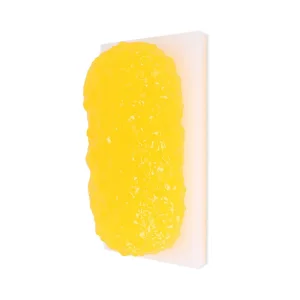
The final product showcase preserves the remaining supplied images, titles and product URLs for direct factory quotation.
Build a More Comparable OEM Medical Mannequin Quote
Send your target market, learner level, quantities, packaging requirements and documentation checklist. Our team will reply with model recommendations, specifications and factory quotation options within 24 hours.
Request Your Factory Quote