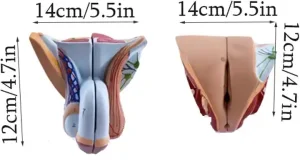
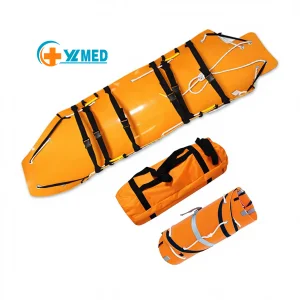
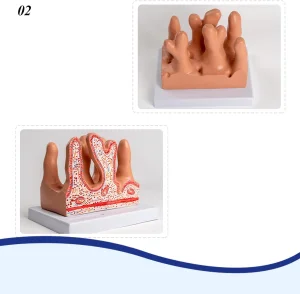
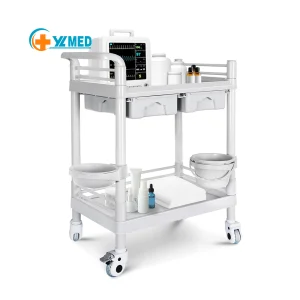
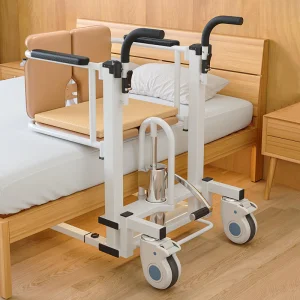
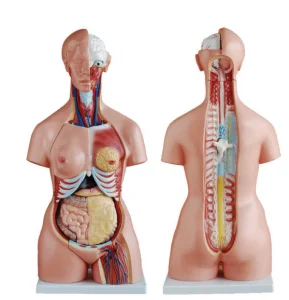
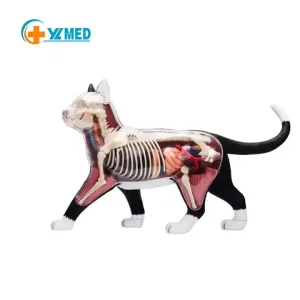
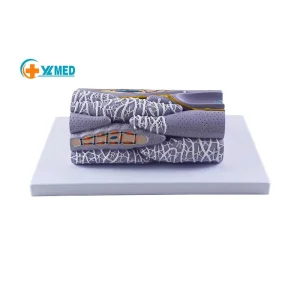
Medical Teaching & Clinical Equipment from the Same Qualified Supply Network
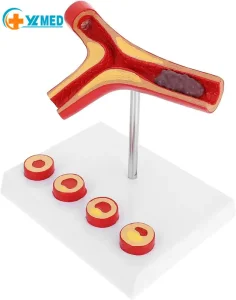
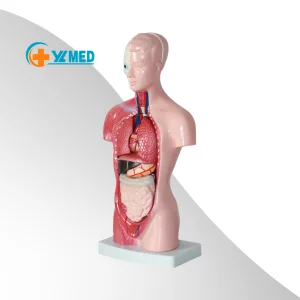
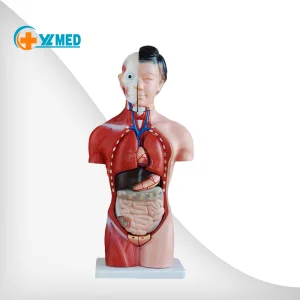
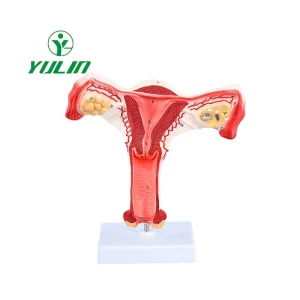
The products below are part of Yulin Medical’s established medical and educational equipment range. They show the sourcing depth, packaging discipline and export experience that also support OEM medical infant incubator sourcing and service programs.

OEM Medical Infant Incubator Quotes & Service: A Lifecycle Decision, Not a Price Tag
An infant incubator is a controlled micro-environment for a newborn. Its clinical value depends on stable temperature, humidity, airflow, oxygen compatibility, alarm reliability, cleanability and the ability to support protocols used by neonatal teams. For a distributor, the quotation must therefore cover more than the device itself: it must define configuration, intended use, evidence pack, packaging, spare parts, training and service response. For a hospital, the lowest initial offer can become the most expensive option if probes, filters, mattresses or service are not available during the equipment lifecycle.
Yulin Medical, operated by Henan Yulin Edu. Project Co., Ltd., has manufactured educational and medical equipment in Xinxiang, China since 1958. Its quality management system has been ISO 9001 certified since 2008. With registered capital of RMB 120 million and more than 200 professional staff, the company manages product development, manufacturing, inspection and export from its base at No. 8 Daoqing Road, Industry Park, Hongqi District. Its product portfolio spans 10 product lines, from anatomy and nursing models to hospital furniture and instruments. For infant incubator OEM sourcing, this experience translates into disciplined supplier coordination, private-label packaging, mixed-category consolidation and a 24-hour response commitment.
Our working motto remains quality first, service first. In an OEM medical infant incubator project, Yulin Medical’s role is to align the right qualified manufacturing platform with the buyer’s clinical claims, target-market documentation, packaging and after-sales model. Product-specific documentation can be provided on request to support tenders and import registration.
Global Commercial Reality: Why Infant Incubator OEM Buyers Are Re-Ranking Suppliers
Demand for neonatal care equipment is shaped by NICU capacity expansion, replacement cycles, public health investment and the need to reduce neonatal mortality. Buyers are also shifting from one-off purchase to service-level sourcing.
In many markets, procurement teams now ask for installation support, clinical training, spare-parts kits, calibration guidance and documentation that survives audits. This changes how an OEM medical infant incubator quote is evaluated. A supplier that can produce a clear configuration sheet, test evidence, label artwork and a spare-parts list has an advantage over a supplier that only sends a unit price. The buyer’s real question is: can this device remain safe, available and serviceable for the next five to ten years?
At the same time, the technical benchmark has moved. Modern units are expected to offer servo-controlled skin and air temperature modes, double-wall thermal protection, humidity control, quiet operation, easy cleaning, oxygen and phototherapy integration options, alarm prioritization and data export where connectivity is requested. In tenders, evaluators may compare noise, humidity recovery time, temperature uniformity, alarm response and the availability of disposable accessories. These details should be defined before the price is fixed, otherwise the quotation is not comparable.
Trade policy adds another layer. Tariffs, freight volatility, battery shipping rules and regional registration timelines influence landed cost. For OEM programs, the practical answer is a modular platform and a documentation-first process: lock the clinical claims, create the technical file early, and design packaging and accessories so that the same base device can be localized for multiple markets.
The percentages above reflect project priorities observed by our export team in inquiries and are intended as a sourcing guide, not as a statistical market survey.
From a Single Incubator to a Neonatal Care Program
Procurement teams increasingly buy an infant incubator system rather than a single box. The system may include bassinets, transport incubators, phototherapy, resuscitation tables, monitoring accessories, consumables and training.
Facility & Workflow Planning
Align the device mix with NICU levels, labor wards, referral pathways and available biomedical support. The objective is not simply more units, but the right configuration at each point of care.
Clinical Configuration Standards
Standardize probes, alarms, humidifiers, cleaning instructions and accessories across sites. A common platform reduces training burden and spare-parts complexity.
Service & Training Architecture
Plan local biomedical training, first-line maintenance, recommended spare kits and escalation paths. Service design should be part of the quotation, not an afterthought.
A credible OEM quote should show how these modules connect. If a hospital plans to use the same incubator in a high-humidity region and in an air-conditioned NICU, humidity, condensation and calibration requirements must be checked. If a distributor sells into both public tenders and private hospitals, the product family should include an economical configuration and an advanced configuration without making spare parts incompatible. This is where information gain matters: the supplier that can explain the trade-offs becomes a partner, not just a vendor.
The Anatomy of a Defensible OEM Medical Infant Incubator Quote
A professional quote is a controlled document. It should allow a procurement manager, biomedical engineer and regulatory officer to compare offers on the same basis.
1. Intended Use & Claims
Neonatal incubator, transport incubator or convertible care station? Air mode, skin mode, phototherapy or oxygen options? Claims determine classification, testing, labeling and training, so they must be in writing before branding or tooling.
2. BOM & Configuration
List hood, mattress, skin probe, humidifier, oxygen inlet, phototherapy, battery, castors, shelves, filters and optional accessories. Use part numbers and country-specific plug and voltage data.
3. Materials & Cleanability
Check shell materials, mattress cover, seams, filter access and compatibility with hospital disinfectants. Ask for a documented cleaning procedure and replacement intervals.
4. Evidence Pack
Request IEC 60601-1, IEC 60601-1-2 and IEC 60601-2-19 evidence where applicable, plus risk management and usability or software evidence for connected versions. Certificate scope must match the model and manufacturing site.
5. Labeling & Language
Confirm instructions for use, quick-start card, alarm labels, service manual, packaging marks, UDI or local registration fields, and the target language. Do not accept translated screenshots as a substitute for controlled documents.
6. Packaging & Logistics
Agree export carton tests, pallet plan, humidity protection, battery transport documentation and whether the recommended spare-parts kit ships with the main order.
7. Commercial Terms
Clarify MOQ, tooling, sample fees, payment schedule, lead time, warranty start date, price validity, Incoterms and spare-parts price list. A five-year view is more useful than a one-time unit price.
8. Service Level
Define response time, remote support, RMA process, calibration support, training materials and the recommended spare-parts kit. Service is part of the price and should be measured during evaluation.
Use a total cost of ownership model, not just unit price. Ask for a five-year view: initial units, optional accessories, consumables, spare parts, training, freight and downtime risk. A quote with a slightly higher device price but a complete probe, filter and spare kit plus clear documentation may be cheaper across the contract period. For public tenders, check whether the evaluation scores technical compliance, warranty, training and local service separately. For distributors, check whether the OEM partner protects your brand, provides neutral documentation and supports registration without leaking your customer list.
Localized Support and Compliance Assurance: Turning Documents into Market Access
Compliance is market-specific. The same infant incubator may require different testing, labeling and registration evidence in different countries.
For this reason, an OEM medical infant incubator service should begin with a regulatory mapping meeting, not a catalogue download. The output should be a document matrix that lists intended use, classification, standards, test reports, risk file, software level, EMC, biocompatibility for patient-contact materials, packaging, UDI, instructions-for-use language and post-market obligations. The buyer’s local registration agent remains responsible for local approval, but the manufacturer must provide consistent source documents.
Yulin’s base quality system has been ISO 9001 certified since 2008, and product-specific documentation can be provided on request. For incubator programs, buyers should ask for the manufacturing partner’s ISO 13485 certificate and exact scope, plus test reports for the offered model. Typical technical standards include IEC 60601-1 for basic safety, IEC 60601-1-2 for electromagnetic compatibility and IEC 60601-2-19 for infant incubator particular requirements, together with risk-management evidence and, where applicable, software life-cycle evidence. Do not accept a “CE” logo as a substitute for a declaration and test evidence. Check the manufacturer name, model, classification and standards.
Localization Checklist for Infant Incubator OEM Programs
Power & Environment
110/220 V, 50/60 Hz, plug type, voltage tolerance, battery backup, altitude, humidity, ambient temperature and spare fuses. The quotation should state acceptable operating conditions clearly.
Language & Training
Instructions for use, labels, alarm messages, quick guides, service manuals and training videos in the target language. Clinical wording should be reviewed locally.
Spare Parts & Service
Recommended kit, filter, probe and mattress part numbers, local biomedical training, RMA process and escalation path. Local service availability can decide tender success.
Where a hospital has unstable power, the quotation should state the acceptable input range, battery backup and surge-protection requirements. In hot and humid regions, condensation management and filter replacement intervals matter. In neonatal transport, fixation, battery runtime and vibration resistance become different design priorities. These local details should be written into the quote as options, not discovered after installation.
Where Infant Incubator Performance Is Really Tested
A configuration that works in a teaching hospital may not be suitable for a district hospital, mobile clinic or private maternity unit. Define the scene before defining the specification.
Level II / III NICU
Continuous thermoregulation, humidity, alarms and easy cleaning for high-acuity newborns. Integration with phototherapy and monitoring workflows should be planned.
District General Hospitals
Economical, robust configurations with clear training and spare-parts kits for teams that may not have a dedicated neonatal engineer.
Teaching Hospitals
Advanced modes, data visibility and service manuals that support clinical education, research protocols and biomedical training.
Private Maternity
Quiet operation, parent-friendly design, simple controls and premium packaging or branding for private-label distributors.
Mobile & Field Hospitals
Transport-ready accessories, battery management, rugged packaging and quick deployment for emergency neonatal care.
High-Humidity Climates
Corrosion-resistant parts, condensation control, filter schedules and humidity calibration plans for tropical or coastal regions.
Unstable Power Regions
Wide input tolerance, battery backup, surge protection and a clear field-service plan to reduce downtime risk.
Tender & Registration Projects
Model consistency, document control, label artwork, IFU language and spare-parts lists aligned to tender evaluation and local registration.
Technology Roadmap and Future Outlook for Medical Infant Incubators
The next generation of infant incubators is shaped by clinical safety, infection control, connectivity and serviceability. A credible OEM roadmap should separate what is available today from what is still developing.
Thermoregulation Foundation
Servo-controlled skin and air temperature, double-wall hood, humidification, airflow and alarms remain the core. Reliability and calibration stability matter more than feature count.
Clinical Integration
Phototherapy, oxygen control, weighing and monitoring interfaces can reduce handling. Yet integration increases risk-management and usability requirements, so every claim must be validated.
Connected Care
Remote diagnostics, digital logs and hospital network integration can improve uptime. Cybersecurity, data privacy and alarm latency must be designed from the beginning.
Predictive Service
Sensor-health monitoring, consumable tracking and modular subassemblies support local repair. Design for repair is a competitive advantage where freight cycles are long.
Looking ahead, buyers should expect more modular platforms. A common chassis with regional power options, language packs and optional modules can reduce registration complexity while preserving clinical performance. Infection-control design will continue to matter: removable humidifier chambers, smooth surfaces, tool-free filter access and validated cleaning instructions will be evaluated alongside device price. The strongest OEM medical infant incubator programs will be built by suppliers that can provide evidence, not just hardware.
Five-Step OEM Service Workflow for Infant Incubator Projects
From first inquiry to after-sales support, every stage should produce a document, a decision or a measurable deliverable.
Share Requirements
Target market, clinical level, intended claims, quantities, tender documents, preferred Incoterm and registration timeline.
Catalog & Proposal
Configuration matrix, accessories, documentation list, packaging options, lead-time estimate and a clear price breakdown.
Sample Evaluation
Bench review, alarm checks, cleaning trial and, where relevant, clinician evaluation against local protocols.
Production & QC
Batch records, incoming inspection, assembly checks, safety tests and pre-shipment inspection under the agreed quality plan.
Export & Support
Protective packing, shipping documents, recommended spare-parts kit, training materials and after-sales escalation.
Why Distributors and Institutions Partner with Yulin Medical
Four strengths overseas buyers consistently cite when they move long-term orders to our factory and partner network.
24/7 Responsive Service
Our team is online 24 hours a day, 7 days a week. Whatever your time zone, you receive a detailed answer as quickly as possible, typically within 24 hours.
Design & Packaging Team
In-house specialists deliver professional product presentation and private-label packaging that strengthens your brand and increases the added value of every unit you sell.
Professional Expertise
Our vision is to provide professional educational and medical training products from mainland China, built under ISO 9001 process control and decades of category knowledge.
60+ Years of Supply Stability
A factory with more than 60 years of history and a deeply integrated partner supply chain helps us meet one-stop demands and keep lead times predictable on repeat orders.
FAQ: OEM Medical Infant Incubator Quotes & Service
Straight answers to the questions procurement managers ask most before placing a first order.
Is Yulin Medical a manufacturer or a trading company?
We are a manufacturer. Henan Yulin Edu. Project Co., Ltd. was founded in 1958 and operates its own factory in Xinxiang, Henan, China, with more than 200 professional staff. For one-stop orders, we also coordinate a stable network of long-term partner factories.
What quality certification does Yulin Medical hold?
Our quality management system has been ISO 9001 certified since 2008. Product-specific documentation can be provided on request for tenders and import registration. For infant incubator programs, buyers should also request the manufacturing partner’s ISO 13485 scope and model-specific test reports.
Do you support OEM, private label and custom packaging?
Yes. Our in-house design team develops private-label packaging and product presentation for distributors to increase shelf appeal and resale value. Custom language, artwork and accessory kits can be discussed during quotation.
What should an OEM medical infant incubator quote include?
It should include intended use and claims, configuration and BOM, materials and cleaning instructions, evidence pack, labeling and language, packaging and logistics, MOQ and lead time, warranty and service level. Ask for a five-year spare-parts view as well as the unit price.
Can you support local registration and tender documentation?
We can prepare product-specific documents, test reports, labels, instructions for use and declarations for the importer or local agent. Final registration approval remains market-specific and is handled with your local regulatory representative, but we aim to provide consistent source documents.
How do I choose the right infant incubator configuration?
Start with the clinical level and workflow: Level II/III NICU, district hospital, maternity unit or transport use. Then define temperature modes, humidity, phototherapy, oxygen compatibility, alarm requirements, power conditions and local service capability. The lowest price is not a valid comparison until the configuration is normalized.
How quickly will I receive a reply?
Our export team is online 7 days a week and typically replies within 24 hours with catalogs, specifications and shipping options.
What after-sales service can be included?
Depending on the project, we can coordinate recommended spare-parts kits, biomedical training materials, warranty terms, remote support and RMA escalation. Service requirements should be written into the quotation and contract so that response expectations are clear.
A Six-Decade Manufacturer and a Broader Medical Product Ecosystem
Founded in 1958, Henan Yulin Edu. Project Co., Ltd. has grown into a well-known educational and medical equipment supplier that integrates scientific research, production and sales.
With registered capital of RMB 120 million and more than 200 professional employees, we manage product development, manufacturing, inspection and export from our base at No. 8 Daoqing Road, Hongqi District, Xinxiang. Our goal is to satisfy every customer through dependable quality and attentive service, while continuously developing the skills of our team so that each project is handled by experienced people. For buyers, this means one accountable manufacturer or coordinator for anatomy models, nursing simulators, lab slides and hospital equipment, consolidated into a single shipment and backed by an ISO 9001 quality system.



Yulin Medical Product Lines
Our specialists also publish practical guidance on observing biological prepared slides, updates from the 5th Henan Provincial Educational Equipment Expo, and a look inside our product showroom. For buyers sourcing CPR training manikins from the same catalogue, the selection rule is simple: match the manikin to the learner group (adult, child or neonatal), check real-time feedback for compression depth, rate and ventilation, confirm alignment with current AHA resuscitation guidelines, and decide whether AED training integration is required.
Request an OEM Medical Infant Incubator Quote
Send your target market, clinical level, quantity, required modes, language, power standard, registration timeline and tender date. Our team will reply with a configuration matrix and document list.
Additional Products from Yulin Medical’s Qualified Supply Network
These established medical and educational products demonstrate the same sourcing, packaging and export coordination available for OEM medical infant incubator projects.