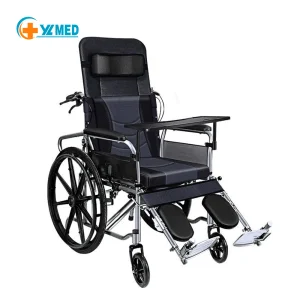
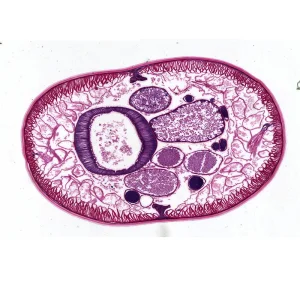
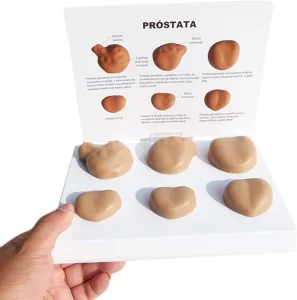
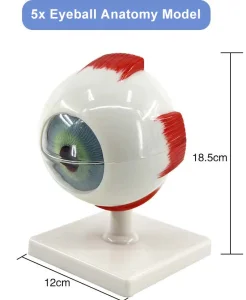
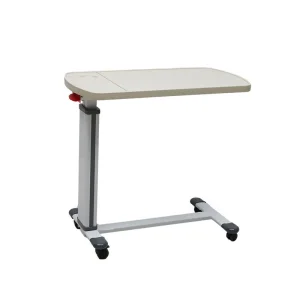
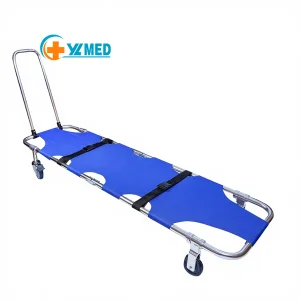
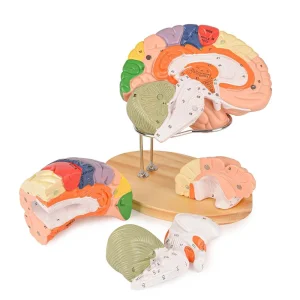
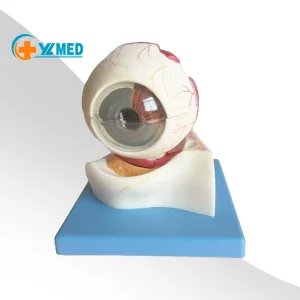
Banner Product Reference: 8 Given Medical & Educational Items for Mixed OEM Sourcing
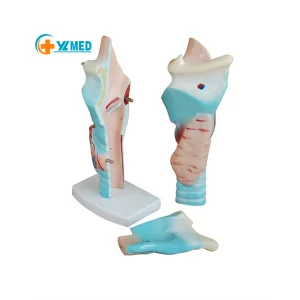
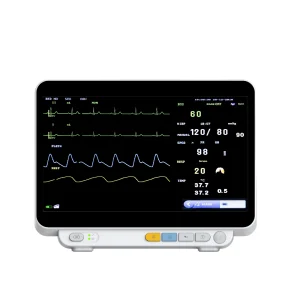
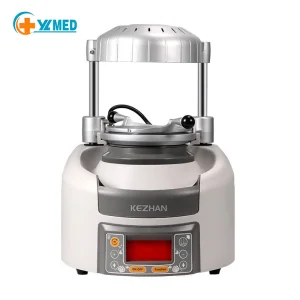
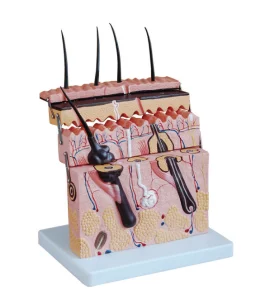
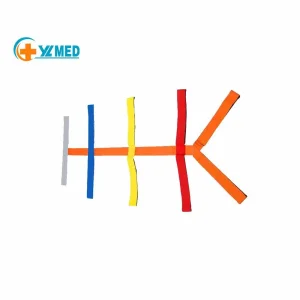
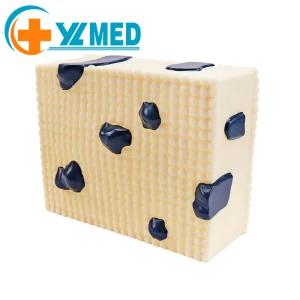
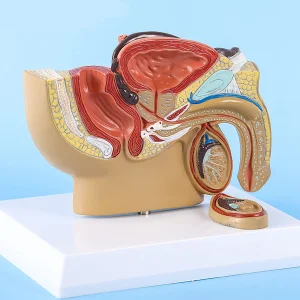
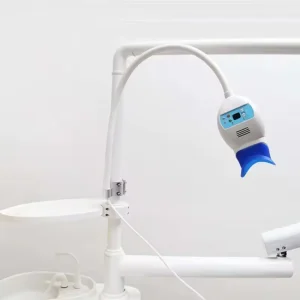
The original Yulin Medical product references are retained below with their image URLs and product links. They help distributors combine oxygen concentrator OEM programs with teaching models, emergency equipment, dental devices, and hospital furniture in one consolidated shipment.
Six Decades of Manufacturing Experience, Documented Quality, and Export Discipline
OEM Medical Grade Oxygen Concentrator Manufacturing: What Buyers Must Verify Before Comparing Prices
OEM procurement of a medical grade oxygen concentrator is not a simple commodity purchase. It is an integration project. The device must meet the clinical oxygen demand of the target market, pass the destination's electrical and EMC safety requirements, carry the correct alarms and labeling, and remain serviceable after the container leaves the port. This is why the title of this guide — OEM Medical Grade Oxygen Concentrator Manufacturer & Pricelist — should be read as a request for evidence, not a request for a single number.
Yulin Medical's background is built on long-term manufacturing and export. Founded in 1958, Henan Yulin Edu. Project Co., Ltd. has grown into a well-known educational and medical equipment supplier that integrates scientific research, production, and sales. With registered capital of RMB 120 million and more than 200 professional employees, we manage product development, manufacturing, inspection, and export from our base at No. 8 Daoqing Road, Hongqi District, Xinxiang. Our quality management system has been ISO 9001 certified since 2008, and our operating motto is simple: quality first, service first.
For oxygen concentrator OEM programs, we combine our factory's engineering, packaging, inspection, and export experience with a qualified medical-device partner network. The objective is practical: give distributors and tender teams a traceable supply route for PSA oxygen concentrators while preserving the original Yulin Medical catalog for mixed-category orders.
What This Means for Buyers
- Factory-direct supply across 10 product lines, from anatomy models to hospital furniture, so oxygen concentrators can be consolidated with teaching, emergency, dental, and ward equipment.
- Private-label packaging and product design support that raises resale value and protects your brand in local markets.
- Mixed-category orders consolidated into one shipment with one point of contact and one documented quality process.
- Responsive export communication: our team is online 24 hours a day, 7 days a week, and typically replies within 24 hours with catalogs, specifications, and shipping options.
Medical-Grade OEM Buyer Snapshot
- Continuous oxygen purity and flow accuracy at the stated outlet pressure.
- Alarm logic for low purity, low pressure, power failure, and overheating.
- Electrical safety, EMC, noise, and thermal performance for the destination market.
- Traceable components, service parts, filters, sieve beds, valves, and compressors.
- Registration documents, labels, manuals, and change-notification procedures.
What “Medical Grade” Means in an Oxygen Concentrator OEM Program
A medical grade oxygen concentrator is a system of pressure swing adsorption, pneumatic control, electronic sensing, alarms, and documentation. The word “medical” refers to the whole validated system — not only the oxygen outlet.
Purity, Flow, and Pressure Stability
PSA concentrators use zeolite molecular sieve beds to adsorb nitrogen from compressed air and deliver oxygen-enriched gas. For medical use, the manufacturer must define oxygen purity at each flow setting, outlet pressure, warm-up time, and behavior under continuous operation. A 5 LPM unit used for home oxygen therapy has different validation needs from a 10 LPM clinic unit or a portable pulse-dose device.
Alarms, Sensors, and Clinical Safety
Medical-grade operation depends on reliable alarms: low purity, low pressure, power interruption, high temperature, and low oxygen concentration. The display must be understandable to caregivers, and alarm limits must match the clinical use case. For OEM buyers, ask for alarm test records, sensor calibration procedures, and failure-mode analysis — not only a specification sheet.
Documentation and Change Control
Regulatory files, labels, manuals, risk analysis, test reports, and component change notices are part of the product. A private-label brand must know who owns the technical file, how revisions are communicated, and how spare parts remain available. For tenders, ISO 9001, test reports, certificates of origin, packing lists, and warranty terms are often requested before the price is even evaluated.
Localized Application Scenarios for Medical Grade Oxygen Concentrators
Oxygen concentrator requirements change by setting. The same OEM platform may need different filters, alarms, flow ranges, languages, mounting kits, and service intervals for each market.
Home Oxygen Therapy
For COPD, pulmonary fibrosis, palliative care, and long-term oxygen therapy, buyers prioritize quiet operation, stable continuous flow, humidifier compatibility, caregiver-friendly alarms, and low maintenance. Local service access for filters and sieve beds is essential.
Clinics and Physician Offices
Small clinics use concentrators as a reliable oxygen source for minor procedures, nebulizer support, and emergency backup. Compact footprint, easy cleaning, and clear flow controls matter more than high-capacity hospital features.
Hospitals and Long-Term Care
Hospitals may use concentrators as redundancy for central oxygen systems, in step-down units, or during renovation. Requirements include continuous-duty compressors, high-temperature protection, maintenance schedules, and spare-parts planning.
Emergency and Ambulance Use
Portable and battery-supported oxygen concentrators need vibration resistance, secure mounting, fast start-up, and clear battery status. Ambulance services should verify compatibility with vehicle power and local emergency protocols.
Rural, Off-Grid, and High-Altitude Care
In areas with unstable electricity or high altitude, oxygen concentrators may require voltage stabilization, surge protection, solar/battery integration, and performance validation at reduced atmospheric pressure. Local training reduces avoidable service calls.
Dental and Aesthetic Clinics
Dental sedation and aesthetic procedures need quiet, stable oxygen supply in compact rooms. Low-noise operation, cleanable surfaces, and simple alarm displays improve workflow. The clinic should confirm local sedation regulations and oxygen-source requirements.
Veterinary and Laboratory Use
Veterinary clinics and laboratories use oxygen concentrators for surgery, recovery cages, and research support. Buyers should confirm flow ranges, duty cycle, filter protection, and whether the device is marketed for animal or human use.
Industrial and Aquaculture Oxygen Supply
Oxygen concentrators are also used in aquaculture, wastewater treatment, ozone generation, and selected industrial processes. Industrial use must be clearly separated from medical claims. Medical-grade devices should not be placed into industrial applications without regulatory review and appropriate product documentation.
Technical Road Map and Future Outlook for Oxygen Concentrator OEM
The next generation of oxygen concentrators will be judged on efficiency, connectivity, serviceability, and local compliance — not only on liters per minute.
Efficient PSA Modules and Modular Service
Buyers will ask for higher-efficiency compressors, improved zeolite bed life, modular valve blocks, tool-free filter access, and multilingual interfaces. Modular design reduces downtime and makes private-label spare-parts programs easier to manage.
IoT Monitoring and Predictive Maintenance
Connected concentrators can report purity trends, running hours, filter status, alarm events, and maintenance reminders. For distributors, remote monitoring creates a service-revenue model; for hospitals, it improves uptime and auditability.
Portable Power, Quieter Operation, and Clinical Integration
Battery-supported and ultra-quiet designs will expand home-care and ambulatory use. Integration with telemedicine platforms and electronic medical records will support adherence monitoring and remote clinical review, subject to local data-privacy rules.
Sustainability and Circular Service
Energy-efficient compressors, recyclable housings, longer-life sieve beds, and regional refurbishment hubs will matter to public tenders. OEM buyers should ask for component life data, service documentation, and end-of-life planning.
Supply-Chain Resilience and Efficiency Advantages from a 1958 Manufacturing Base
China's medical-device supply chain is not a single factory; it is an industrial ecosystem. For oxygen concentrator OEM programs, the advantage comes from coordinated sourcing of compressors, valves, molecular sieve, sensors, fans, power supplies, plastics, and packaging — followed by disciplined inspection, export packing, and documentation.
Yulin Medical's operation is built for repeat buyers. A factory with more than 60 years of history and a deeply integrated partner supply chain lets us meet one-stop demands and keep lead times predictable on repeat orders. Our registered capital of RMB 120 million, more than 200 professional employees, 10 product lines, and ISO 9001 system since 2008 support a practical procurement model: one accountable contact for mixed-category shipments.
For oxygen concentrator projects, our team coordinates specification review, component selection, sample validation, private-label packaging, pre-shipment inspection, and export documentation with qualified medical-device manufacturing partners. Buyers receive a clear bill of materials discussion, change-control commitments, and spare-parts planning rather than an unstructured price list.
Resilience Checklist for OEM Buyers
- Approved supplier list for compressors, valves, sensors, sieve beds, and power supplies.
- Incoming inspection and lot traceability for critical components.
- Pre-approved alternative components with change-notification rules.
- Finished-product functional test, purity check, alarm test, and aging run.
- Export packaging validation for sea freight, air freight, and multi-drop distribution.
- Documentation package: invoice, packing list, certificate of origin, test reports, warranty, and user manual.
Global Commercial and Industrial Status: Why Oxygen Concentrator OEM Demand Is Changing
Across global markets, demand is driven by aging populations, chronic respiratory disease, home-care expansion, hospital redundancy planning, emergency preparedness, and decentralized healthcare delivery. The commercial model is shifting from simple device sales toward rental fleets, service contracts, private label, and local assembly partnerships.
In high-income markets, buyers place strong emphasis on regulatory approval, clinical evidence, service networks, and total cost of ownership. In emerging markets, demand often focuses on affordability, voltage flexibility, robust filters, local-language manuals, and access to spare parts. For industrial use, oxygen concentrators serve aquaculture, wastewater treatment, ozone generation, and selected combustion or cutting processes, but medical and industrial claims must remain strictly separated.
The global commercial landscape is fragmented among branded device makers, contract manufacturers, regional distributors, and service providers. The winning OEM partner is not always the lowest-cost assembler. It is the partner that can demonstrate consistent purity, stable alarms, documented change control, spare-parts availability, and export experience across multiple product categories.
For distributors, the opportunity is to build a local offer that combines equipment, consumables, training, and after-sales service. For hospitals and tender agents, the priority is a supplier that can provide the technical file, certificates, and delivery plan without creating registration risk.
Pricelist Anatomy: What Should Be Included in an OEM Oxygen Concentrator Quote?
A professional quotation should explain the assumptions behind the price. If a supplier returns only a number, the buyer cannot compare total cost, compliance risk, or after-sales exposure.
Flow, Purity, and Pressure Specification
State whether the quote covers 1, 3, 5, 8, 10 LPM or another flow range; continuous flow or pulse dose; oxygen purity target; outlet pressure; humidifier or nebulizer options; and operating altitude assumptions. Each change can alter compressor size, sieve-bed volume, and validation workload.
Certification and Registration Scope
Clarify which certificates are included, which are optional, and which must be obtained by the importer. Buyers should verify IEC 60601-1, ISO 80601-2-69, ISO 13485, CE, FDA, or local registration claims against the actual certificate holder and product model.
Components and Service Life
Ask for compressor brand/type, sieve-bed life, valve type, sensor package, filter schedule, fan noise, battery options, and recommended spare-parts kit. A low unit price can hide expensive filter or sieve-bed replacement intervals.
Private Label and Packaging
OEM pricing should define logo placement, housing color, display language, manual language, carton artwork, master-carton configuration, barcode, and any market-specific warning labels. Our in-house design support helps distributors increase shelf appeal and resale value.
MOQ, Lead Time, and Incoterms
The pricelist should clarify minimum order quantity, sample policy, production lead time, inspection milestones, Incoterms, payment terms, and shipping method. Mixed-category orders may require separate carton planning and consolidation documentation.
Warranty and After-Sales
Define warranty period, covered components, exclusions, spare-parts pricing, technical training, and response times. Export buyers should know who performs local service and how replacement parts move through the distribution channel.
Localization Support and Compliance Assurance
Localization is not only translation. It covers electrical configuration, labeling, manuals, training, spare parts, and the evidence required by the buyer's regulatory pathway.
Regulatory Mapping
We support buyers with product descriptions, technical data, labeling review, and document checklists for their local registration process. The importer must confirm the final classification and approval requirements with its regulatory consultant.
Voltage, Plug, and Environment
OEM configurations can be prepared for 110V/220V markets, different plug types, frequency, surge protection, and high-altitude or high-temperature use. Electrical components must match the certification scope of the final product.
Language and User Interface
Manuals, labels, and display languages can be customized for the target market. Clear caregiver instructions reduce alarm misunderstanding and support safer use in home-care environments.
Packaging and Logistics
Private-label cartons, protective foam, drop-test-oriented packing, and export documentation are planned for sea or air freight. Mixed-category shipments are consolidated with a clear packing list and product-matching labels.
Spare Parts and Training
Recommended spare-parts kits can include filters, tubing, fuses, humidifier bottles, valves, and service tools. Distributors receive maintenance guidance so local technicians can handle routine service and first-line troubleshooting.
Tender and Import Documentation
For tenders and import registration, we can coordinate commercial invoices, packing lists, certificates of origin, ISO 9001 evidence, product test reports, warranty statements, and model-specific technical data where available.
A Transparent 5-Step Process for Overseas Buyers
From first conversation to delivery, every stage has a named contact and clear documentation, so you can plan stock, tenders, and training schedules with confidence.
Share Requirements
Send product types, quantities, target market, flow and purity targets, and any tender or certification needs.
Catalog & Proposal
Receive matched models, specifications, packaging options, compliance notes, and shipping suggestions.
Sample Evaluation
Test samples with your instructors, clinicians, or service technicians before confirming bulk production.
Production & QC
Manufacturing and inspection follow the agreed quality plan, with ISO 9001 process control and documentation.
Export & Support
Protective export packing, delivery coordination, spare-parts planning, and responsive after-sales service.
Why Distributors and Institutions Partner with Yulin Medical
Four strengths overseas buyers consistently cite when they move long-term orders to our factory and coordinated supply network.
24/7 Responsive Service
Our team is online 24 hours a day, 7 days a week. Whatever your time zone, you receive a detailed answer as quickly as possible — typically within 24 hours.
Design & Packaging Team
In-house specialists deliver professional product design and private-label packaging that strengthens your brand and increases the added value of every unit you sell.
Professional Expertise
Our vision is to provide professional educational and medical training products from mainland China, built under ISO 9001 process control and decades of category knowledge.
60+ Years of Supply Stability
A factory with over 60 years of history and a deeply integrated partner supply chain lets us meet one-stop demands and keep lead times predictable on repeat orders.
Complete Sourcing for Medical Education & Clinical Use
Ten specialised product lines let procurement teams source simulation, lab, and hospital equipment from one accountable supplier instead of managing multiple suppliers.
Anatomy Models
Torso, organ, heart, brain, and muscle models with numbered structures for lectures and patient education.
View rangeBiology Prepared Slides and Accessories
Histology, botany, and zoology prepared slides plus storage and microscope accessories for biology labs.
View rangeDental Tools and Equipment
Dental teaching models, clinic lights, LED whitening units, and endodontic instruments for training and practice.
View rangeGeneral Teaching Models
Science demonstration models for primary schools, secondary schools, and education equipment tenders.
View rangeHospital Furniture and Equipments
Stainless steel examination couches, stretchers, walkers, and shower chairs built for daily clinical use.
View rangeHospital Machine and Tools
Diagnosis and treatment devices plus practical tools for wards, clinics, and emergency departments.
View rangeMedical Apparatus and Instruments
Emergency splints, extrication devices, cervical traction, and rehabilitation instruments.
View rangeMedical Nursing Model
Adult, child, and neonatal CPR manikins, ACLS simulators, and AED trainers for skills assessment.
View rangeSkeleton Models
Life-size and desktop skeletons, skulls, spines, and joint models for osteology teaching.
View rangeSuture Pads and Kits
Realistic skin suture pads and complete instrument kits for surgical and wound-closure practice.
View rangeA Six-Decade Manufacturer Trusted by Educators and Clinicians
The original Yulin Medical content is preserved here for buyers evaluating a long-term, mixed-category supply relationship.
Founded in 1958, Henan Yulin Edu. Project Co., Ltd. has grown into a well-known educational and medical equipment supplier that integrates scientific research, production, and sales. With registered capital of RMB 120 million and more than 200 professional employees, we manage product development, manufacturing, inspection, and export from our base at No. 8 Daoqing Road, Hongqi District, Xinxiang.
Our goal is to fully satisfy every customer through dependable quality and attentive service, while continuously developing the skills of our team so that each project is handled by experienced people.
For buyers, this means one accountable manufacturer for anatomy models, nursing simulators, lab slides, and hospital equipment — consolidated into a single shipment and backed by an ISO 9001 quality system. For oxygen concentrator OEM programs, the same consolidation logic reduces the cost and complexity of building a complete clinical or home-care product line.
 Headquarters & factory, Xinxiang
 Production workshop
 Bulk orders ready for export
 Training equipment showcase
 Anatomy & skeleton models
 CPR & nursing simulation
 Hospital equipment
 Product showroom
Featured CPR, Emergency & Rehabilitation Equipment
Best-selling simulation manikins, first-aid devices, and mobility aids requested by training centres, ambulance services, and healthcare distributors. These original product references are retained for mixed-category OEM sourcing.












News & Practical Insights from Our Specialists
Exhibition updates and hands-on guidance written by the team that designs and builds our products.

Do You Really Know How to Observe Biological Prepared Slides?
Many plant and animal cell structures can only be studied under a microscope, which makes prepared biological slides essential in every biology lab. Yet many users never get the full value from them. Our specialists explain how to handle, focus, and store slides correctly so students see clearer detail and your slide sets last for years.

The 5th Henan Provincial Educational Equipment Expo Concludes Successfully
Themed “Digital Leading Innovation and Development”, the expo reached a record 50,000 m² with 600+ brands and 10,000+ products on display, showcasing the latest educational equipment.

Inside Our Product Showroom
A look at the medical teaching models and training equipment buyers can inspect in person when visiting our Xinxiang facility.
Visit Hot BlogFrequently Asked Questions from Importers
Straight answers to the questions procurement managers ask most before placing a first order for oxygen concentrators, teaching models, or mixed-category medical equipment.
Is Yulin Medical a manufacturer or a trading company?
What quality certification do you hold?
Do you support OEM, private label and custom packaging?
How do I choose the right CPR training manikin?
How quickly will I receive a reply?
What is the difference between a medical-grade and an industrial oxygen concentrator?
What flow rates and purity levels can an OEM program cover?
What affects the OEM oxygen concentrator pricelist?
Which documents are needed for import registration?
Can you consolidate oxygen concentrators with teaching models and hospital furniture?
What is the warranty and spare-parts policy?
How do you control quality and change management?
Need Specifications, a Price List, or a Tender Package? We Reply Within 24 Hours.
Tell us your target market, oxygen flow and purity requirements, quantities, certification needs, and whether you want mixed-category consolidation. Our product specialists will recommend suitable models, share detailed specifications, and propose an economical shipping plan.

No. 8, Daoqing Road, Industry Park, Hongqi District, Xinxiang, Henan, China
Resource links: Home · Products · Global Service · Hot Blog · Top Search Keywords · Contact us · Request a Catalog · Sitemap
Bottom Product Reference: Additional 8 Given Products for Consolidated Shipments
The remaining original Yulin Medical product references are preserved below with their image URLs and product links, completing the 16-item product reference set for mixed-category procurement.