OEM Medical & Injection Training Models Direct from the Factory
Buyers searching for OEM Injection Model Manufacturers & Factories often need more than a single SKU. They need a verified factory that can combine anatomy models, simulation training products, diagnostic devices and hospital teaching equipment into one documented supply plan. The first eight factory items below show the practical range behind a professional OEM medical model program.
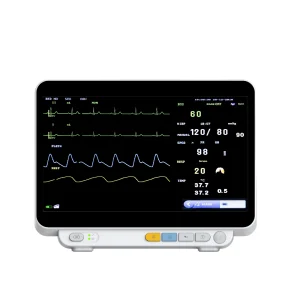
Wholesale Adjustable Medical Diagnostic Devices Portable 14" Multi-parameter Patient Monitors with Electric Power Source Manufacturers, Factories
View Product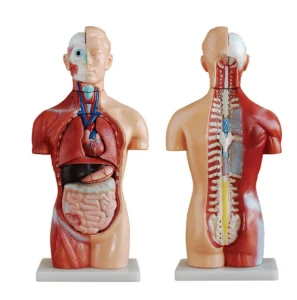
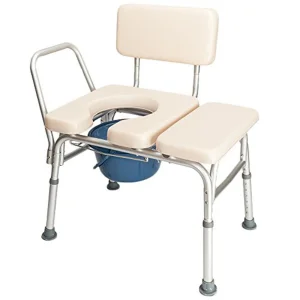
ODM Adjustable Bath Seat Shower Chair Padded Transfer Bench for Bathtub with Backrest Bedside Commode Chair for Bathroom Factories, Pricelist
View Product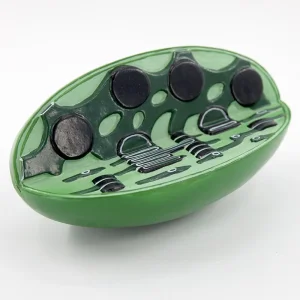
China Biological Teaching Model Plant Anatomical Microscopic Chloroplast Model for School Teaching Tool Factory, Factories
View Product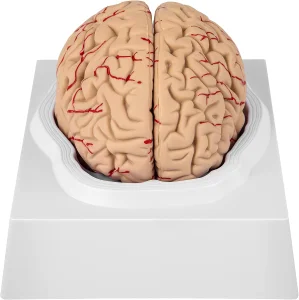
China Human Brain Model for Teaching Neuroscience with Vessels Life Size Anatomy Model for Learning Science Classroom Study Display Medical Model Factory, Pricelist
View Product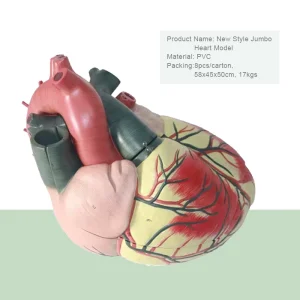
OEM Medical science Advanced Medical Supplies Human Teaching resources educational Heart Anatomical Model For Medical School Factories, Pricelist
View Product
OEM Dental tooth whitening instrument dental clinic tooth beauty whitening machine cold LED tricolor lamp Manufacturers, Pricelist
View Product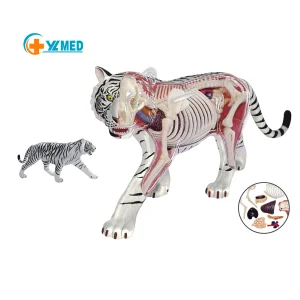
Wholesale Medical Science Teaching Resource 4D Tiger Anatomy Model Class Display Muscle Skeleton and Organ Structure Model Factories, Service
View ProductWhat OEM Injection Model Buyers Actually Need—Not Just a Catalog
The phrase OEM Injection Model Manufacturers & Factories carries several overlapping intents. A distributor may be searching for a private-label injection training model supplier. A nursing school may need a custom intramuscular injection pad. A hospital group may need anatomy models, CPR manikins and clinical teaching equipment from one accountable factory. A tender team may need ISO 9001 documentation, packaging details and a reliable export schedule.
Yulin Medical: A Manufacturer, Not a Trading Intermediary
Henan Yulin Edu. Project Co., Ltd. (Yulin Medical) was founded in 1958 and operates its own factory in Xinxiang, Henan, China. The company has more than 200 professional staff, registered capital of RMB 120 million and an ISO 9001 quality management system certified since 2008. Its motto is simple: quality first, service first. Product development, manufacturing, inspection and export coordination are managed from No. 8 Daoqing Road, Hongqi District, Xinxiang.
For international buyers, this matters because a true OEM injection model factory must control more than assembly. It must understand anatomical reference points, skin-like material performance, needle acceptance, replaceable tissue pads, color consistency, packaging protection and the documentation expected by distributors, schools and tender committees. That is why Yulin Medical presents injection training models alongside a broader ecosystem of anatomy models, nursing simulators, skeleton models, dental equipment, laboratory instruments and hospital training products.
Illustrative Buyer Decision Weighting
Based on recurring distributor and institutional sourcing questions in medical teaching model categories. Shown as an illustrative prioritization framework—not a syndicated market forecast.
Search intent: private label and resale value
Distributors ask for neutral packaging, branded manuals, barcoded cartons and product photography support. A factory with an in-house design and packaging team can raise shelf appeal without forcing the buyer to manage several suppliers.
Search intent: clinical realism and safety
Educators compare tissue feel, landmark visibility, needle resistance, cleanability and replacement-part availability. The best OEM injection model is not the softest or hardest product—it is the model that matches the course rubric and survives repeated use.
Search intent: documentation and factory evidence
Procurement teams look for ISO 9001 status, factory address, production history, inspection process and responsive export communication. These trust signals are part of the product, especially in school, hospital and government tenders.
Global Industry Status: Simulation, Localization and Supply-Chain Resilience
Medical and health education is moving toward competency-based training, shorter clinical placements and more repeatable simulation. That shift increases demand for injection training models, anatomy models, CPR manikins, nursing simulators and supporting classroom equipment—but it also changes what buyers expect from an OEM factory.
Global demand is program-led
Instead of ordering one isolated product, universities and distributors increasingly build program bundles: injection practice pads, anatomical reference models, CPR trainers and assessment consumables. Factories that can consolidate categories reduce administrative load and shipping complexity.
Localization is now operational
Localization means more than translation. It includes voltage-compatible equipment, regional packaging languages, local curriculum terminology, replacement-part planning, tender documentation and after-sales guidance for instructors.
Supply resilience matters
Distributors want predictable lead times and stable specifications on repeat orders. A long-established manufacturer with integrated partner capacity can keep mixed-category orders moving while maintaining consistent inspection standards.
Information gain wins tenders
Buyers increasingly reward suppliers that explain material choices, cleaning methods, replacement cycles, packaging tests and documentation scope. Clear technical information reduces evaluation risk and shortens approval cycles.
From Single Models to Program-Level OEM Injection Model Solutions
A factory that understands end-use training can help buyers design a more coherent product mix. The four solution areas below reflect how schools, hospitals and distributors typically structure purchases.
Nursing school skills-lab bundle
Combine injection practice models, anatomical reference models, CPR manikins, suture pads and nursing simulators into a single lab package. Add multilingual quick-start guides and replacement consumables for a complete semester plan.
Hospital competency program
Support onboarding, annual competency checks and refresher training with CPR simulators, anatomical models, emergency training aids and durable clinical teaching products. Documentation helps standardize procurement across departments.
Distributor private-label program
Build a resale-ready catalog with OEM packaging, branded manuals, product images, barcodes and mixed-carton planning. Long-term partners can coordinate repeat orders across anatomy, nursing model and hospital equipment lines.
Public health and EMS readiness
First-aid training programs often need compact, durable equipment for mobile instructors. Pair emergency training products with anatomy models and replacement parts so local teams can maintain courses without long supply gaps.
Ten Product Lines Behind the OEM Injection Model Ecosystem
Yulin Medical organizes its range into ten specialized product lines. This structure allows buyers to source core training models and supporting educational or clinical products from one accountable manufacturer.
Anatomy Models
Torso, organ, heart, brain and muscle models with numbered structures for lectures and patient education.
🔬Biology Prepared Slides and Accessories
Histology, botany and zoology prepared slides plus storage and microscope accessories for biology labs.
🦷Dental Tools and Equipment
Dental teaching models, clinic lights, LED whitening units and instruments for training and practice.
🧩General Teaching Models
Science demonstration models for primary schools, secondary schools and education equipment tenders.
🛏Hospital Furniture and Equipments
Stainless steel examination couches, stretchers, walkers and shower chairs built for daily clinical use.
⚙Hospital Machine and tools
Diagnosis and treatment devices and practical tools for wards, clinics and emergency departments.
🩺Medical Apparatus and Instruments
Emergency splints, extrication devices, cervical traction and rehabilitation instruments.
💉Medical Nursing Model
Adult, child and neonatal CPR manikins, ACLS simulators and AED trainers for skills assessment.
🦴Skeleton Models
Life-size and desktop skeletons, skulls, spines and joint models for osteology teaching.
✚Suture Pads and Kits
Realistic skin suture pads and complete instrument kits for surgical and wound-closure practice.
Localized Support & Compliance for Global Distributors and Institutions
International buyers rarely purchase an injection model in isolation. They need support that fits local procurement rules, language expectations, shipping schedules and after-sales realities.
Documentation for tenders and import review
Yulin Medical has held ISO 9001 certification since 2008. Product-specific documentation can be provided on request to support tender files, importer registration and internal quality review. Buyers should confirm the exact document set required by their market before order confirmation.
Language, labeling and packaging localization
Private-label packaging, English or bilingual manuals, barcodes, carton marks and product naming can be adapted for distributor catalogs. Clear packaging reduces import handling errors and improves resale presentation.
Mixed-category order consolidation
Instead of managing separate suppliers for anatomy models, nursing simulators, dental teaching equipment and hospital training products, buyers can consolidate categories into one shipment with one point of contact and one inspection plan.
Replacement parts and after-sales planning
Training programs need continuity. For repeat orders, specify replacement pads, small components, packaging spares and model-specific care instructions so local instructors can maintain a predictable training schedule.
Localized Application Scenarios: Where OEM Models Create Measurable Training Value
Different markets describe the same training need in different language. A product that works for a university anatomy lab may need different packaging, guidance and accessories for a hospital onboarding program or a secondary school science department.
Medical colleges and anatomy labs
Life-size heart, brain, lung and torso models help lecturers explain spatial relationships. Numbered structures and consistent color coding make practical assessments easier to standardize across multiple classes.
Nursing skills labs and injection practice
Injection training models should match the skill being assessed: landmark identification, needle angle, tissue depth, aspiration technique and pad replacement. OEM customization can align the model with local curriculum terminology and course rubrics.
Hospital onboarding and competency checks
Hospitals use simulation models to refresh emergency response, anatomical awareness and patient-handling skills. Durable teaching models and clear care instructions reduce downtime during repeated staff training cycles.
EMS and first-aid training
Emergency programs need compact, transport-friendly training equipment. CPR simulators, emergency stretchers and supporting anatomy models can be packaged as mobile training kits for instructors working across multiple locations.
Secondary school biology and STEM
Chloroplast, plant, animal and general science models make abstract concepts visible. Education distributors can combine these items with prepared slides, teaching guides and private-label packaging for school tenders.
Distributor catalogs and private-label retail
Brands need consistent product photography, accurate titles, packaging dimensions and stable repeat production. A manufacturer with OEM experience helps distributors build a catalog that looks coherent across multiple product categories.
Featured CPR, Emergency & Rehabilitation Equipment from Our Wider Range
Beyond injection and anatomy models, buyers often request CPR training manikins, emergency transfer equipment, hospital furniture and rehabilitation aids. These products help distributors answer broader institutional tenders without fragmenting the supply chain.












Technology Roadmap & Future Outlook for OEM Injection Models: 2025–2030
The next generation of medical teaching models will be judged by training outcomes, service life and documentation—not appearance alone. Factories that prepare for this shift will be better positioned to support distributors and institutions over multiple procurement cycles.
Material science
Skin-like elastomers, antimicrobial surface options, recyclable ABS and improved color stability will help models withstand repeated handling while maintaining a professional appearance.
Embedded feedback
Future-ready platforms may integrate LED feedback, compression indicators and optional digital scoring modules. The goal is not novelty—it is faster instructor feedback and more consistent assessment.
Modular replacement
Replaceable tissue pads, vessels, joints and connectors reduce whole-unit replacement. Modular design also supports local stocking plans for distributors and training centers.
Digital instructions
QR-linked care guides, multilingual setup sheets and short training videos can reduce support friction. Physical manuals remain useful, but digital access helps distributors update content without reprinting full cartons.
Sustainable packaging
Right-sized cartons, recyclable protective materials and clearer carton labeling can lower damage rates and waste. For OEM buyers, packaging is part of the product experience and tender compliance.
Experience, Expertise, Authoritativeness and Trust: Factory Evidence Buyers Can Verify
E-E-A-T is not a slogan for a product page. For medical teaching equipment, it means showing the factory history, quality system, production capacity, export communication and the practical ability to answer technical questions.
Six decades of manufacturing experience
Founded in 1958, Henan Yulin Edu. Project Co., Ltd. integrates scientific research, production and sales for educational and medical equipment. The company operates from Xinxiang, Henan, with more than 200 professional employees and registered capital of RMB 120 million. Its quality management system has been ISO 9001 certified since 2008.
For OEM buyers, the relevant question is not only “what can be produced?” but “can the factory repeat it?” Repeatability depends on documented inspection, stable material sourcing, trained assembly staff and clear communication between sales, engineering and packaging teams. Yulin Medical’s 10 product lines and long-standing partner network support one-stop orders while keeping a single contact point for export coordination.
Factory address: No. 8, Daoqing Road, Industry Park, Hongqi District, Xinxiang, Henan, China.
Export contact: [email protected] · 0086-13503800666.

Headquarters & factory, Xinxiang

Production workshop

Bulk orders ready for export
Why Distributors and Institutions Partner with Yulin Medical
Overseas buyers consistently cite four practical strengths when they move long-term orders to a factory: responsiveness, design support, category expertise and supply stability.
24/7 responsive service
The export team is online 24 hours a day, 7 days a week. Whatever the buyer’s time zone, the goal is to provide a detailed answer as quickly as possible—typically within 24 hours.
Design and packaging team
In-house specialists support product presentation and private-label packaging that strengthens the buyer’s brand and increases the added value of each unit sold.
Professional category expertise
Yulin Medical focuses on educational and medical training products built under ISO 9001 process control. The team understands how anatomy, nursing and hospital products work together in real training programs.
60+ years of supply stability
A factory with more than 60 years of history and an integrated partner supply chain helps meet one-stop demands and keeps lead times more predictable on repeat orders.
A Transparent 5-Step Process for Overseas Buyers
From first inquiry to delivery, each stage has a clear purpose. This process helps buyers plan stock, tenders, teacher training and shipment schedules with fewer surprises.
Share requirements
Send product types, target learner groups, quantities, destination market and any tender or documentation needs.
Catalog & proposal
Receive matched models, specifications, packaging options, MOQ guidance and practical shipping suggestions.
Sample evaluation
Test samples with instructors or clinicians before confirming bulk production, especially for injection model customization.
Production & QC
Manufacturing and inspection follow the ISO 9001 quality management approach, with communication at key checkpoints.
Export & support
Protective export packing, delivery coordination and responsive after-sales communication for repeat programs.
Practical Insights from Our Specialists
Product sourcing improves when buyers understand how training models are handled, stored and presented. These short insights reflect the practical questions our team answers during factory and product discussions.

Do You Really Know How to Observe Biological Prepared Slides?
Many plant and animal cell structures can only be studied under a microscope. Correct handling, focusing and storage help students see clearer detail and extend the working life of slide sets.

The 5th Henan Provincial Educational Equipment Expo Concludes Successfully
Themed “Digital Leading Innovation and Development,” the expo showcased a record exhibition area, hundreds of brands and thousands of products, reflecting continued demand for practical educational equipment.

Inside Our Product Showroom
Buyers visiting the Xinxiang facility can inspect medical teaching models, training equipment and packaging samples in person—an important step before large or repeat OEM orders.
Frequently Asked Questions About OEM Injection Models & Factory Sourcing
These are the questions procurement managers, distributors and educators ask most often before placing a first or repeat order.
Is Yulin Medical a manufacturer or a trading company?
Yulin Medical is a manufacturer. Henan Yulin Edu. Project Co., Ltd. was founded in 1958 and operates its own factory in Xinxiang, Henan, China, with more than 200 professional staff. For one-stop orders, the company also coordinates a stable network of long-term partner factories.
What quality certification does the factory hold?
The quality management system has been ISO 9001 certified since 2008. Product-specific documentation can be provided on request to support tenders and import registration. Buyers should confirm the exact documentation requirements for their own country before ordering.
Do you support OEM, private label and custom packaging?
Yes. The in-house design team develops private-label packaging and product presentation for distributors. Options can include branded cartons, manual language adaptation, barcodes and product naming support, depending on order scope.
How do I choose the right CPR or injection training model?
Start with the learner group and course rubric. For CPR, check compression depth, rate and ventilation feedback, guideline alignment and AED trainer integration. For injection models, define landmark visibility, tissue depth, needle acceptance, cleaning method and replacement-pad availability.
How quickly will I receive a reply?
The export team is online 7 days a week and typically replies within 24 hours with catalogs, specifications, packaging options and shipping suggestions. Urgent tender questions should include the deadline and required document list.
Can injection or anatomy models be customized for local curricula?
Yes, subject to technical review. Typical customization includes tissue-layer depth, color coding, numbering, replacement pads, packaging artwork, manual language and mixed-category carton planning. A sample evaluation before bulk production is recommended for any structural change.
Need Specifications, a Price List or a Tender Package? We Reply Within 24 Hours.
Tell us your target market, learner group, quantities and certification requirements. Our product specialists will recommend suitable models, share detailed specifications and propose a practical shipping plan for your order. For OEM injection model projects, include your packaging idea, manual language and any replacement-part expectations.
More OEM Models from the Factory Portfolio
The second group of factory items completes the broader sourcing picture: emergency and ICU training equipment, heart and lung anatomy models, patient transport products, laboratory equipment and medical gas accessories. Each product link leads to a detailed OEM model page for specification review.
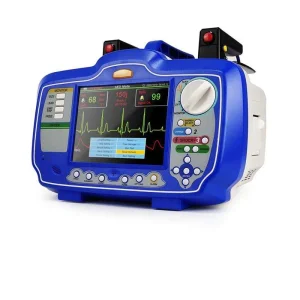
Wholesale High Quality Hospital Heart Pacemaker Portable Emergency Defibrillation Apparatus for ICU Manufacturer, Factories
View Product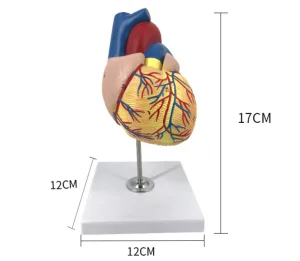
Wholesale Medical science model 1:1 Human Heart Model Anatomical for Medical college students and hospital Factory, Factories
View Product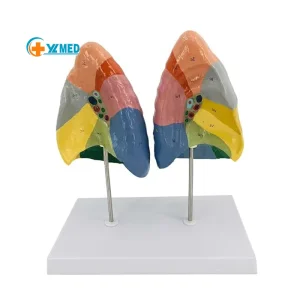
ODM Human Lung Model Respiratory System Lung Segment Anatomical Model Pulmonary Medical School Nursing Class Course Lab CE/ISO Factory, Factories
View Product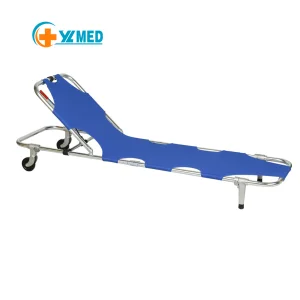
China Portable Folding Class I Medical Stretcher Cart 10s Quick Setup 350LB Capacity Emergency Rescue Patient Transport Hospitals Manufacturers, Service
View Product
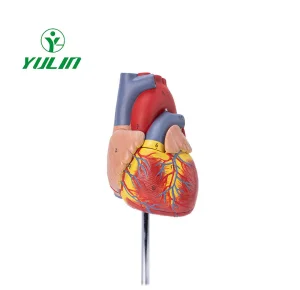
OEM Life Size Human Scientific Heart Model anatomical human heart model for medical students rubber heart model Factories, Quotes
View Product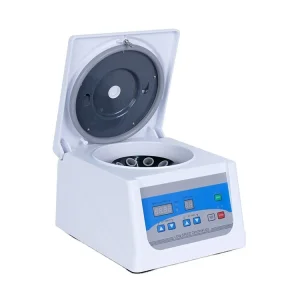
Wholesale Competitive Price Table-type Low Speed Laboratory Centrifuge Machine Manufacturers, Pricelist
View Product